



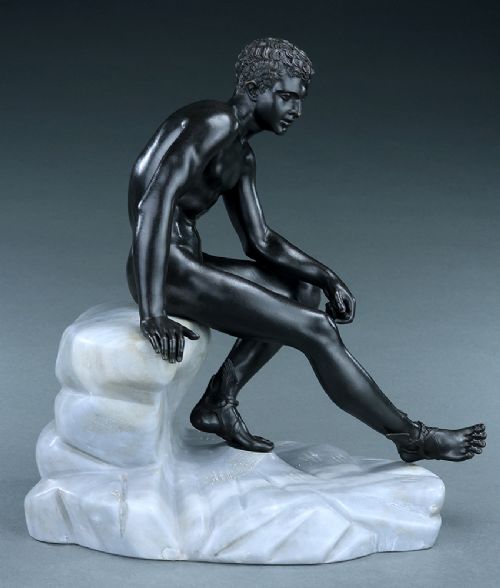
Marble Base Figure
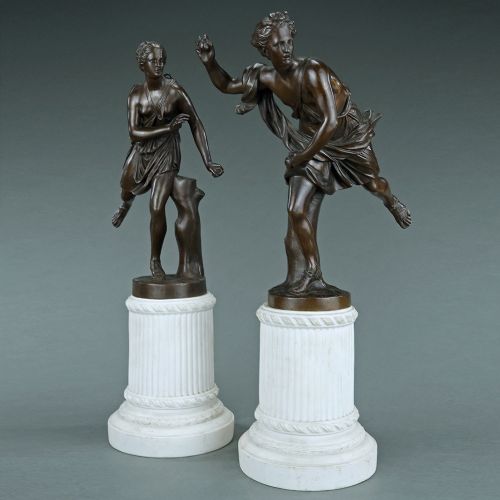
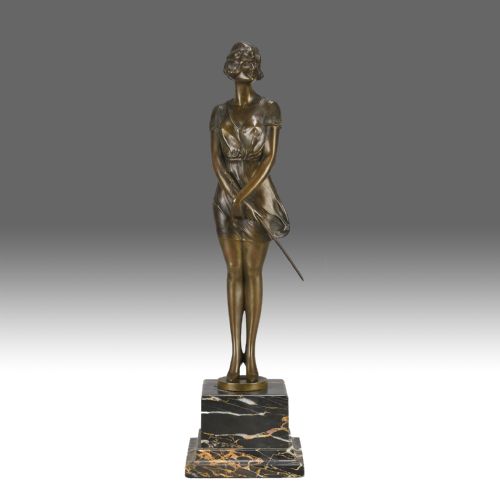
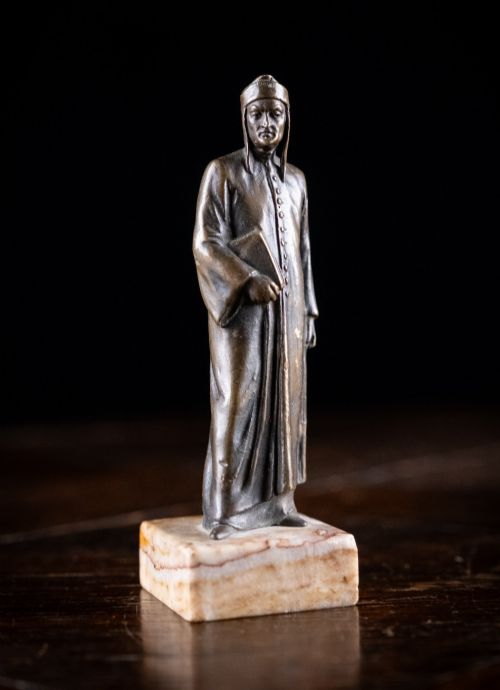
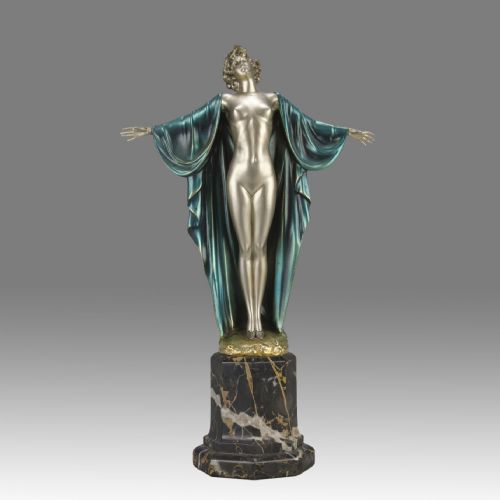
A marble base figure pairs a cast metal sculpture with a heavy stone plinth, bringing architectural weight to classical subjects and Art Deco dancers alike.
Marble Base Figure
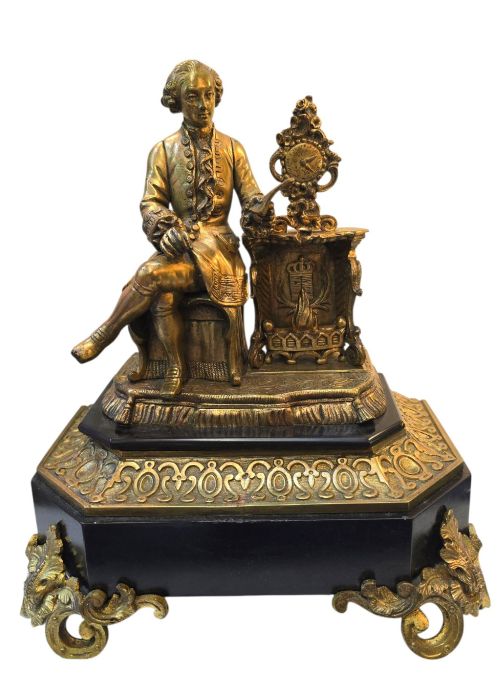
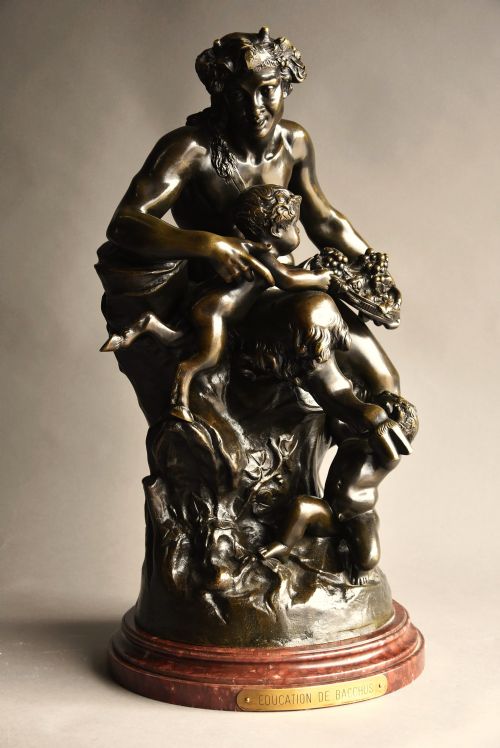
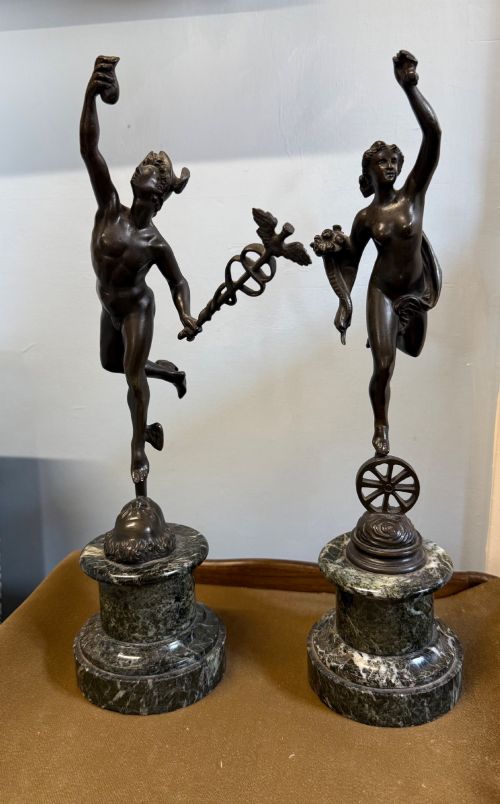
A marble base figure brings together a sculpted subject and a contrasting stone foundation, uniting metallic or ivory figures with stable plinths. This search phrase encompasses everything from nineteenth century Grand Tour bronze antiquities to nineteen thirties Art Deco dancers mounted on dark stone.
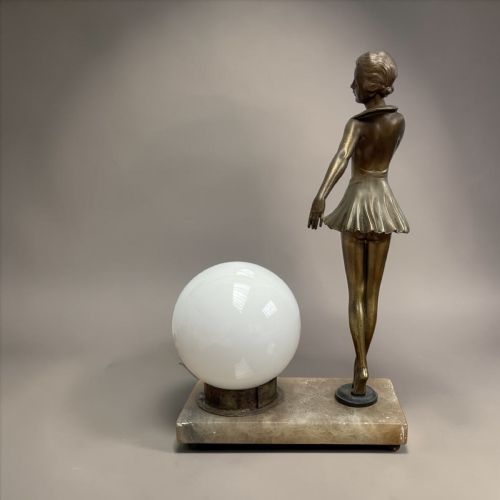
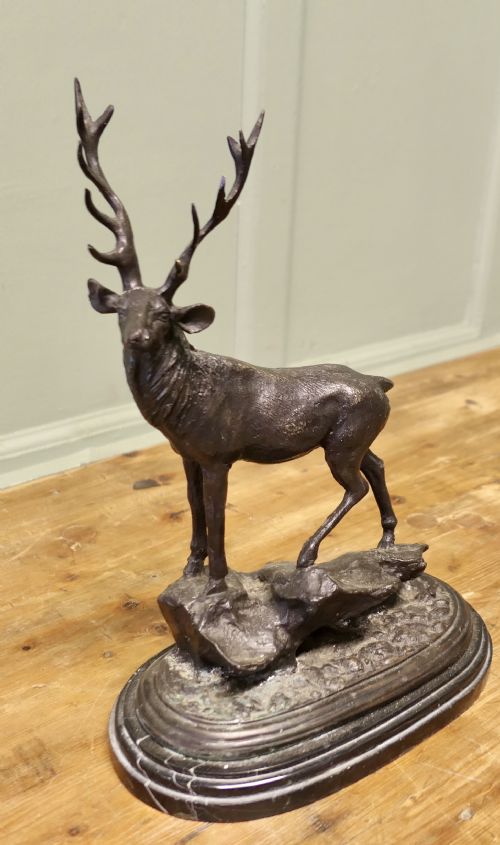
The most common examples on this page are nineteenth century French and Italian bronzes cast after classical models or animalier subjects. Alongside these, twentieth century chryselephantine dancers and Art Deco animal studies frequently appear anchored to black, fossil, or siena marble blocks.
Materials and construction
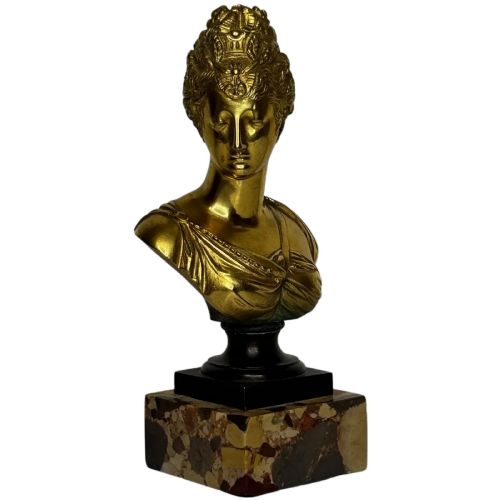
The metallic components were typically cast using the lost wax method, allowing intricate detail in subjects ranging from mythological figures to sporting hounds. Cold painting, gilt finishes, and silvering were often applied directly onto the bronze or spelter surfaces after casting.
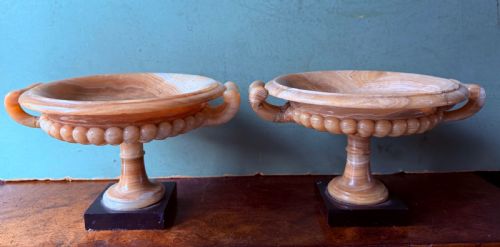
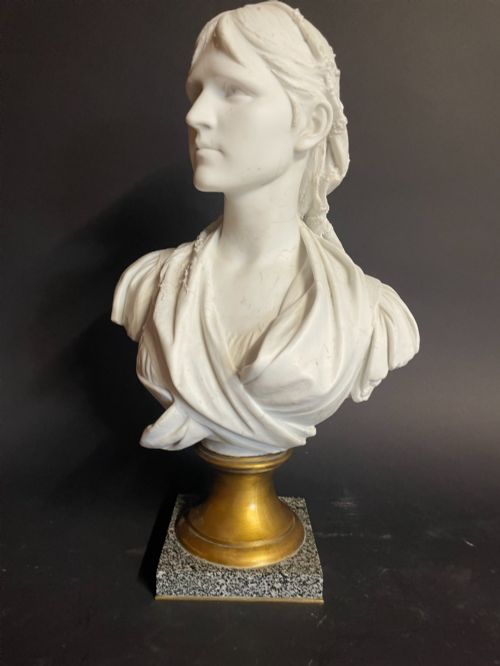
The stone bases were shaped from blocks of marble, alabaster, or onyx, then drilled and channeled to receive the threaded pins or bolts projecting from the feet of the figures. Siena, fossil, and black marble varieties were selected to contrast visually with the patinated metal above.
Listings span the nineteenth century through the Art Deco era, documenting both classical mythological subjects and modernist animalier studies.
Judging quality in sculpture and mounting
The crispness of the chasing and finishing work on the metal surface separates superior castings from ordinary production pieces. Skilled chiselling after the cast removes flaws and sharpens hair, drapery, and facial expressions.
The integration between the sculpture and its stone support indicates standard of manufacture. Heavy, precisely cut marble plinths with tight flush-fitting pins show greater attention to detail than loose or ill-matched mountings.
Barbedienne·Bruno Zach·Pierre le Faguays·Ferdinand Preiss·Claude Michel Clodian·August Moreau·Emile Carlier·Demetre Chiparus·Henri Godet·Georges Van Der Straeten·Pierre Jules Mene·Prosper Lecourtier·Paul Gayrard
The Marble Base Figure Glossary
- Grand Tour
- A nineteenth century practice where travellers collected classical souvenir bronzes in Italy. These architectural and mythological reductions were mounted on heavy marble plinths for display.
- Chryselephantine
- A term describing sculptures combining carved ivory with bronze or other metals. These figures frequently feature on multi-coloured marble bases from the Art Deco period.
- Animalier
- A nineteenth century artistic movement focused on the realistic depiction of animals. Sculptors in this tradition often placed bronze hounds, stags, and big cats upon flat stone bases.
- Spelter
- An alloy of zinc and lead used as a cheaper substitute for bronze. Figures cast in spelter were usually painted or bronzed to imitate genuine patinated metal.
- Patina
- The surface coloration and sheen developed naturally over time or applied chemically by the foundry. This layer protects the metal and defines the visual depth of the sculpture.
Marble Base Figure: Frequently Asked Questions
How do I clean a marble base figure?
Dust the metal sculpture gently with a soft dry brush to prevent accumulation in crevices. Avoid harsh chemical cleaners that can strip the original patina from bronze or damage polished stone.
Wipe the marble plinth using a barely damp cloth and dry it immediately with a lint-free towel. Keep moisture away from any exposed joints where the metal meets the stone base.
How can I tell bronze from spelter?
Examine the underside or areas of wear for the underlying metal colour and weight. Bronze is heavier, denser, and reveals a warm golden-brown tone beneath the dark patina.
Spelter feels lighter and is more brittle, often showing a silvery-grey metal underneath chipped paint or bronze-coloured finishes. Magnetic tests are inconclusive because both metals are non-ferrous.
What is a Grand Tour bronze?
Grand Tour bronzes were miniature souvenir sculptures bought by wealthy travellers visiting archaeological sites in Italy during the eighteenth and nineteenth centuries. They replicated famous antique statues such as Narcissus or the Dying Gaul.
These reductions were typically bolted onto shaped marble or alabaster bases to serve as desk ornaments or cabinet pieces upon the buyer's return home.
Why are some bases made of different marble types?
Foundries and sculptors selected specific stones like Siena, fossil, or black marble to complement the tones of the metal sculpture above. Yellow Siena marble provided warm contrast to dark patinated bronze, while black marble offered a stark, modern foundation for Art Deco figures.
The choice of stone often helps indicate the period of manufacture, with colourful varieties favoured in the nineteenth century and plain black blocks popular in the nineteen thirties.