



Male Portrait Sculpture
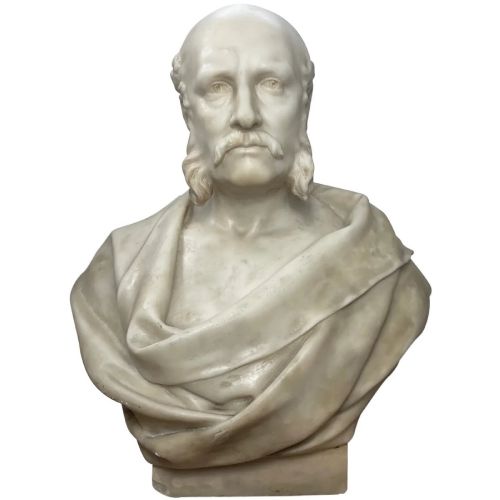
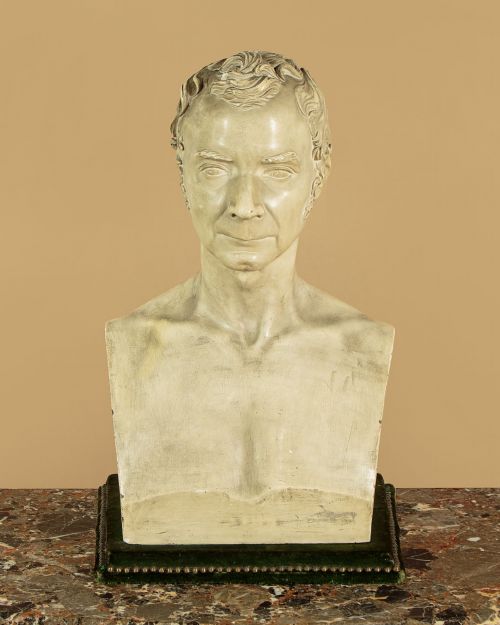
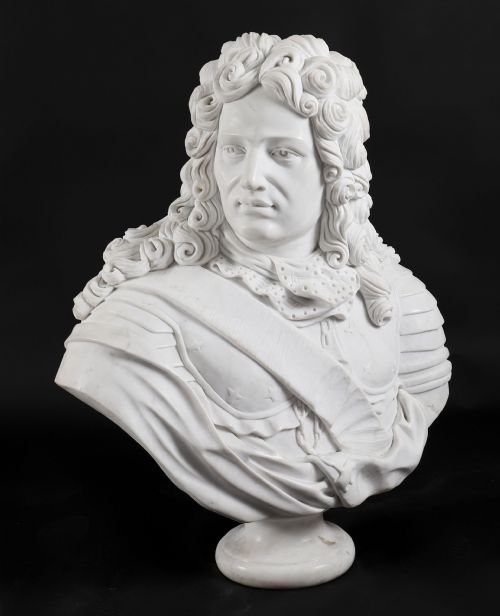
These male portrait sculpture pieces capture likenesses across centuries in bronze, marble, and plaster.
Male Portrait Sculpture
A male portrait sculpture represents individual men in busts, plaques, and wall sculptures spanning periods from the eighteenth century through the mid twentieth century. Buyers seeking these works encounter representations of gentlemen, noblemen, classical figures, and historical subjects.
The pieces on this page appear in materials including bronze, white marble, terracotta, and plaster, reflecting both monumental civic formats and library scales. Victorian and nineteenth century examples form a significant portion of the available objects.
Makers and subjects range from anonymous gentlemen to named historical figures such as Homer and the Emperor Augustus, alongside signed works by recognised sculptors.
How they were made
Sculptors shaped these pieces through traditional carving of white and coloured marble, capturing fine details in stone for subjects like noblemen and philosophers. Bronze works utilise metal casting techniques, often bearing signatures from artists and foundries.
Plaster and terracotta offer alternative media, sometimes finished with paint or pigment to simulate stone or metal surfaces. These modelled and cast materials allowed workshops to produce library busts and decorative wall sculptures.
Male Portrait Sculpture Retail Price Guide 2026
Typical asking prices for male portrait sculpture among the pieces listed under this phrase on Sellingantiques today, from the lower quarter to the upper quarter. They describe what is for sale here now, not the wider market.
A Roman emperor keeps watch alongside a nineteenth century gentleman in a grey tweed suit.
What varies in quality
Quality in these sculptures rests upon the precision of the carving in marble or the crispness of the casting in bronze and plaster. Master works display subtle facial expression, accurate anatomical proportions, and careful rendering of drapery or armour.
Signed pieces by established sculptors command greater attention than anonymous studio works. The choice of durable materials such as solid bronze or fine white marble elevates a piece above simulated stone or painted plaster.
Eugene Canneel·Giuseppe Moretti·Sir Thomas Brock·Alajos Strobl·Mathurin Moreau·Feridah Francis Forbes Taylor
The Male Portrait Sculpture Glossary
- Grand Tour
- A nineteenth century practice where travellers collected classical antiquities and copies in Italy. Pieces in this manner often replicate ancient Greek or Roman subjects.
- Neoclassical
- A style inspired by classical antiquity prevalent in European art. Sculptors of this period emphasised austere dignity and clean lines.
- Patina
- The surface sheen or colour developed on bronze through age or chemical treatment. Collectors value stable patinas that show the true age of a metal casting.
- Terracotta
- Fired unglazed clay used for modelled sculptures. This porous material captures immediate hand modelling by the artist.
Male Portrait Sculpture: Frequently Asked Questions
Where should I display a heavy marble bust?
Marble and bronze sculptures require robust furniture such as a sturdy wooden console table or a dedicated stone column. Ensure the support can bear the substantial weight safely without shifting.
Position the piece away from direct sunlight and heat sources to protect the material from sudden temperature fluctuations.
What is the difference between bronze and plaster?
Bronze is a durable metal alloy cast from a mould, offering a heavy structure and a rich patinated surface. Plaster is a softer, lighter material formed from gypsum, often used for preparatory models or affordable library busts.
Bronze pieces generally withstand handling better than plaster, which chips more easily.
How can I tell if a sculpture is nineteenth century?
Nineteenth century sculptures often exhibit specific stylistic markers of Victorian or Academic Realism periods. Examination of the material, casting seams, and any inscribed signatures or dates provides clues to the era.
Archival records and historical dress styles depicted on the subject also help determine the approximate age.