

Mahogany Wine Chest
A mahogany wine chest is a heavy timber receptacle designed for holding bottles securely.

Mahogany Wine Chest
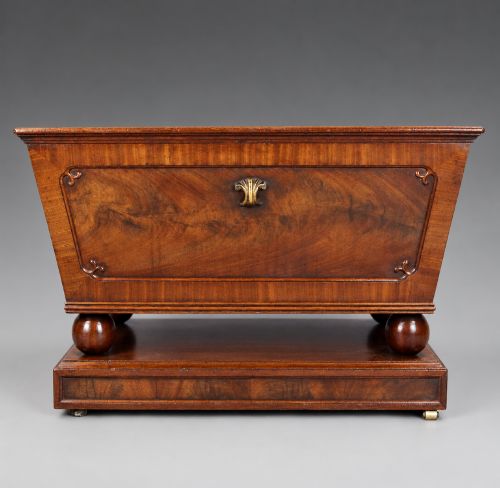
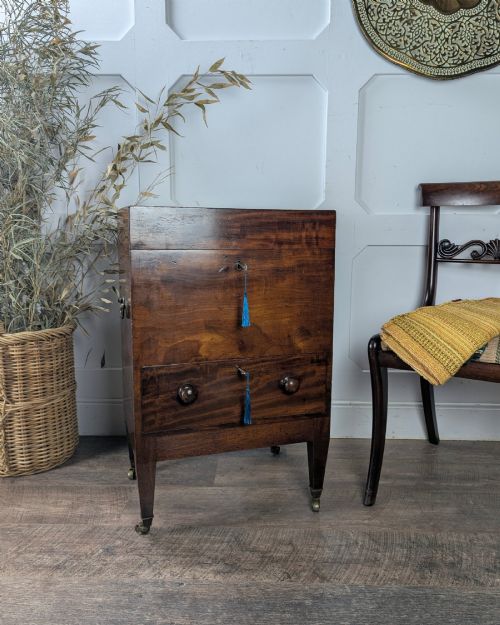
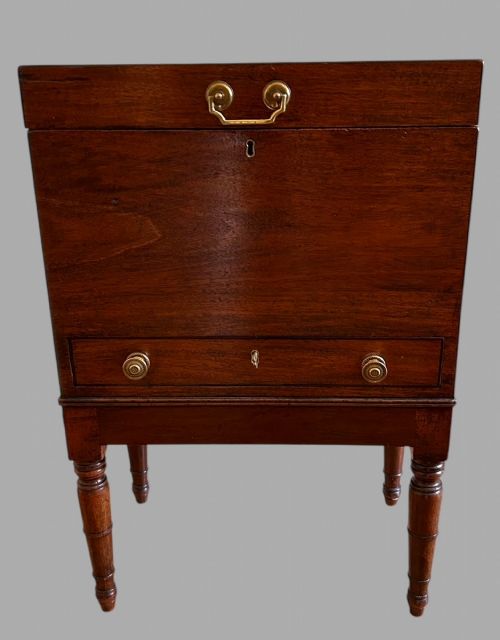
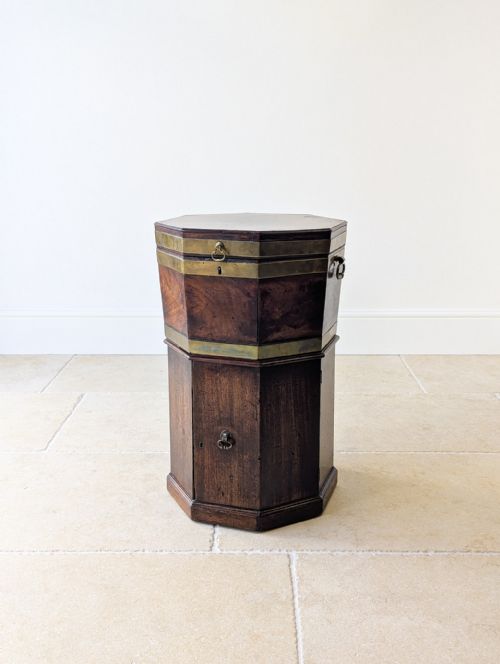
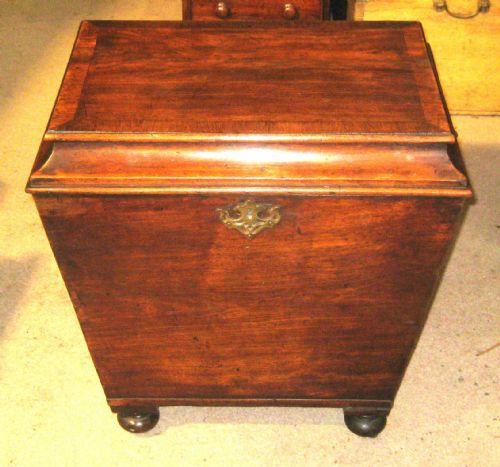
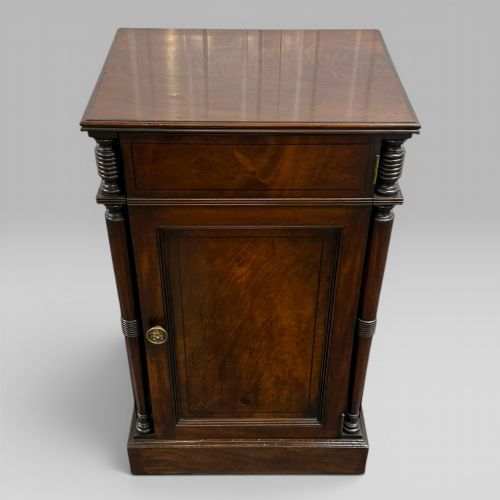
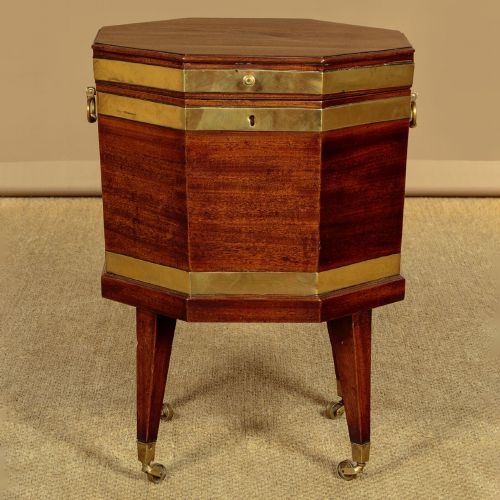
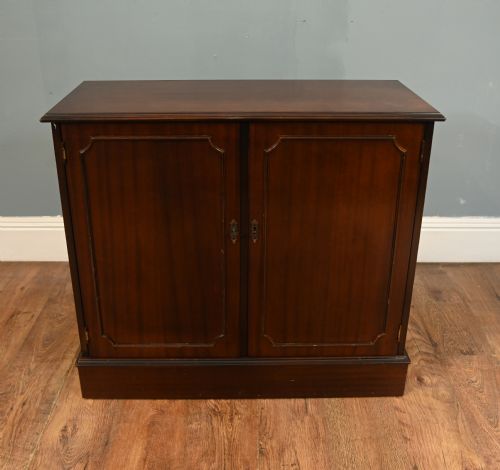
A mahogany wine chest, often called a cellarette or wine cooler, is designed to store bottled liquor safely in dining rooms. When searching for a mahogany wine chest, buyers primarily encounter Georgian, Regency, and Victorian pieces ranging from the eighteenth to the nineteenth century.
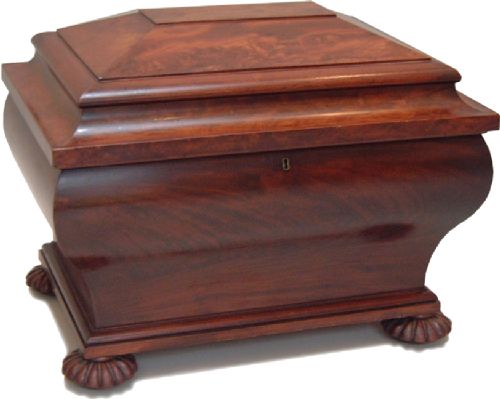
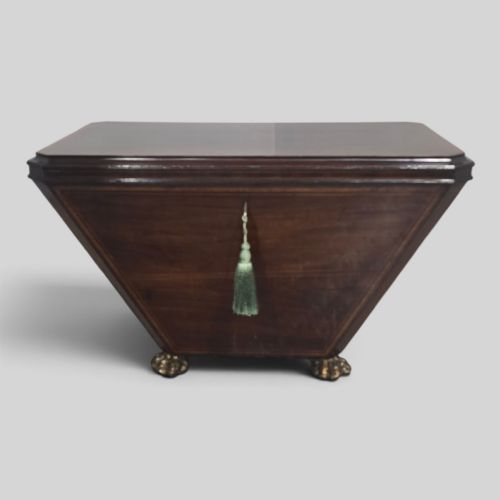
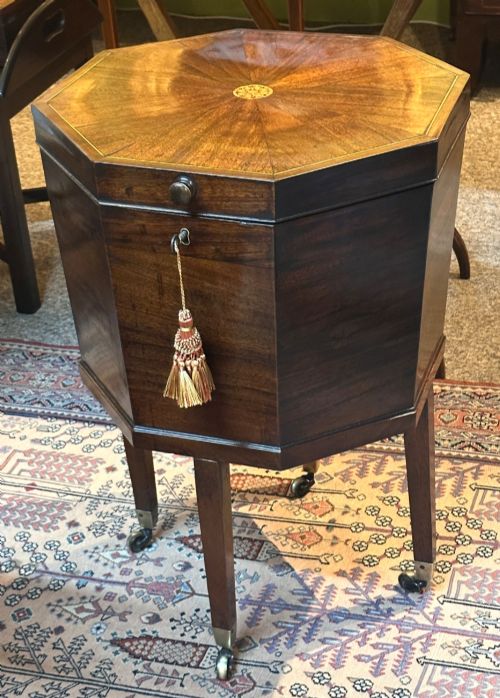
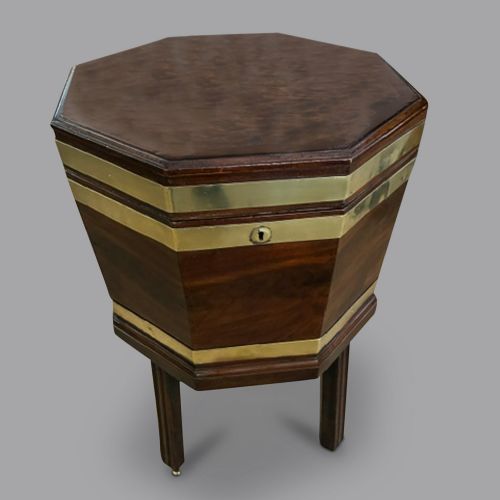
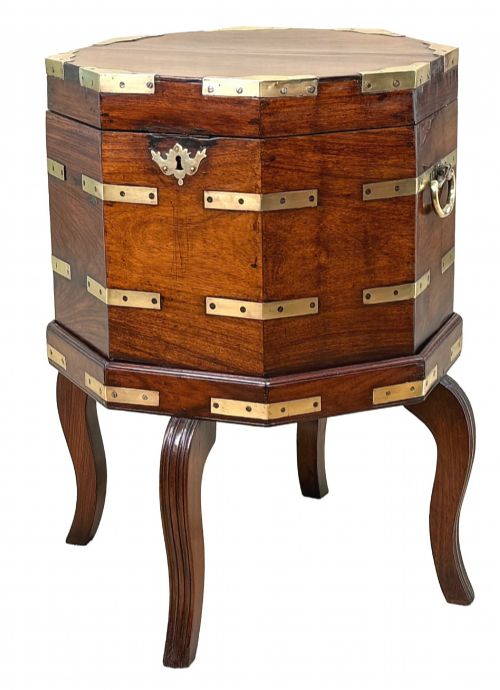
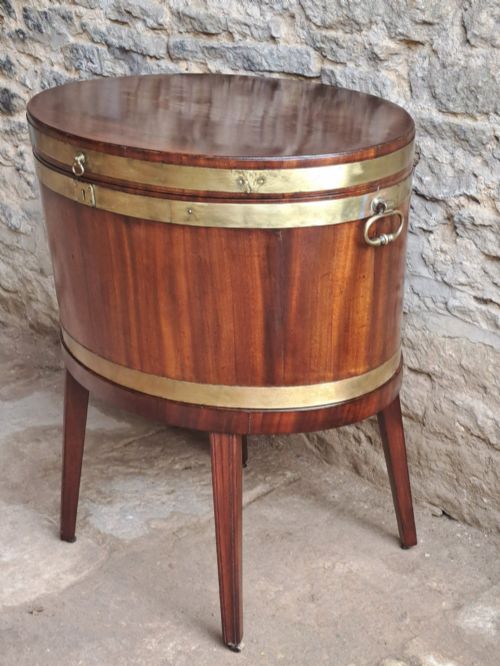
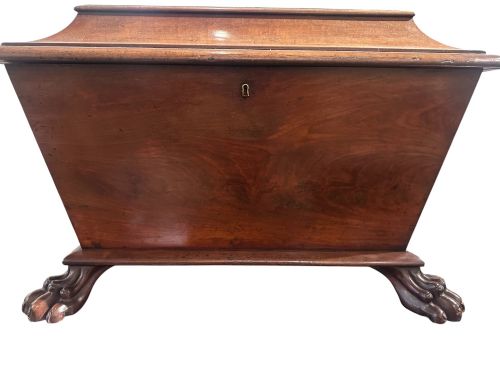
The surviving examples take distinct shapes, including octagonal boxes, oval vessels, and sarcophagus forms. Many rest upon their original stands or incorporate brass banding and metal linings intended to hold ice.
Makers such as Gillows and Edwards and Roberts produced notable versions, alongside Anglo-Indian colonial pieces and French Louis XVI style variations. These items reflect the domestic dining customs of their respective periods.

Materials and construction
Cabinet makers utilised solid mahogany and figured flame mahogany veneers over secondary timbers. Surface enrichment often includes boxwood inlay, satinwood stringing, and applied ormolu mounts.
Structural reinforcement relies on heavy brass bands and metal fittings that secure the staves or panels. Original lead linings appear frequently inside the storage compartments to contain melted ice and moisture.
Mahogany Wine Chest Retail Price Guide 2026
Typical asking prices for mahogany wine chest among the pieces listed under this phrase on Sellingantiques today, from the lower quarter to the upper quarter. They describe what is for sale here now, not the wider market.
The listings span the Georgian, Regency, and Victorian periods, utilising mahogany, brass, ormolu, and satinwood inlay.
Judging the work
Quality rests upon the selection of timber figures, particularly the depth of the flame mahogany grain. Superior examples display precise boxwood and satinwood inlay rather than painted imitation.
The presence of original brass work, handles, and internal lead or metal linings elevates a piece significantly. Construction details such as tight dovetailing and retained stands distinguish workshop pieces from later revivals.
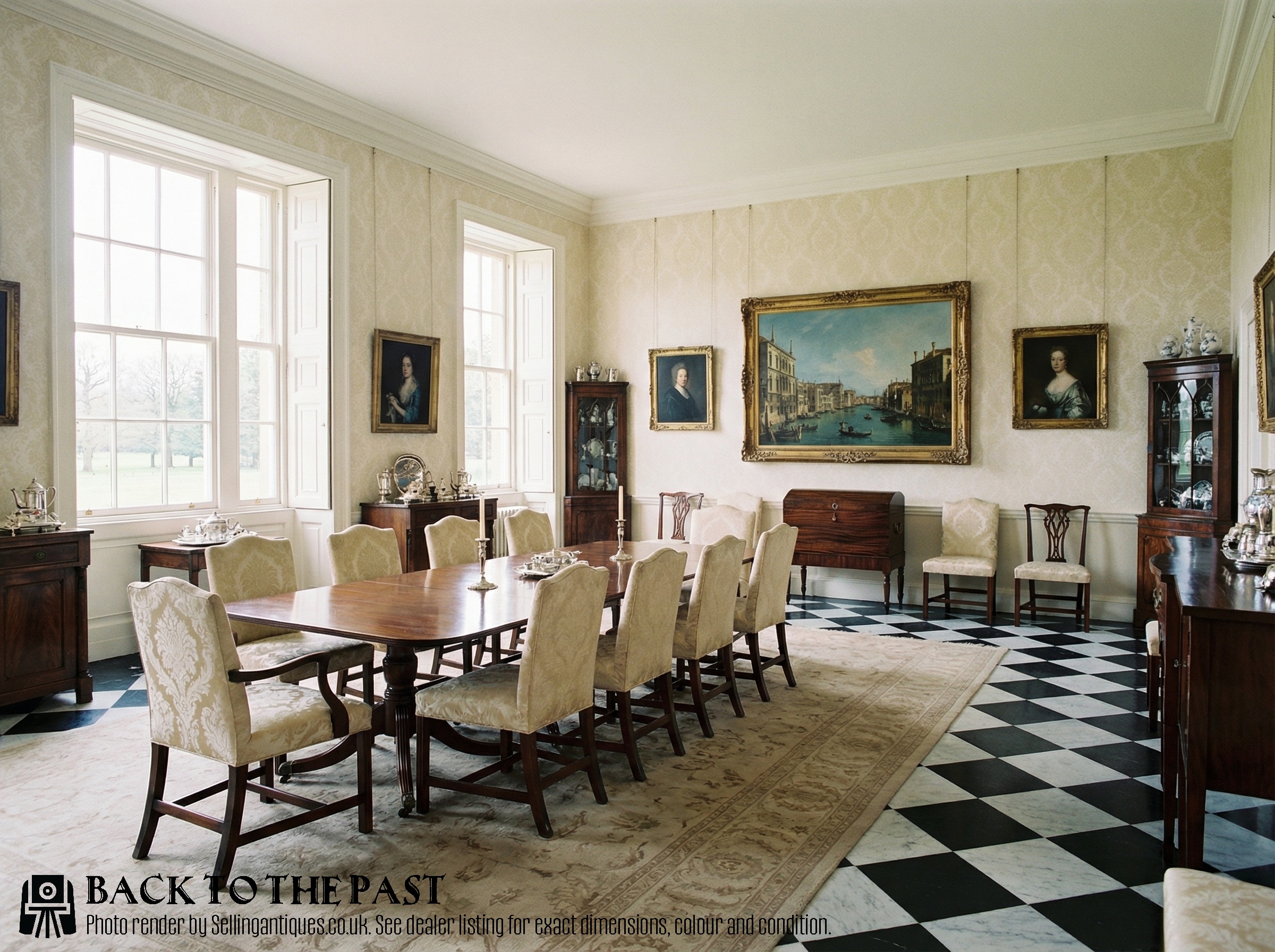
Gillows·Edwards and Roberts·Gillingtons
The Mahogany Wine Chest Glossary
- Cellarette
- A lockable container used for storing wine bottles near the dining table. These vessels often feature fitted interior dividers.
- Sarcophagus form
- A heavy, tapering funerary shape adopted during the Regency period for large wine coolers. Such designs typically stand on paw feet.
- Flame mahogany
- Timber cut from the fork of the mahogany tree to produce a dramatic rippling pattern. Cabinet makers reserved this veneer for principal exterior surfaces.
- Brass-bound
- Furniture secured with heavy metal strips fastened by screws. This technique provided structural strength to octagonal and oval wine containers.
Mahogany Wine Chest: Frequently Asked Questions
What is a mahogany wine chest?
A mahogany wine chest is a specialised storage box made to keep bottles cool and secure in historic dining rooms. These pieces function as portable cellars for domestic entertaining.
Craftsmen built them using dense tropical timbers and lined the interiors with lead or metal to hold ice alongside the glass bottles.
How were they used historically?
Servants filled the internal metal liners with ice and positioned the chest beside the dining table during formal meals. This kept the wine chilled without requiring trips to the main cellars.
Many incorporated lockable lids to secure expensive vintages from household staff.
How do I date a wine chest?
Dating relies on stylistic shifts from eighteenth-century straight-sided octagons to nineteenth-century sarcophagus shapes with heavy feet. Hardware fasteners and timber characteristics also indicate the period.
Georgian examples tend to show restrained string inlay, whereas Regency pieces favour bolder brass mounts and classical motifs.
Where should I place one at home?
These chests work well as standalone side tables or decorative storage units in living spaces and dining rooms. Their flat tops allow them to hold lamps or serving trays.
Keep them away from direct heat sources to prevent the mahogany veneer and internal linings from drying out.