

Mahogany Wine Cellarette
When you search for a mahogany wine cellarette, you are looking at substantial storage vessels designed to keep bottles cool and secure in formal dining rooms.
Mahogany Wine Cellarette
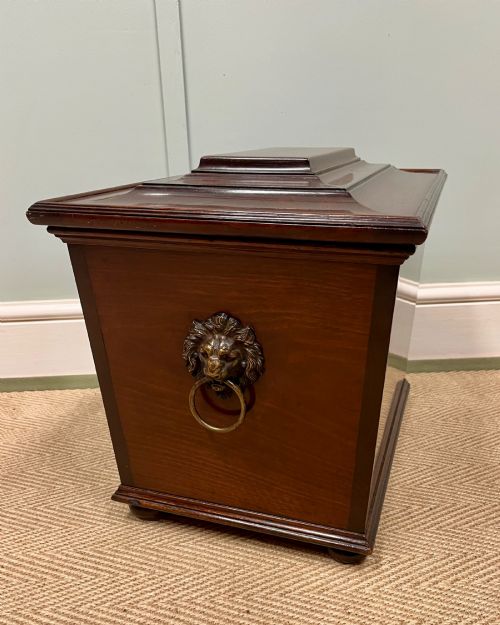
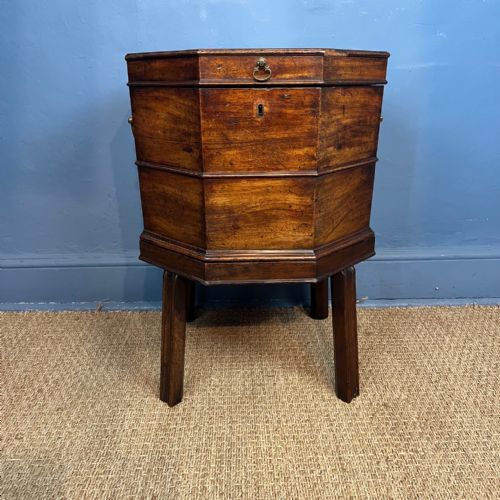
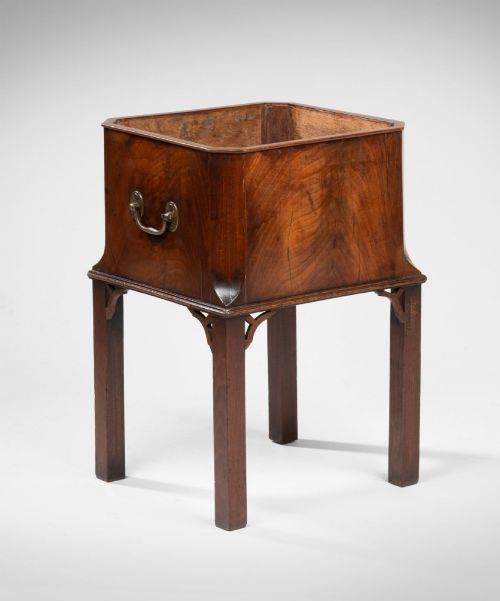
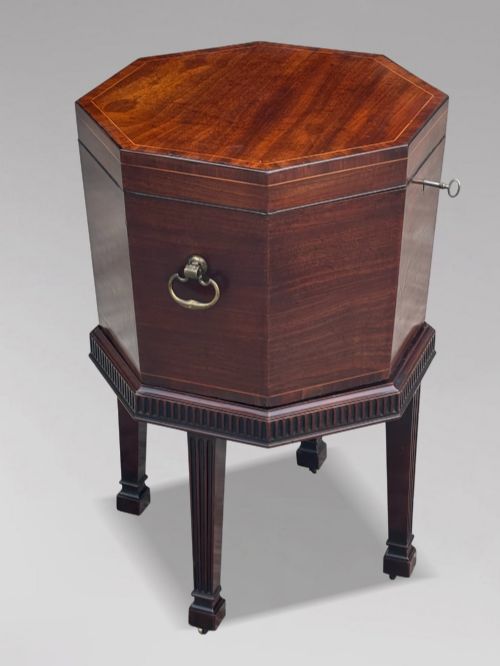
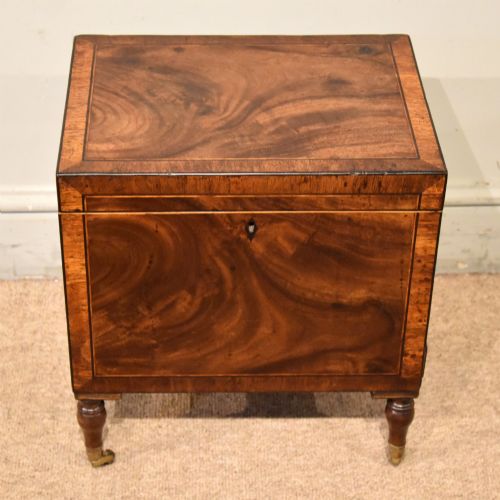
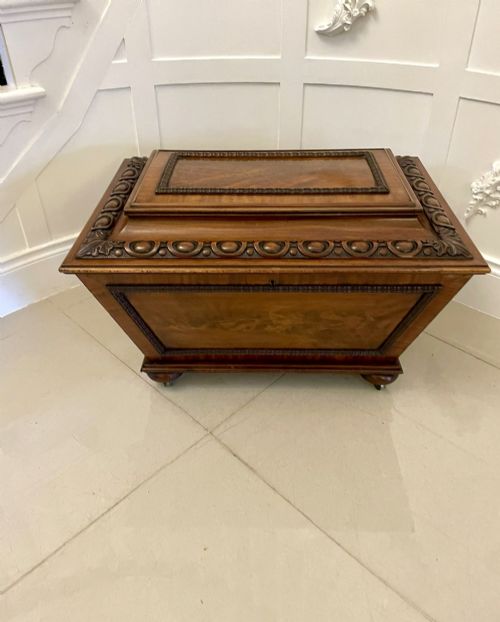
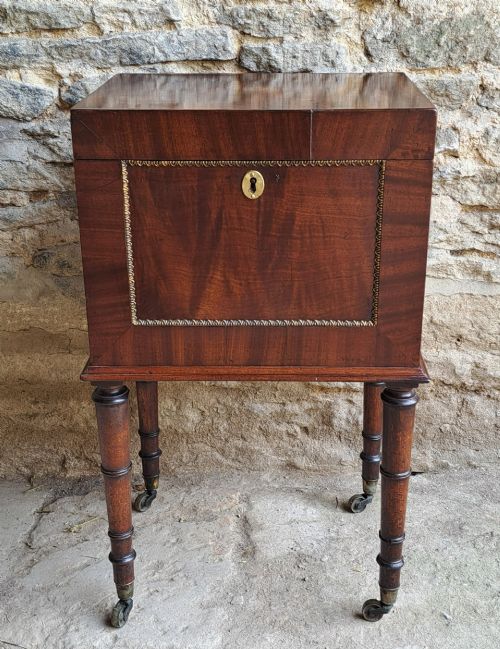
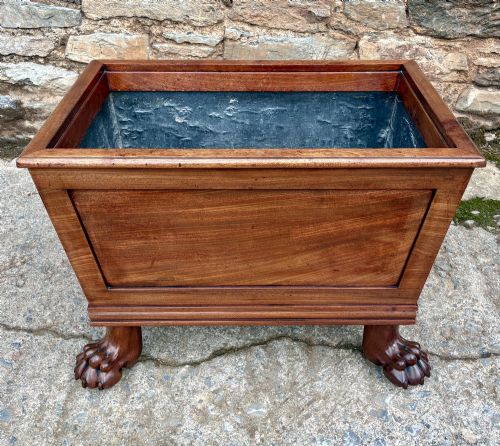
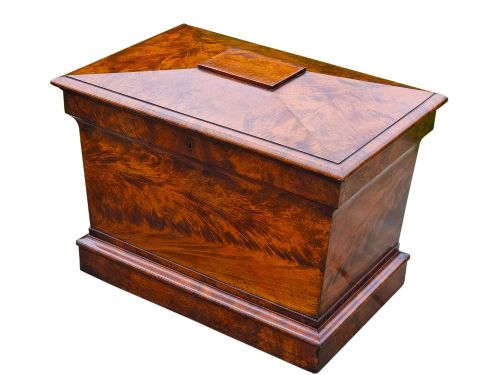
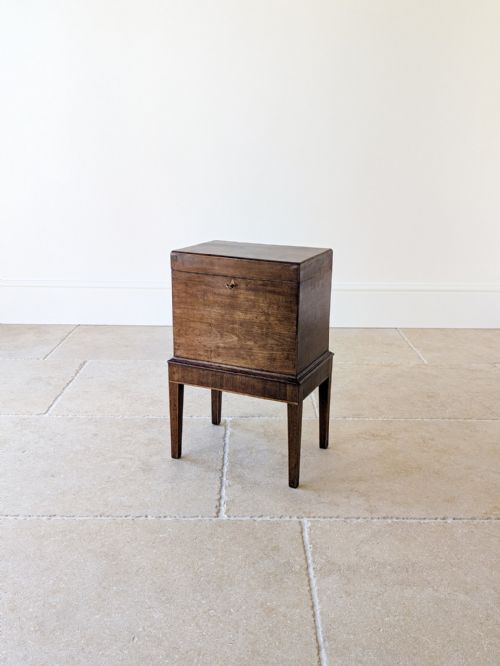
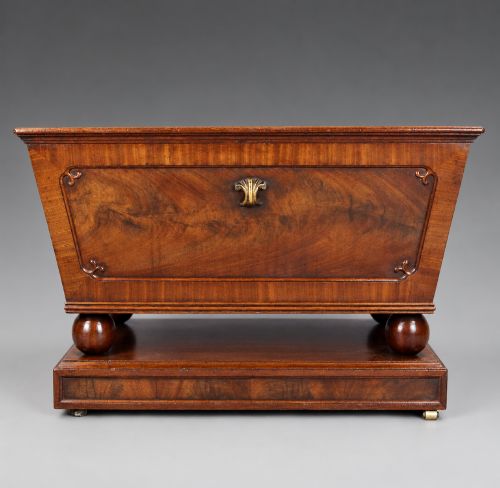
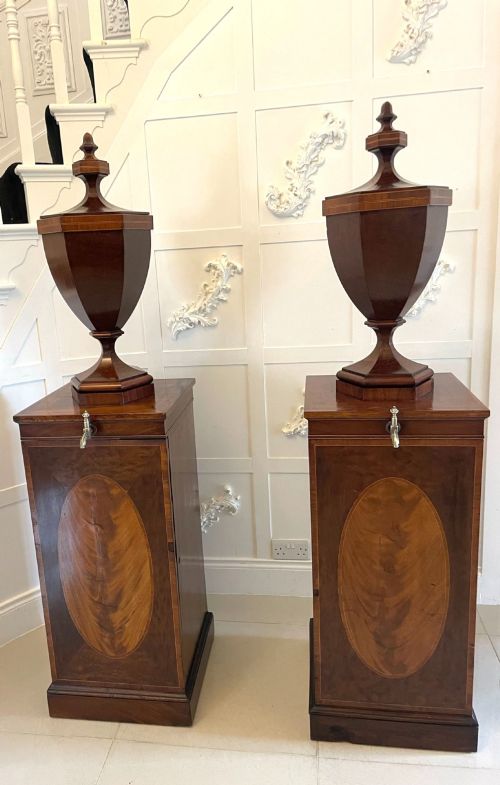
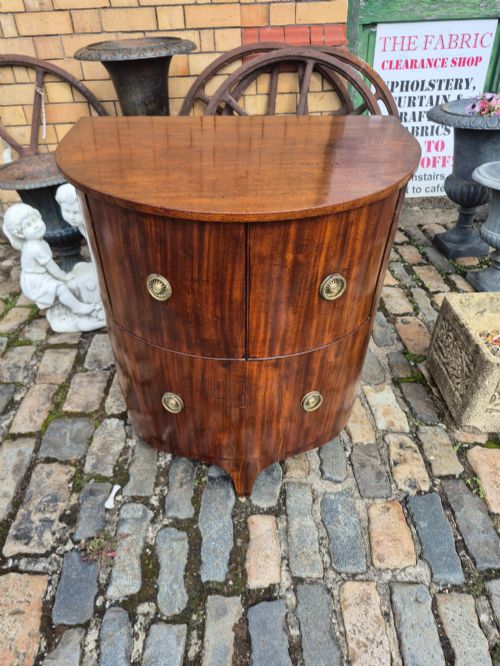
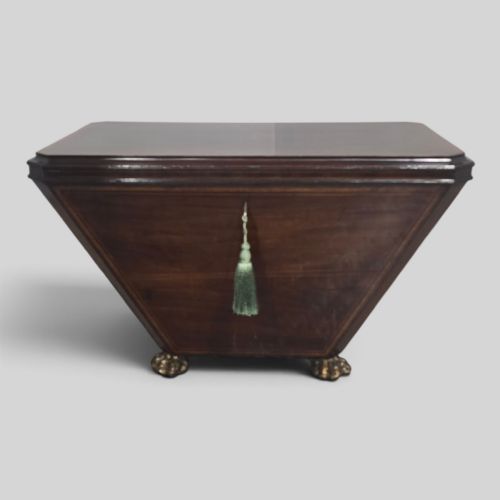
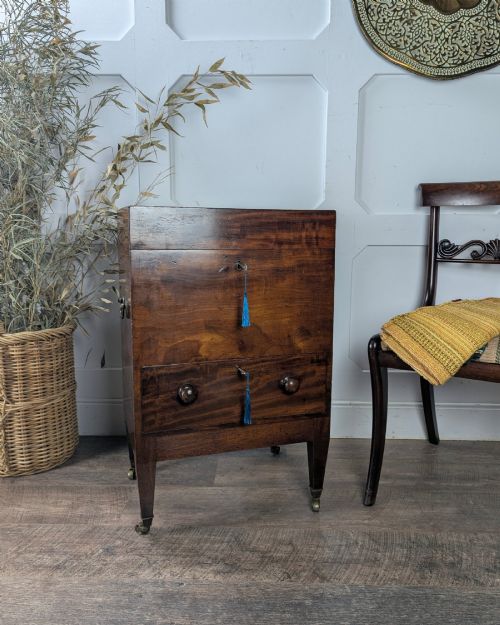
A mahogany wine cellarette is a traditional vessel engineered to store and chill wine bottles within large dining spaces. These pieces span periods from the Georgian era through the Regency and Victorian periods, manifesting in forms such as octagonal bins, sarcophagus chests, and pedestal urns.
Originating in grand country houses, these objects stood near the dining table to hold bottles ready for service. Their robust construction allowed them to survive centuries of movement between the cellaring rooms and the dining parlour.
How they were made
Makers utilised dense timbers, predominantly solid or flame mahogany, sometimes enriched with boxwood inlay, ebonised wood, or ormolu mounts. The structural stability relied on skilled joinery, often incorporating coopered stave construction to handle moisture and weight.
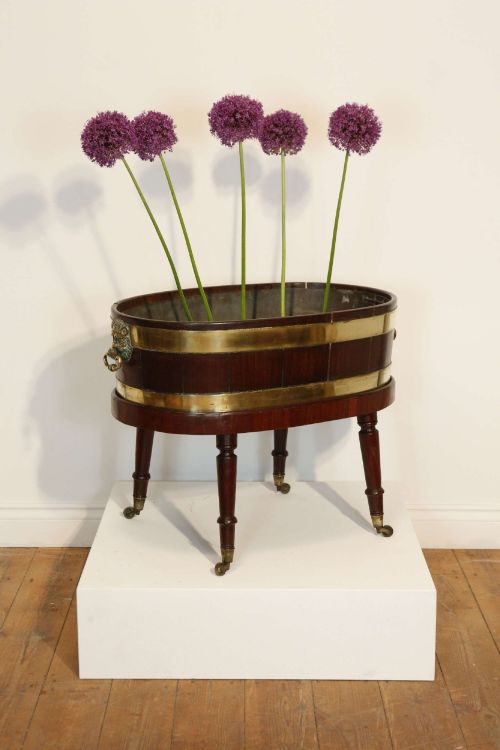
Metal components played a critical functional role, with heavy brass bands securing the wooden staves and lead or zinc liners fitted inside to hold melting ice. Fine brass handles and lion mask rings were cast and applied to facilitate lifting these substantial items.
Mahogany Wine Cellarette Retail Price Guide 2026
Typical asking prices for mahogany wine cellarette among the pieces listed under this phrase on Sellingantiques today, from the lower quarter to the upper quarter. They describe what is for sale here now, not the wider market.
What varies in quality
The standard of a piece rests heavily on the selection of timber, particularly the grain figuration seen in flame mahogany veneers and the crispness of any boxwood inlay. Superior examples retain their original internal metal liners and functional brass castors, whereas lesser pieces often show replacement hardware or split staves.
Proportion and classical detailing separate standard utilitarian boxes from high-status cabinet work. Pieces attributed to prominent makers exhibit refined carving, such as reeded pillar supports or finely cast ormolu mounts, rather than simple geometric banding.
Edwards and Roberts·Gillows·Gillingtons
The Mahogany Wine Cellarette Glossary
- Cellarette
- A lockable container used for storing wine bottles near the dining table. They typically feature internal divisions to separate individual bottles.
- Sarcophagus
- A classical chest form with a sloping lid and flared base, popular during the Regency period. This shape often mimics ancient stone tombs on a domestic scale.
- Coopered
- Constructed using vertical wooden staves bound together with metal hoops, a technique borrowed from barrel-making. This method accommodated the expansion and contraction of wood filled with ice.
- Jardinière
- An ornamental stand or container designed to hold potted plants or flowers. Many wine coolers were later converted to this domestic use.
Mahogany Wine Cellarette: Frequently Asked Questions
What is a mahogany wine cellarette?
A mahogany wine cellarette is a dedicated storage chest designed to hold wine bottles near the dining table, often incorporating a metal lining for ice.
These pieces were essential dining room furnishings in large houses during the eighteenth and nineteenth centuries.
How were cellarettes used?
Servants used them to store wine at the correct temperature before service, keeping bottles secure and chilled during long meals.
They stood on the floor beside the dining table, often featuring internal compartments to separate individual bottles.
How do I tell George III from Regency pieces?
George III pieces frequently feature oval shapes with straight brass banding and delicate boxwood stringing. They lean towards lighter, more restrained neoclassical lines.
Regency examples often adopt the heavier sarcophagus form with carved paw feet, bold brass ring handles, and classical architectural motifs.
Did cellarettes always hold wine?
While primarily built for wine storage, many examples served alternative purposes as plate warmers or spirits cases. Over time, numerous pieces were converted into plant stands or log baskets.