
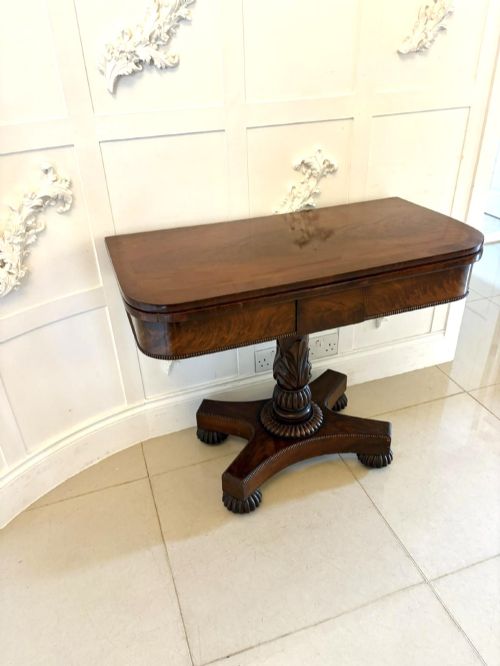
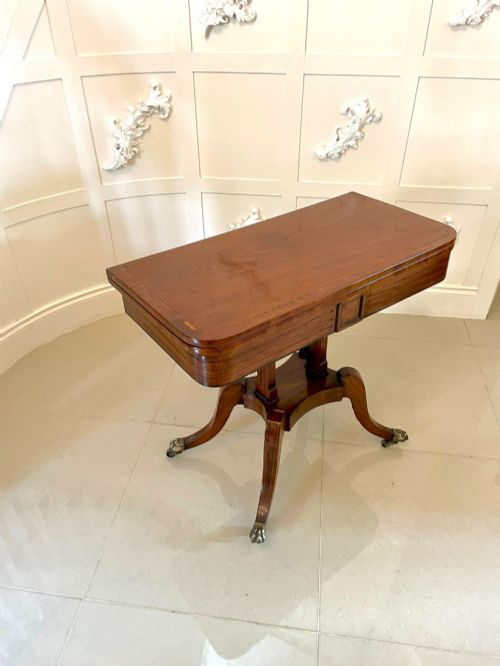
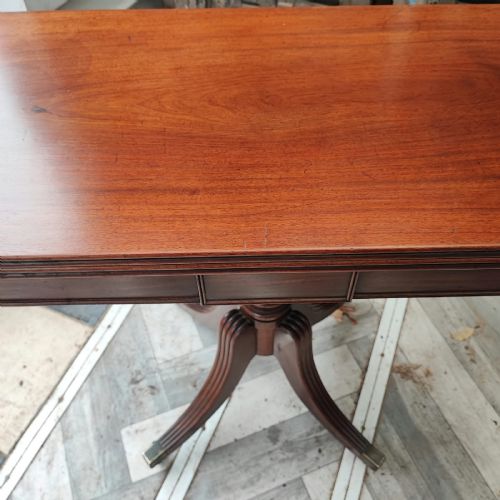
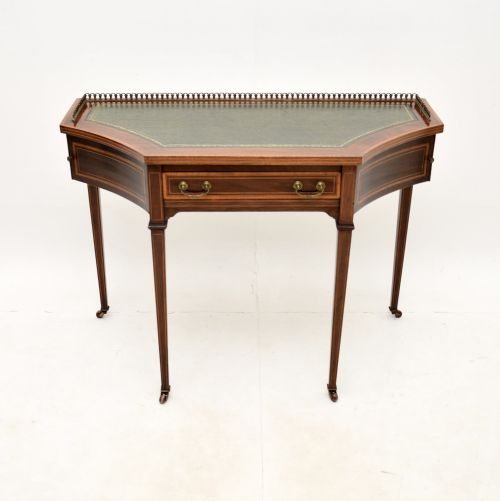
Mahogany Top Console Table
When you trace the lineage of a mahogany top console table, you find a sturdy frame of timber paired with stone, leather, or folding timber surfaces designed for display and service.
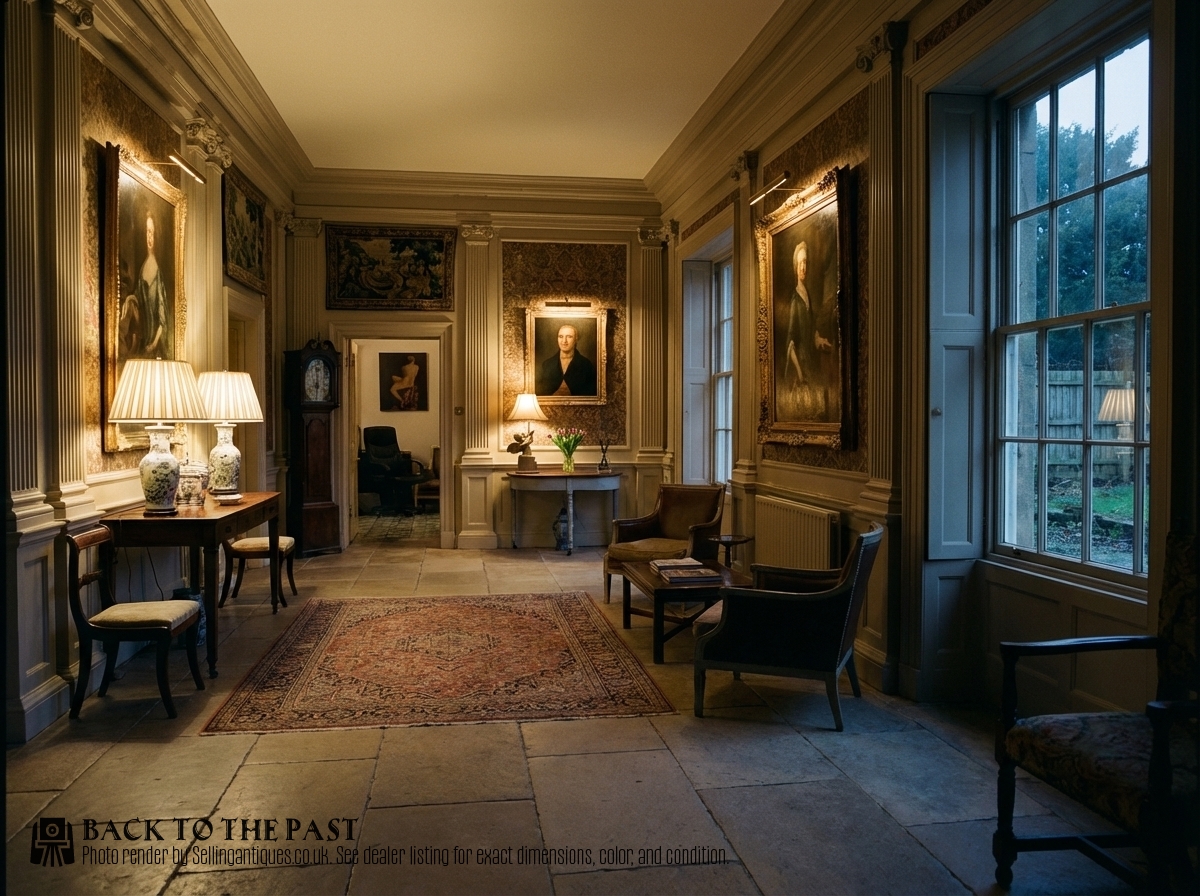
Mahogany Top Console Table
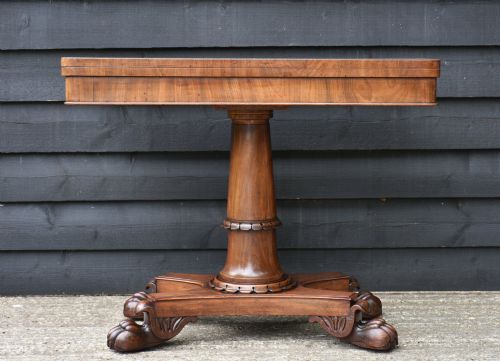
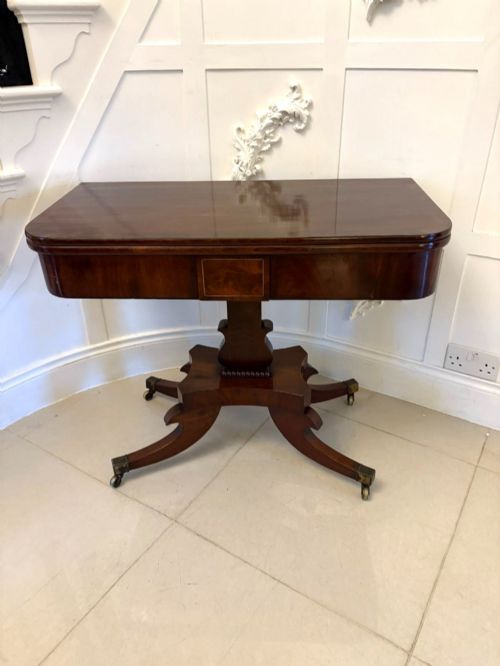
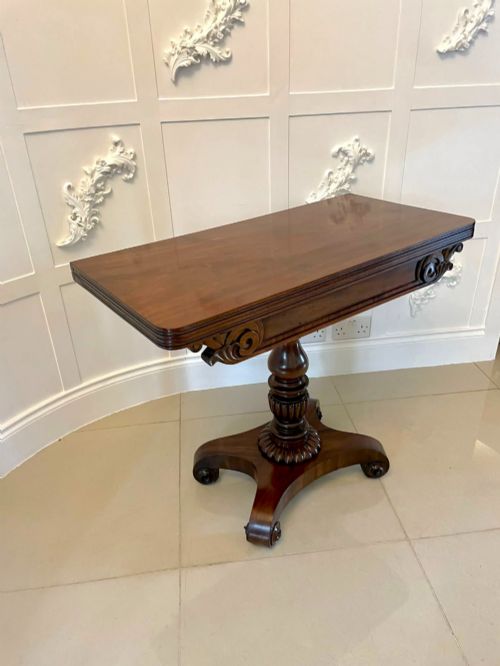
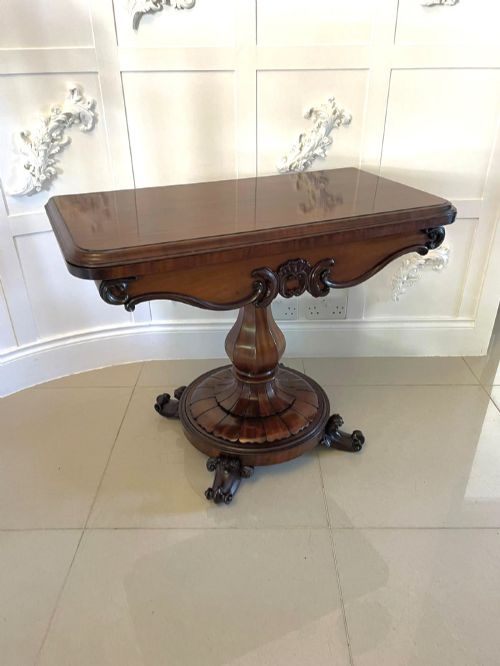
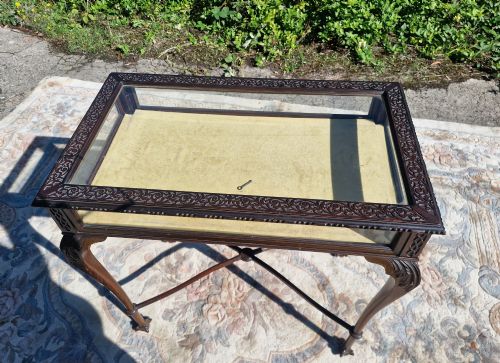
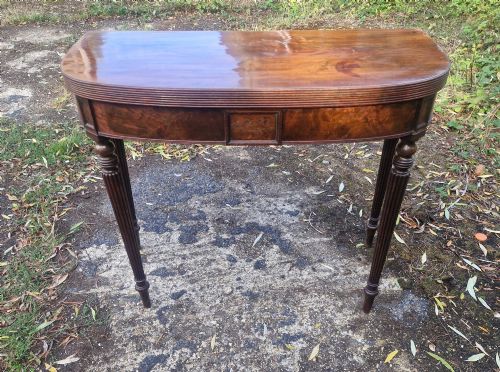
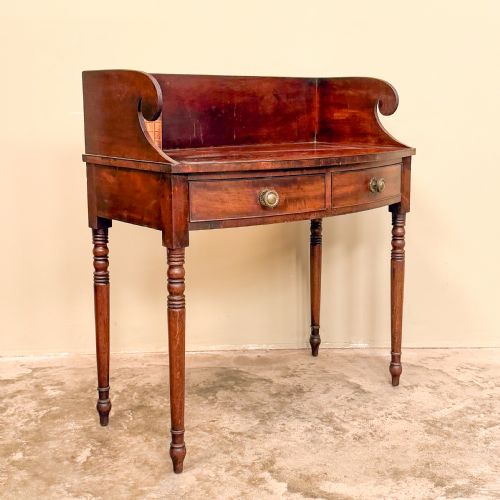
A mahogany top console table bridges the gap between architectural support and domestic service, appearing across Georgian, Regency, and Victorian periods as side tables, card tables, and tea tables.
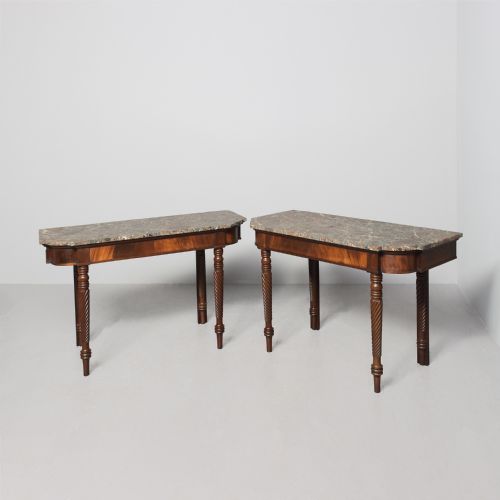
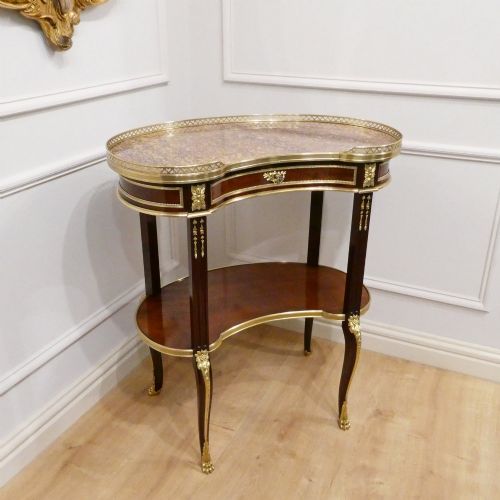
Many examples in this collection feature marble, stone, or leather inset surfaces alongside traditional timber folding leaves, originating from English workshops and French cabinet-makers alike.
Buyers encounter forms ranging from simple D-shaped wall tables to elaborate French Empire pier tables, reflecting shifts in interior arrangement from the eighteenth century into the Edwardian era.
How They Were Made
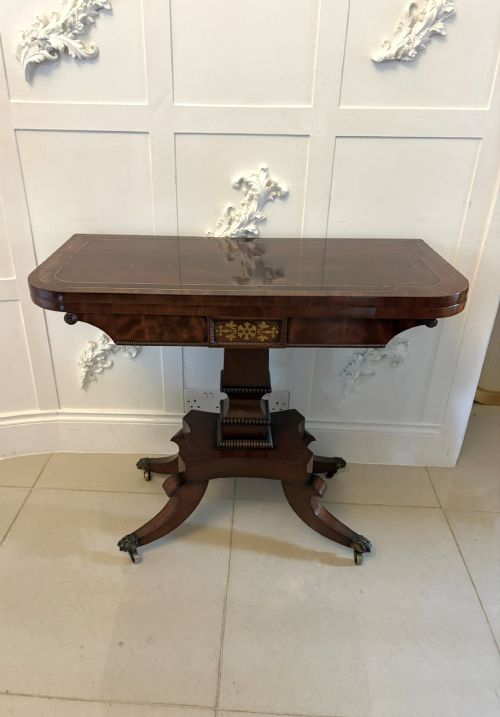
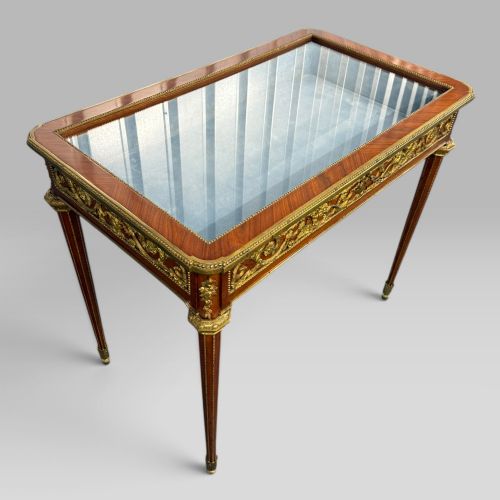
Cabinet-makers selected solid timber and figured veneers, often applying brass inlay, ormolu mounts, and satinwood stringing to accentuate the grain.
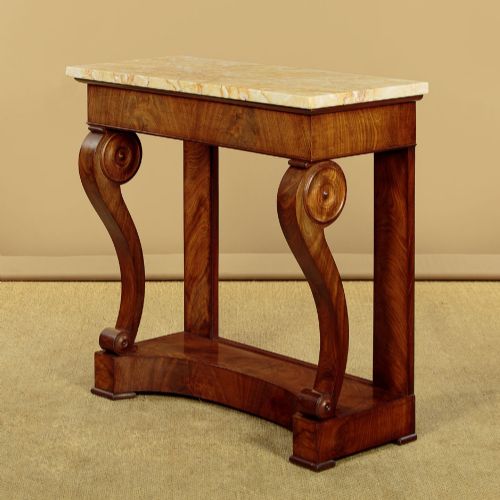
Heavy marble and stone slabs rest directly upon mahogany frames, while folding card and tea tables rely on intricate pivot hinges and stable leg configurations.
Listings feature periods spanning from Georgian and Regency to Victorian and Edwardian eras, uniting English cabinet work with French styles.
What Varies in Quality
The selection of timber grain dictates much of the visual weight, with highly figured flame mahogany and matched veneers sitting above plain stock boards.
Joinery execution in the underframe and the precision of brass inlay or carved mouldings separate standard production items from workshop pieces bearing maker stamps.
Maison Millet·François Linke·Krieger Paris·Gillows·Lamb of Manchester
The Mahogany Top Console Table Glossary
- Console table
- A table designed to stand against a wall, frequently secured to the structure or fitted with a stone top. These pieces served as decorative sideboards or serving surfaces in formal reception rooms.
- Figured mahogany
- Timber exhibiting distinctive natural patterns such as flame or fiddleback waves. Cabinet-makers reserved these prized sections for primary display surfaces.
- Fold-over top
- A hinged table surface that opens to double its area for card games or tea service. The secondary flap often rests on a swing leg or a pivoting frame.
- Ormolu
- Gilded bronze mounts applied to furniture for decorative enrichment. French workshops utilised this technique extensively during the nineteenth century.
- Pier table
- A low table built specifically to sit against the wall space between windows. They frequently incorporated marble tops and mirror backs to reflect light.
Mahogany Top Console Table: Frequently Asked Questions
Where should I place a console table?
These tables suit hallways, living rooms, and dining spaces where a shallow surface is required against a wall. They provide an ideal landing space for decorative objects or lamps without obstructing walkways.
Because many feature finished backs or wall fixings, checking the original placement context helps determine the best spot in a modern interior.
How do I care for a marble top?
Marble surfaces require simple wiping with a damp cloth and mild soap, avoiding acidic cleaning agents that etch the stone. Placing coasters beneath glasses prevents liquid rings from forming on polished surfaces.
Routine dusting preserves the natural sheen of the stone without wearing down the historic finish.
What is the difference between a console and a side table?
Console tables traditionally stood against a wall, sometimes anchored to it, and frequently incorporated heavy marble or stone tops. Side tables were built for more general placement around a room and usually featured matching timber tops.
Over time, the terms began to overlap as makers adapted forms for various domestic uses.
How do I identify a Regency piece?
Regency items often display classical restraint, incorporating brass inlay, sabre legs, and dark mahogany timber. Proportion and clean lines define the style, which emerged during the early nineteenth century.
Comparing leg turning and hardware styles against dated examples helps confirm the period of manufacture.