
Mahogany Snap Top Table
These mahogany snap top table pieces combine clever folding mechanisms with rich timber surfaces, offering collectors both practical utility and classic 18th-century design.
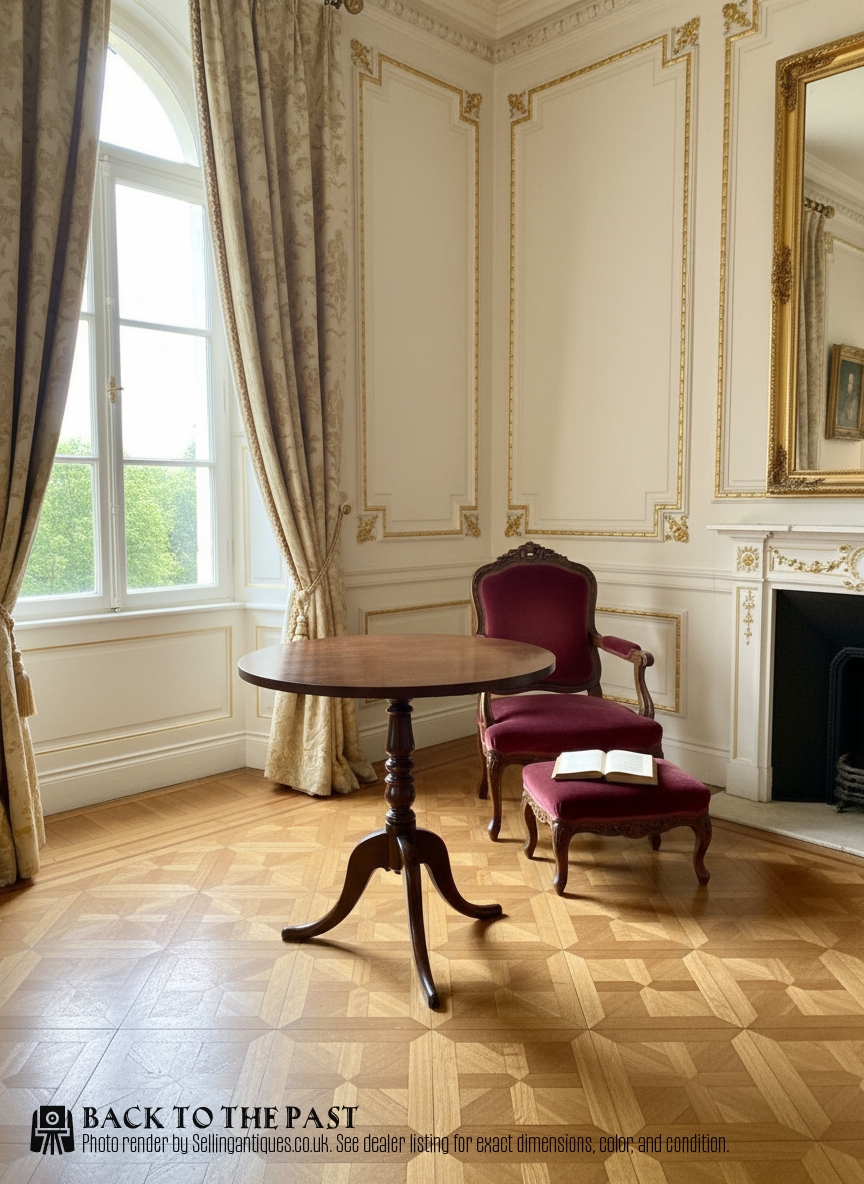
Mahogany Snap Top Table
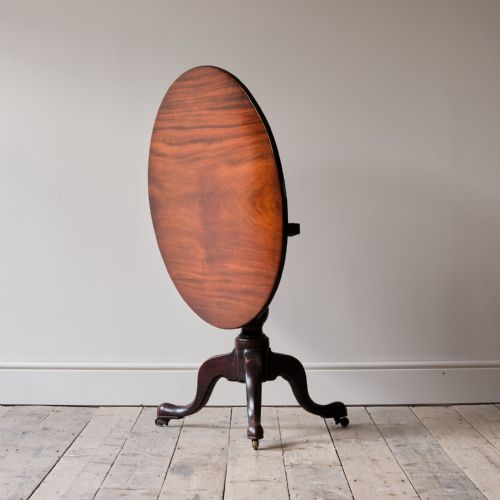
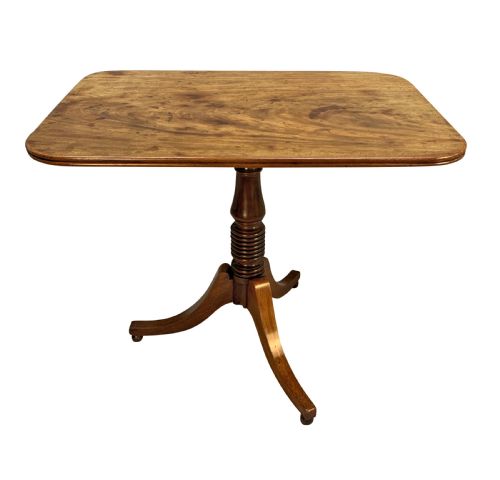
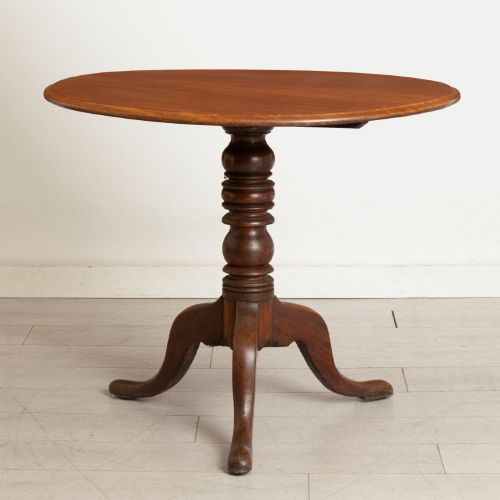
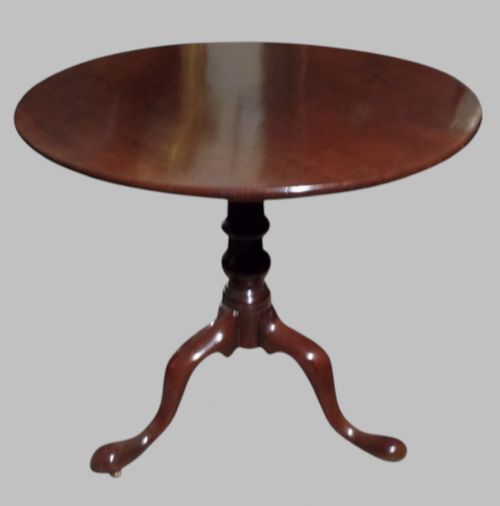
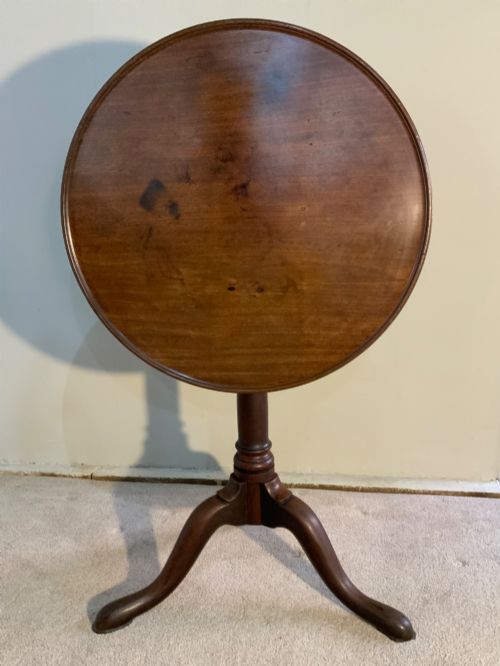
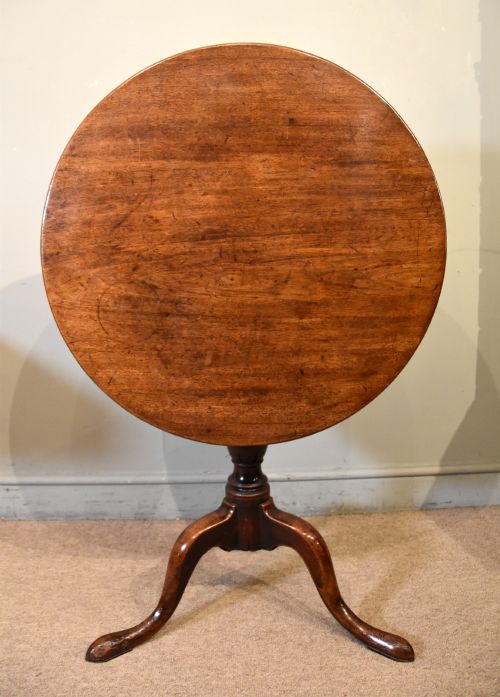
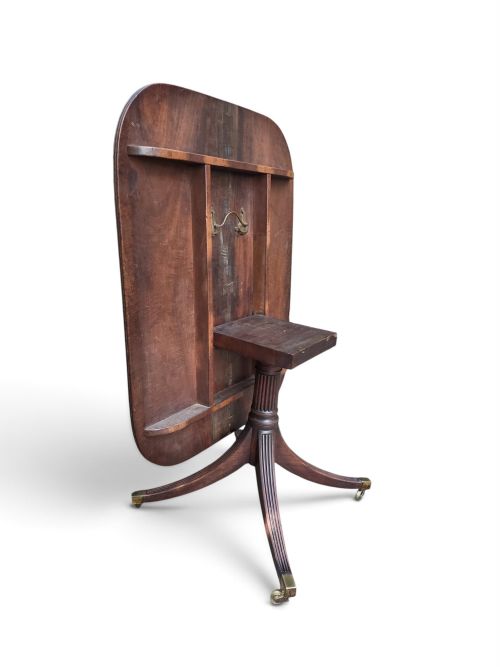
A mahogany snap top table is a versatile form designed to tilt vertically when not in use, saving valuable floor space in historical interiors. The listings show these pieces appearing across multiple periods, most notably the Georgian and Regency eras, alongside later Victorian and Edwardian iterations.
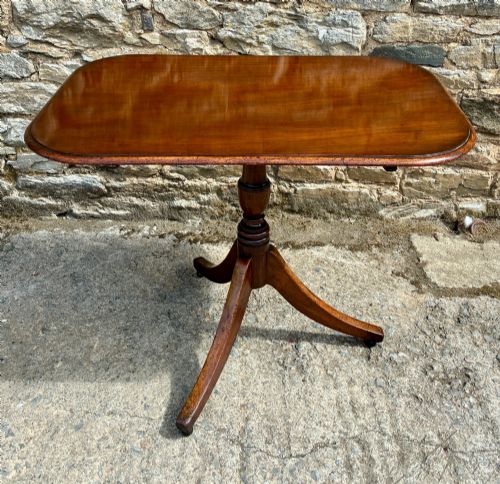
The form spans a variety of specific uses, from compact wine and occasional tables to larger dining and breakfast surfaces supported by tripod bases or central pillars.
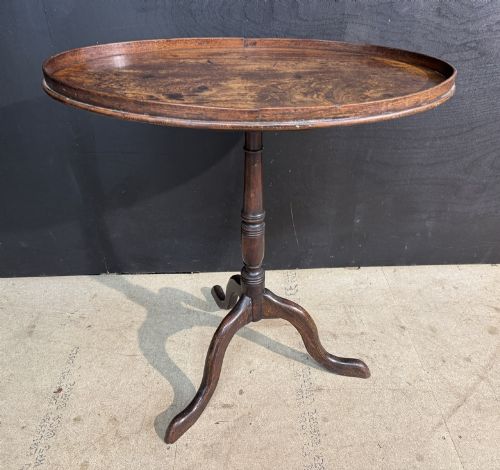
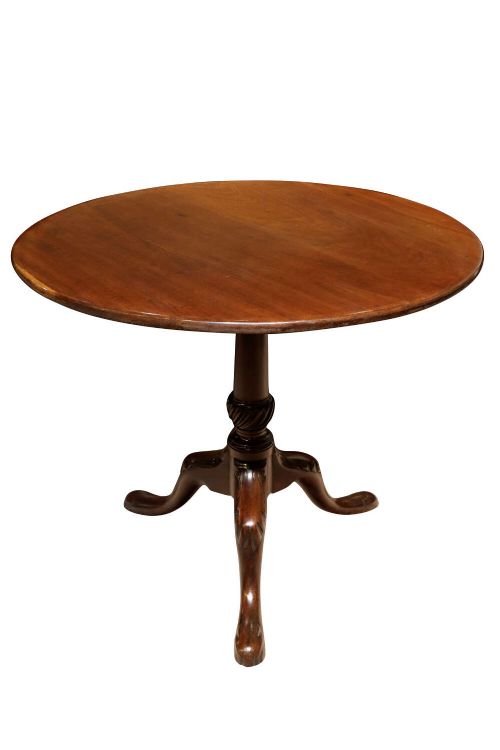
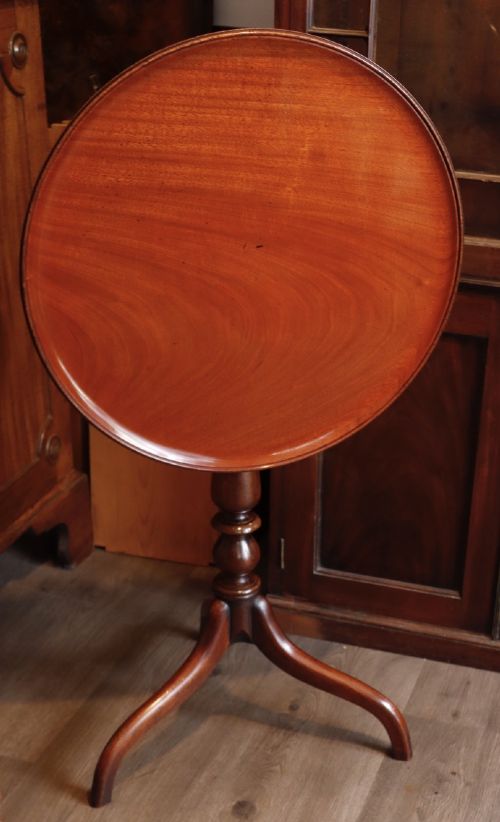
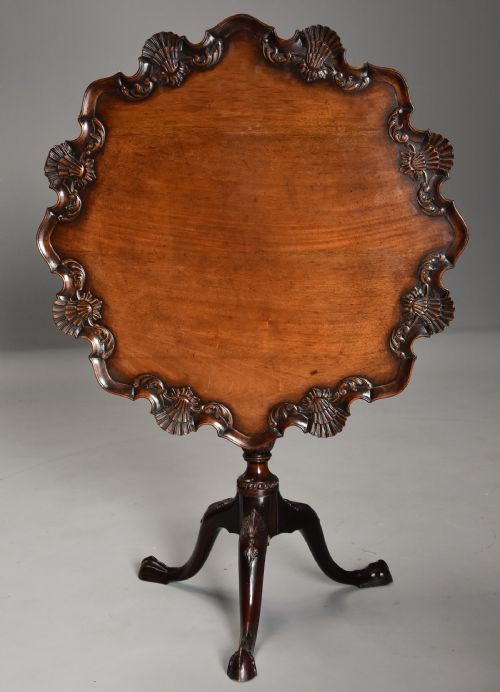
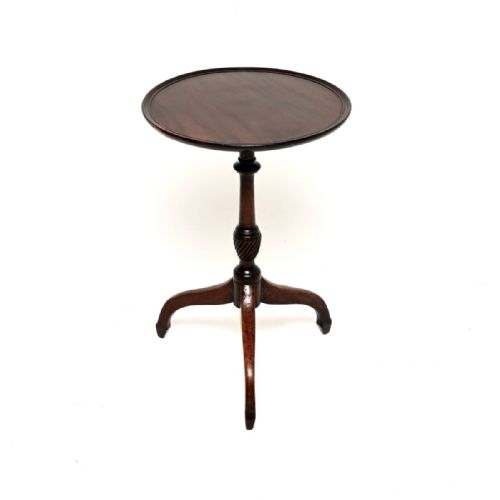
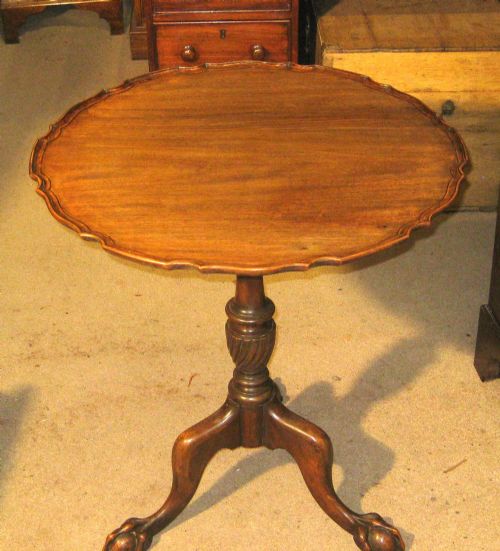
Buyers will encounter simpler circular tops alongside refined piecrust edges and tray tops, frequently associated with traditional tripod constructions.
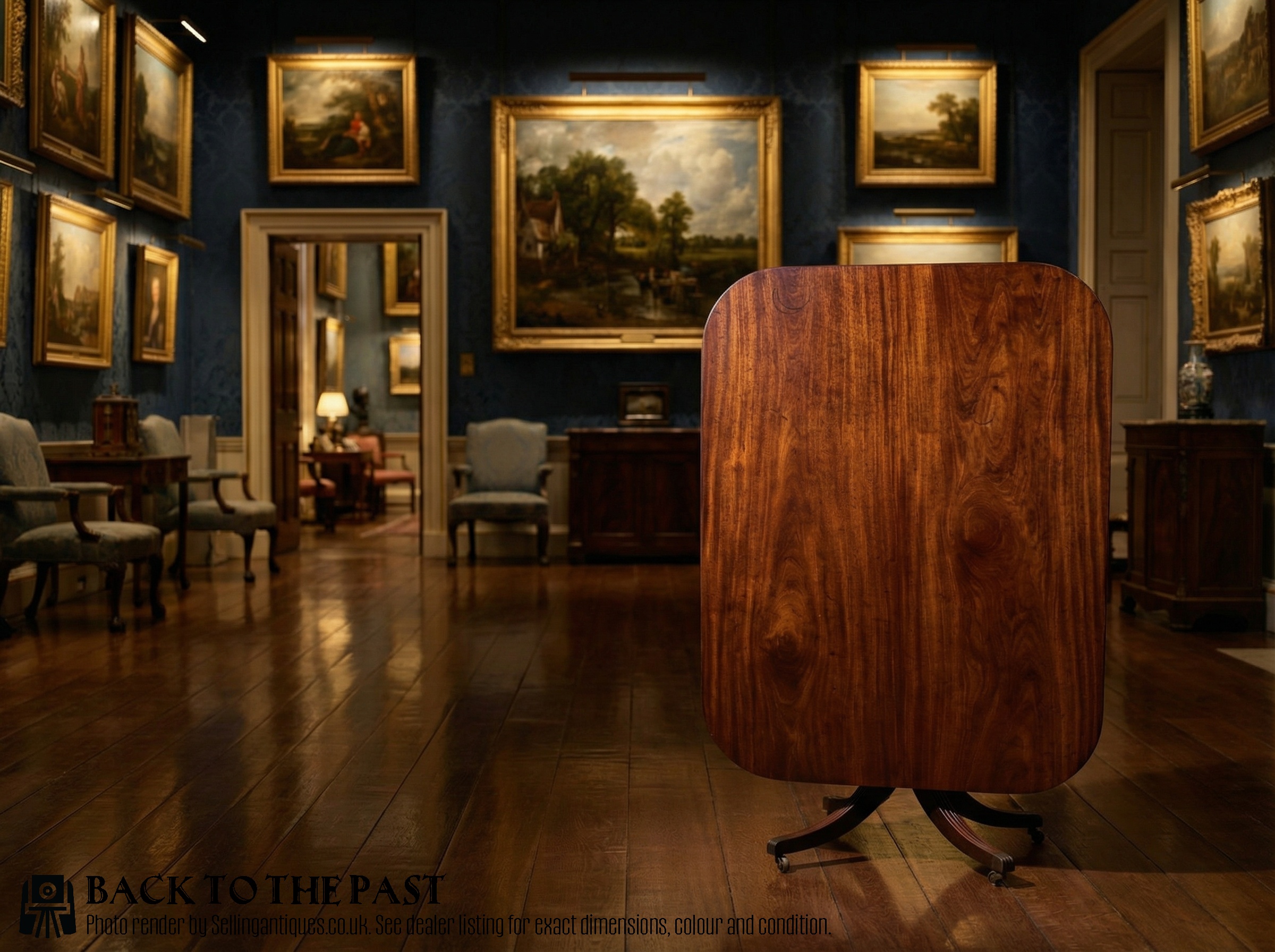
How they were made
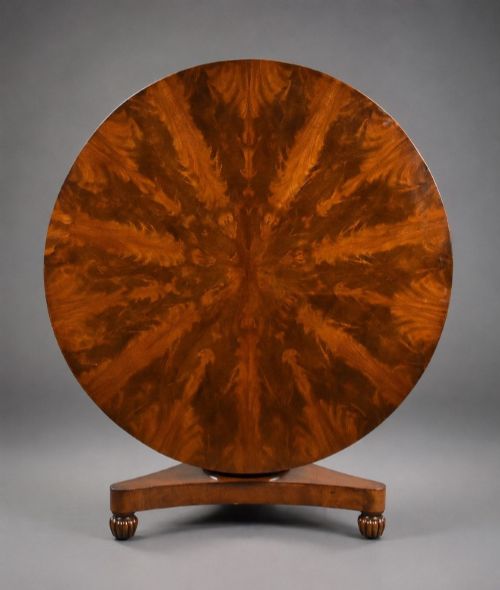
Cabinetmakers utilised dense solid timbers like Cuban mahogany and flame veneer to create striking, figured surfaces on the circular tops.
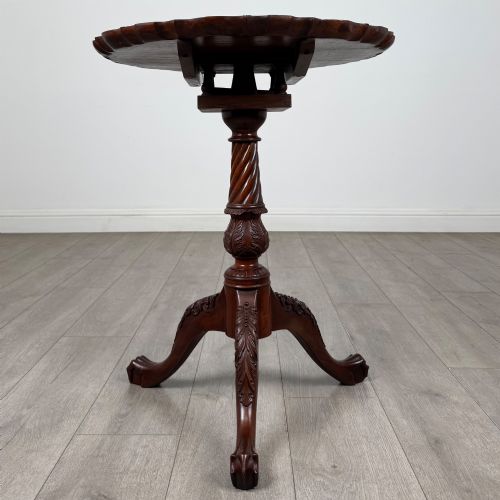
Structural integrity relied on clever pivoting mechanisms, sometimes incorporating a rotating top or a birdcage block that allowed the surface to both tilt and revolve.
Mahogany Snap Top Table Retail Price Guide 2026
Typical asking prices for mahogany snap top table among the pieces listed under this phrase on Sellingantiques today, from the lower quarter to the upper quarter. They describe what is for sale here now, not the wider market.
Some examples feature revolving tops alongside the tilting action, giving 18th-century tea drinkers an early spin on convenience.
What varies in quality
The distinction between standard examples and the finest pieces rests upon the figuring of the mahogany grain and the depth of carving on the tripod pillar.
Superior execution shows in the crispness of turned columns and the precise fit of the tilting catch mechanism beneath the tabletop.
The Mahogany Snap Top Table Glossary
- Snap top
- A tabletop mounted on a hinge mechanism that locks horizontally for use and tilts vertically for storage. This clever design allowed tables to stand flat against walls when not in service.
- Tilt top
- An alternative descriptive term for a table equipped with a pivoting mechanism. Many examples in the evidence use this interchangeable terminology.
- Birdcage
- A timber box frame beneath the tabletop that permits the surface to both tilt and revolve independently of the central column. This adds considerable complexity to the mechanism.
- Tripod base
- A support structure featuring three legs radiating from a central turned pillar. It provides stable footing for smaller occasional and tea tables.
- Piecrust edge
- A decorative raised border carved directly into the solid mahogany tabletop with undulating curves. This ornamental detail appears on select 18th-century examples.
Mahogany Snap Top Table: Frequently Asked Questions
What is a mahogany snap top table?
A mahogany snap top table is a circular or occasional piece featuring a hinged mechanism that allows the surface to tilt vertically. This design enabled the table to be stored flat against a wall when not in use.
The listings demonstrate that these pieces were produced extensively during the Georgian and Regency periods, continuing into Victorian and Edwardian times.
How did people use these tables historically?
These pieces served multiple functions in domestic interiors, operating as tea tables, wine tables, or occasional surfaces for lamps and books. Larger versions functioned as dining or breakfast tables that could seat several people.
Because the tops folded away, they freed up floor space in formal sitting rooms and parlours when dining or entertaining concluded.
What is a birdcage mechanism?
A birdcage is an internal wooden framework situated just beneath the tabletop that allows the surface to both tilt and revolve. This engineering feature is typically found on higher-status Georgian examples.
It grants the user greater flexibility when interacting with the table during tea service or reading.
How do I identify a Georgian snap top table?
Georgian examples are usually distinguished by solid mahogany construction, often utilising dense Cuban timber, paired with hand-turned tripod columns and cabriole legs. Details like carved birdcage supports or subtle wood inlay point toward this 18th-century origin.
Later Victorian and Edwardian revivals often incorporate heavier pedestals or different base formations while retaining the core tilting action.