

Mahogany Miniature Drawers
Mahogany miniature drawers are small, scaled-down chests and cabinets crafted to demonstrate skill or store small treasures.
Mahogany Miniature Drawers
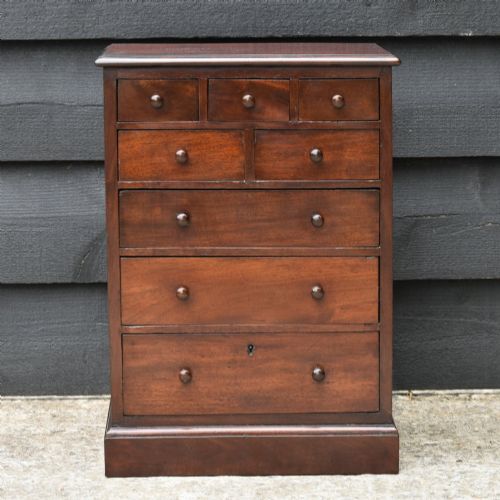
When you search for mahogany miniature drawers, you encounter compact chests of drawers, apprentice pieces, and tabletop specimen cabinets originating from the eighteenth and nineteenth centuries. These items reflect full-sized furniture styles of their respective eras, including Georgian, Regency, and Victorian designs.
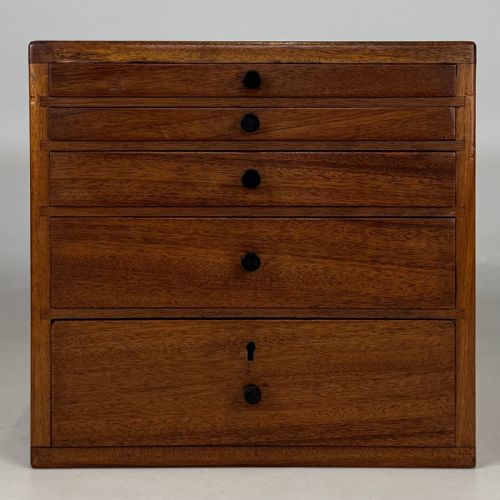
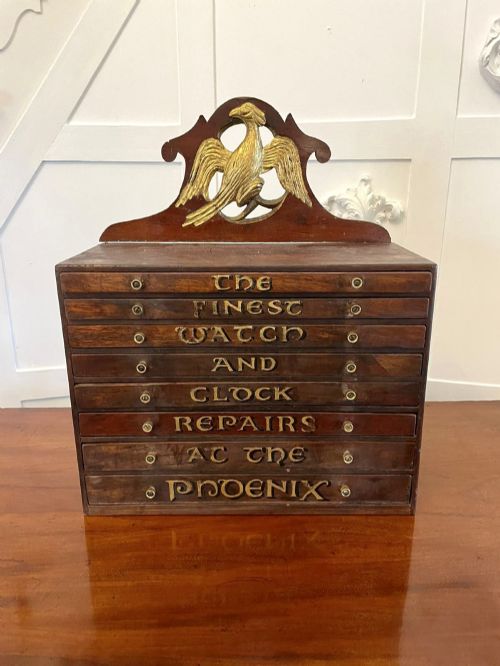
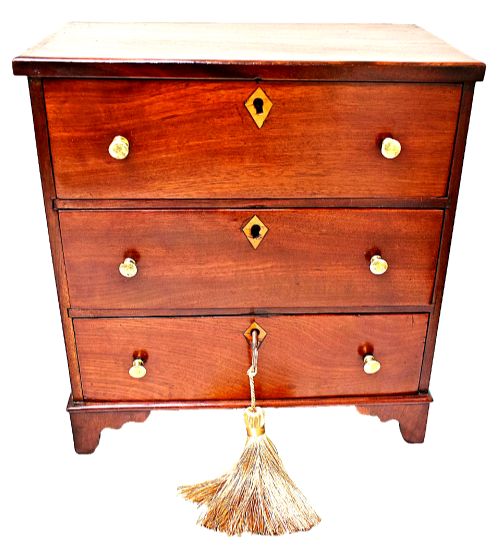
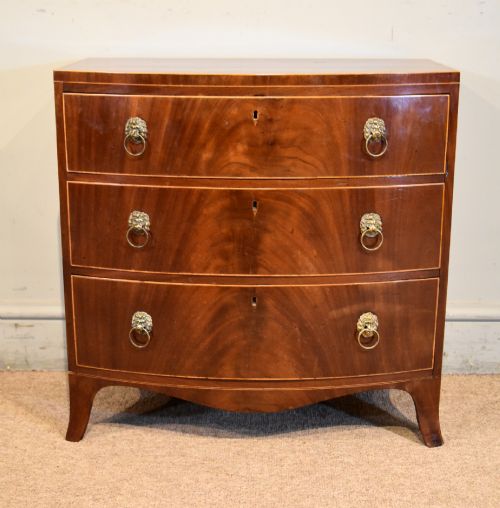
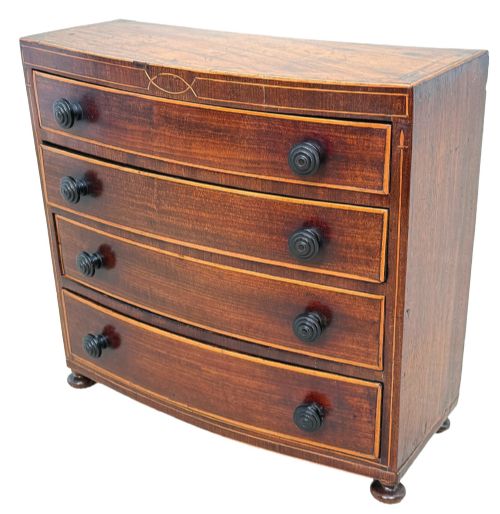
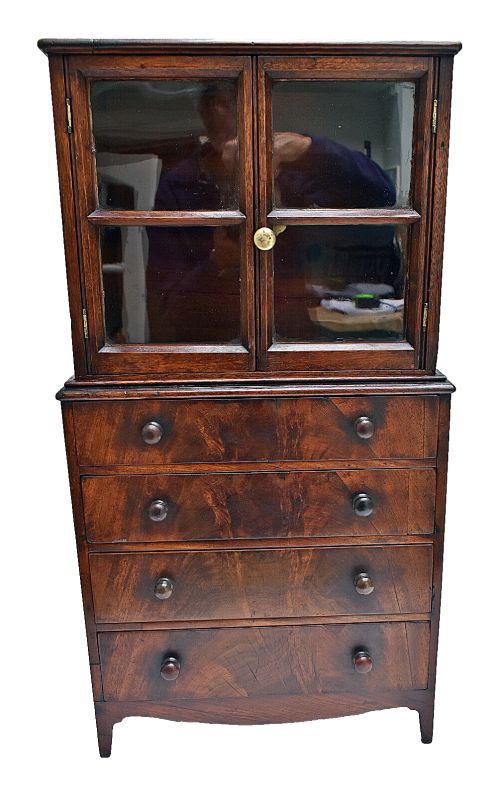
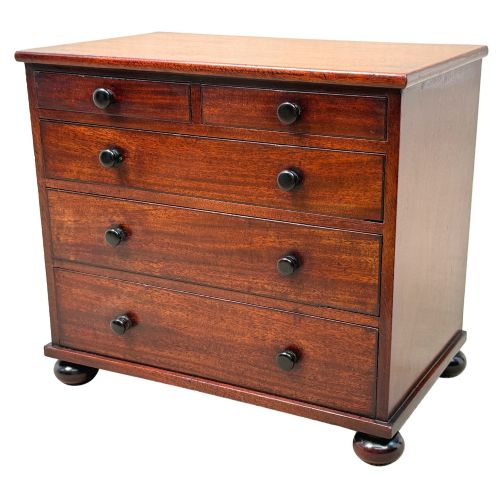
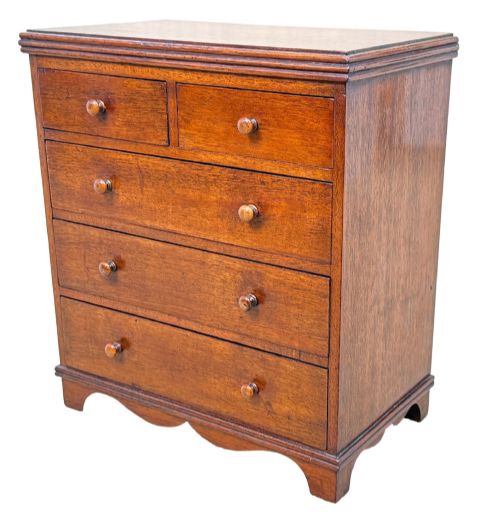
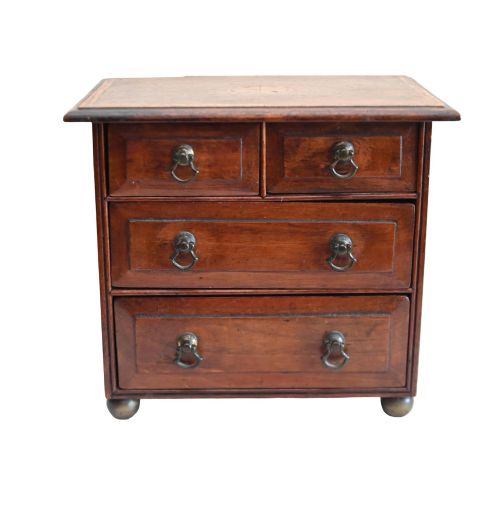
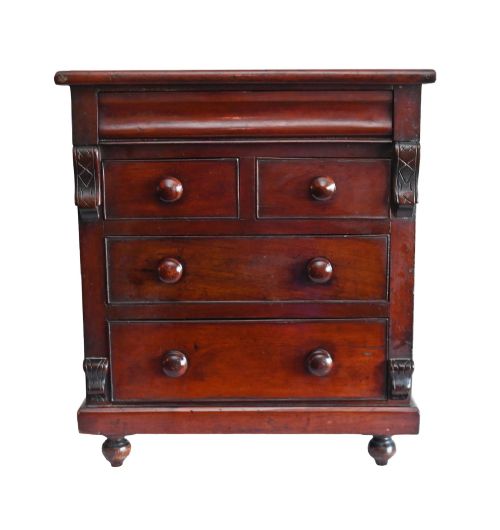
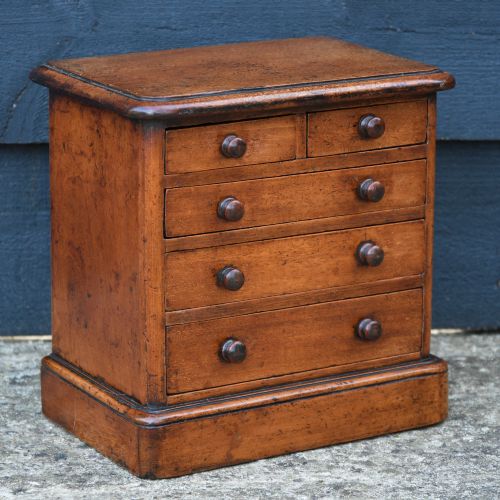
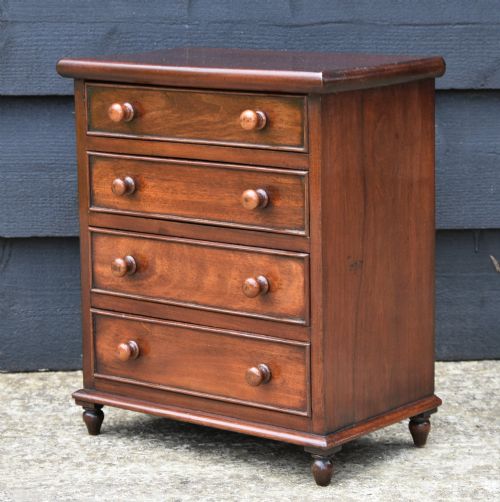
The version you are most likely to meet on this page is the Victorian or Georgian miniature chest of drawers, often constructed with multiple small drawers and resting on bracket or turned feet. Alongside standard chests, the evidence includes specialised forms such as Wellington chests, campaign chests, and multi-drawer collectors cabinets.
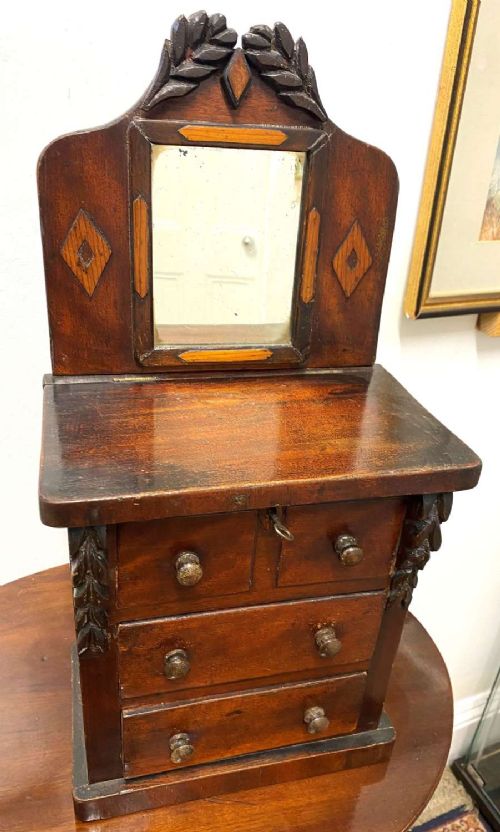
Many of these small pieces carry traditional designations like apprentice pieces, salesman samples, or trinket storage chests. They serve as desktop storage or display items, mirroring the proportions and joinery of domestic furniture on a fraction of the scale.
Materials and construction methods
Makers built these pieces primarily using mahogany timber, often combined with secondary woods such as oak and pine for drawer linings and internal framing. Fine grain and rich figure were prioritized to give the miniature scale the presence of larger furniture.
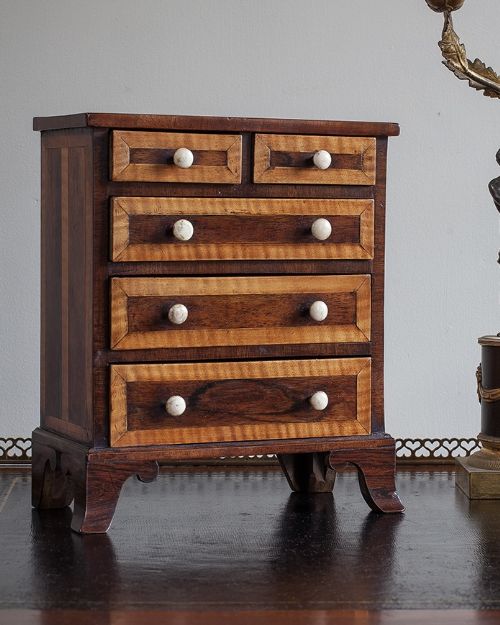
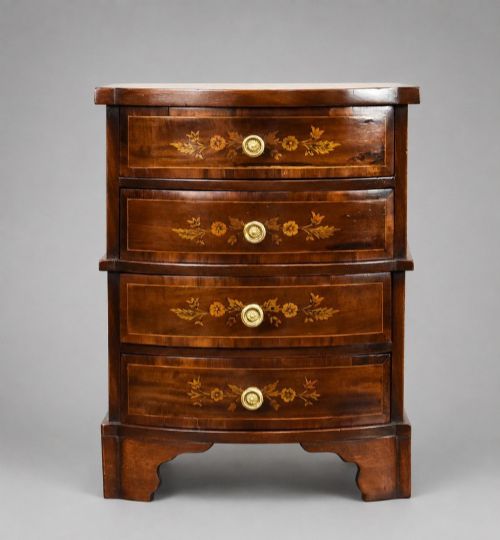
Construction techniques mirror standard period cabinet making, utilising dovetail joints for the drawers and hand-turned feet. Details such as brass pulls, bone escutcheons, mother-of-pearl inlay, and gilt bronze mounts appear across various examples from the Georgian to the Edwardian periods.
Mahogany Miniature Drawers Retail Price Guide 2026
Typical asking prices for mahogany miniature drawers among the pieces listed under this phrase on Sellingantiques today, from the lower quarter to the upper quarter. They describe what is for sale here now, not the wider market.
Listings span the eighteenth, nineteenth, and early twentieth centuries, encompassing Georgian, Regency, Victorian, and Edwardian periods.
Evaluating craftsmanship and proportion
The distinction between ordinary and superior pieces lies in the crispness of the joinery and the selection of the mahogany veneer. Higher quality examples display tight dovetails, well-balanced proportions, and a warm, natural patina on the wood surface.
Refinement in secondary details elevates a piece, such as precise brass hardware, delicate stringing, or secret locking drawers. Pieces executed with strict adherence to full-scale architectural rules demonstrate the highest level of maker proficiency.
The Mahogany Miniature Drawers Glossary
- Apprentice piece
- A small item of furniture created by a craftsman to demonstrate mastery of a trade and earn official guild status. These items replicate full-sized forms with precise miniature joinery.
- Bow front
- A cabinet or chest front that curves outward in a convex shape. This style appears frequently on Regency and Victorian miniature chests.
- Specimen cabinet
- A specialised storage unit containing numerous shallow drawers designed for holding natural history collections, slides, or small objects. Examples in the evidence feature up to twenty-eight drawers.
- Wellington chest
- A tall, narrow chest of drawers secured by a hinged locking side pilaster bar. This distinct form occurs in nineteenth-century mahogany iterations.
- Caddy top
- A raised, moulded cabinet top resembling the lid of a tea caddy. This decorative top edge surfaces on select pieces from around eighteen hundred.
Mahogany Miniature Drawers: Frequently Asked Questions
What were miniature drawers actually used for?
Cabinetmakers originally produced these small chests as masterworks to prove skill or as salesmen samples to show clients furniture designs without transporting heavy items.
Over time, owners repurposed them for domestic desktop storage, holding jewellery, trinkets, letters, or small collections.
How do I date a mahogany miniature chest?
Dating relies on observing the prevailing style, secondary woods, and construction markers typical of specific eras. Georgian and Regency pieces often show simpler flush tops and bracket feet, while Victorian examples introduce heavier turned feet and bolder mouldings.
Hardware styles, dovetail tightness, and inlay materials also offer clear chronological clues.
Are apprentice pieces and miniature chests the same thing?
The terms overlap frequently in trade descriptions, though their exact origins differ. Apprentice pieces specifically denote skill tests created by learners, while miniatures also include commercial sales samples and private hobbyist work.
Regardless of the original workshop intent, both share the same meticulous small-scale construction.
How should I care for antique mahogany miniature furniture?
Protect the wood by keeping the piece away from direct sunlight and steady heat sources that can dry out the mahogany and crack the veneer.
Dust gently with a dry, soft cloth and avoid applying modern liquid polishes to preserve the historical patina.