
Mahogany Hanging Wall Cupboard
A mahogany hanging wall cupboard offers a practical storage solution that makes the most of unused room corners.
Mahogany Hanging Wall Cupboard
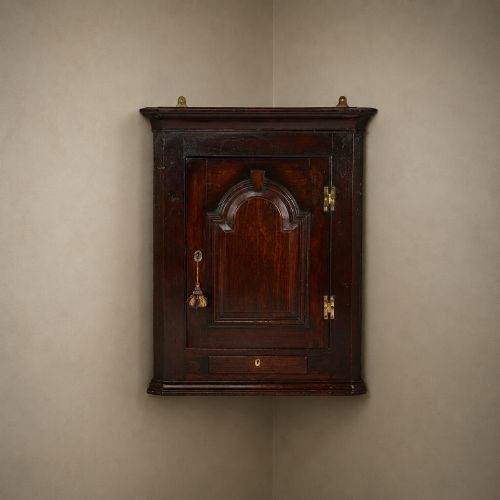
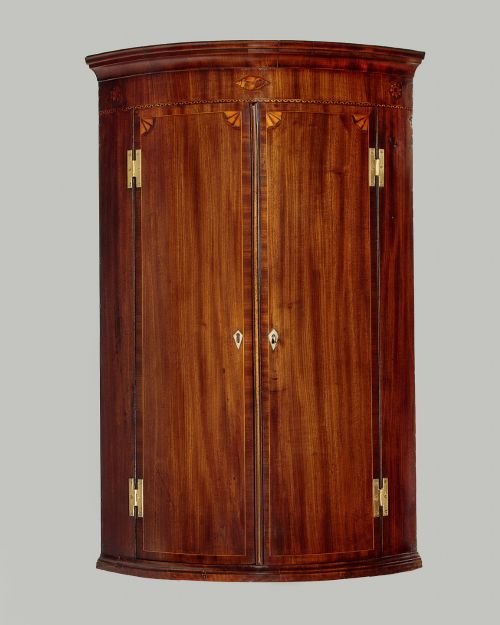
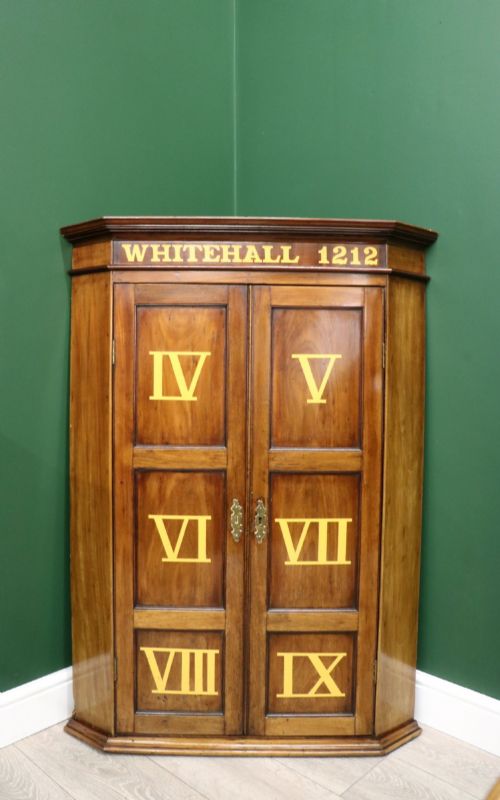
A mahogany hanging wall cupboard is a storage piece designed to mount directly onto a wall, often shaped to fit corner spaces efficiently. The pieces seen most frequently on this page date from the Georgian and 18th century periods, alongside later Edwardian examples.
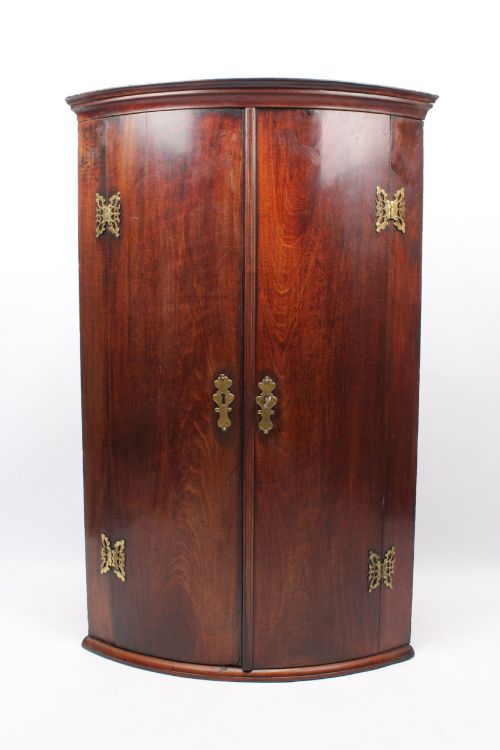
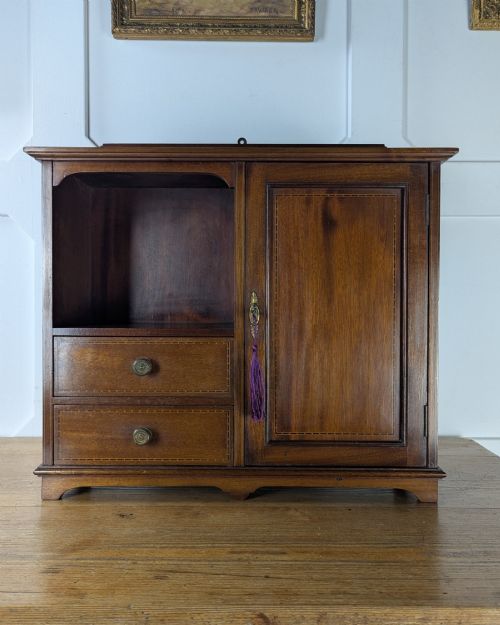
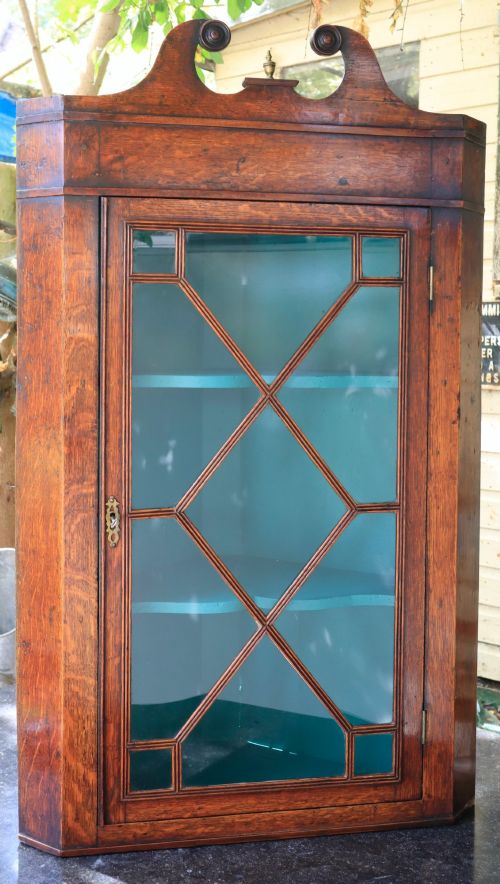
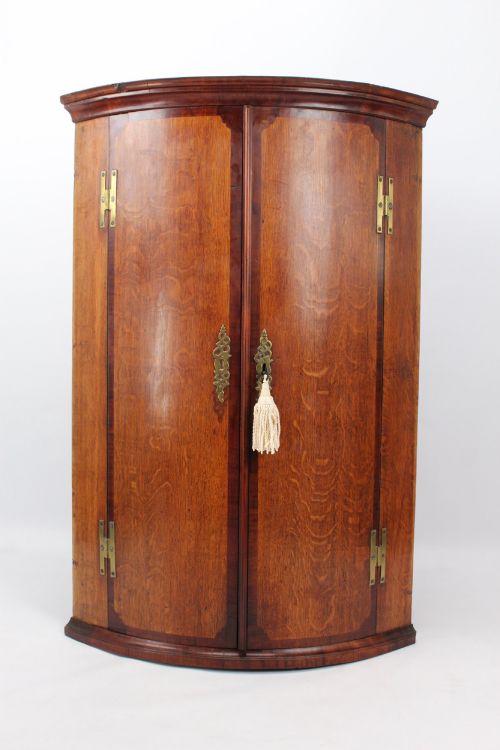
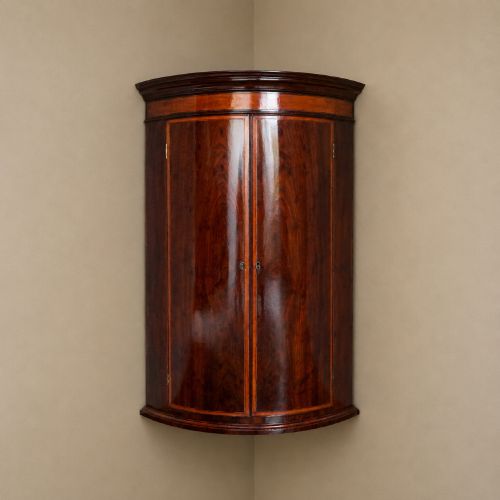
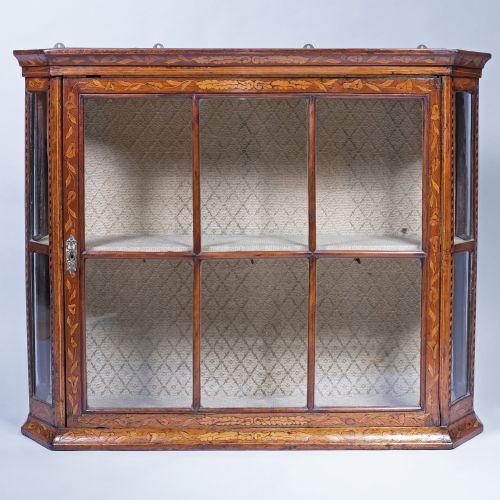
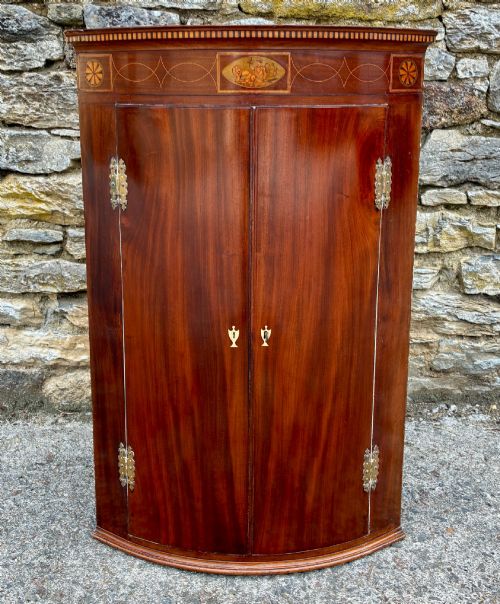
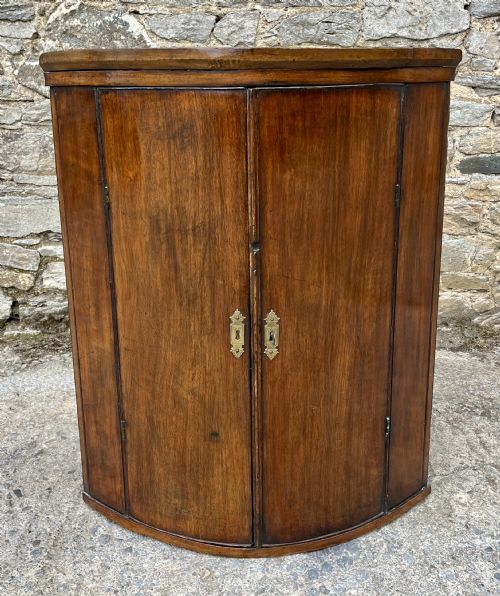
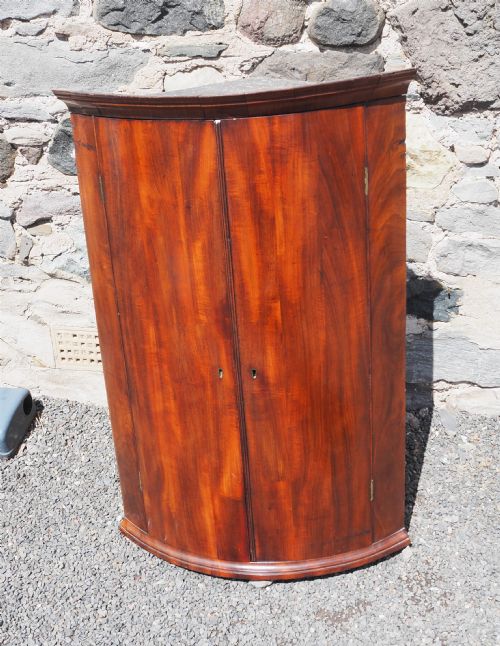
Makers constructed these cabinets primarily as corner cupboards or wall cabinets, utilising solid timber and sometimes incorporating glazed doors for display purposes. Many examples feature bow front profiles, internal shelves, and occasionally a small drawer beneath the main compartment.
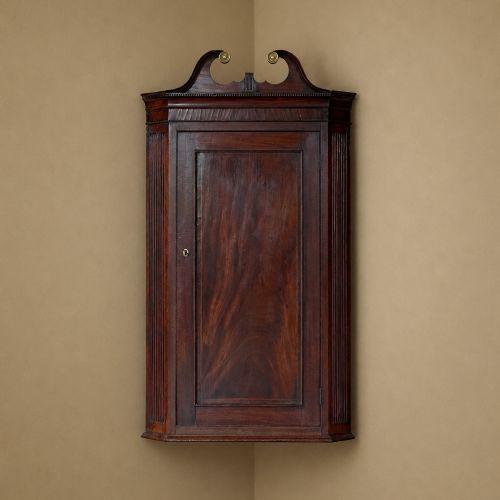
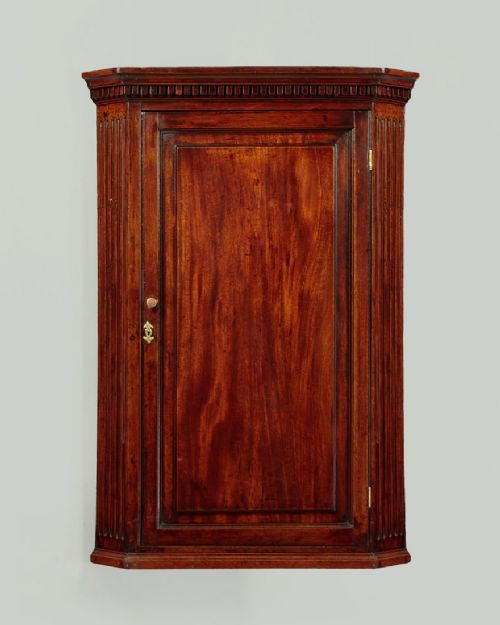
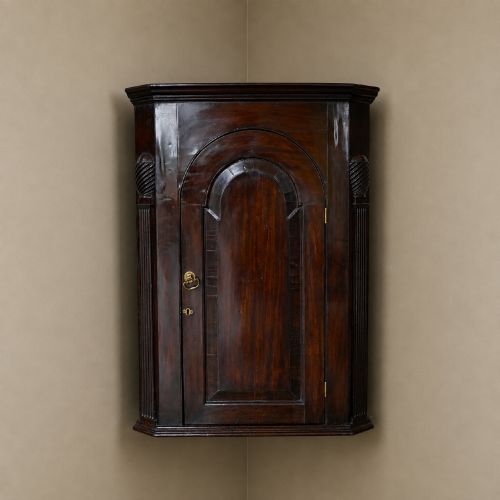
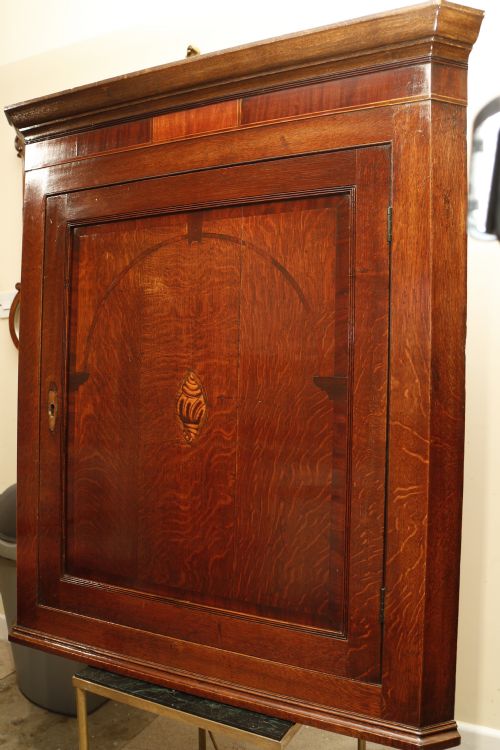
The primary forms include plain panelled doors, glazed display panels, and items adorned with stringing or crossbanding. These wall units served various functions historically, from storing provisions and household items to holding drinks or small collections.
How They Were Made
Cabinet makers relied predominantly on mahogany, often selecting figured varieties such as flame mahogany or plum pudding mahogany for the exterior surfaces. Secondary timbers like oak appear in the internal construction of drawers and carcases.
Decorative elements involve marquetry inlay, satinwood banding, boxwood stringing, and brass fittings such as hinges and escutcheons. Glazed doors utilise individual wooden glazing bars, while some specific cabinets feature elaborate broken arch pediments.
Several small cupboards designated specifically for smokers reveal that historical households valued dedicated wall storage for tobacco pipes.
What Varies In Quality
The selection of timber dictates the visual impact, with highly figured grain patterns and dense flame mahogany marking out superior examples. Craftsmanship in the joinery, particularly the precision of the dovetail joints in drawers and the fit of panelled doors, separates standard pieces from the finest work.
The Mahogany Hanging Wall Cupboard Glossary
- Bow front
- A convex curved cabinet front that projects outward in a smooth arc. This shape became particularly popular during the Georgian period.
- Astragal glazed
- A glass door divided into smaller panes by narrow wooden mouldings called glazing bars. These bars form geometric grids across the window.
- Crossbanding
- A border strip of veneer applied to the edges of furniture where the grain runs perpendicular to the main surface. This technique creates a neat framing effect.
- Broken arch pediment
- An architectural roof feature that curves upward and stops short of completing a triangle or semi-circle, often leaving a central gap for an urn or finial.
Mahogany Hanging Wall Cupboard: Frequently Asked Questions
How do I hang a wall cupboard safely?
These cabinets possess substantial weight due to solid timber construction and require secure fixing to solid wall studs or masonry. Professional installation using appropriate heavy-duty brackets ensures the piece supports its own load alongside internal contents.
Positioning the cupboard at a comfortable eye level prevents strain when accessing the interior shelves or lower drawers. Ensuring the mounting surface remains completely flat keeps the timber carcase from twisting over time.
What were corner cupboards used for?
Historical households utilised these wall-mounted units to store dining wares, dried goods, and bottled beverages out of the way of daily floor activity. Corner spaces that otherwise remained empty gained practical utility through fitted triangular shelving.
Some specialised variants functioned as medicine chests, tobacco stores, or display cabinets for porcelain collections. The inclusion of locking doors kept valuable contents secure from household staff.
How do I tell Georgian from Edwardian pieces?
Georgian examples date from the 18th and early 19th centuries, displaying heavier timber construction, hand-cut dovetailing, and often simpler interior layouts with traditional brass hardware. The proportions tend to reflect classical architectural proportions popular during that era.
Edwardian cabinets date from the late 19th or early 20th centuries, frequently showing lighter satinwood inlay, machine-made components, and revived historic styles like Sheraton Revival. These later pieces often incorporate wider glass panels intended specifically for ornamental display.
How do I care for mahogany timber?
Maintaining the finish involves keeping the cupboard away from direct sunlight and strong heat sources that can dry out and split the wood. Regular dusting with a soft, dry cloth prevents particulate buildup without introducing moisture.
Applying occasional natural wax feeds the timber and preserves the natural lustre of the polished surface. Avoiding silicone-based polishes ensures the historical finish remains undamaged.