




Vintage Hanging Medicine Cabinet
These vintage hanging medicine cabinet pieces are wall-mounted storage forms that keep daily essentials close at hand.
Vintage Hanging Medicine Cabinet
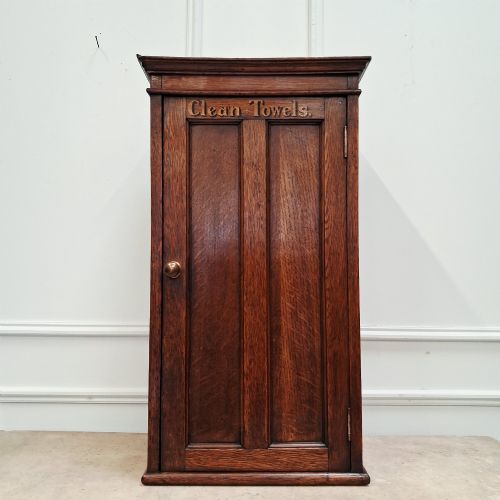
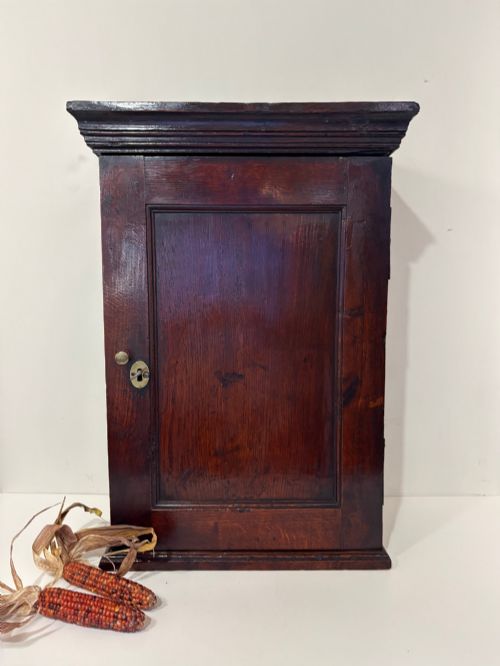
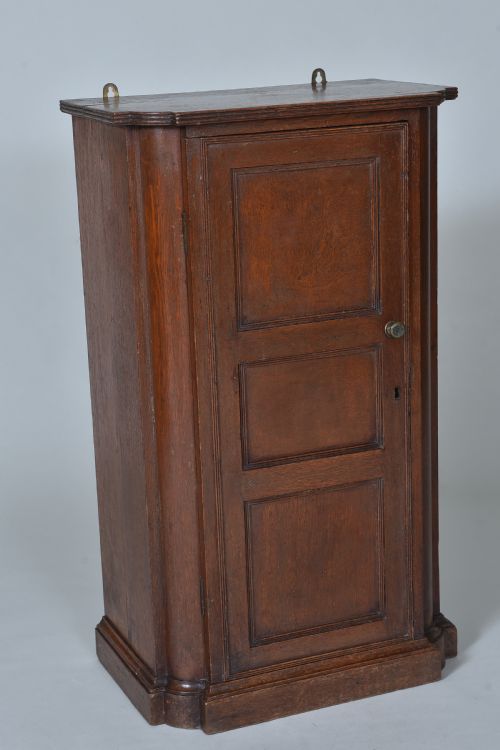
A vintage hanging medicine cabinet is a wall-mounted storage piece designed to keep small bottles and personal items organised in compact spaces. When searching for a vintage hanging medicine cabinet, buyers encounter diverse forms ranging from straightforward 18th century oak wall cupboards to refined Edwardian examples.
The pieces listed on this page span several distinct eras, including 18th century, 19th century, Victorian, and Edwardian periods. Regional variations are also present, covering Scandinavian country, French country, and Austrian folk art traditions.
Common formats include simple wall cupboards, corner cupboards, and smaller cabinets featuring descending drawers or glass doors. These practical fixtures served homes across different centuries before finding a renewed purpose in modern interiors.
How they were made
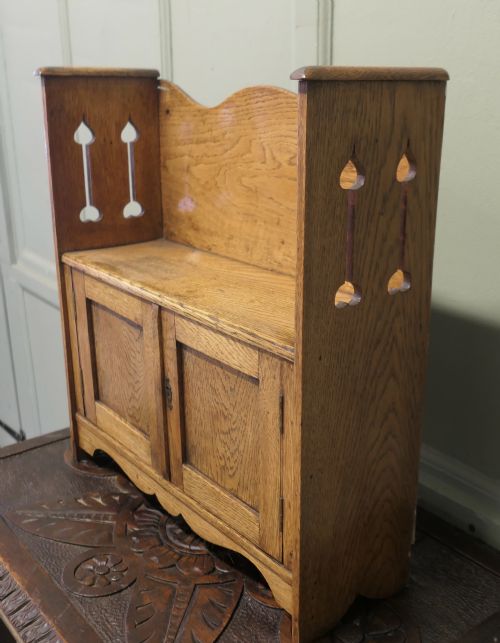
Cabinet makers utilised solid timbers like oak, mahogany, pine, and American walnut to construct these durable wall fixtures. Joinery techniques varied from estate-made construction to finer stylistic movements such as Arts and Crafts and Art Nouveau.
Surfaces received various treatments including clear polish to display wood grain, hand paintwork, or decorative techniques like faux tortoiseshell. Brass hardware such as hinges and key escorts frequently completed the construction, alongside glazed glass door panels.
One cheerful Victorian walnut cabinet wears later hand-painted advertising for Fry's Chocolate, having clearly enjoyed a second career.
What varies in quality
Quality in these cabinets depends largely on the choice of timber and the integrity of the original construction. Finer examples display thoughtful proportions and careful hand joinery rather than simple utility standards.
Surface preservation also separates standard pieces from superior ones, particularly when original paint, boxwood details, or period brass hardware remain intact. The sophistication of the style, whether restrained Georgian or detailed Art Nouveau, influences the overall character.
The Vintage Hanging Medicine Cabinet Glossary
- Wall cupboard
- A compact storage unit designed to be fixed directly to a wall rather than resting on the floor. These pieces save valuable surface space in smaller rooms.
- Corner cupboard
- A specialised cabinet shaped to fit neatly into the corner of a room. This form makes efficient use of otherwise neglected spatial angles.
- Arts and Crafts
- A design movement prioritising traditional craftsmanship and simple forms over mass-produced ornamentation. Pieces from this tradition often feature honest timber construction.
- Glazed cabinet
- A storage unit featuring glass panes fitted into the doors. This allows the contents to be viewed while remaining protected from dust.
- Faux tortoiseshell
- A decorative paint finish mimicking the mottled brown and amber shell of a turtle. Artisans applied this technique to elevate simpler woods.
Vintage Hanging Medicine Cabinet: Frequently Asked Questions
Were these cabinets originally used for medicine?
Many wall-mounted cupboards served general storage purposes for household goods, spices, or personal items rather than strictly medical supplies. Specialised medicine cabinets emerged more widely in the Victorian and Edwardian eras.
Interior shelving depths and the presence of small drawers often indicate what specific items the original owners stored.
How should I clean and maintain the wood?
Maintain the finish by dusting with a soft, dry cloth and avoiding harsh chemical sprays or excess moisture. Natural beeswax applied sparingly helps nourish older timber surfaces.
Keeping cabinets away from direct heat sources prevents the wood from drying out or warping.
How do I tell an 18th-century cabinet from a 19th-century one?
Earlier 18th-century pieces often display heavier oak construction with simpler panel alignments and hand-cut joinery details. 19th-century examples frequently introduce softer pine woods, painted finishes, or varied regional styling.
Hardware styles, construction marks, and timber shrinkage patterns also help determine the approximate age of a piece.