
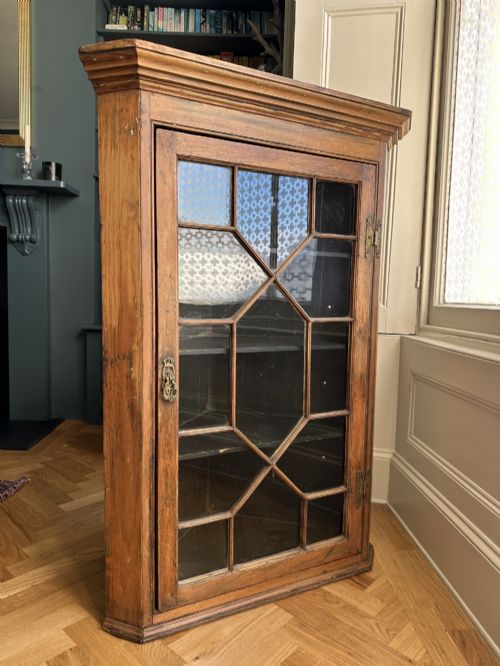


Small Hanging Display Cabinet
A small hanging display cabinet offers neat wall storage for cherished objects, bringing period timber and glass into compact spaces.
Small Hanging Display Cabinet
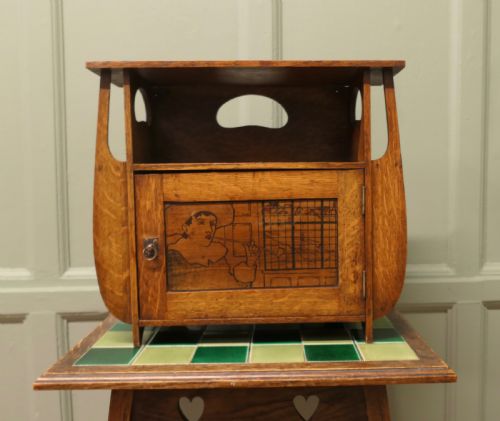
A small hanging display cabinet mounts directly to the wall to showcase collections without taking up floor space. These pieces span centuries of design, appearing across the Georgian, Victorian, Edwardian, and Arts and Crafts eras.
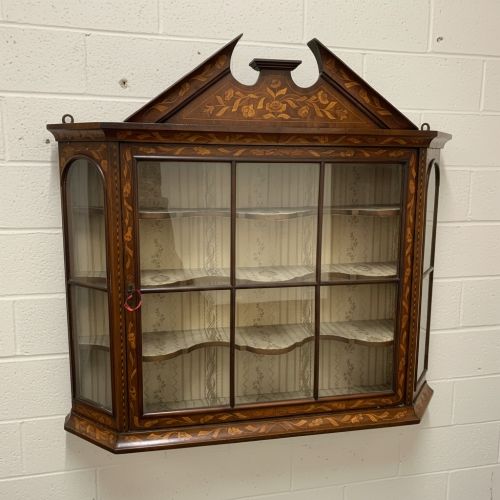
Makers utilised glass doors and open shelves to display small items safely in domestic interiors. Wall cabinets often incorporate marquetry inlay, satinwood, or painted finishes to catch the eye.
Timber construction and glazing techniques
Cabinet makers constructed these wall units using solid hardwoods like mahogany and oak, frequently applying walnut veneers or decorative marquetry inlay. Satinwood and pine also appear across various periods to build lighter frames and interiors.
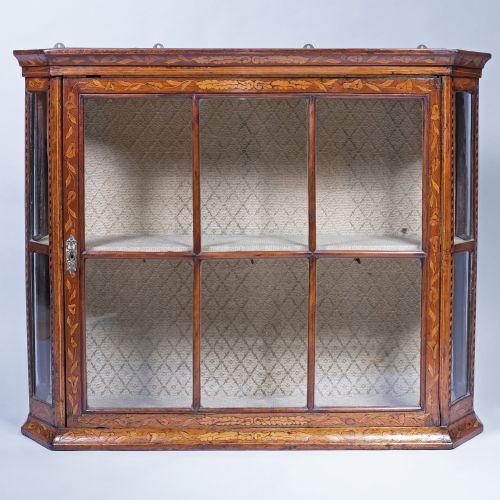
Glazed doors and side panels allow light into the interior shelves while protecting contents from dust. Brass hinges and latches secure the doors, while fabric linings occasionally back the display space.
Two listed oak cabinets share a royal past, having been made directly from the timbers of HMY Osborne.
Evaluating craftsmanship and material selection
Quality rests upon the choice of timber and the precision of the cabinet work, particularly around glazed door frames and inlaid decoration. Finer pieces demonstrate careful grain matching in walnut or mahogany and sophisticated marquetry details.
The integrity of the original glass and brass hardware distinguishes superior examples from later replacements. Robust wall-mounting fixtures integrated into the timber structure also separate standard storage boxes from master-built display pieces.
The Small Hanging Display Cabinet Glossary
- Marquetry inlay
- A decorative technique using thin slices of wood veneer fitted together to form pictorial or geometric patterns on the cabinet surface. This method frequently defines high-status Georgian and Edwardian furniture.
- Glazed door
- A wooden frame fitted with glass panes to permit visibility of the interior shelves. These doors protect displayed items while keeping them in full view.
- Corner cabinet
- A specialised storage piece designed to fit snugly into the angle of a room. Many hanging examples make use of otherwise vacant wall corners.
- Étagère
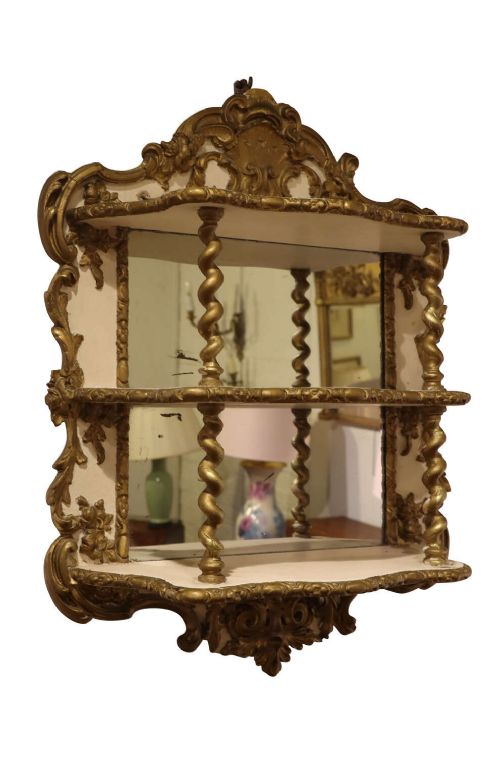
- A piece of furniture consisting of open shelves for displaying small ornaments. French Rococo revival versions introduce ornate painted and gilt frames.
- Aesthetic Movement
- A late 19th-century style emphasising visual beauty over narrative content in decorative arts. Cabinets from this period utilise distinct woods and artistic hardware.
Small Hanging Display Cabinet: Frequently Asked Questions
How do I hang a wall cabinet safely?
Check the original hanging brackets or mounting points fixed to the back of the cabinet frame. Secure heavy timber pieces directly into wall studs using appropriate fixings.
Ensure the wall construction can support the combined weight of the cabinet and your displayed objects before mounting.
What is the difference between a corner cabinet and a wall cabinet?
Corner cabinets feature an angled back designed specifically to fit into room corners. Standard wall cabinets have flat backs intended for straight wall placement.
Both types utilise glass doors or open shelves for display purposes.
How do I date an Edwardian display cabinet?
Edwardian pieces often feature lighter timbers like mahogany paired with satinwood and subtle marquetry inlay. Look for refined proportions influenced by earlier Georgian revivals.
Construction methods and hardware typical of the early 20th century help confirm the manufacturing period.
Can these cabinets support heavy items?
These small hanging pieces suit lightweight collectibles, ceramics, and glassware rather than heavy books. The internal shelves and hanging brackets are scaled for compact display.
Distributing weight evenly across the shelves protects both the antique timber and the items inside.