




Mahogany Dining Room Box
Mahogany dining room box pieces are stately containers shaped by Georgian, Regency, and Victorian hands to hold wine and cutlery.
Mahogany Dining Room Box
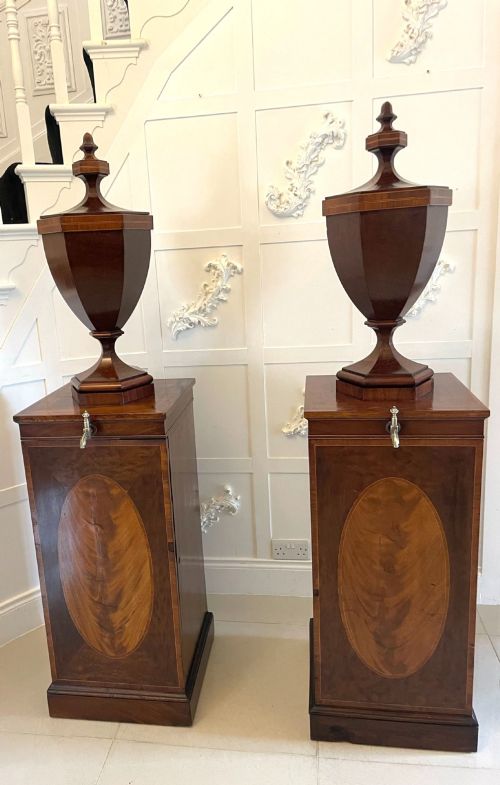
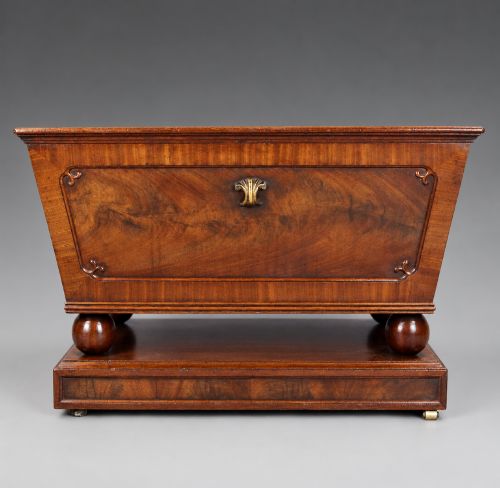
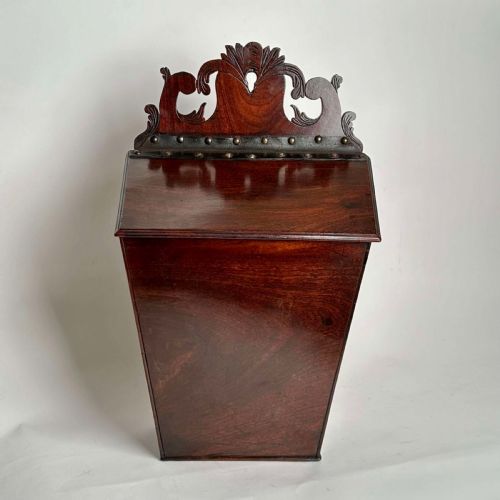
When you search for mahogany dining room box options, you encounter large wine coolers, cellarettes, and cutlery boxes designed for formal dining spaces. The selection ranges from pedestal cupboards and urns to sarcophagus-shaped vessels intended to keep bottles and silver secure.
You are most likely to meet 19th-century and Regency pieces built from solid timber or veneered surfaces. These items served a practical domestic purpose in period dining rooms before evolving into decorative containers.
The forms span simple rectangular knife boxes to massive carved cellarettes resting on low feet or original pedestals. Each variant reflects the dining customs of its specific period, from George III neoclassicism onwards.
What varies in quality
The grade of timber sets the baseline, with richly figured flame mahogany and crisp boxwood inlay marking superior workshop output. Grain selection determines whether the exterior catches the light or appears flat and lifeless.
Structural integrity and the retention of original fittings dictate value among comparable forms. Boxes that retain their internal dividers, metal liners, and heavy brass hardware demonstrate higher original status.
Many a Victorian cellarette has quietly abandoned wine storage to become a very dignified home for oversized dog biscuits.
The Mahogany Dining Room Box Glossary
- Cellarette
- A lockable container used for storing wine bottles beneath the dining table or sideboard. These vessels often feature lead or zinc linings for ice.
- Flame mahogany
- A veneer cut from the fork of the mahogany tree where the branch meets the trunk. This process produces a distinctive feather-like pattern.
- Sarcophagus
- A monumental coffin-like form adopted by Regency cabinetmakers for large wine coolers. These pieces usually feature paw feet and heavy carved handles.
- Cutlery box
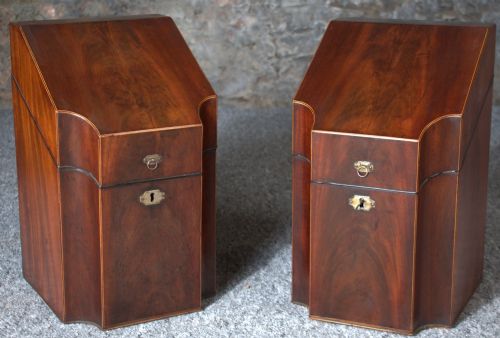
- A slanted wooden container designed to hold table knives, forks, and spoons upright. Eighteenth-century examples frequently take the form of miniature classical urns.
- Inlay
- A decorative technique where contrasting woods like boxwood or satinwood are inserted into recesses. This creates geometric or floral patterns on the exterior surface.
Mahogany Dining Room Box: Frequently Asked Questions
What is a cellarette used for?
Cellarettes stored wine bottles in the dining room before plumbed refrigeration existed. Lined interiors held ice to chill bottles during long formal meals.
Servants accessed the locked box when the household required fresh wine. The secure lid kept valuable vintages under the control of the host.
How do I tell a knife box apart from a cellarette?
Knife boxes stand upright with a slanted lid and internal vertical slots for cutlery. They sit neatly on sideboards during dining hours.
Cellarettes sit low on the floor or on short feet, featuring heavy handles for lifting. Their cavernous interiors hold round bottles rather than flatware.
What periods do these dining boxes cover?
The selection spans from the late Georgian and George III periods through the Regency era into Victorian times. Earlier pieces showcase neoclassical restraint, while later examples grow heavier and more carved.
Regency items often adopt classical architectural shapes like the sarcophagus. Victorian pieces increase in scale and utilise varied woods including walnut.
How do I live with a mahogany cellarette?
Large cellarettes work well as standalone side table surfaces or sculptural floor pieces in a study or living room. Their deep interiors provide practical concealed storage for bulky items.
Keep wooden surfaces away from direct heat sources to prevent the mahogany veneer from splitting. Regular waxing maintains the depth of the timber grain.