


Low Rosewood Bookcase
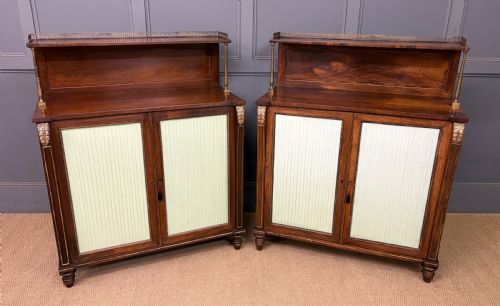
These low rosewood bookcases offer rich timber grain and compact proportions that suit modern rooms as neatly as they did historic libraries.
Low Rosewood Bookcase
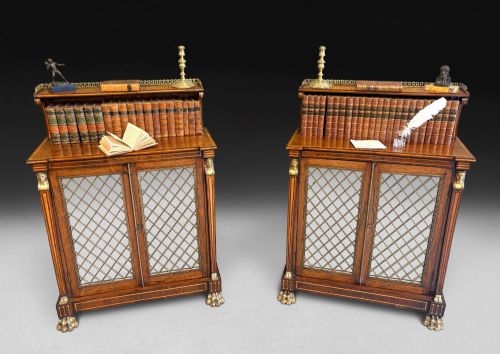
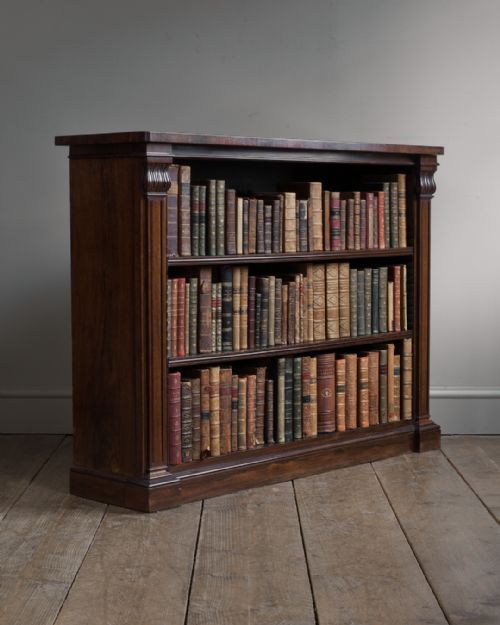
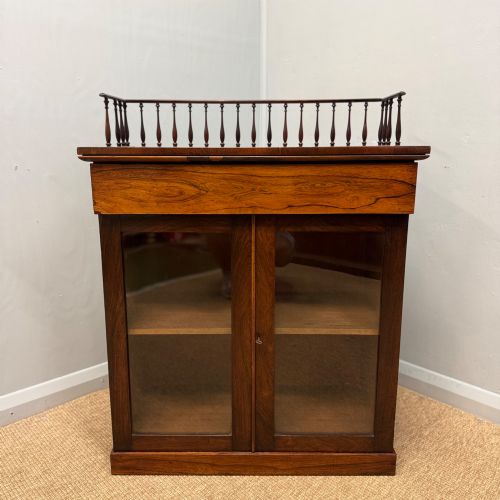
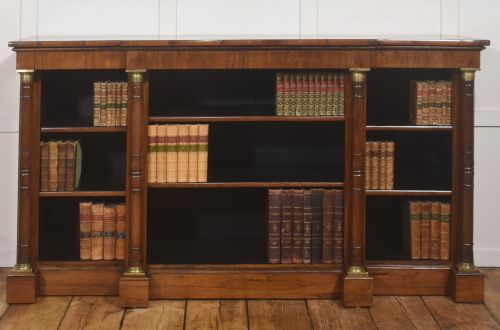
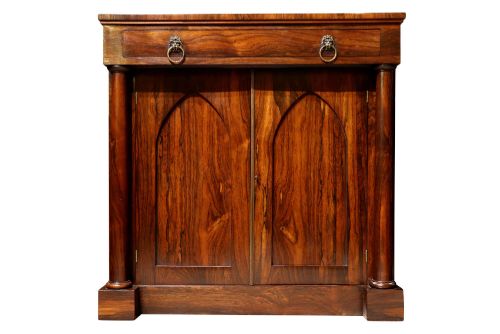
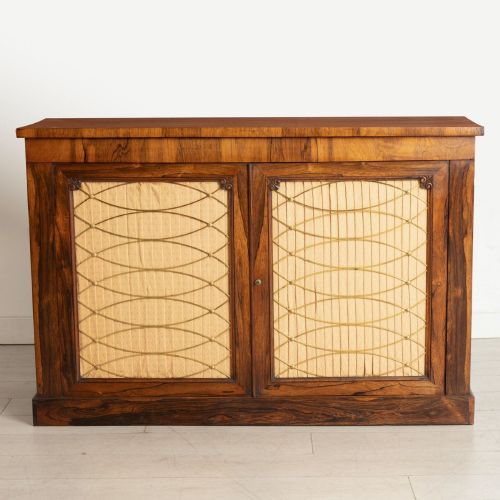
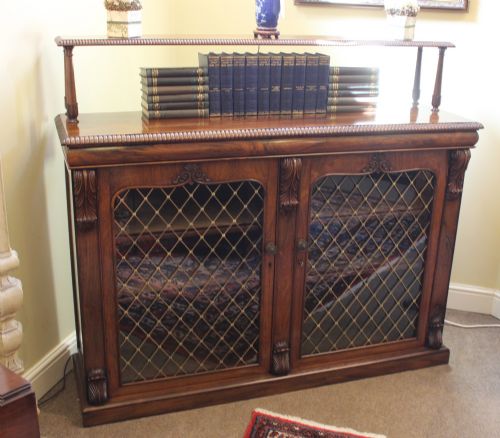
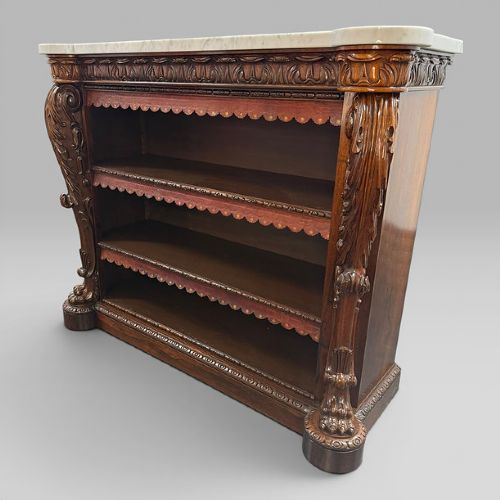
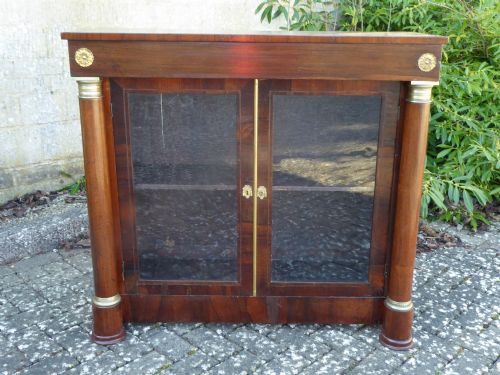
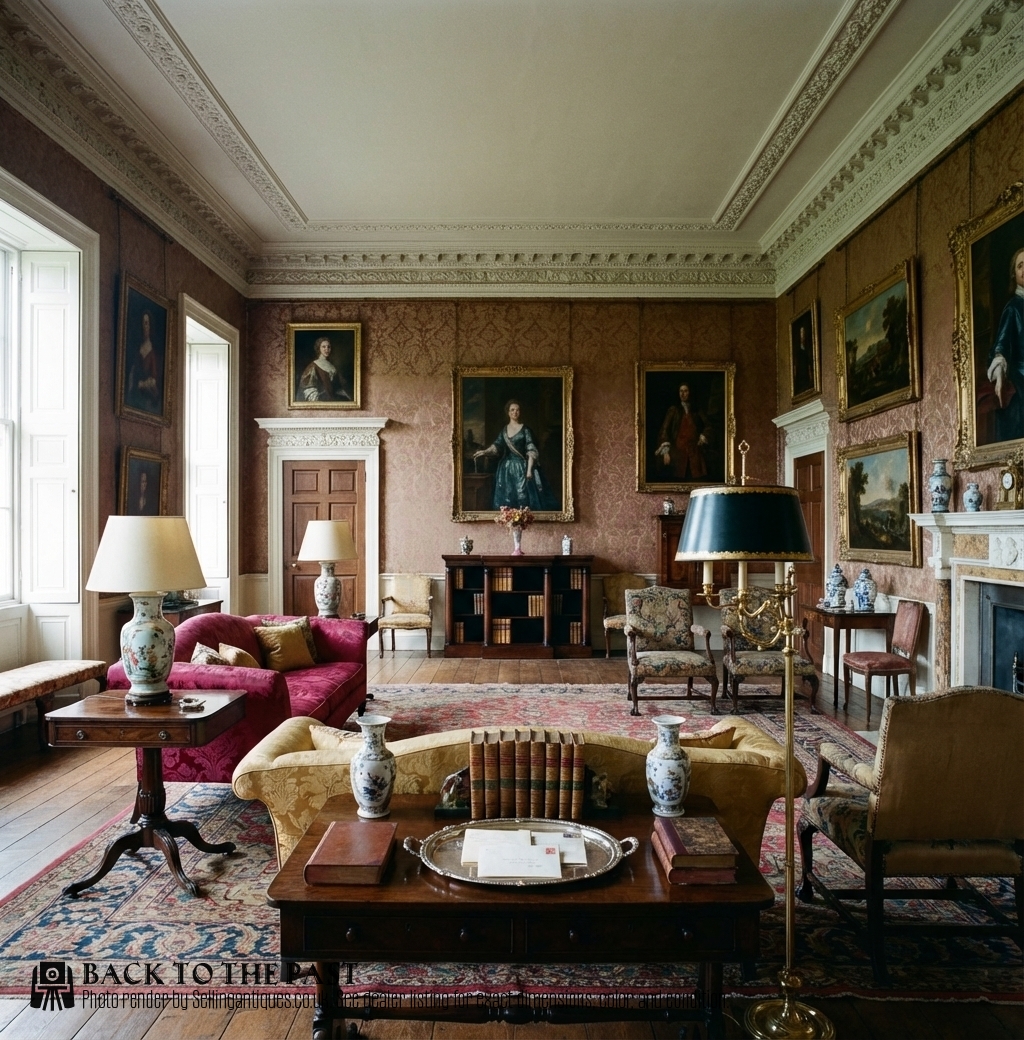
A low rosewood bookcase provides open shelving or glazed storage at a height that keeps the room feeling open. The low rosewood bookcase typically appears in Victorian, Regency, and William IV periods, often featuring open shelves or glass doors.
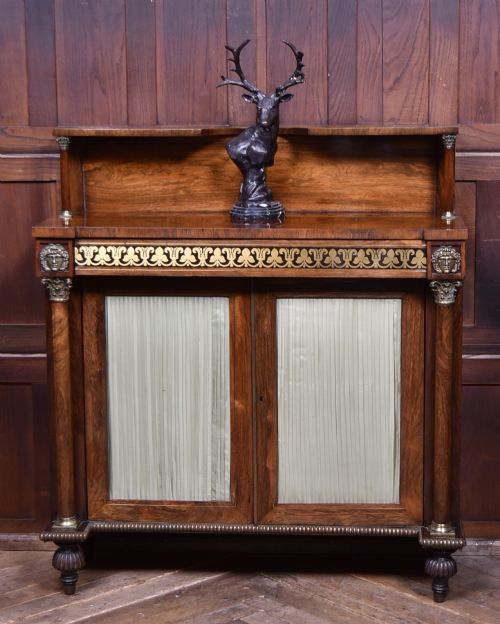
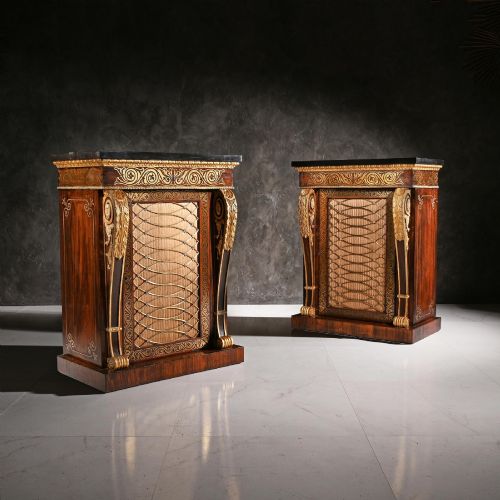
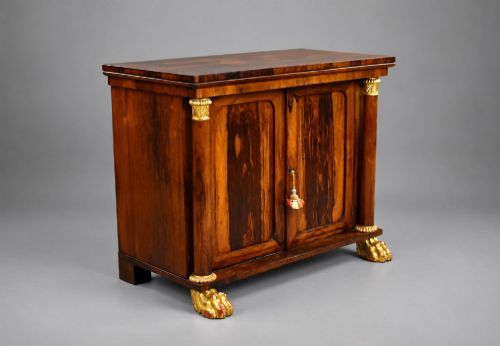
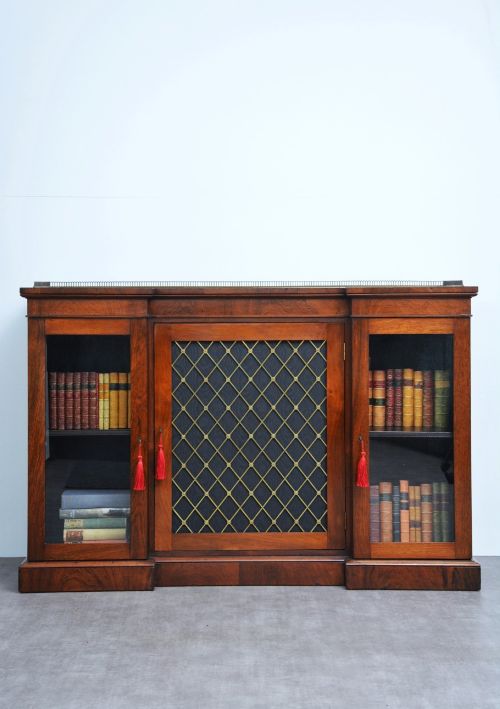
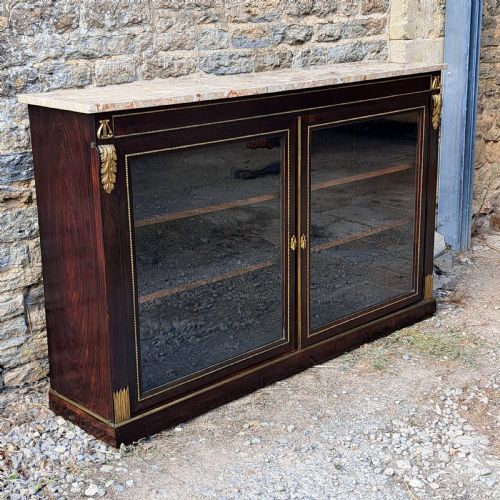
Most examples found here span the nineteenth century, ranging from simple open front designs to breakfront library pieces. Makers also produced dwarf cabinets, display cabinets, and side cabinets with marble tops or brass inlay.
The form suits spaces where standard tall shelving would overwhelm the architecture. Buyers encounter open bookcases alongside glazed cabinets and console buffets.
How they were made
Cabinet makers utilised dense rosewood timber, often supported by secondary woods such as pine. Surfaces frequently display boxwood inlay or brass details integrated into the structural design.
Construction techniques include carved corbels on uprights and breakfront proportions on larger library pieces. Glazed doors and marble tops appear on select cabinet variations from the nineteenth century.
Low Rosewood Bookcase Retail Price Guide 2026
Typical asking prices for low rosewood bookcase among the pieces listed under this phrase on Sellingantiques today, from the lower quarter to the upper quarter. They describe what is for sale here now, not the wider market.
Some nineteenth century cabinet makers evidently decided books deserved architectural dignity, adding miniature marble platforms just in case the volumes felt ordinary.
What varies in quality
The distinction between standard examples and top quality pieces lies in the selection of the rosewood timber and the crispness of the boxwood inlay or carved corbels. Superior pieces display thoughtful grain matching across the facade.
Proportion and execution separate ordinary workshop production from pieces attributed to notable makers such as Gillows. Refined brass details and precise joinery elevate the standing of a low bookcase.
Gillows
The Low Rosewood Bookcase Glossary
- Rosewood
- A dense, heavily figured timber known for its deep colour and dark grain patterns. It forms the primary visible surface on these bookcases.
- Breakfront
- A cabinet design where the central section projects forward from the flanking wings. This architectural arrangement creates depth and shadow.
- Corbel
- A projecting bracket carved from wood, supporting the upper shelf or cornice. These decorative supports appear beneath the top surface on Victorian examples.
- Dwarf bookcase
- A historical term for a low bookcase designed to sit below window height. Such pieces keep wall space clear above them.
- Glazed bookcase
- A bookcase fitted with glass-fronted doors to protect books from dust. These often function as display cabinets for finer volumes.
Low Rosewood Bookcase: Frequently Asked Questions
What is a low rosewood bookcase?
A low rosewood bookcase is a piece of nineteenth century furniture designed to hold books while maintaining a low profile in a room.
These pieces typically date from the Regency and Victorian eras, utilising rich rosewood timber and often featuring open shelves or glazed doors.
How do I date a rosewood bookcase?
Dating relies on observing stylistic markers such as carved corbels, boxwood inlay, and brass details. Regency pieces tend to show neoclassical restraint, while Victorian examples often incorporate heavier carved elements.
Material combinations, including marble tops and secondary pine construction, also help establish the period of manufacture.
Are these bookcases suitable for modern homes?
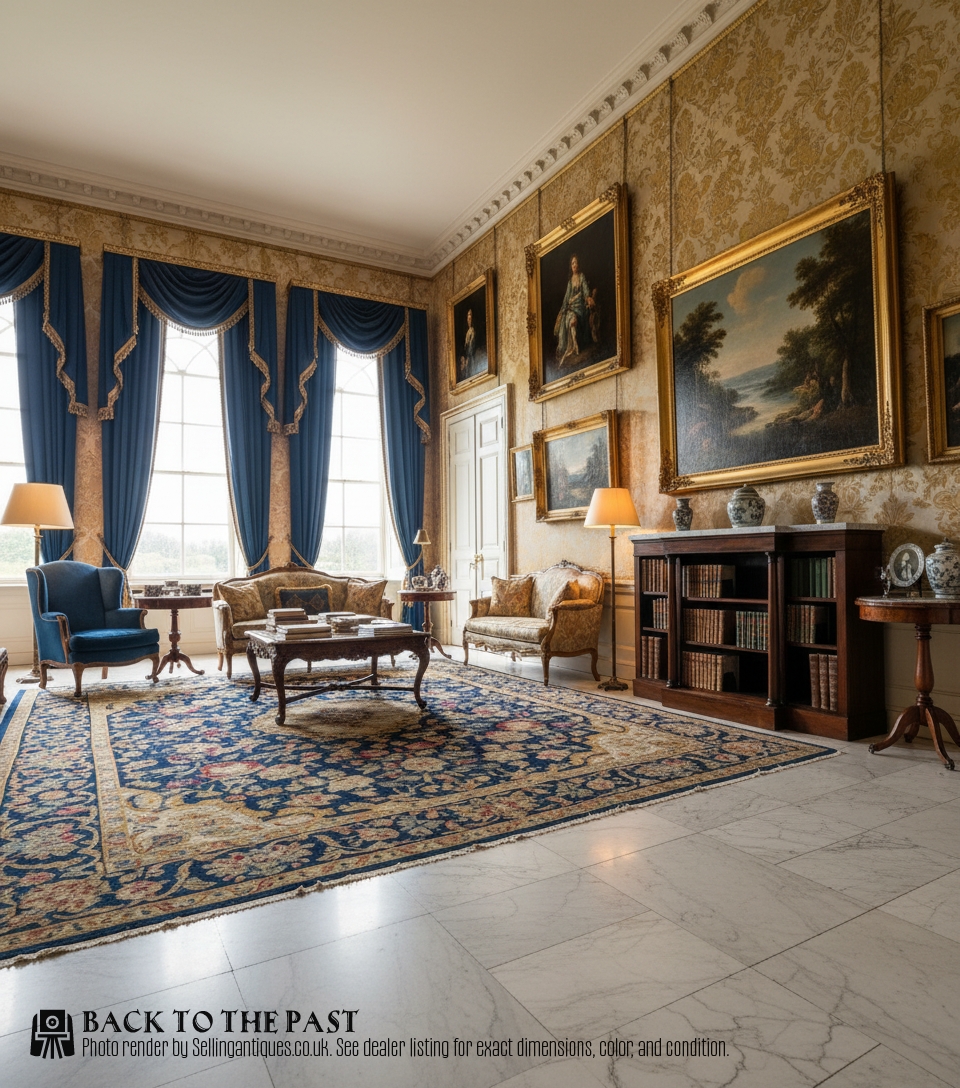
The compact height of these bookcases allows them to sit beneath windows or along walls without blocking light or views. Their proportions suit contemporary room scales remarkably well.
They provide practical storage for books or display items while introducing rich wood tones to an interior.
What is the difference between an open bookcase and a cabinet?
Open bookcases feature unobstructed shelving for immediate access to books. Cabinets include glazed doors, wooden doors, or console arrangements that enclose the contents.
Both forms utilise rosewood construction but serve different storage and display functions.