

Low Cocktail Table
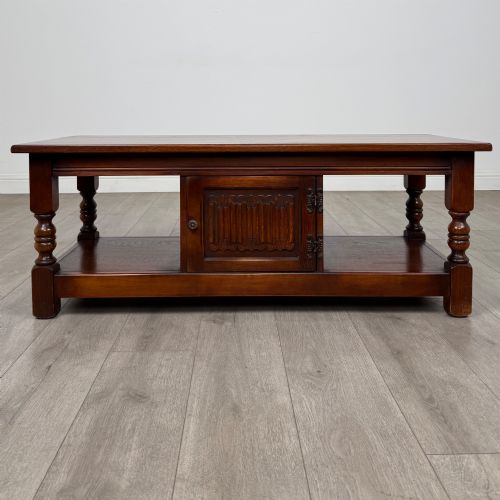
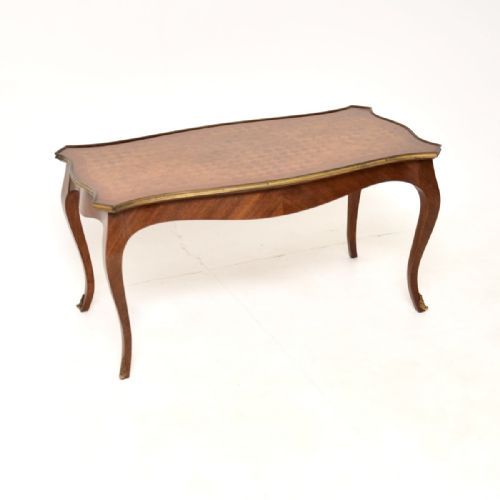
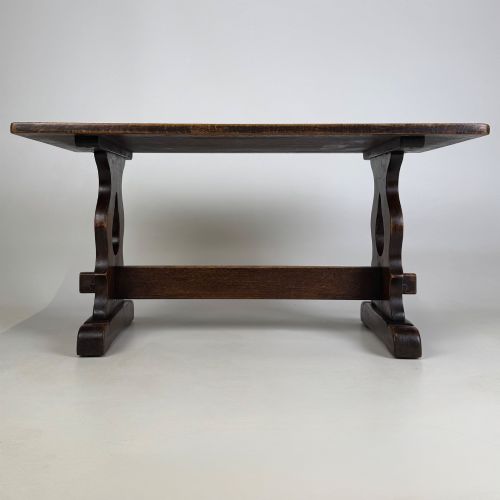
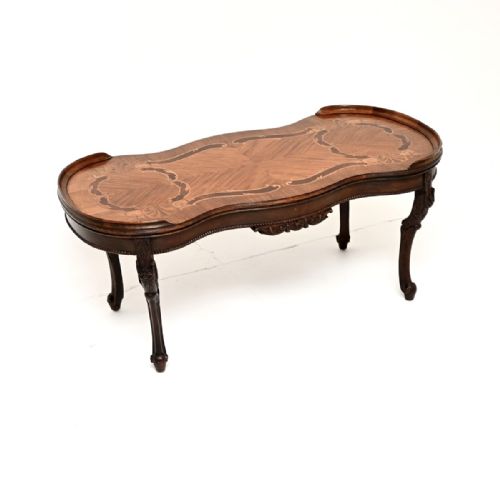
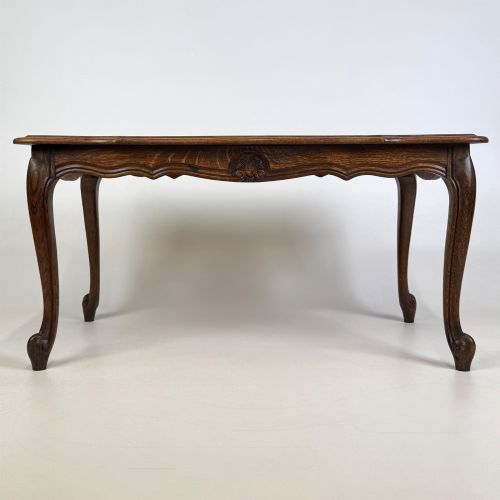
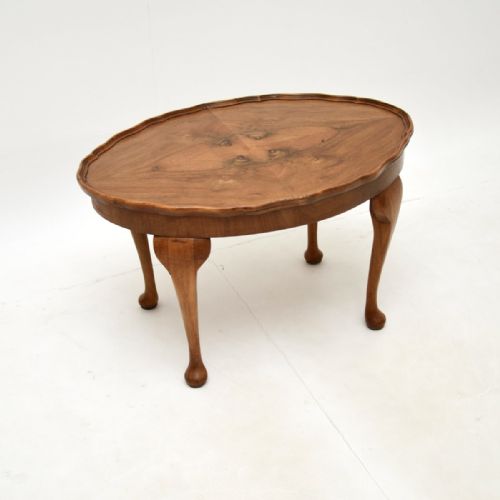
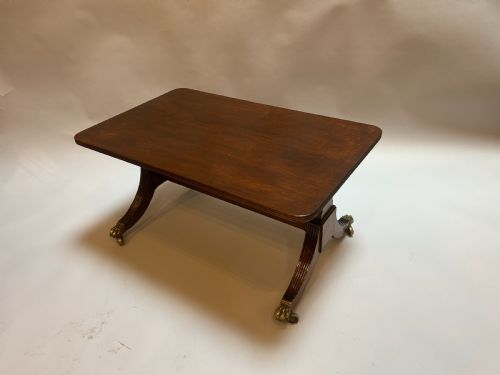
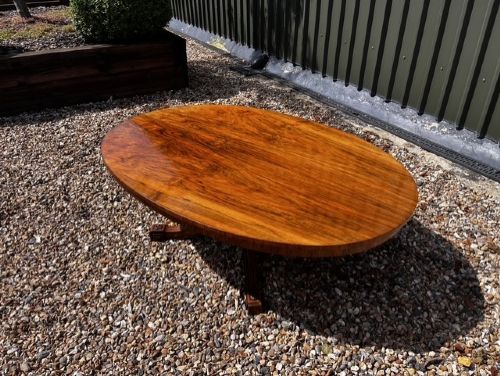
These low cocktail table examples combine decorative timber surfaces with proportions suited to contemporary seating arrangements.

Low Cocktail Table
A low cocktail table brings functional surface area close to seating level, drawing on historical forms ranging from Victorian parlour tables to Art Deco designs. Buyers searching for a low cocktail table will encounter pieces executed in mahogany, walnut, oak, and burr walnut, alongside varied stone and glass surfaces.
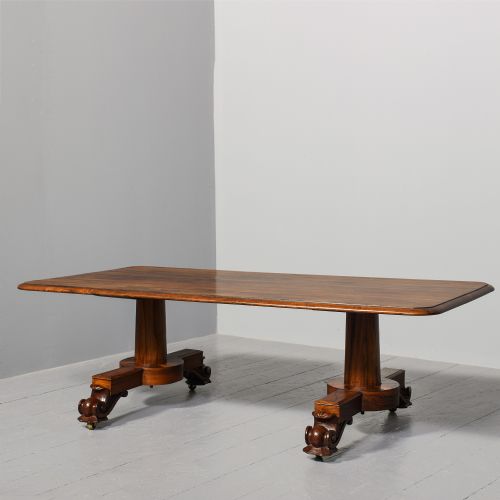
The selection spans the nineteenth century through the Edwardian era and into the 1930s, incorporating French styles, Regency influences, and rustic country execution. Proportions vary from circular and oval formats to substantial rectangular tables intended for central placement in a room.
Many examples originate from specific revival movements, utilising Queen Anne, Chippendale, and Carolean vocabulary translated into low formats. Others reflect modernist tendencies, particularly through clean geometric lines found in Art Deco and mid-century interpretations.
Materials and construction
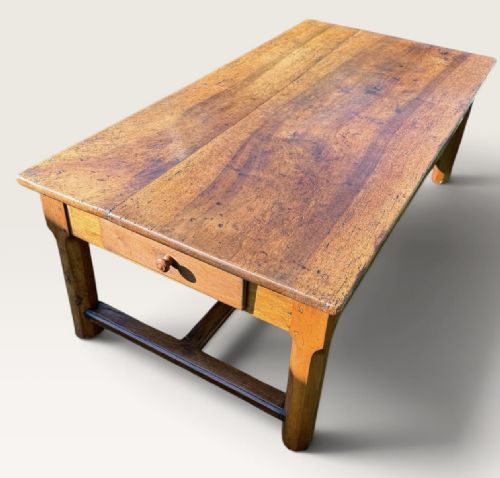
Construction relies heavily on cabinet timbers such as walnut, oak, and mahogany, frequently enhanced with burr veneers and intricate marquetry or parquetry. Cabinetmakers selected these figured woods to create visual interest on the primary horizontal surface.
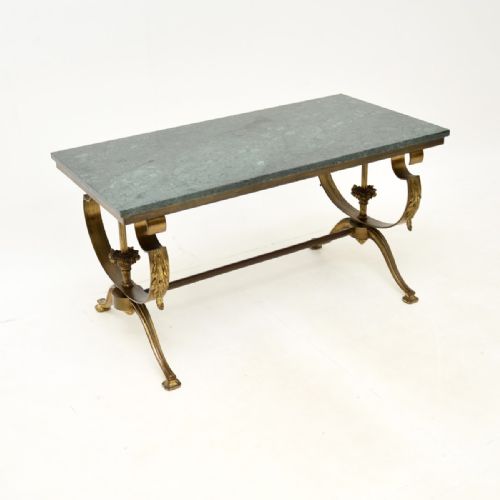
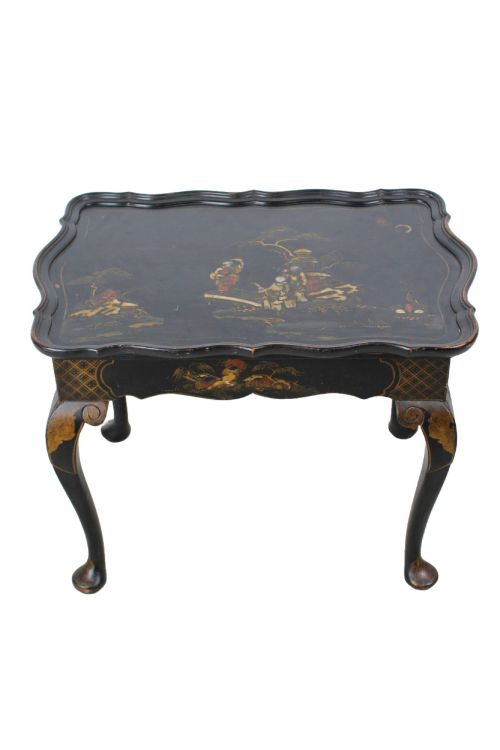
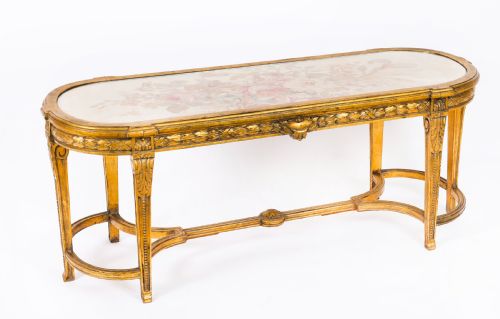
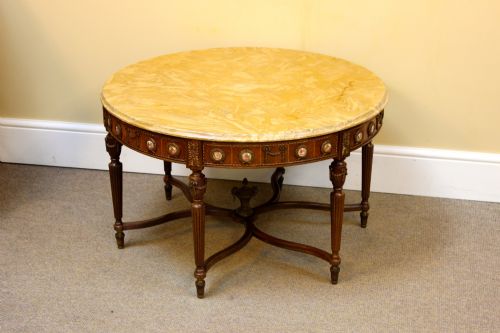
Metal and stone elements frequently accompany the timber framing, utilising brass, bronze, marble, and glass to introduce contrasting textures. Gilding, ebonising, and japanned painted finishes provide additional decorative layers across specific French and English items.
Joinery techniques follow traditional framing methods appropriate to each period, securing robust legs to apron rails or supporting heavy marble slabs safely within moulded wooden borders.
The listings on this site feature walnut as the most common primary material, alongside oak, mahogany, and brass.
Judging execution and finish
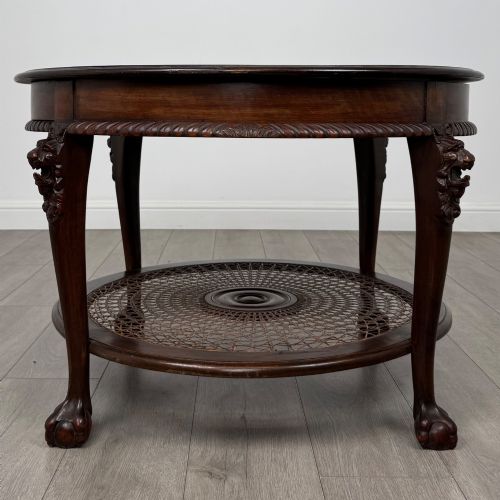
Quality rests primarily on the selection of timber veneers and the precision of decorative inlays, where tightly figured burr walnut or detailed parquetry indicate superior workshop standards. The depth and clarity of hand-carved details on mahogany and oak frames further distinguish finer pieces from standard production.
Structural integrity depends on the stability of the joints connecting the legs to the main frame, ensuring the low platform remains rigid under daily use. The quality of applied finishes, from French polish on walnut to the mounting of marble and glass tops, determines the long-term durability of the surface.
Holland & Sons Of London·Romeo Rega·Maison Jansen·Maison Bagues
The Low Cocktail Table Glossary
- Burr walnut
- A prized timber harvested from tree growths that produces intricate, swirling grain patterns. It is frequently utilised on the top surfaces of formal tables.
- Marquetry
- The art of applying decorative pieces of veneer to a structure to form intricate pictorial designs. This technique appears frequently on French tables.
- Parquetry
- A geometric mosaic of wood pieces used for decorative floors and table surfaces. It creates orderly patterns across rectangular and circular tops.
- Giltwood
- Wood that has been treated with gold leaf or a gold-coloured metallic finish. This treatment highlights carved decorative moulding.
Low Cocktail Table: Frequently Asked Questions
How do I clean a marble top?
Marble surfaces require gentle wiping with a damp cloth and mild soap to preserve the polish without scratching the stone. Acidic liquids should be kept away from the top to prevent etching.
Regular dusting maintains the natural lustre of the material over time.
Are these tables sturdy enough for daily use?
Solid timber frames and traditional joinery provide the necessary strength for everyday placement in a reception room. Proper care ensures the structure supports normal domestic requirements.
Heavier stone inserts require balanced placement to avoid stressing the supporting wooden rails.
How do I identify an Art Deco table?
Art Deco examples typically feature streamlined geometric forms, burr maple or walnut veneers, and a notable absence of fussy carved ornamentation. The focus rests on clean architectural lines and smooth polished surfaces.
These pieces usually date from the 1920s and 1930s.
Can I place drinks directly on wood?
Polished wooden surfaces benefit from coasters to prevent moisture rings from damaging the French polish or varnish. Protective barriers preserve the original finish of antique timbers.
Glass or marble inserts offer higher resistance to liquid spills.