
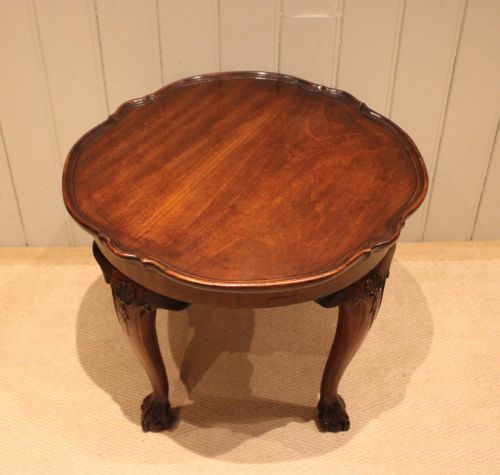
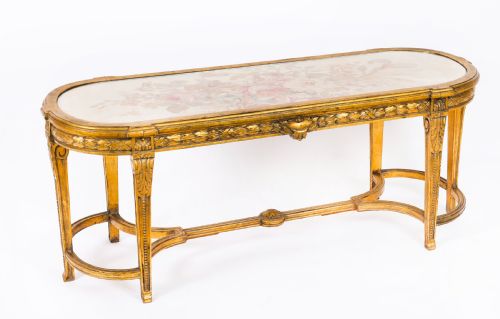
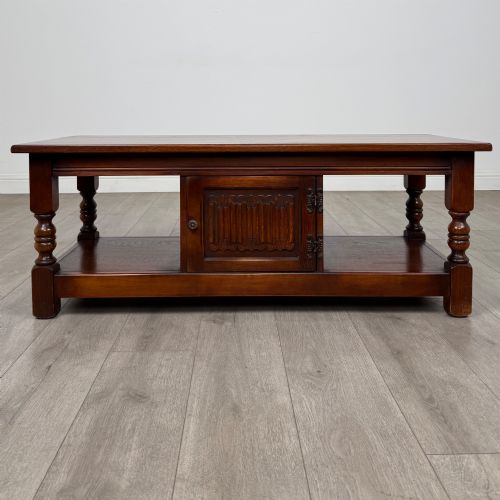
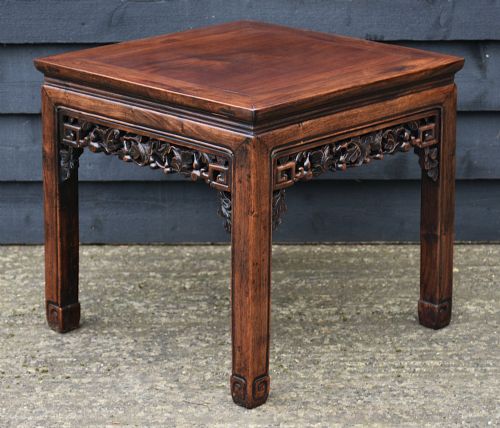
Low Carved Coffee Table
A low carved coffee table brings rich timber grain, cultural depth and low proportions to a seating area.
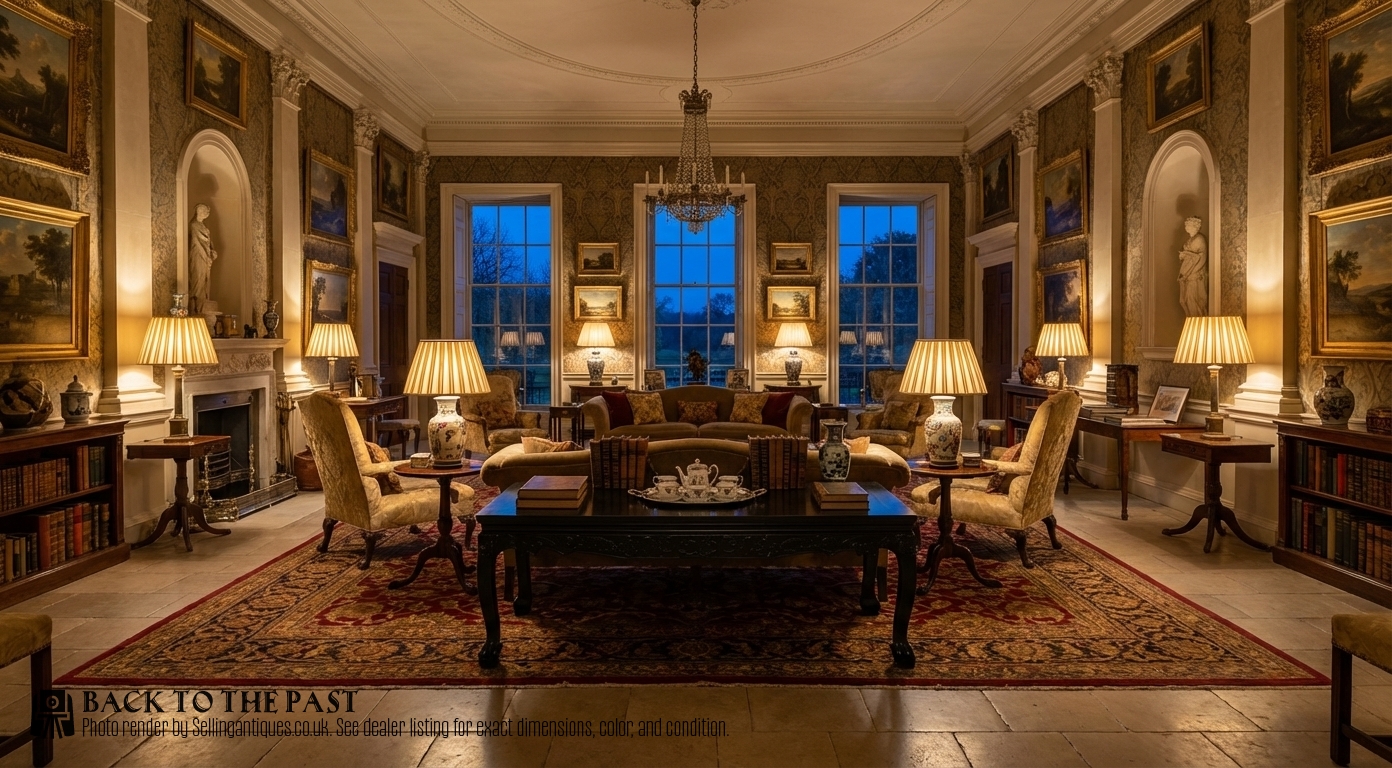
Low Carved Coffee Table
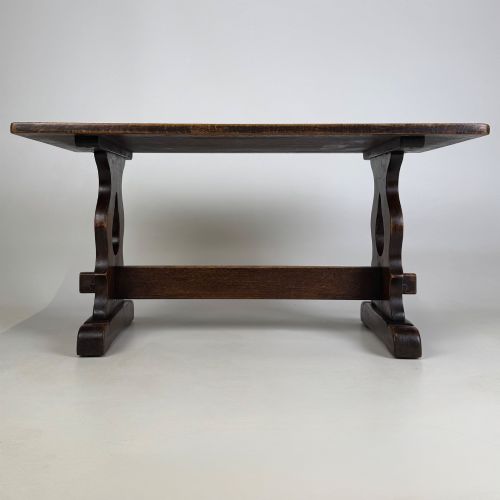
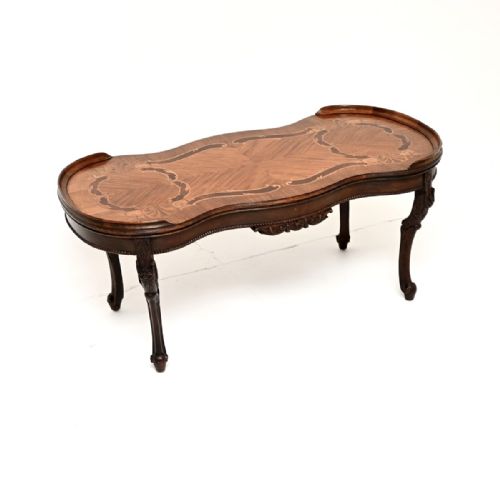
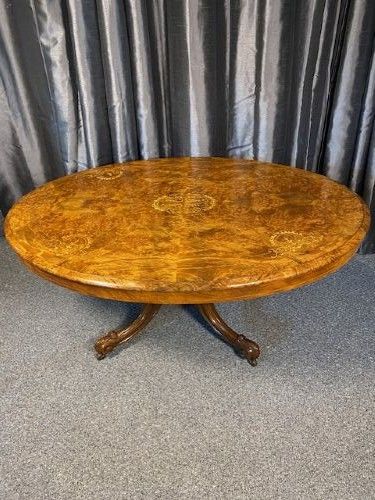
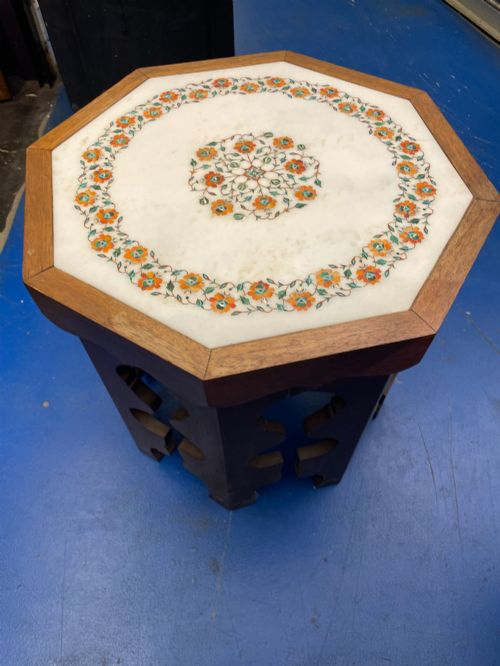
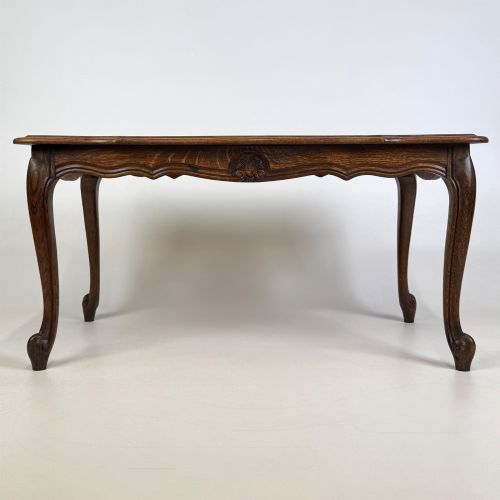
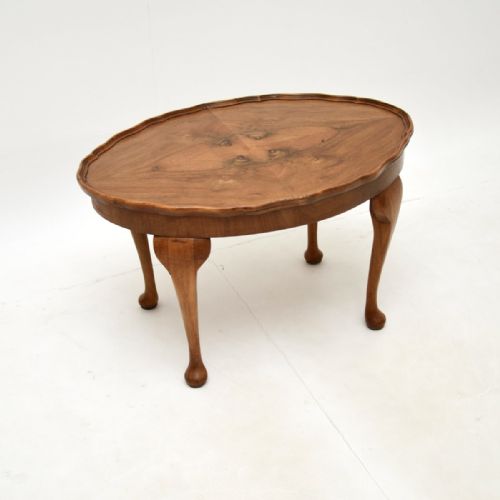
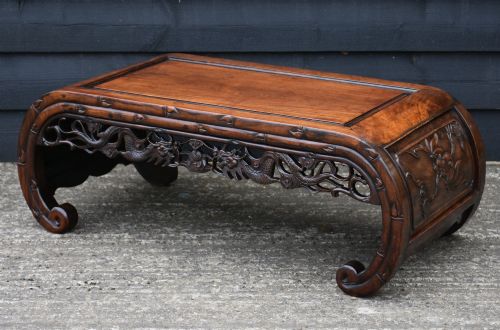
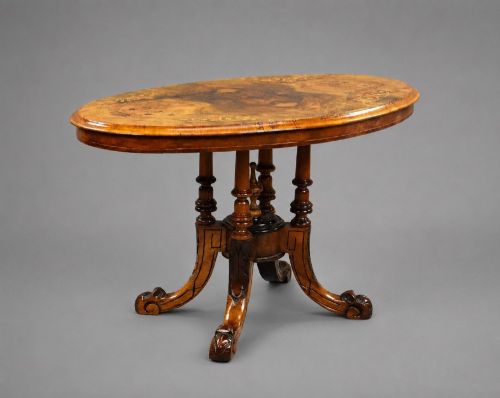
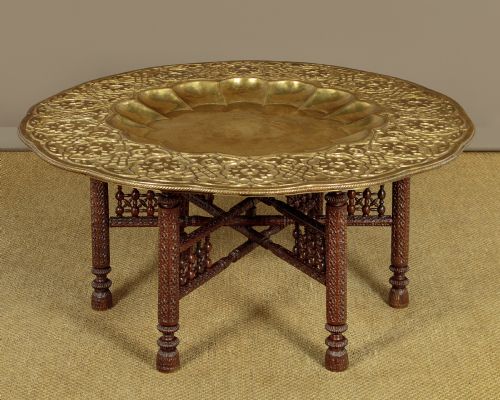
A low carved coffee table covers a diverse group of low-set surfaces originating from the nineteenth century through the early twentieth century. Buyers encounter forms ranging from heavy Victorian burr walnut and oak tables to intricate Anglo-Indian, Chinese rosewood, and padouk tea or opium tables.
Originating from varied domestic and international contexts, these tables suit contemporary interiors requiring low profiles and distinct surface carving.
How they were made
Cabinetmakers utilised dense timbers including walnut, burr walnut, mahogany, oak, rosewood, and padouk, often selecting figured veneers to create dramatic top surfaces. Structural framing relied on traditional joinery, while decorative impact was achieved through hand-carving, pierced fretwork, and applied brass or giltwood details.
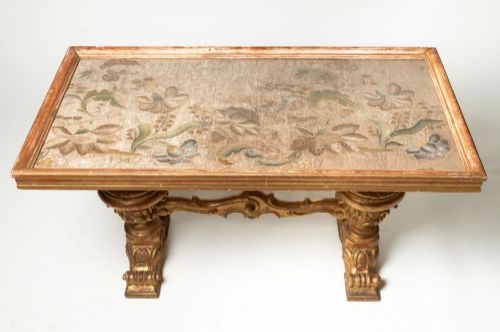
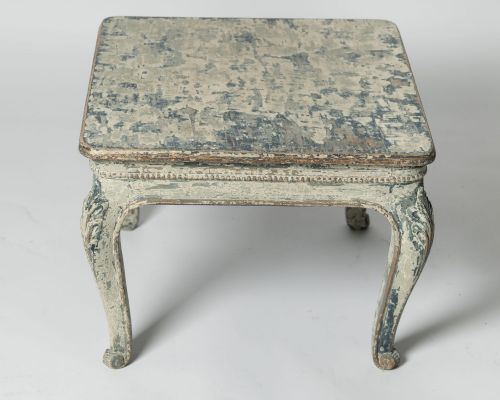
Selected pieces incorporate inset marble tops, lacquer finishes, marquetry inlay, or glazed panels set into sturdy wooden frameworks. Artisans applied patinated ebonising, French polishing, and specialist surface treatments depending on the regional workshop and period style.
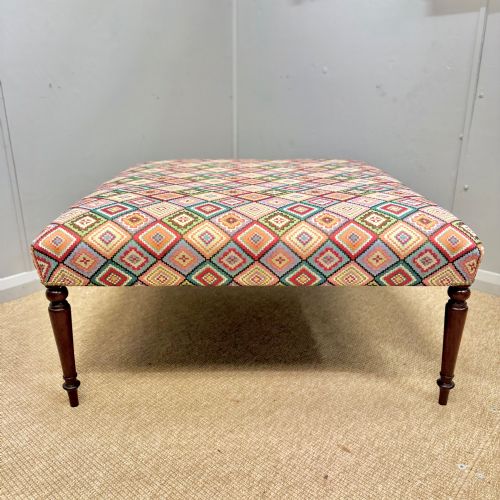
Several low tables double as former opium dens companions or heavy footstools ready for a second career holding tea.
What varies in quality
The distinction between standard and exceptional pieces rests on the crispness of the hand-carving and the selection of timber veneers. Tables featuring highly figured burr walnut, intricate pierced fretwork, or signed maker details demonstrate superior craftsmanship from established workshops.
Proportion and structural integrity separate fine examples from simpler utilitarian items. The depth of the carving, the quality of timber matching across the top, and the retention of original surface patination dictate the standing of each piece.
Holland And Sons Of London
The Low Carved Coffee Table Glossary
- Burr walnut
- A prized timber harvested from the wart-like growths on walnut trees, yielding swirling, knotty grain patterns used for decorative table tops.
- Padouk
- A heavy, durable tropical hardwood with a reddish hue utilised in fine oriental furniture and low tables.
- Fretwork
- Ornamental perforated or cut-out wooden patterns, frequently seen in panels on Asian and revival coffee tables.
- Giltwood
- Wood that has been treated with gold leaf or a gold-coloured metallic finish to create a brilliant decorative surface.
- Marquetry
- The art of applying pieces of veneer to a structure to form decorative patterns, common in inlaid French and Victorian tables.
Low Carved Coffee Table: Frequently Asked Questions
How do I care for a burr walnut table?
Burr walnut requires gentle cleaning with a soft, dry cloth to preserve the delicate grain patterns and polished finish.
Avoid placing these tables in direct sunlight or near heat sources to prevent the timber veneers from drying or cracking.
Are these tables originally coffee tables?
Many low tables from the nineteenth and early twentieth centuries began life as tea tables, opium tables, side tables, or footstools.
Lower proportions and sturdy construction made these forms natural candidates for adaptation and modern use as coffee tables.
How do I identify Edwardian oak tables?
Edwardian oak tables typically display sturdy construction, straightforward timber grains, and carving styles influenced by revival movements.
Examining the underside, joinery methods, and hardware helps distinguish these early twentieth-century pieces from later reproductions.