


Traditional Chinese Low Bench
Traditional chinese low bench designs bring grounded, low-profile seating and surface utility into modern interiors through time-tested vernacular forms.
Traditional Chinese Low Bench
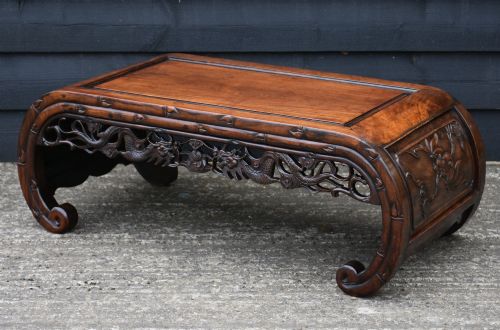
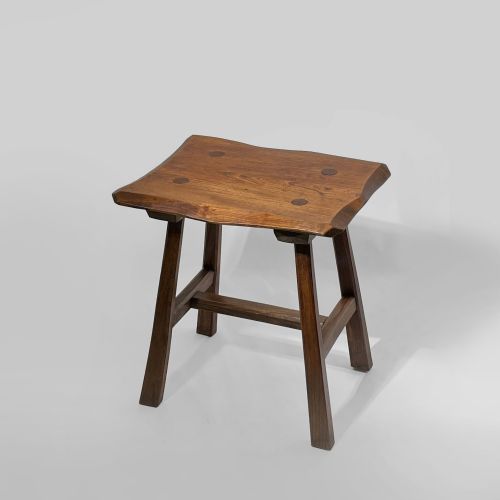
When searching for a traditional chinese low bench, you encounter low-slung seating and surface pieces historically used on heated platforms or as portable domestic furniture. These items range from simple rustic stools and plank-top trestle tables to carved scroll-end kang tables and rosewood opium tables.
The versions most commonly met on this page span the late nineteenth century through to the Edwardian period, often reflecting regional Chinese styles and rustic vernacular traditions. They function equally well today as low coffee tables or compact display surfaces in contemporary rooms.
Makers utilised a variety of native timbers, shaping sturdy forms intended for everyday utility rather than formal court display. Their low proportions and clean silhouettes suit minimalist and eclectic interiors alike.
How they were made
Carpenters constructed these pieces using dense timbers such as elm, rosewood, hongmu, and huanghuali wood, selected for structural strength and rich grain. Ebonised hardwood finishes also appear, providing a dark and uniform surface.
Joinery relied on traditional techniques that accommodated timber movement without relying on modern metal fasteners. Surfaces frequently feature subtle carved details, such as dragon motifs or scroll ends, executed directly into the solid wood.
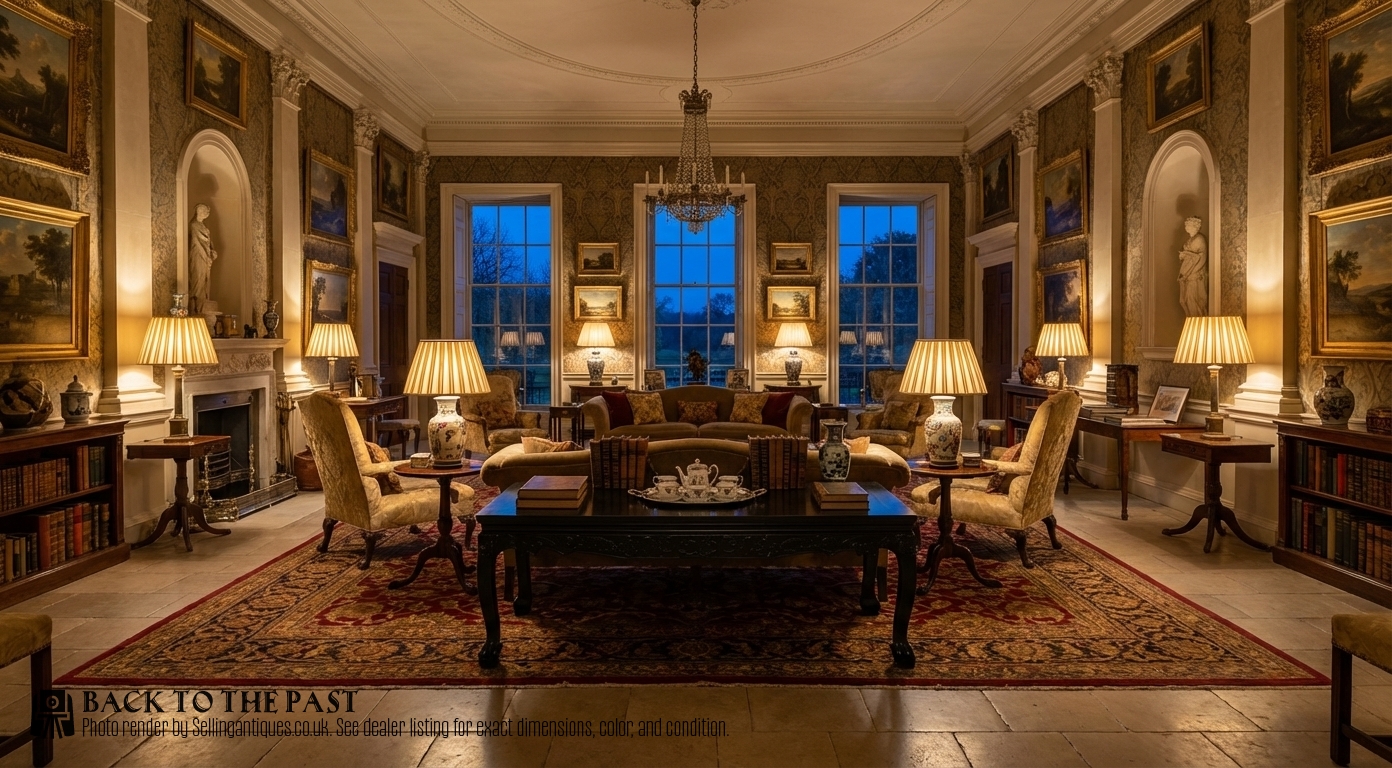
Dragon details occasionally peer out from beneath the tea tray.
What varies in quality
The choice of timber creates a primary distinction, with dense exotic hardwoods like huanghuali and hongmu commanding different visual presence compared to domestic elm. Timber selection dictates the weight, grain depth, and natural patina of each piece.
Execution of carved details and the crispness of scroll-end profiles separate standard vernacular pieces from finer examples. Proportion and structural integrity also vary, reflecting the regional workshop traditions from which the furniture originated.
The Traditional Chinese Low Bench Glossary
- Kang table
- A low table designed to sit on a heated brick bed, used for dining, writing, or resting. These pieces now serve well as coffee tables in modern homes.
- Opium table
- A traditional low-profile table associated with leisure and smoking customs of the period. They typically feature compact proportions and sturdy timber construction.
- Hongmu
- A categorical Chinese term for dense, heavy hardwoods, often translated as red wood. It encompasses several heavy species valued for furniture making.
- Huanghuali wood
- A prized fragrant rosewood native to China, known for its striking grain patterns and warm honey-brown tones. It represents the height of traditional cabinetmaking materials.
- Scroll-end
- A decorative terminal feature on table ends where the timber curves outward and upward like a rolled scroll. This detail adds elegance to otherwise functional low furniture.
Traditional Chinese Low Bench: Frequently Asked Questions
What is a traditional chinese low bench used for today?
These pieces serve primarily as low coffee tables, accent surfaces, or compact seats in modern living spaces.
Their low height makes them ideal for placing in front of low sofas or utilising as display platforms for art objects.
How do I date a traditional chinese low bench?
Dating relies on timber characteristics, construction methods, and stylistic indicators recorded from the nineteenth and early twentieth centuries.
Evidence on this page points toward pieces originating from the 1890s up to the Edwardian era.
What is the difference between a kang table and an opium table?
Kang tables were originally built to sit on heated domestic platforms in northern China, while opium tables served similar low-profile functions for leisure.
In modern usage, the terms often overlap to describe any compact, low-standing wooden table from the region.
Are these benches made from solid wood?
The listings show construction from solid timbers including elm, rosewood, hongmu, and huanghuali wood.
Carpenters used heavy regional hardwoods to ensure the low frames remained stable and durable over decades of domestic use.