
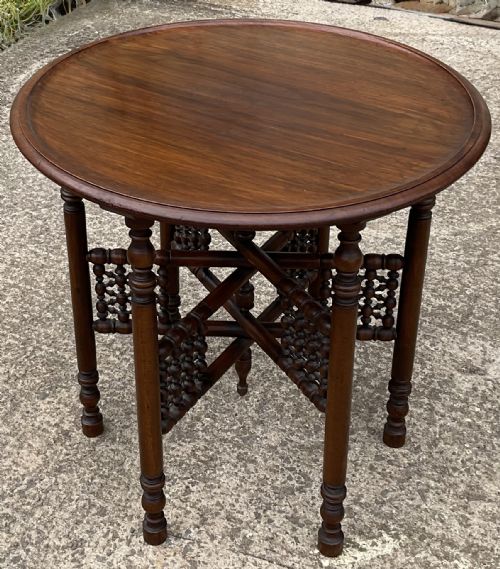


Oriental Low Wooden Table
An oriental low wooden table brings low-level surface space and rich texture to a room, drawing the eye with varied timbers and historical carvings.
Oriental Low Wooden Table
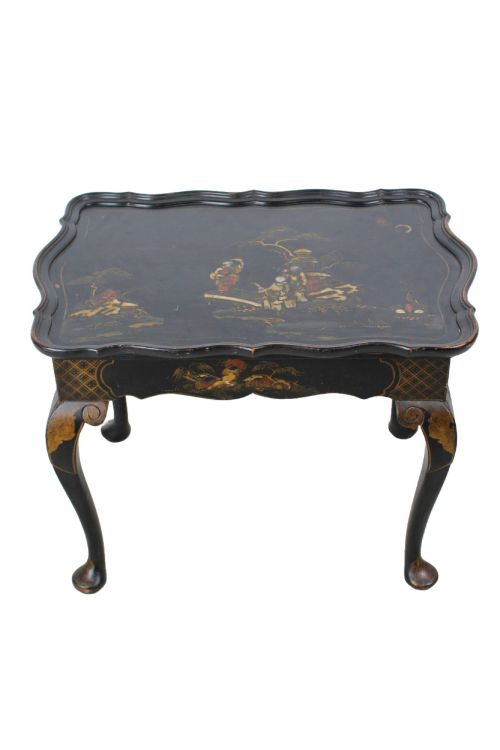
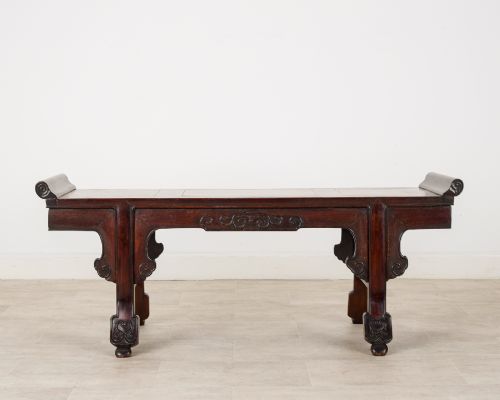
When you search for an oriental low wooden table, you encounter a diverse selection of low furniture originating from Asian traditions, adapted over time for Western sitting rooms. The selection ranges from nineteenth-century Chinese opium tables and Kang tables to Japanese chabudai tea tables and Edwardian chinoiserie pieces.
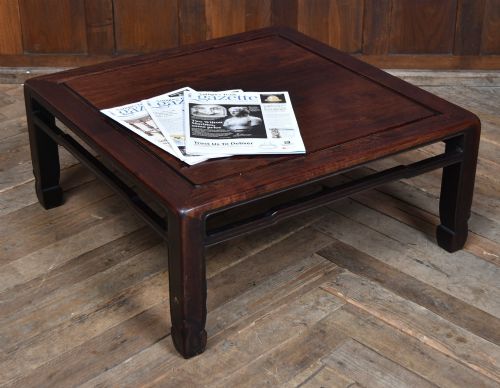
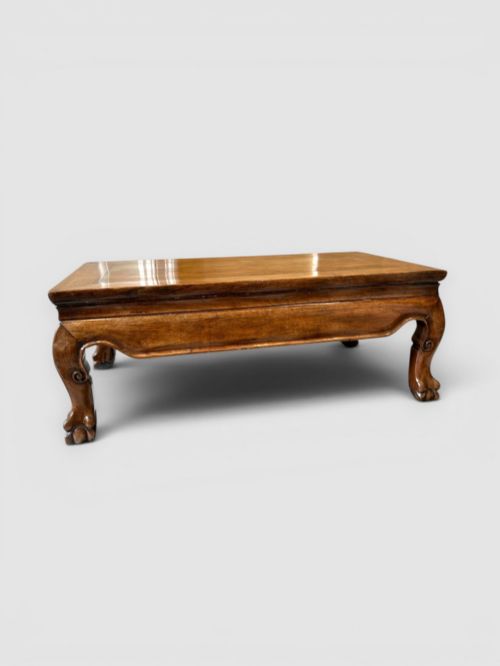
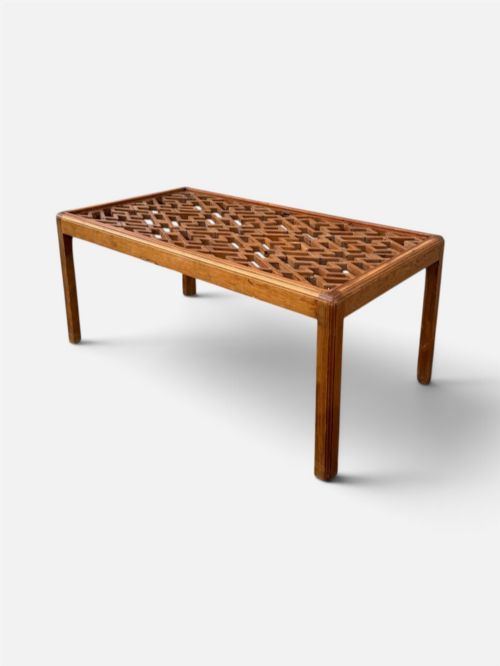
The form is predominantly low to the floor, built to serve as coffee tables, plant stands, or occasional surfaces. Common configurations include rectangular low tables with subtle carvings, rustic elm variants, and pieces incorporating glass tops or antique fretwork panels.
Materials and construction
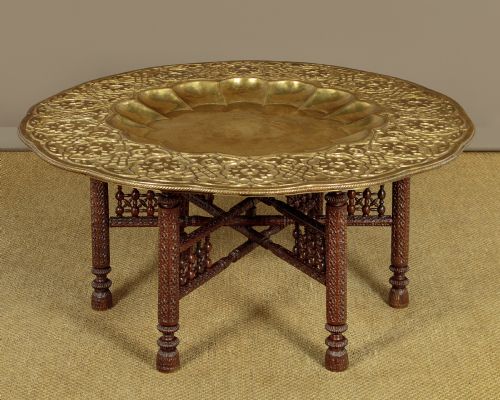
Construction relies heavily on dense timbers such as hardwood, padouk, elm, rosewood, and teak, which provide structural integrity for low-profile furniture. Artisans utilised traditional joinery alongside brass accents, painted finishes, and red lacquer to decorate surfaces.
Many examples feature hand-carved panels, fretwork, or polished patinas developed over decades of use. Glass tops also appear on certain hybrid designs to protect antique panels utilised within twentieth-century frames.
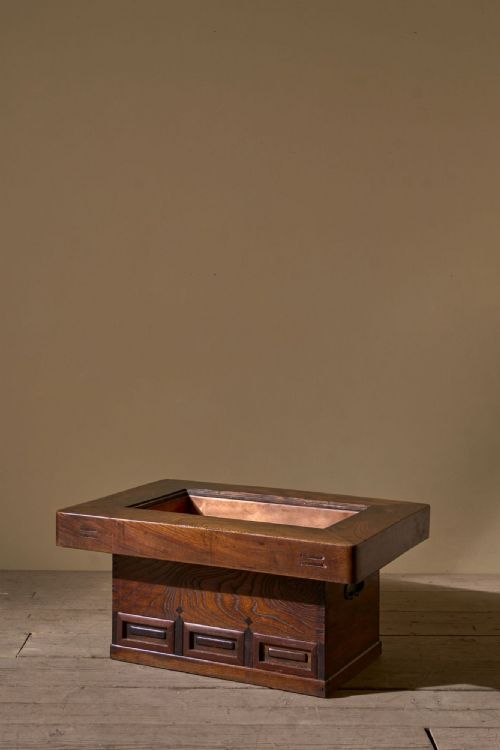
Several tables retain evidence of past lives as window seats, altar benches, or hibachi heating units before finding new roles as coffee tables.
What sets examples apart
Quality rests in the depth of the timber's natural patina, the crispness of hand-carving on aprons and legs, and the integrity of traditional joinery. Superior pieces display thoughtful proportions and genuine age in the wood grain.
Lesser items may show heavy modern alterations, stripped surfaces that lose historical character, or uninspired secondary timber choices. The distinction lies in whether the surface tells a coherent story of its period and origin.
The Oriental Low Wooden Table Glossary
- Opium table
- A traditional low Chinese table originally used for dining, resting, or smoking while seated on cushions or platforms. These pieces typically feature short legs and recessed panel construction.
- Kang table
- A low rectangular platform table designed for use on a heated brick bed in northern Chinese homes. They often display modest carving along the waist and short, inward-curving legs.
- Padouk
- A heavy, durable tropical hardwood prized for its reddish hue and smooth finish. Cabinet makers select it for fine tables requiring strength and rich colour.
- Patina
- The surface sheen and softening of colour developed by wood through age, handling, and regular polishing. A good patina indicates undisturbed historical maturity.
Oriental Low Wooden Table: Frequently Asked Questions
What is an oriental low wooden table used for?
These pieces function primarily as coffee tables in modern living spaces, offering a low profile that anchors a room without blocking sightlines. They suit informal seating arrangements and smaller spaces.
Historically, many served as dining, tea, or sleeping platform surfaces in Asian households. Today, they bring sculptural presence and practical surface space to contemporary interiors.
How do I identify a Chinese opium table?
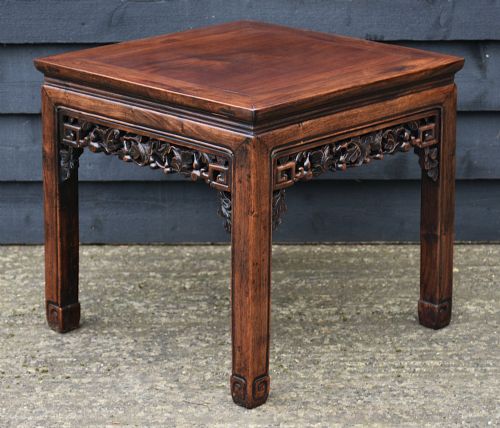
A Chinese opium table is characterised by its low stature, rectangular top, and short legs, which often terminate in horseshoe feet or simple scrolls. The aprons beneath the tabletop frequently feature subtle carvings or pierced designs.
They appear in dense hardwoods like rosewood and padouk, as well as rustic elm. Their proportions reflect a design meant for use close to the floor.
Are Japanese and Chinese low tables different?
Japanese low tables, such as the chabudai or hibachi table, tend towards restraint, minimalist lines, and domestic utility using regional timbers like elm. They focus on clean surfaces suited to kneeling.
Chinese low tables, including Kang and opium variants, often incorporate more pronounced carvings, recessed legs, and heavier exotic hardwoods like padouk or rosewood. Both traditions prioritise low-level living but express distinct cultural aesthetics.
How do I care for an antique low table?
Protect the wood by avoiding direct sunlight and maintaining stable room humidity to prevent timber splitting. Dust regularly with a soft, dry cloth rather than using silicone sprays.
Feed the dry wood periodically with a suitable wax to preserve the patina. Use coasters under drinks to protect historical polished or lacquered surfaces from moisture marks.