





Antique Asian Coffee Table
An antique asian coffee table brings low seating and rich timber into a room, spanning Qing Dynasty traditions and Edwardian interpretations.
Antique Asian Coffee Table
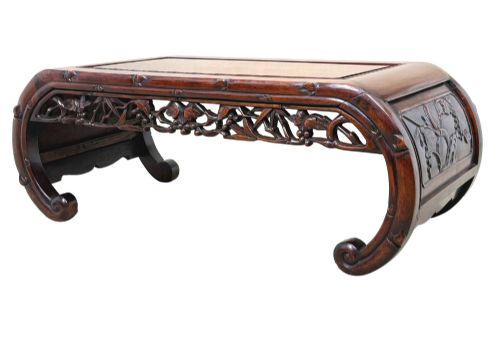
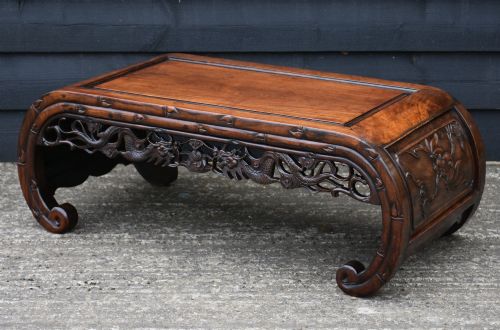
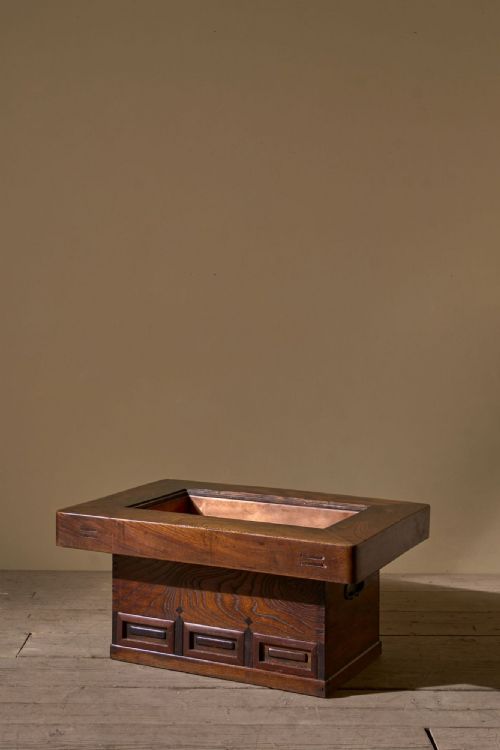
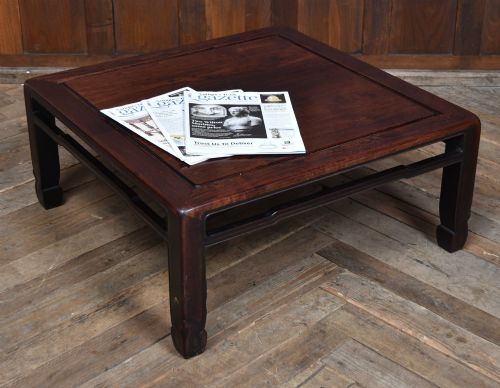
When you search for an antique asian coffee table, you encounter low tables, opium tables, and occasional pieces originating from China and Japan. These tables adapt historical forms such as kang tables and hibachi tables into functional low surfaces for modern rooms.
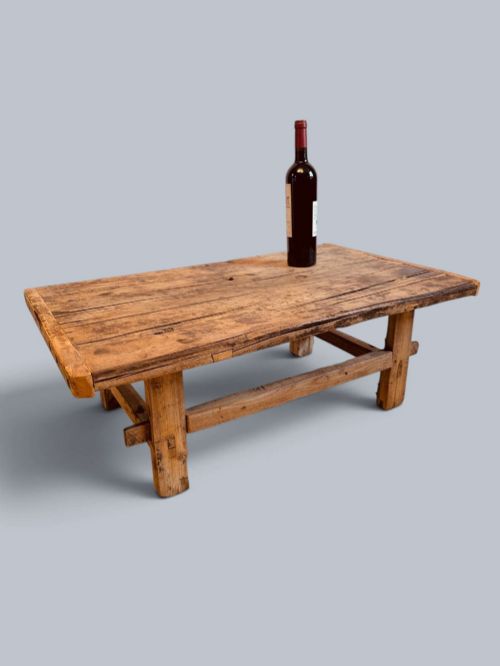
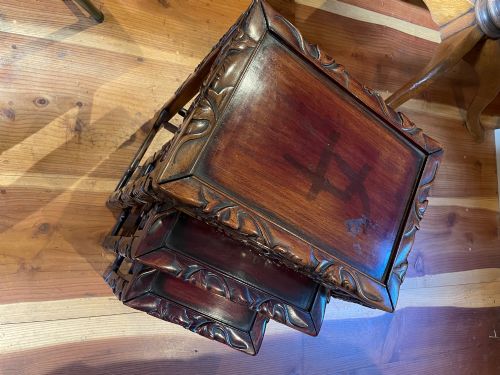
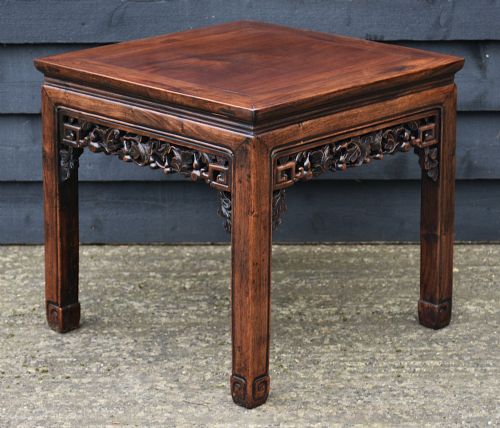
The pieces on this page appear most frequently as nineteenth-century hardwood low tables and early twentieth-century nests of tables. Elm, rosewood, and lacquer define the majority of the inventory.
Origins stretch across Chinese Qing Dynasty designs alongside Edwardian chinoiserie pieces created in Britain. This mix offers both authentic regional craftsmanship and British interpretations of Eastern aesthetics.
Materials and construction
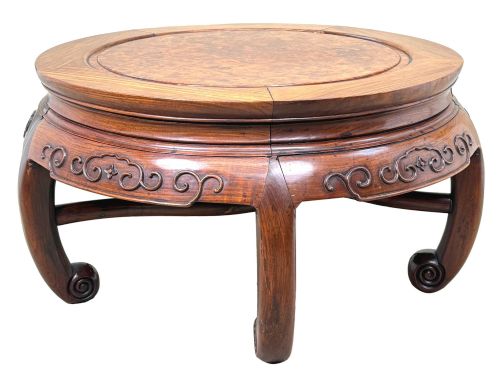
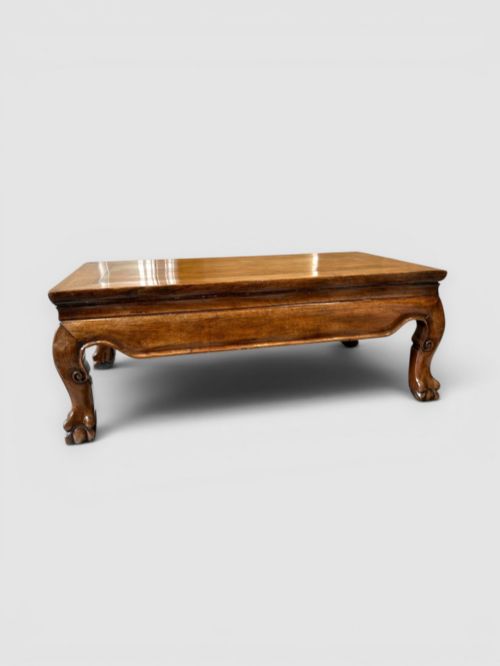
Makers utilised dense timbers including rosewood, padouk, teak, and elm to build these low tables. Hardwood construction provides structural stability for low-slung surfaces that often feature carved aprons and dragon details.
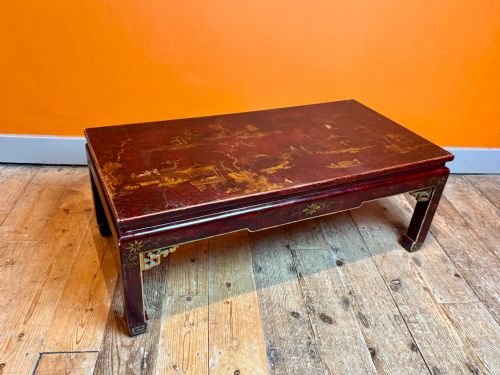
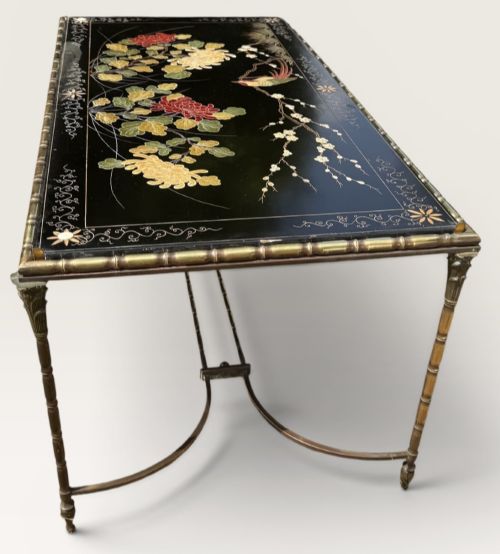
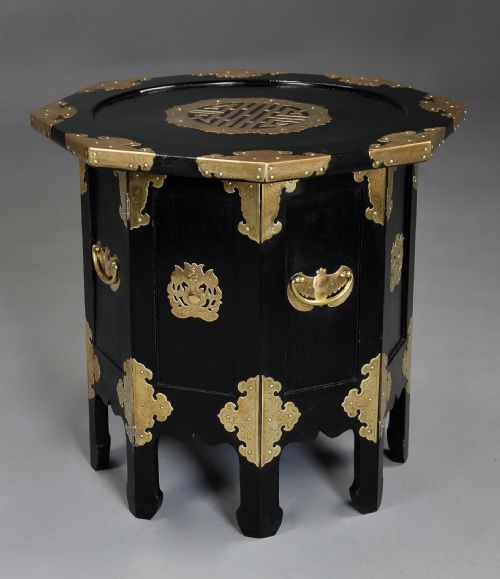
Lacquered wood and painted finishes appear alongside natural timber grains, particularly in Burmese and Chinese examples. Brass mounts and glass tops integrate into certain pieces to protect delicate surfaces or enhance decoration.
Antique Asian Coffee Table Retail Price Guide 2026
Typical asking prices for asian coffee table among the pieces listed under this phrase on Sellingantiques today, from the lower quarter to the upper quarter. They describe what is for sale here now, not the wider market.
Some temple drums found a second life as red lacquered tables.
Judging the execution
The standard of carving distinguishes exceptional examples from standard production. Crisp detailing on dragon motifs and scroll-ends demonstrates superior hand-carving skill.
Timber selection and joinery integrity dictate the durability and visual weight of each piece. Well-executed traditional joinery allows wood to move naturally across seasons without compromising stability.
The Antique Asian Coffee Table Glossary
- Kang table
- A low platform table traditionally used on heated brick beds in northern China. These pieces form the basis for many low coffee tables seen today.
- Opium table
- A colloquial term for low Chinese tables with scrolled legs and recessed legs, utilised historically for smoking or dining while seated on cushions.
- Chinoiserie
- European theatrical interpretation of Chinese artistic traditions, popular during the Edwardian period on tray-top and occasional tables.
- Hibachi table
- A Japanese heating device integrated into a low wooden table frame, adapted in the early twentieth century for occasional use.
- Padouk
- A heavy, durable tropical hardwood with reddish tones, frequently employed in fine Chinese furniture making.
Antique Asian Coffee Table: Frequently Asked Questions
What is an opium table?
An opium table is a low wooden table traditionally used in China for dining, resting, or social rituals while sitting on the floor.
Today, these low proportions make them suitable for modern living rooms as coffee tables placed in front of low sofas.
How do I clean a lacquered table?
Dust lacquered wood gently with a soft, dry cloth to prevent scratching the delicate surface. Avoid harsh chemical cleaners and excessive moisture, which can damage historic lacquer.
Keep these tables away from direct sunlight and heat sources to preserve the finish.
Are nest of tables authentic?
Nests of tables appear in both traditional Chinese multi-tier sets and Edwardian British sets decorated in chinoiserie styles.
They offer practical surface space that stacks away neatly when not in use.
What wood was used?
Asian tables utilise hardwoods such as rosewood, elm, padouk, and teak, selected for their grain and structural strength.
Lacquered surfaces often conceal softer timber underneath while providing decorative colour and protection.