






Chinese Carved Low Table
A chinese carved low table brings grounded proportion and intricate relief work into a room, offering a functional surface rooted in centuries of Asian craftsmanship.
Chinese Carved Low Table
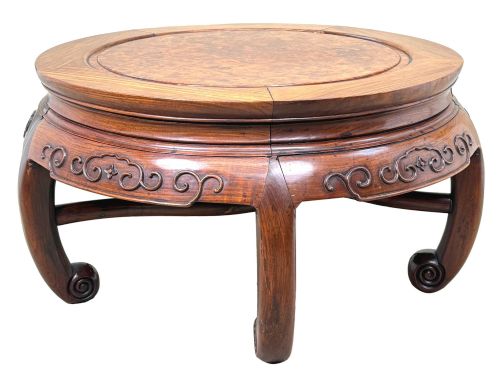
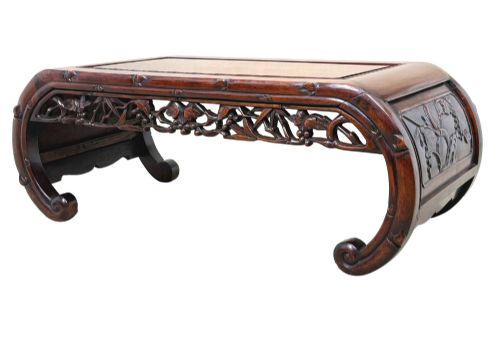
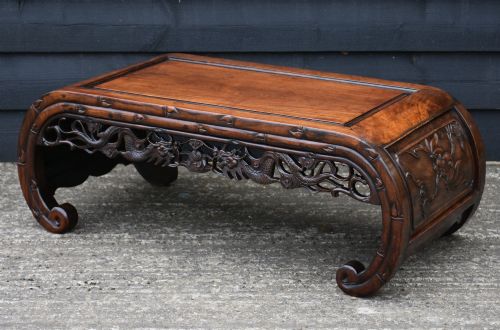
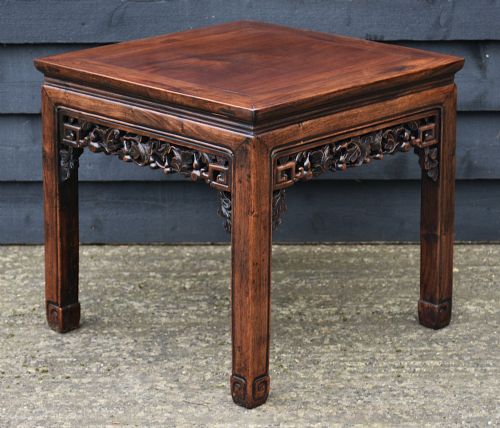
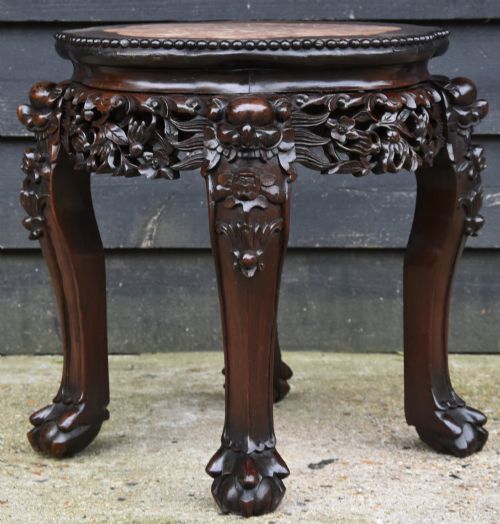
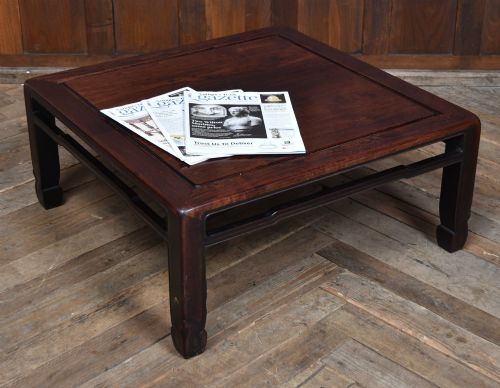
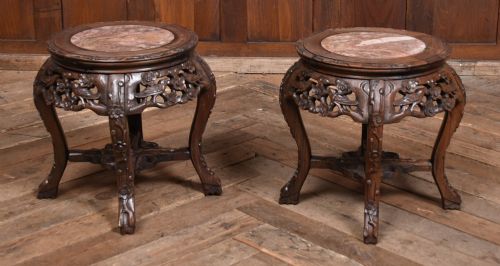
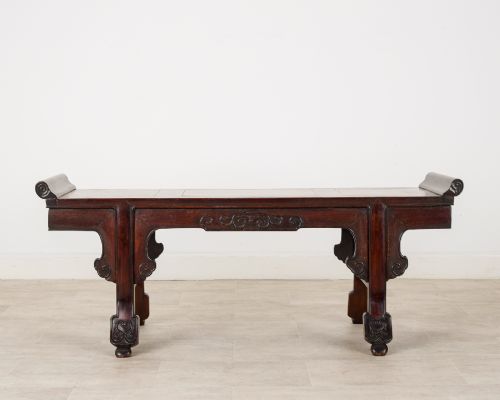
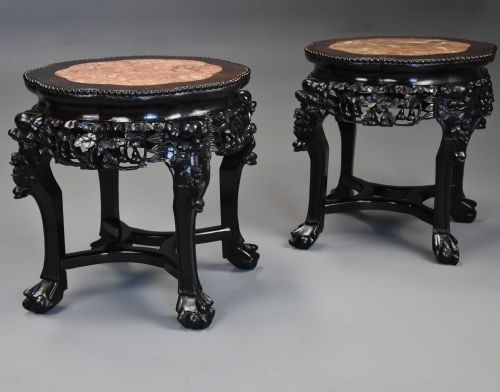
A chinese carved low table encompasses various forms designed for sitting near the floor, including kang tables, opium tables, and low plant stands. The pieces seen here span the nineteenth and twentieth centuries, reflecting traditional domestic functions adapted over time into coffee tables and display surfaces.
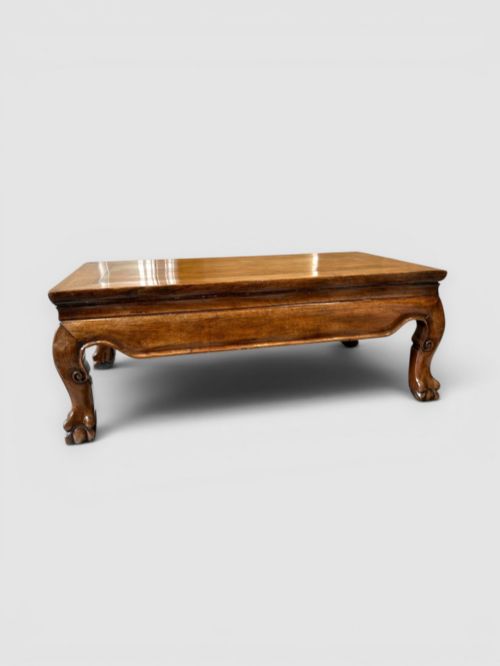
Buyers frequently encounter hardwood variants associated with the Qing Dynasty and Chinese Export styles, often featuring rectangular or circular tops. These domestic furnishings range from low scroll-end designs to smaller recessed-leg tables intended for tea or display.
The material palette leans heavily on dense timbers like rosewood, padouk, and hongmu, alongside occasional elm and lacquered finishes. Regional workshop traditions inform the variety of carved motifs, from dragon details to subtle fretwork panels.
What Varies in Quality
The crispness and depth of the hand-carving define the upper tiers of production, where motifs display sharp undercut relief rather than shallow moulding. Dense timbers like hongmu and heavy rosewood command higher regard than softer elm or secondary woods due to their weight and durability.
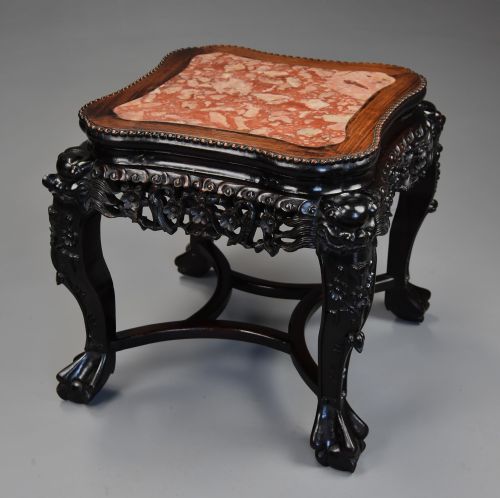
Construction integrity relies on the tightness of traditional joinery and the preservation of the original timber grain without excessive repair. Integration of high-grade inset marble slabs, particularly those with strong natural veining, elevates the standing of individual tables.
Patina and surface finish dictate visual success, with untouched waxed surfaces outperforming stripped or heavily refinished examples. Proportion and balance in scroll-ends or apron carvings distinguish superior workshop output from simpler commercial pieces.
Chinese Carved Low Table Retail Price Guide 2026
Typical asking prices for chinese carved low table among the pieces listed under this phrase on Sellingantiques today, from the lower quarter to the upper quarter. They describe what is for sale here now, not the wider market.
Listings feature pieces spanning the nineteenth century through the nineteen-fifties, dominated by rosewood, hardwood, and marble materials.
The Chinese Carved Low Table Glossary
- Kang table
- A low platform table traditionally used on a heated brick bed in northern China for dining, writing, or resting. These pieces now function widely as low coffee tables.
- Hongmu
- A trade term meaning red wood, applied to dense and heavy tropical hardwoods used in traditional Chinese furniture. It typically exhibits a dark reddish-brown hue.
- Padouk
- A durable exotic hardwood valued for its strength and rich red-brown tone, frequently utilised in nineteenth-century Chinese export tables. It takes a fine carved edge.
- Opium table
- A common Western descriptor for small, low nineteenth-century Chinese tables originally used for lounging or smoking. They feature compact proportions and recessed legs.
- Scroll-end
- A structural feature where the short ends of a table top curl outward into a stylized scroll shape. This stylistic touch appears frequently on Qing Dynasty kang tables.
- Jardiniere stand
- A small elevated surface designed to hold a plant pot or flower vase. These pieces share similar carved hardwood construction with low tables.
Chinese Carved Low Table: Frequently Asked Questions
What is a kang table?
A kang table is a low domestic surface historically placed on a heated masonry sleeping platform in northern China. These compact pieces were used for eating, reading, or serving tea.
Today, their low profile and decorative aprons make them well-suited for use as coffee tables in contemporary living spaces.
How do I style a low table?
Placing a low table in front of a sofa creates a strong horizontal focal point that mirrors traditional Asian interior arrangements. Keeping the surface uncluttered allows the carved details and timber grain to remain visible.
These tables also function effectively as plant stands or display surfaces for ceramics when placed against a wall.
What wood are these tables made from?
Most examples utilise dense Asian hardwoods, primarily rosewood, padouk, and hongmu, which were chosen for their durability and dark tones. Elm and lacquer finishes also appear across different regional workshop traditions.
These materials contribute significant weight and allow for crisp, detailed hand-carved relief work.
Are marble tops original?
Inset marble tops are a traditional feature found on nineteenth-century jardiniere stands and select low tables. Variegated rouge or grey marble slabs were fitted directly into the wooden framework to provide a cool, durable surface.
Examining the fit and the timber shrinkage around the stone helps confirm the originality of the inset.