


Asian Carved Low Table
An asian carved low table brings grounded presence to a room, offering low-level surface space shaped by centuries of woodworking tradition.
Asian Carved Low Table
An asian carved low table encompasses forms traditionally built for seating near the floor, including kang tables, opium tables, and scholar's pieces. These items surface frequently as coffee tables or occasional furniture in modern interiors.
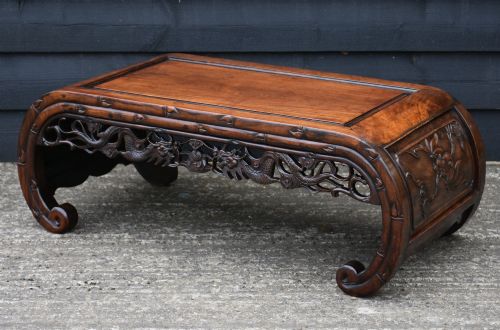
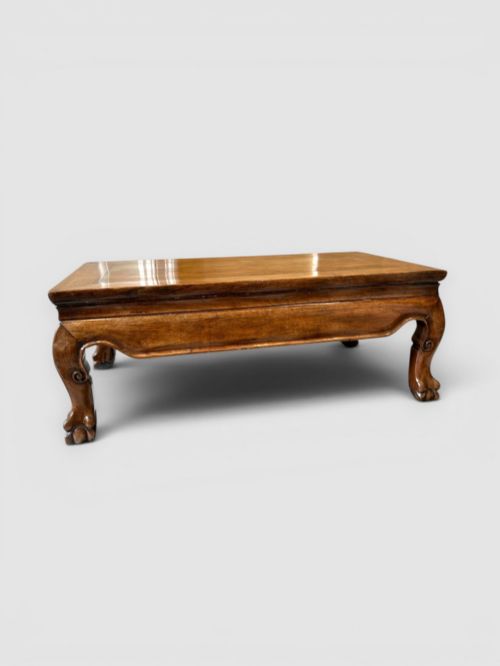
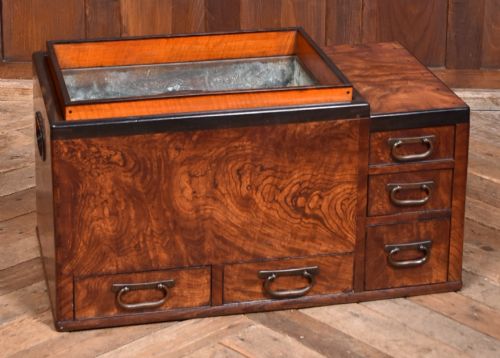
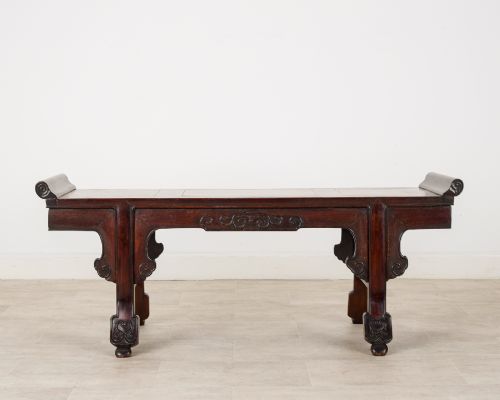
The selections span the nineteenth and twentieth centuries, featuring rectangular formats, round shapes, and scroll-end designs. Originating largely from Chinese traditions under the Qing dynasty, alongside Japanese variants, they adapt well to contemporary living spaces.
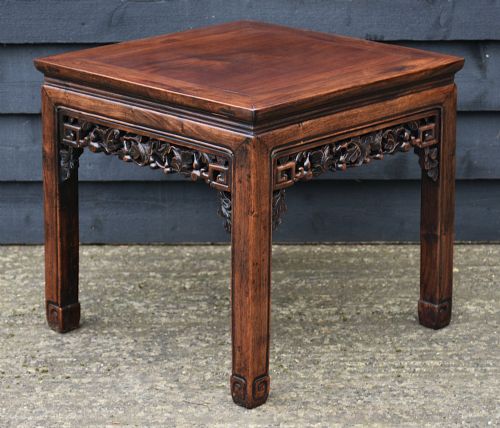
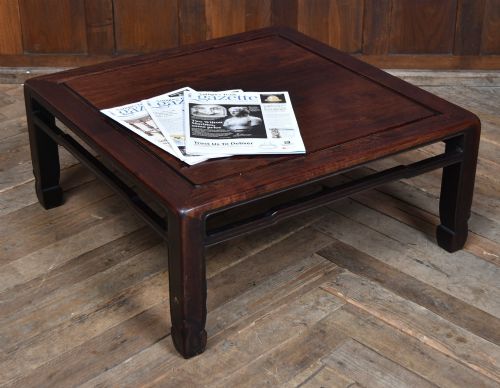
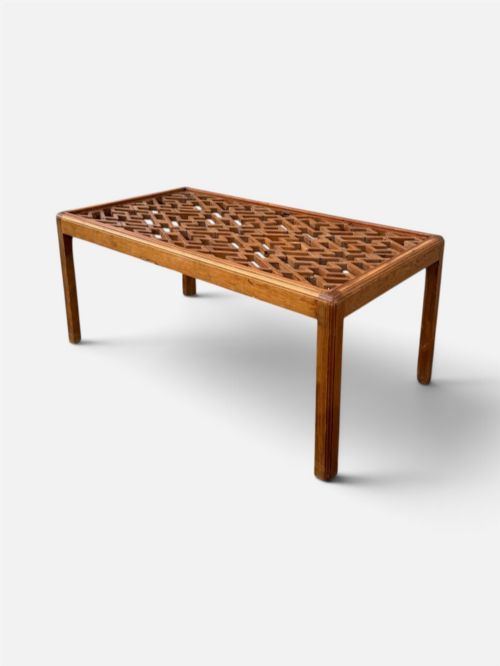
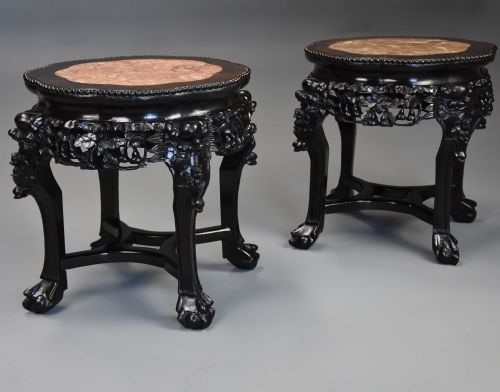
Makers utilised dense timbers and fitted them with carved panels, fretwork, or raised relief detail. Buyers encounter everything from simple elm boards to elaborate rosewood and padouk constructions.
How they were made
Joinery relied on traditional framing techniques that accommodated seasonal movement in dense timbers without metal fasteners. Artisans shaped dense woods like rosewood, padouk, huanghuali, and hongmu using hand tools to create precise mortise and tenon joints.
Surface treatments involved either polished patination that highlighted the natural grain of the hardwood or applications of red lacquer. Carvers added dragon motifs, scroll ends, and fretwork panels by hand directly into the structural elements.
Listings feature hard timbers including rosewood, padouk, elm, and huanghuali across nineteenth and twentieth-century production.
What varies in quality
The refinement of the carving dictates much of the distinction between pieces, moving from simple geometric fretwork to deeply sculpted dragon details and raised relief. Crispness of line and depth of relief show the hand of a skilled artisan.
Selection of timber changes the character of the object, with dense rosewood, padouk, and huanghuali carrying more weight and richer natural grain than softer elm or general wood. The stability of the patina and the integrity of the original joins complete the distinction.
The Asian Carved Low Table Glossary
- Kang table
- A low platform table designed to sit upon a heated brick bed in traditional northern Chinese homes. They now function widely as coffee tables.
- Opium table
- A low-profile surface traditionally used for resting smoking paraphernalia or dining close to the floor. These feature characteristic short legs and sturdy frames.
- Padouk
- A dense, durable tropical hardwood prized for its reddish hue and smooth finish. It appears frequently in nineteenth-century Chinese tables.
- Huali
- A fragrant hardwood from the rosewood family used in classical Chinese furniture. It displays striking grain patterns.
- Fretwork
- Openwork carving arranged in geometric or interlocking patterns. It often appears beneath the tabletop or along aprons.
Asian Carved Low Table: Frequently Asked Questions
What is an asian carved low table?
An asian carved low table is a low-profile wooden surface originating from traditions such as the Chinese kang or opium table. These items were originally built for floor-level use.
Today, they serve well as coffee tables or accent furniture in living rooms, bringing distinct woodwork and historic character to a space.
How were opium tables used?
Opium tables provided a stable, low surface within reach of floor seating or sleeping platforms. They held utensils, lamps, and personal items.
In modern homes, their low height makes them suited for placement in front of low sofas or as central display surfaces.
What woods were used for these tables?
Craftsmen utilised heavy tropical hardwoods including rosewood, padouk, huanghuali, and hongmu. Elm and general mixed hardwoods also appear.
These dense materials supported intricate hand-carved details and developed deep patinas over decades of use.
How do I style a low table?
A low table works best when paired with upholstery that matches its proportions, allowing the carved apron and legs to remain visible. Keep surface styling minimal to highlight the timber grain and fretwork.
They anchor a seating area while maintaining open sightlines across the room.