
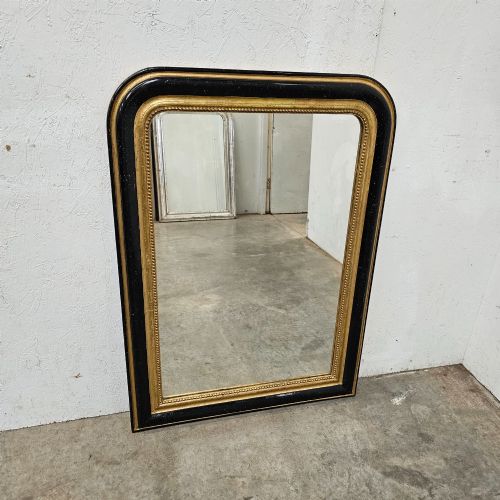
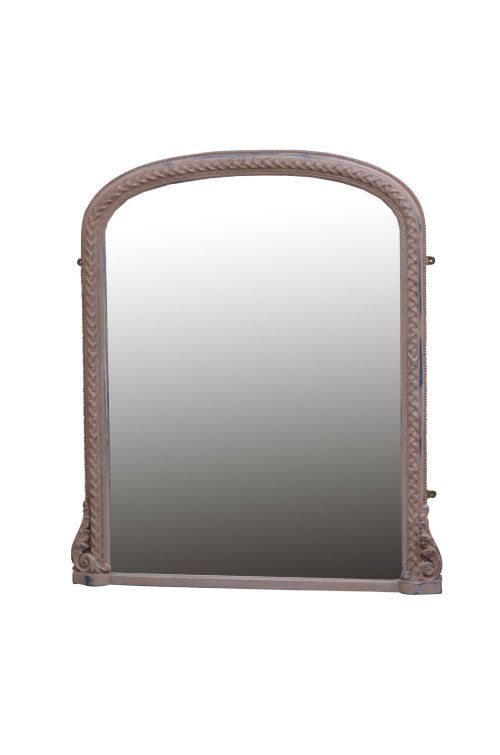

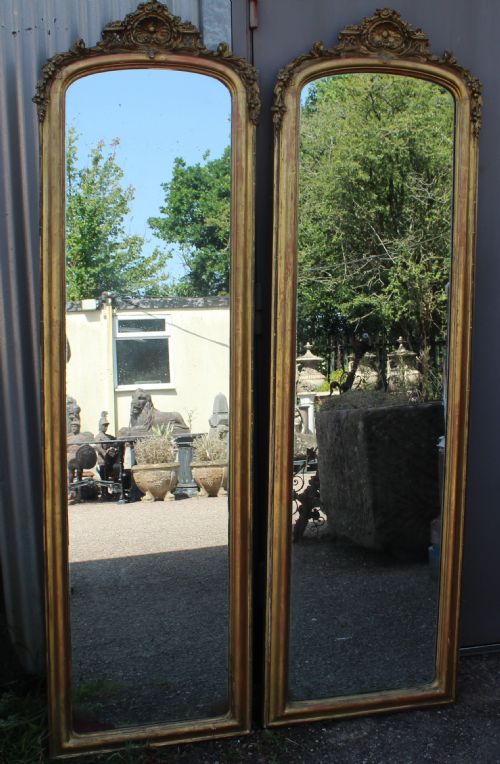
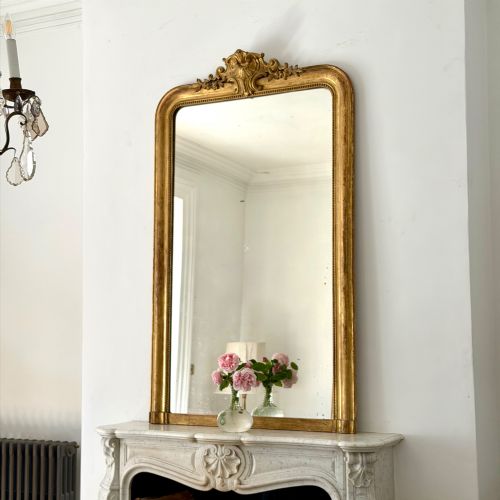
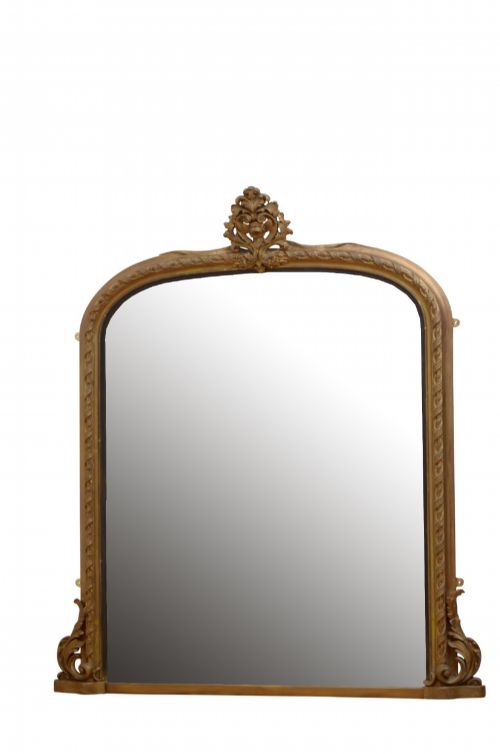
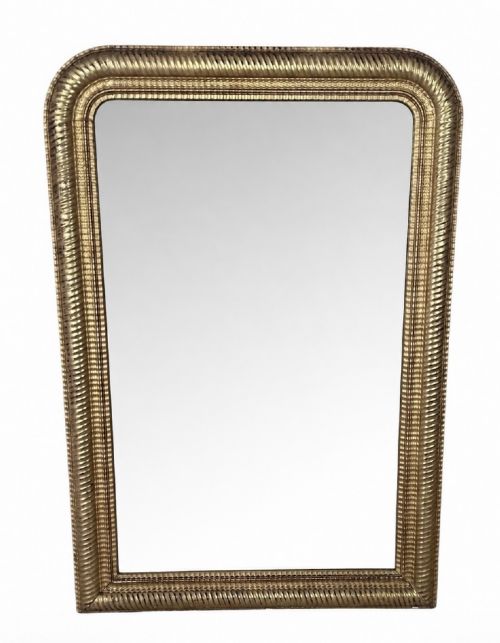
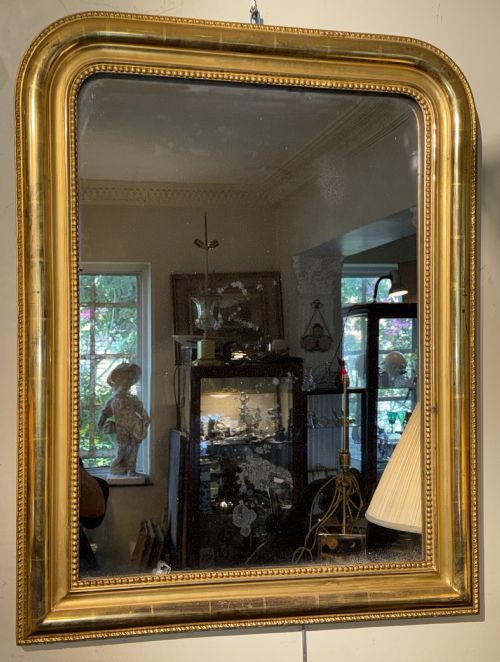
Louis Philippe Overmantel Mirror
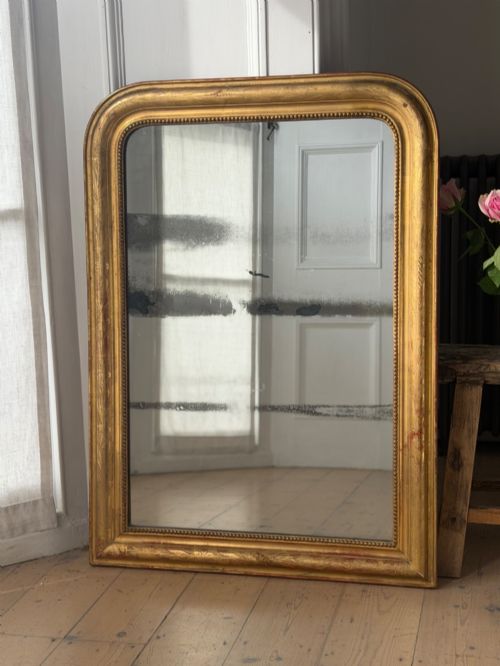
A louis philippe overmantel mirror brings understated French elegance to a chimney breast with its clean arched top and restrained gilded frame.
Louis Philippe Overmantel Mirror
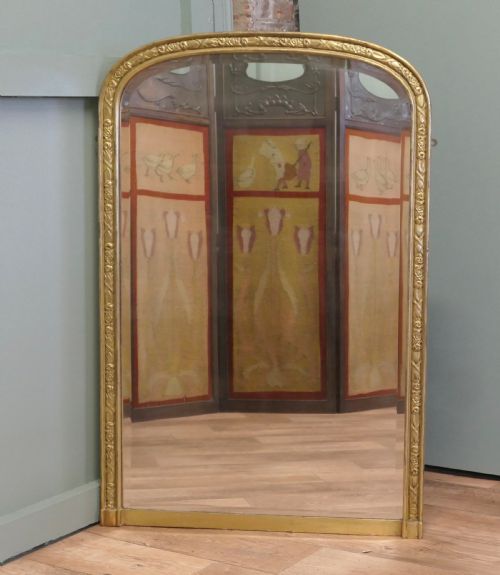
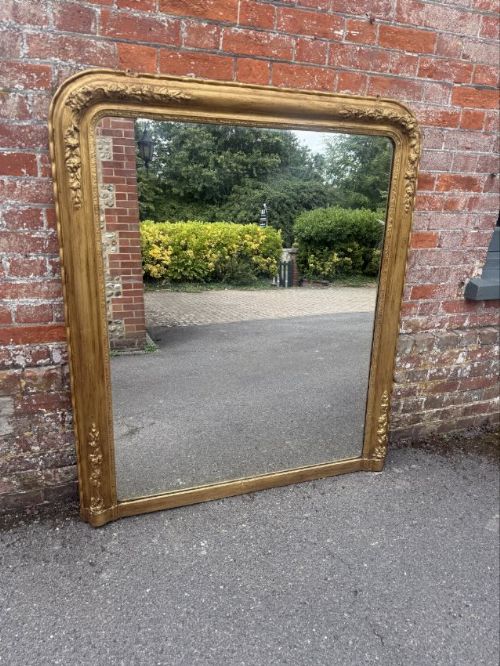
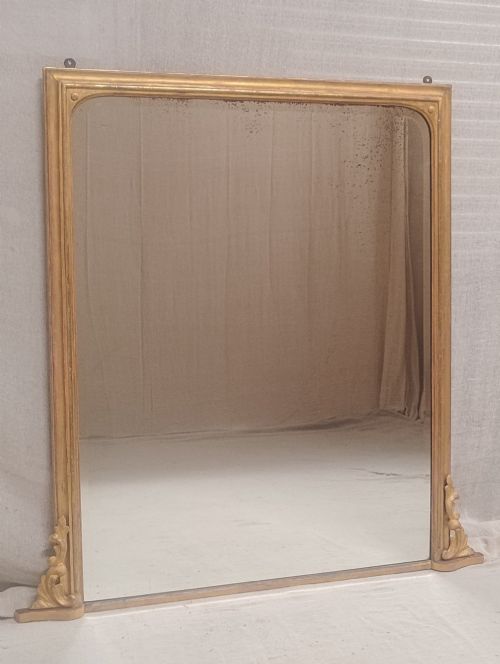
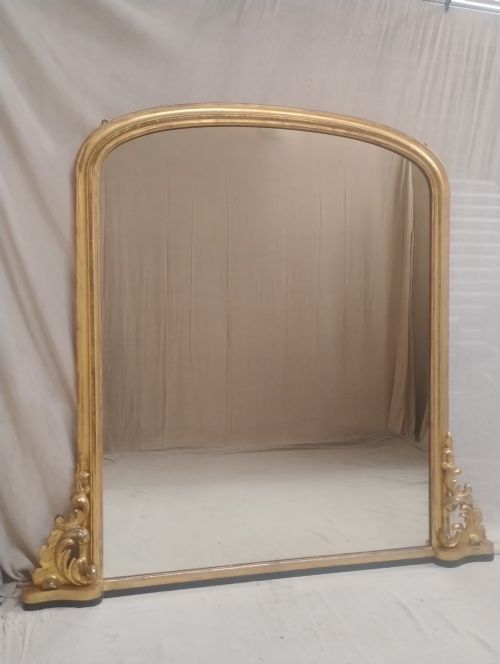
A louis philippe overmantel mirror is a substantial wall glass designed to sit above a fireplace mantel, typically originating from the nineteenth century. These pieces combine simple geometric proportions with gentle arched or shaped tops, distinguishing them from more ornate Victorian or Second Empire designs.
The versions most commonly found here are French in origin, spanning the eighteen-fifties to the eighteen-eighties, often rendered in generous proportions reaching well over a metre in height. They serve equally well as principal wall mirrors in reception rooms or hung low above low mantelpieces.
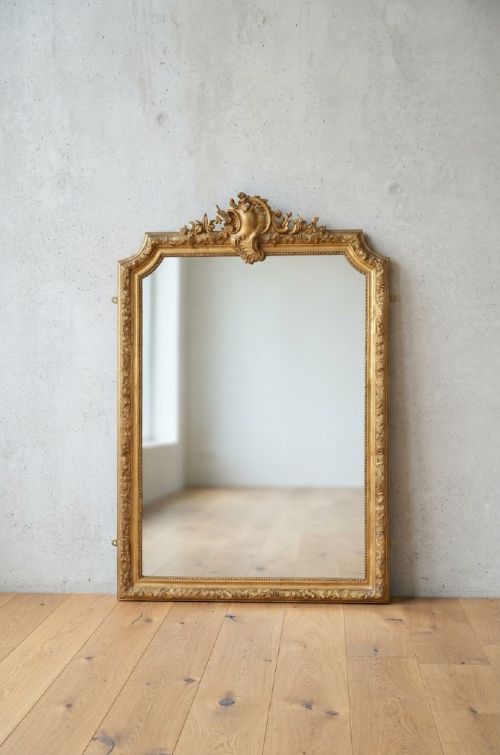
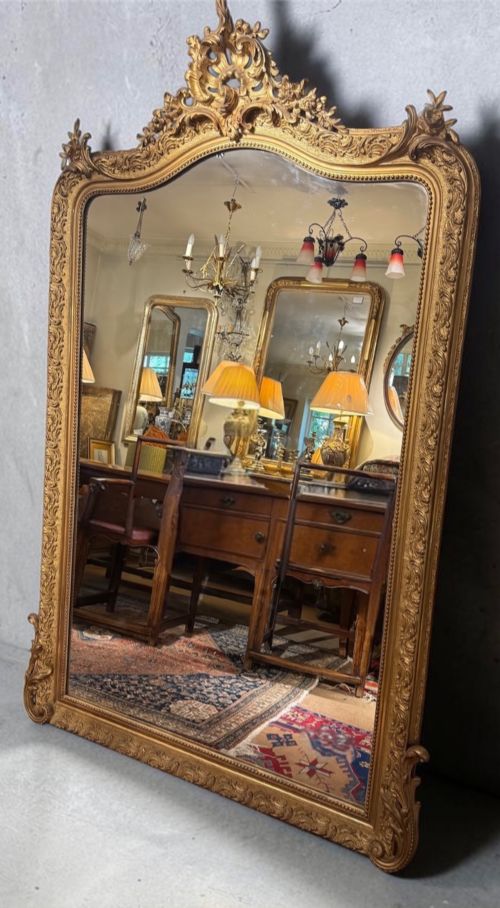
Makers and craftsmen of the period favoured clean sightlines over heavy ornamentation, though occasional examples include subtle decorative elements like central cartouches, ripple frames, or painted wooden palettes.
Materials and construction methods
The structural framework of these mirrors is typically constructed from carved wood, upon which layers of gesso are applied to build up crisp mouldings and delicate decorative profiles. Giltwood, gold leaf, and silver leaf provide the characteristic metallic sheen, while alternative finishes include black ebonised wood, cream paint, or layered coloured palettes.
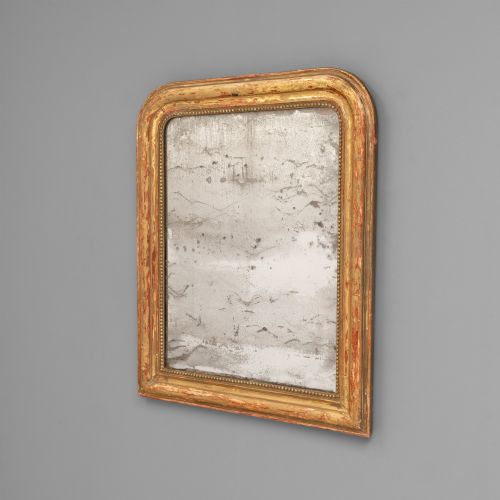
Reflecting surfaces rely on traditional mirror glass, frequently recorded with period characteristics such as foxed mercury backing that shows age and character. Frames range from plain moulded wooden borders to intricately carved panels featuring shaped tops and central cresting.
Materials recorded across current stock include gesso, giltwood, silver leaf, mirror glass, and ebonised wood.
Evaluating quality and condition
Quality in a louis philippe overmantel mirror rests on the crispness of the gesso work beneath the gilding and the integrity of the original wood frame construction. Pieces retaining their original mercury glass plates demonstrate superior historical authenticity compared to later replacements.
Proportion and scale dictate the visual impact, with taller examples offering greater architectural presence in high-ceilinged rooms. The depth and warmth of the original gilding or the subtlety of period painted finishes further separate standard domestic examples from finer decorative pieces.
The Louis Philippe Overmantel Mirror Glossary
- Overmantel mirror
- A large wall mirror specifically proportioned to hang on the wall directly above a fireplace mantelpiece. These pieces often feature an arched top to echo architectural fireplace openings.
- Gesso
- A plaster-like mixture applied to a wooden frame to create a smooth surface for gilding or painting. It allows craftsmen to carve crisp decorative details.
- Giltwood
- Timber that has been decorated with a thin layer of gold leaf or metallic powder. It provides a luminous surface that catches ambient room light.
- Mercury glass
- An early form of mirror glass backed with a mercury and tin amalgam rather than modern silvering. It often develops dark spots and a characteristic mottled appearance known as foxing.
- Cartouche
- An ornamental framed tablet or oval design, frequently placed centrally at the top of a mirror frame. It acts as a focal point for carved ornamentation.
- Ripple frame
- A moulding profile featuring a series of small, undulating parallel ridges. This technique creates texture and visual movement around the mirror glass.
Louis Philippe Overmantel Mirror: Frequently Asked Questions
How do I hang a heavy overmantel mirror?
These large nineteenth-century frames require secure fixing directly into wall studs or masonry using heavy-duty brackets. Professional installation is strongly recommended due to the substantial combined weight of the wood, gesso, and thick glass.
Ensure the hanging wire or integrated mirror rings are checked for strength before mounting above a fireplace. Positioning the base of the frame to rest slightly on the mantelpiece can also help support the overall load.
What is foxed mercury glass?
Foxed mercury glass refers to the natural ageing process where the reflective backing behind the glass develops spots, clouding, and discoloration over decades. This chemical breakdown is entirely normal in pieces dating from the nineteenth century.
Many collectors value foxed glass because it proves the mirror retains its original plates and provides a soft, atmospheric reflection rather than a harsh modern mirror image.
Can these mirrors be placed in dining rooms?
An overmantel mirror works exceptionally well in dining rooms, particularly when hung on a main wall to reflect light and create a sense of expanded space. Their tall proportions draw the eye upward and complement antique dining furniture.
When using a piece off the mantelpiece, ensure it is hung at a comfortable viewing height that reflects tabletop or chandelier details rather than empty ceiling space.