
Ornate French Mirror
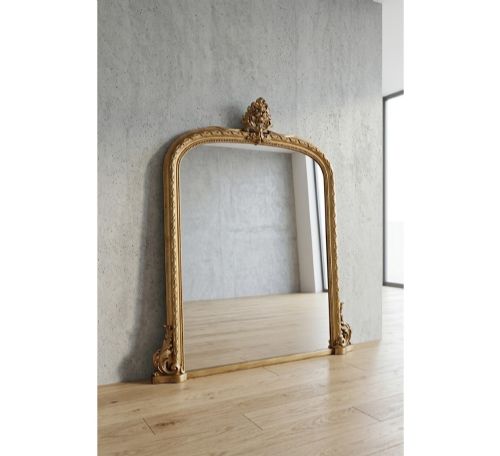
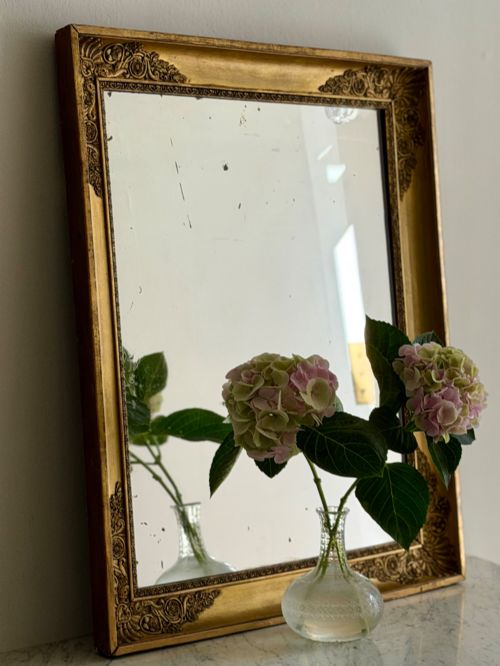
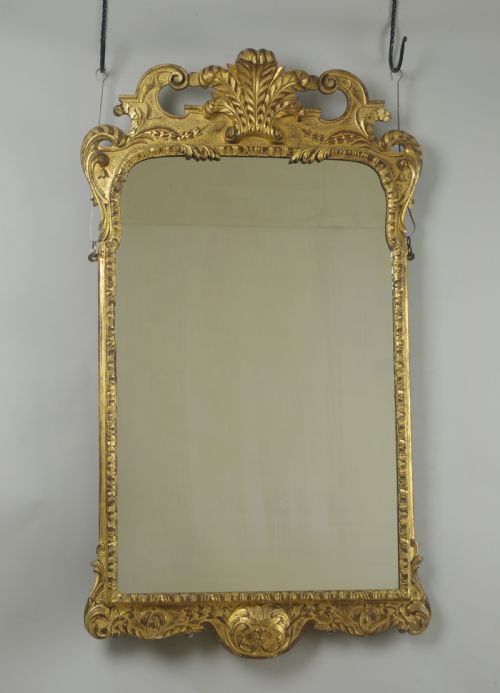
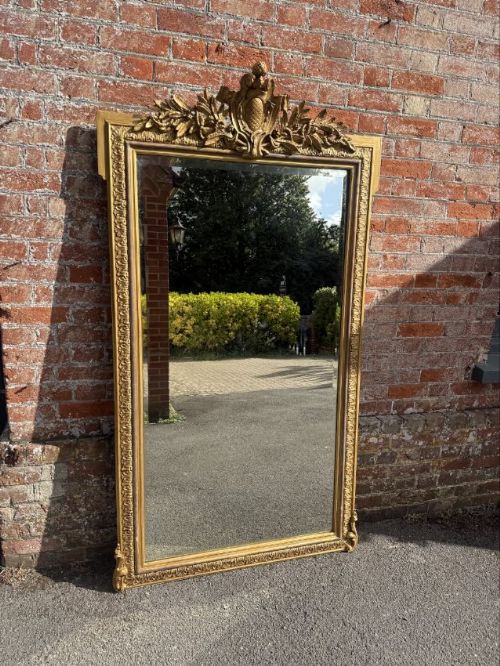
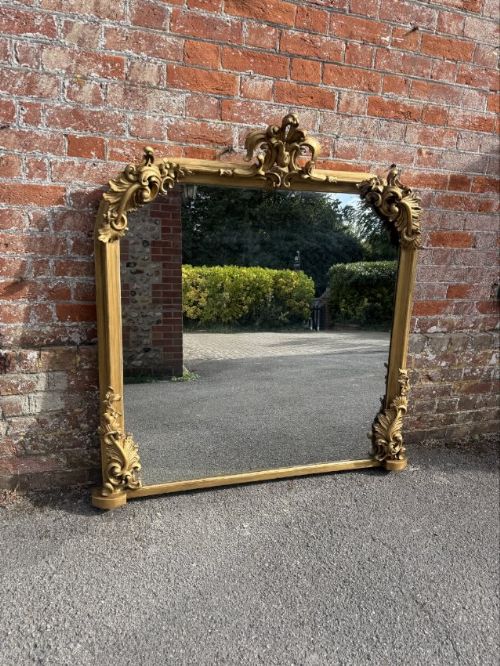
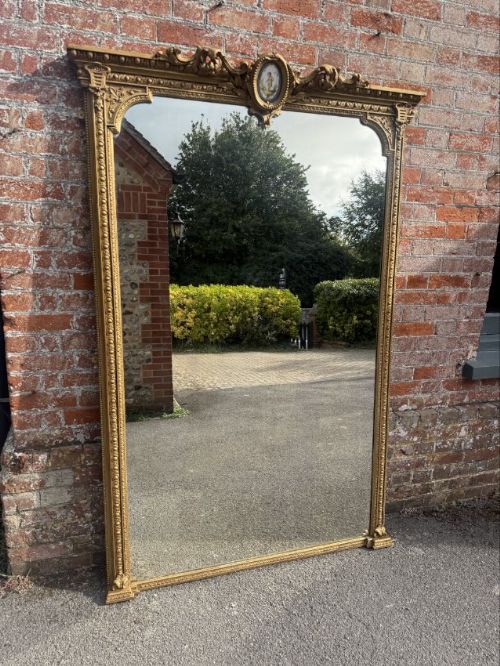
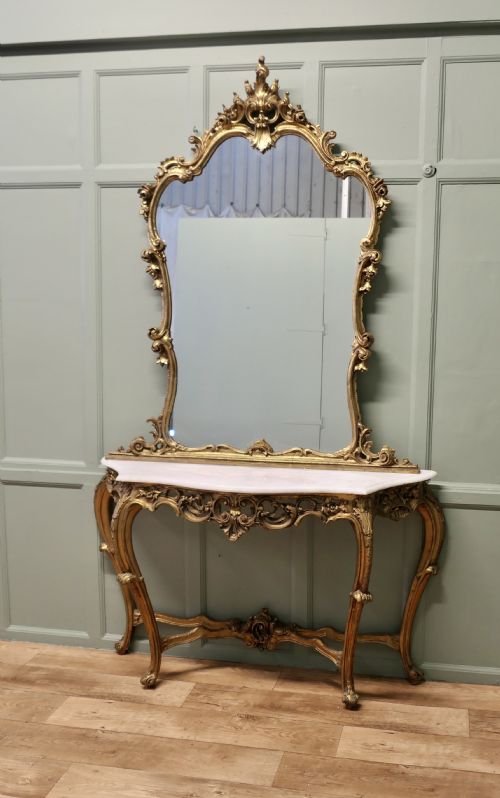
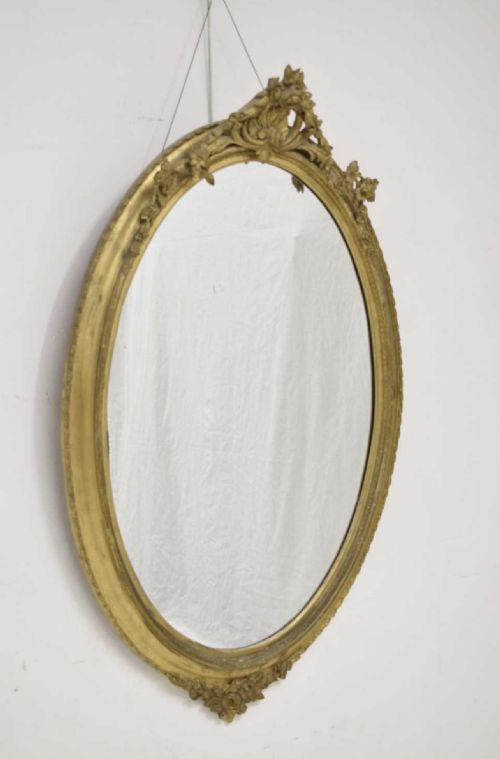
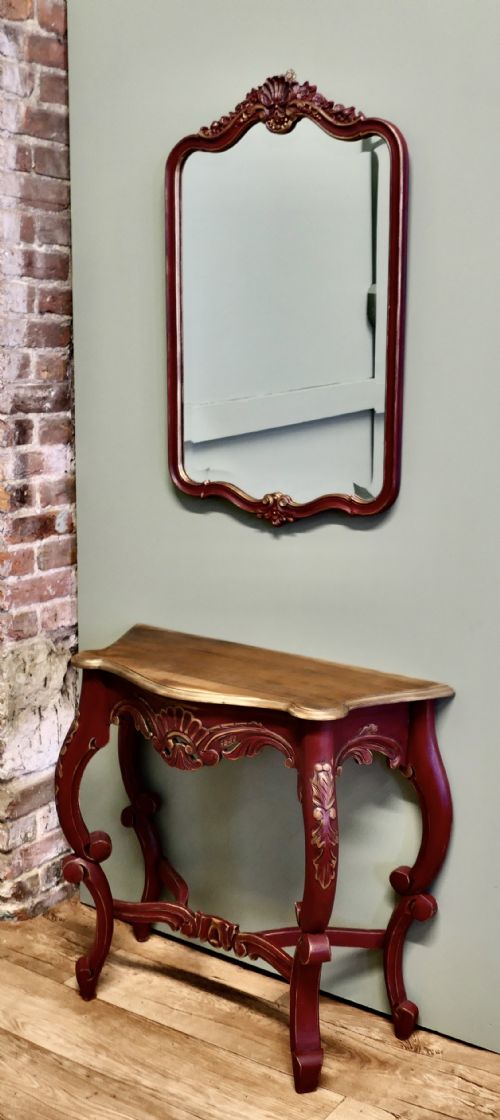
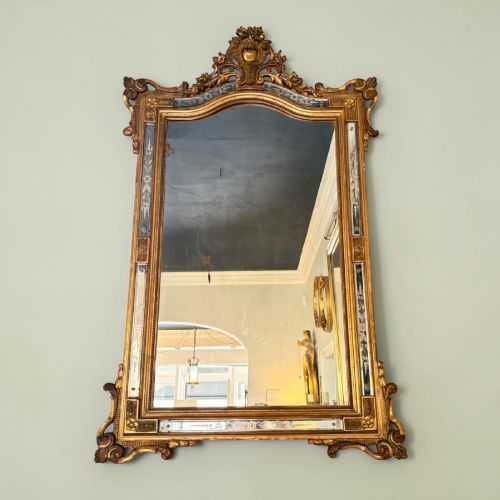
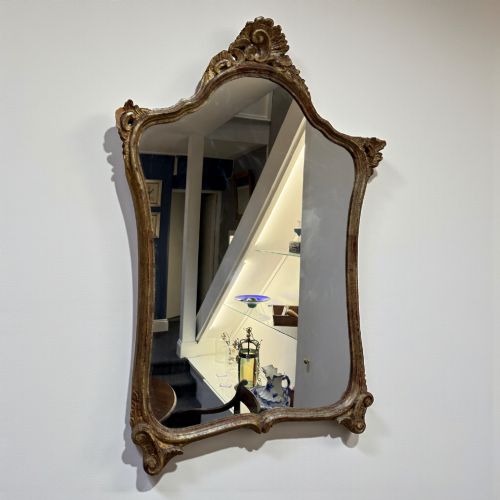
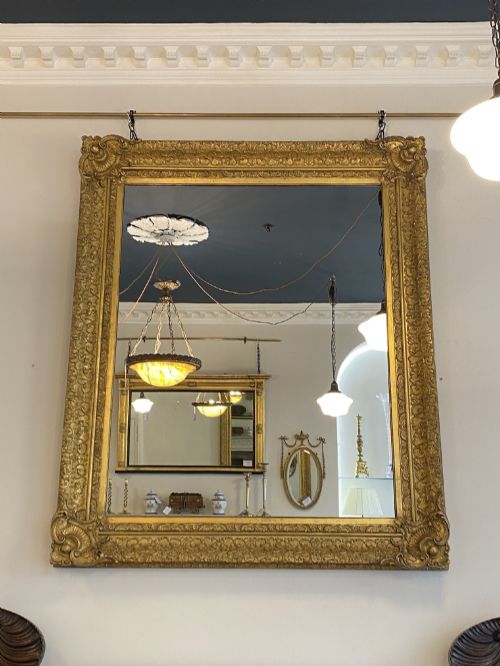
When choosing an ornate french mirror, you select a decorative wall or overmantel piece defined by elaborate carved framing and historical character.
Ornate French Mirror
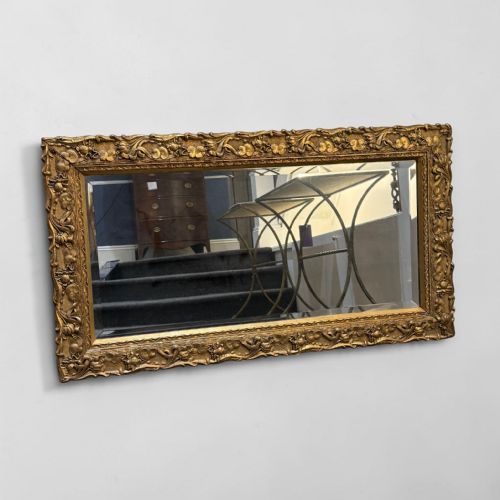
An ornate french mirror encompasses large overmantel designs, wall hangings, and smaller tabletop or dressing pieces originating primarily across the nineteenth and eighteenth centuries.
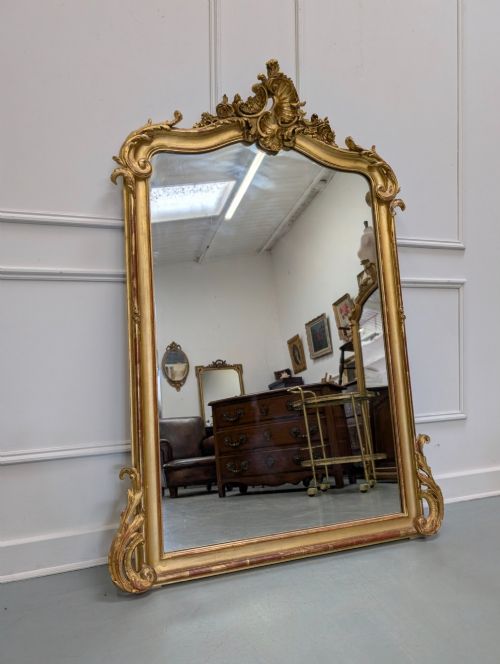
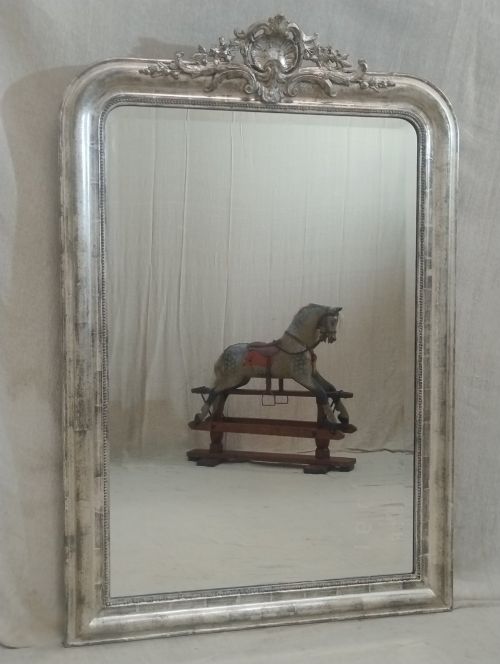
Buyers encounter distinct stylistic revivals, notably Rococo and Louis XV influences, frequently characterised by sweeping crests, cartouches, and floral motifs.
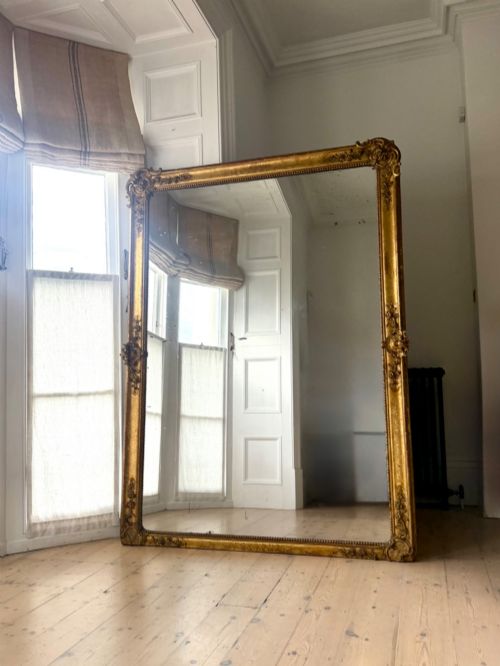
Formats range from massive architectural leaner mirrors designed for grand salons to intimate oval girandoles fitted with candle sconces.
How They Were Made
Traditional frames rely on a carved timber foundation built from woods such as oak or pine, often layered with gesso to build up high-relief scrollwork and floral detail.
Gilding techniques applied gold leaf or metallic paint over the prepared surfaces, while alternative examples utilise cast brass, bronze, or champlevé enamel.
Reflective surfaces include original mercury plates showing natural foxing alongside later replacement glass.
Unusual finds in the collection include playful fish carvings and coat stands paired with mirrors.
What Varies in Quality
The depth and crispness of the hand-carved ornamentation distinguish master-produced frames from simpler moulded composition pieces.
Preservation of the original gilding or painted surface alters the visual weight, especially where gentle distressing reveals the warm gesso underneath.
The character of the mirror plate itself contributes heavily to authenticity, with period mercury silvering offering distinct mottled oxidation.
The Ornate French Mirror Glossary
- Giltwood
- Timber coated with gold leaf or gold dust applied over a prepared bole. This traditional finish creates a warm, metallic sheen on historical frames.
- Gesso
- A plaster-like mixture applied to wood frames and carved into intricate relief details. It provides a smooth base for subsequent gilding or painting.
- Overmantel Mirror
- A large mirror designed to hang specifically above a fireplace mantelpiece. These pieces often feature landscape proportions to suit architectural wall spaces.
- Girandole
- A decorative wall mirror fitted with attached candle sconces or branches. The polished glass reflects the candlelight to illuminate the room.
- Foxed Glass
- Mirror plate showing dark spots and mottled patches caused by the degradation of the backing over time. Collectors prize this aged appearance for authenticity.
- Louis Philippe
- A mid-nineteenth-century French style characterised by restrained curves and arched tops. It balances ornate detailing with architectural simplicity.
Ornate French Mirror: Frequently Asked Questions
Where should I hang an overmantel mirror?
These large pieces sit naturally above a fireplace mantelpiece to anchor the room's proportions and reflect natural light. They also function effectively as leaner mirrors placed directly on the floor against a principal wall.
Ensure the wall anchors securely support the substantial combined weight of the timber frame and glass plate. Positioning the piece opposite a window maximises the illumination within the space.
How do I identify a nineteenth-century French mirror?
Look for traditional construction methods such as pegged timber joints, hand-carved gesso ornamentation, and heavy backboards secured with old nails. Stylistic cues include Rococo revival scrolls, floral crests, and classical pediments typical of the period.
Examine the mirror plate for signs of age, including bevelled edges, thickness variations, and natural foxing. Original mercury backing often displays a distinctive crystalline speckling distinct from modern manufacturing.
What is foxed glass and is it desirable?
Foxed glass refers to the speckled dark spots and silvery patches that develop as the reflective backing deteriorates over long periods. This natural ageing process proves the antiquity of the mirror plate.
Many collectors specifically seek out foxed glass for its authentic visual texture and historical charm. It softens the reflection and adds distinct character to period interiors.
How do I clean and care for an antique gilt frame?
Dust the carved ornamentation gently using a very soft, dry brush to prevent dislodging delicate gesso details. Avoid applying liquid cleaners, moisture, or chemical polishes directly to the gilded or painted surfaces.
Keep the mirror away from direct sunlight and damp environments to protect the antique wood and metallic leaf. Professional restoration should be consulted if the gesso begins to flake.