

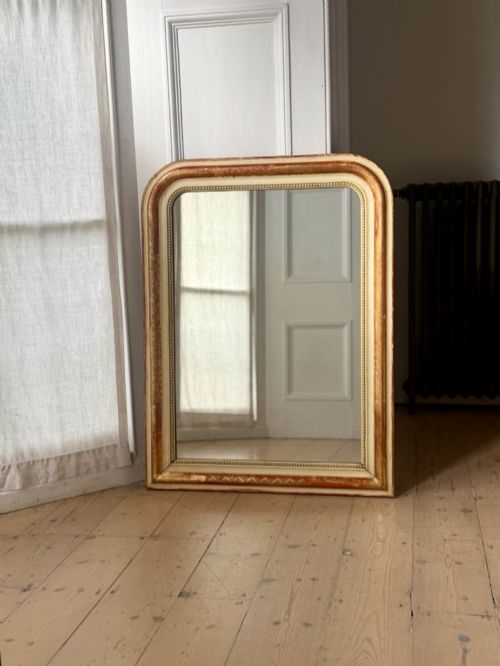


Vintage Hearth Mirror
A vintage hearth mirror brings period character to a room, offering brass frames, gilded gesso, and oak woodwork that anchor a fireplace.
Vintage Hearth Mirror
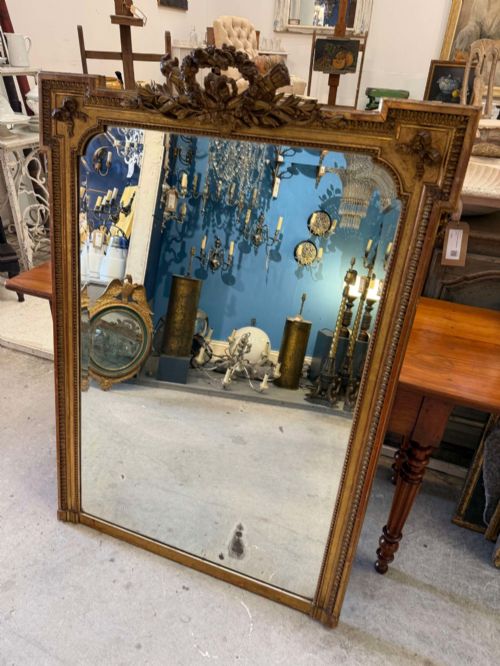
When you search for a vintage hearth mirror, you find pieces designed to sit near a fireplace, catch the flicker of flames, and reflect light across a room. The selections here span the Victorian, Edwardian, and Art Deco eras, alongside French Louis Philippe designs.
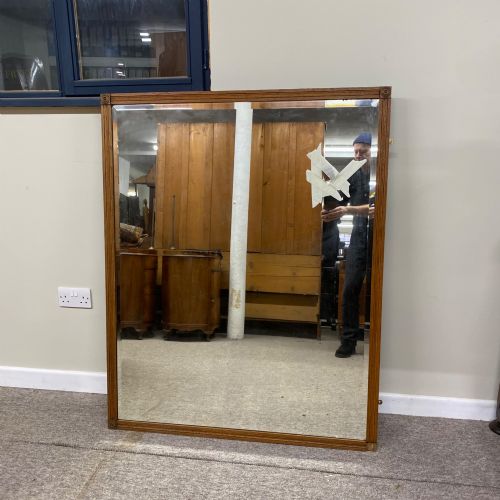
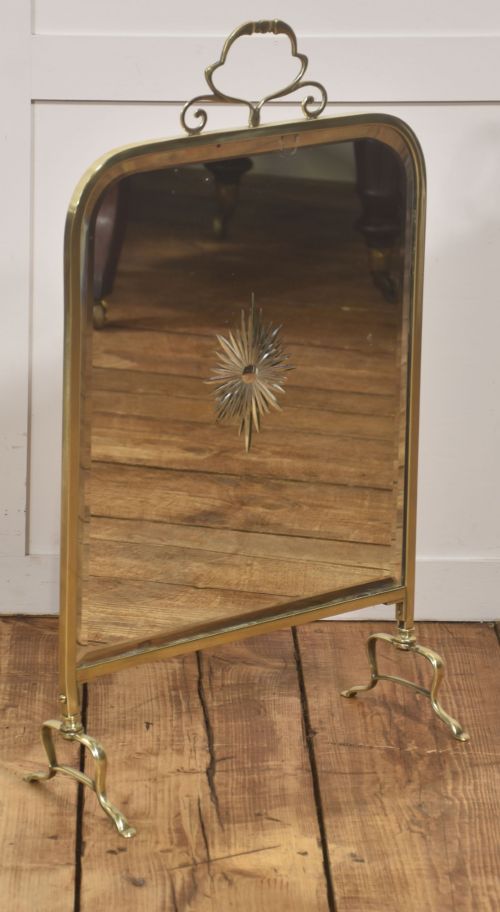
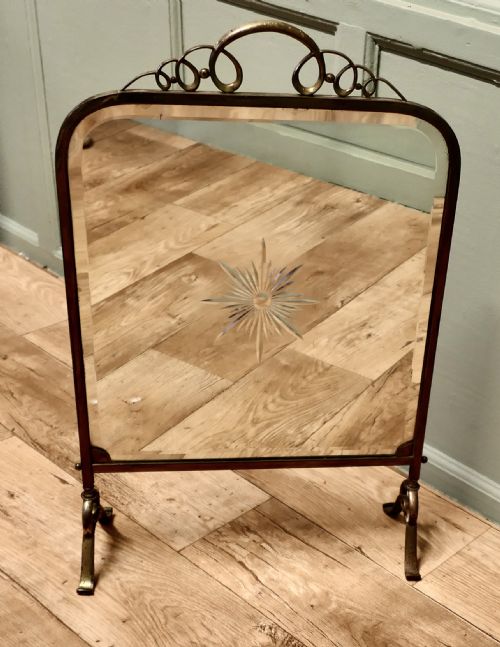
You are most likely to meet brass fire screens inset with mirrored glass, alongside large overmantel mirrors in gilt gesso or oak. These objects bridge the gap between functional fireplace accessories and decorative wall mirrors.
How they were made
These pieces rely on a combination of cast brass, carved wood such as oak, and applied gesso finished with gilding. Makers constructed fire screens with sturdy metal frames to withstand heat, while overmantel mirrors utilised timber carcasses to support heavy sheets of glass.
Surface treatments range from bare gesso and gold leaf to polished brass and warm oak. Artisans employed traditional joinery and metalworking techniques to build frames that endure decades near a hearth.
Vintage Hearth Mirror Retail Price Guide 2026
Typical asking prices for vintage hearth mirror among the pieces listed under this phrase on Sellingantiques today, from the lower quarter to the upper quarter. They describe what is for sale here now, not the wider market.
Materials recorded across the selection include brass, giltwood, gesso, oak, and mirrored glass.
What varies in quality
Quality in these mirrors rests on the crispness of the gesso detailing, the weight and integrity of the brass frame, and the clarity of the original glass. Finer examples display deeper hand-carved ornamentation and more substantial timber construction.
The distinction between standard pieces and exceptional ones lies in the refinement of the decorative motifs, whether classical Italianate carving or geometric Art Deco lines. Solid construction and well-preserved gilding elevate a piece above simpler utilitarian items.
The Vintage Hearth Mirror Glossary
- Overmantel mirror
- A large mirror designed to hang on the wall directly above a fireplace mantelpiece. These pieces often feature classical or ornate frames to serve as the focal point of a room.
- Fire screen
- A decorative barrier placed in front of an unlit fireplace to hide the grate. Many vintage versions incorporate mirrored glass in brass frames to bounce natural light around the space.
- Gesso
- A plaster-like material applied to wooden frames as a base for gilding or painting. It allows craftsmen to model intricate relief ornamentation before applying gold leaf.
- Louis Philippe
- A French stylistic period from the mid-nineteenth century characterised by understated curves and restrained classical detailing. Mirrors from this era typically feature rounded upper corners and simple gilt frames.
Vintage Hearth Mirror: Frequently Asked Questions
What is a hearth mirror?
A hearth mirror is a decorative piece placed on or near a fireplace, encompassing both overmantel mirrors and mirrored fire screens. They were originally used to brighten rooms by reflecting candlelight and firelight.
Today, they serve as focal points in living spaces, adding depth and period charm to chimney breasts and hearths.
How do I date an old mirror?
Dating relies on examining the materials, framing styles, and construction techniques visible in the piece. Victorian and Edwardian examples often feature heavy oak or elaborate brass work, while Art Deco pieces show geometric motifs.
Looking at the backboards, fixings, and the composition of the glass provides further clues to a mirror's age and origin.
Where should I place a fire screen?
A fire screen sits directly in front of the fireplace opening when a fire is not burning. It masks an empty grate during warmer months and adds visual interest to the hearth.
You can also position them away from the fireplace entirely as freestanding decorative screens to reflect light in a dark corner.
Are overmantel mirrors heavy?
Overmantel mirrors tend to be substantial due to the heavy timber frames and thick glass required for large formats. They were built to sit securely on mantelpieces or hang from reinforced wall fixings.
Proper installation requires locating wall studs or using heavy-duty masonry anchors to support the weight safely.