
London Sterling Silver
Discover london sterling silver pieces spanning Georgian dining silver to Arts and Crafts novelties bearing the capital's leopard head mark.
London Sterling Silver
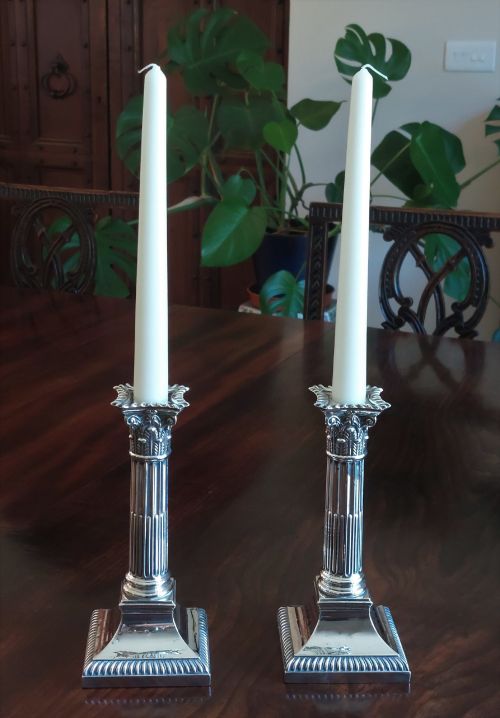
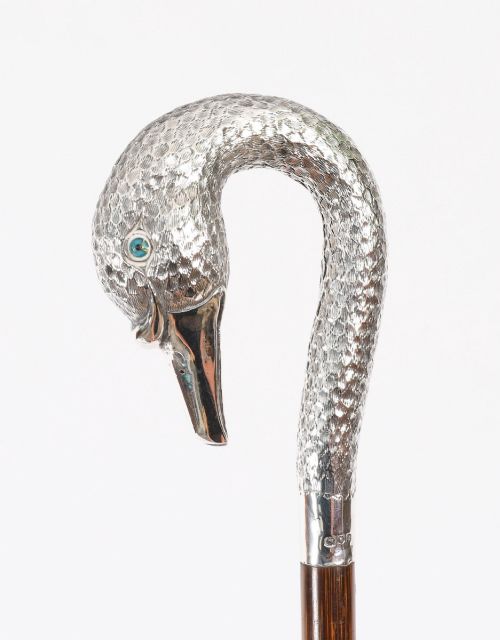
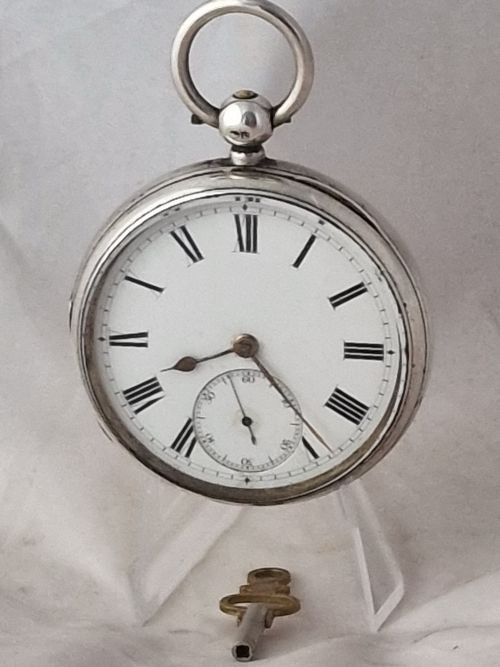
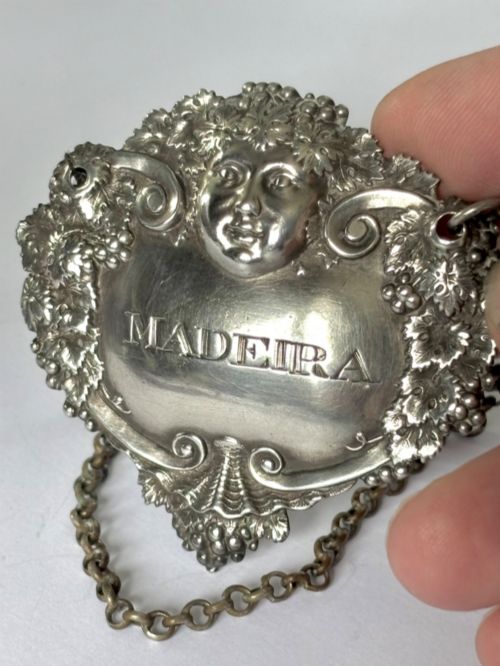
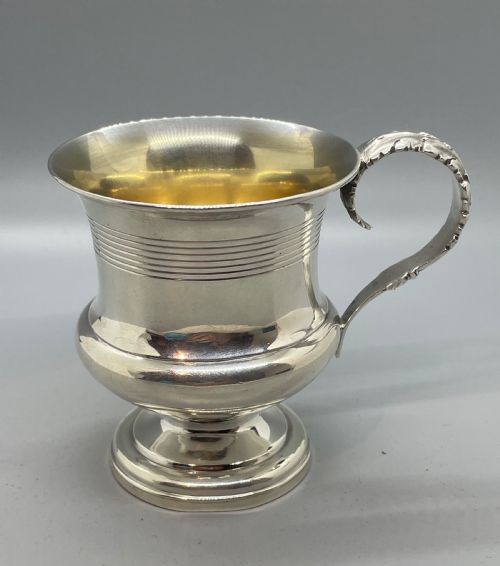
Items associated with london sterling silver encompass a wide span of domestic tableware, desk accessories, and personal items marked at the Goldsmiths' Hall. Collectors encounter functional dining pieces alongside curious novelty boxes and walking cane handles.
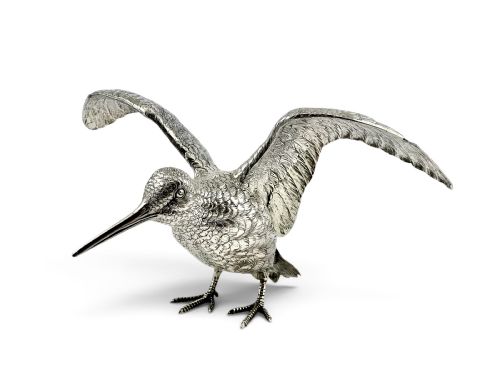
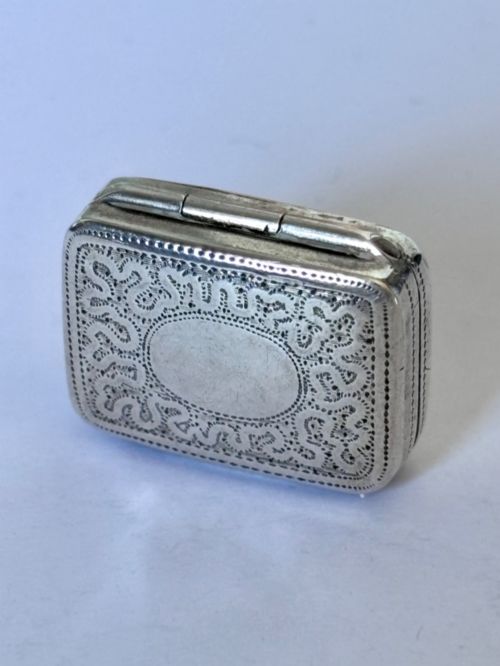
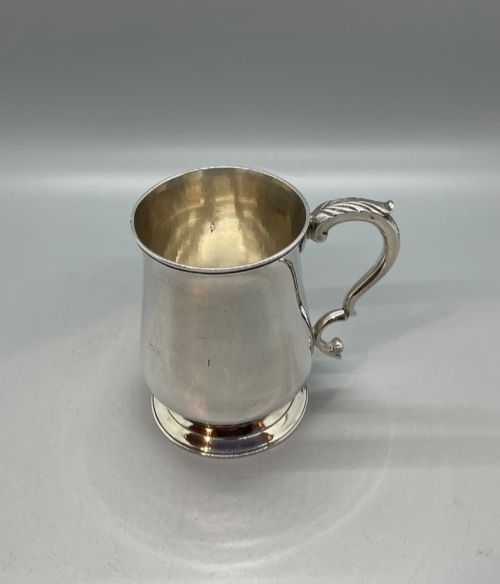
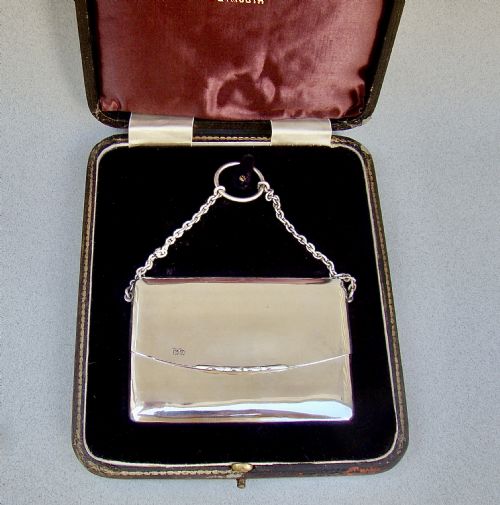
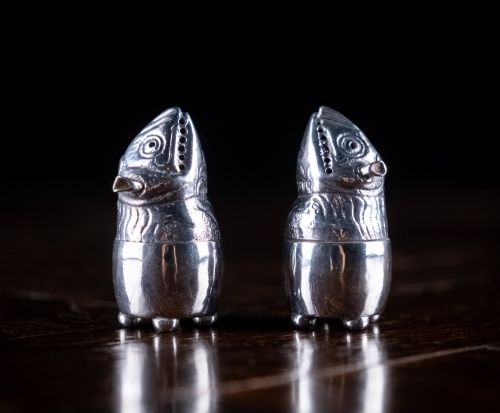
Georgian and Victorian examples dominate the available selection, ranging from heavy tankards and gravy spoons to intricate vinaigrettes and card cases. Later pieces stretch through Edwardian items to mid-century modern tableware and animal figures.
The objects reflect changing social habits across centuries, moving from formal Georgian tea and wine service equipment to Edwardian travel accessories and novelty silver figures.
How They Were Made
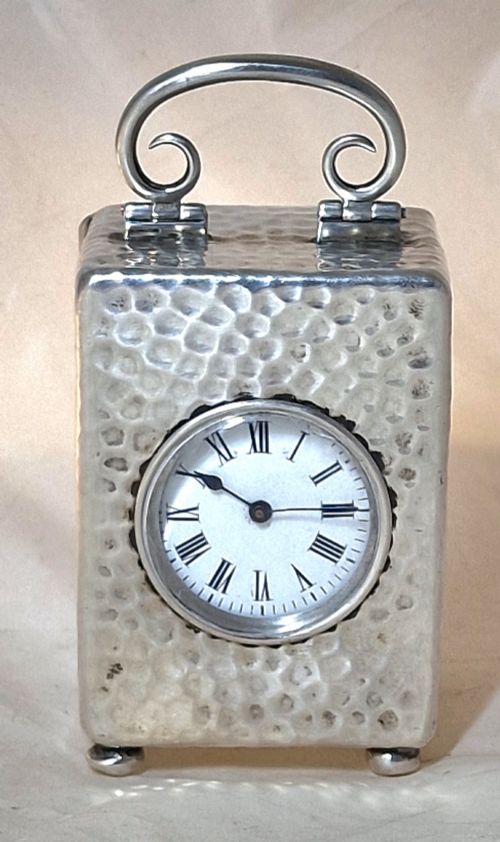
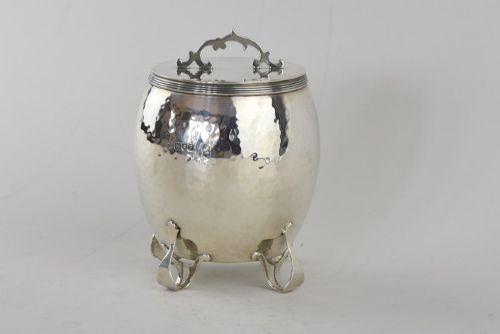
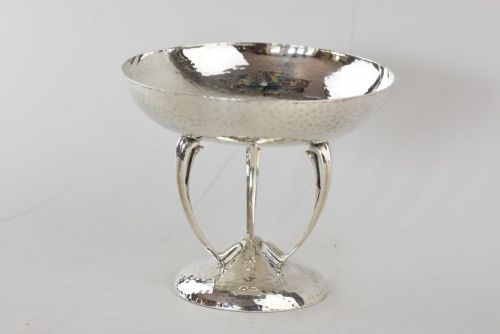
Silversmiths shaped sterling silver through traditional techniques of raising, casting, and hammering, often pairing the precious metal with glass, enamel, leather, or wood. Items like tea caddies and tazzas display hand-hammered surfaces typical of the Arts and Crafts movement.
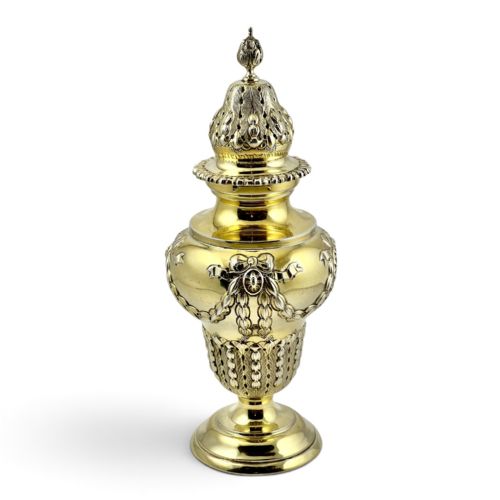
Makers utilised silver gilt for internal bowls and decorative highlights, while specialty items incorporate crocodile skin, tortoiseshell, or coloured enamel panels. Engraving and bright-cut work added fine surface detail to spoons, card trays, and snuff boxes.
London Sterling Silver Retail Price Guide 2026
Typical asking prices for london sterling silver among the pieces listed under this phrase on Sellingantiques today, from the lower quarter to the upper quarter. They describe what is for sale here now, not the wider market.
Listings feature items spanning the 18th, 19th, and 20th centuries, executed in sterling silver, glass, enamel, and leather.
What Varies In Quality
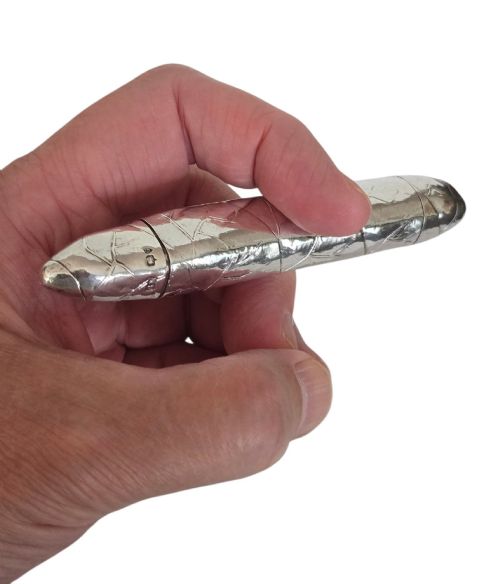
The standard of london sterling silver depends heavily on the crispness of the maker's mark and the clarity of the town and date hallmarks stamped into the metal. Sharpness in hand-chased relief work and substantial gauge metal separate exceptional presentation pieces from lighter utilitarian items.
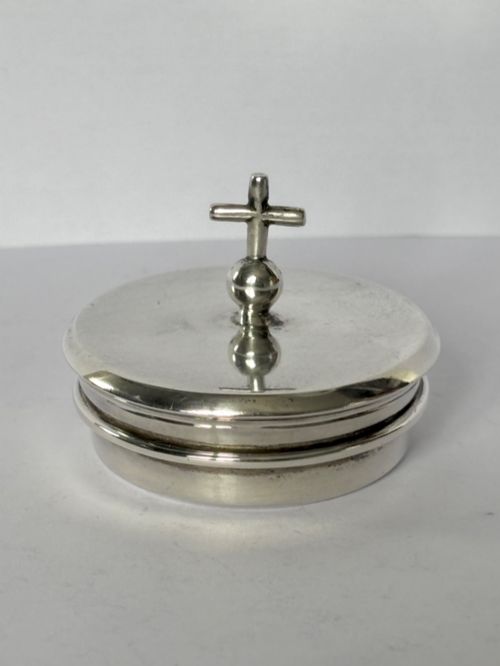
Rarity of form and specialist maker attribution drive distinction across the range, particularly with novelty items, ecclesiastical pyx boxes, and documented designer pieces.
F Osborne and Co·Charles Edwards·Digby Scott Benjamin Smith·Thomas Johnson·Goldsmiths and Silversmiths Company·William Aitken·Frederick Brasted·Sampson Mordan and Co·John Collard Vickery·Georg Jensen·Charles and George Fox·David Hennell·Solomon Hougham·William Burwash·Henry Perkins·Robert Pringle and Sons·W and G Neal·Josiah Williams and Co·John Payne·William Grundy·Jonathan Hayne·Thomas Tookey·Orlando Jackson·Phipps Robinson·Edward H Stockwell
The London Sterling Silver Glossary
- Hallmark
- A series of official marks stamped on precious metals indicating the standard of purity, the assay office, and the date of testing. The leopard head represents the London assay office.
- Vinaigrette
- A small ornamental box containing a sponge soaked in aromatic vinegar used during the eighteenth and nineteenth centuries. They feature pierced internal grilles often executed in gilt silver.
- Pyx
- A small round container used in religious practice to carry the Eucharist. Examples are frequently fashioned in sterling silver gilt with engraved Christian iconography.
- Tazza
- A shallow cup or saucer mounted on a stem and foot used for serving small items of food. Arts and Crafts examples often display hammered textures and multiple supporting legs.
- Marrow scoop
- A double-ended silver utensil designed for extracting marrow from bones during formal meals. One end is narrow and trough-like while the other is wider.
London Sterling Silver: Frequently Asked Questions
How do I read london silver hallmarks?
London hallmarks typically feature a leopard head stamp indicating the assay office along with a walking lion paschant signifying sterling standard silver.
A separate letter punch denotes the specific year of assay, allowing collectors to date pieces accurately across Georgian and Victorian periods.
How were antique tea caddies used?
Antique tea caddies served to store expensive loose-leaf tea safely under lock and key in wealthy households.
The valuable leaves were kept secure from household staff and damp air until the mistress of the house prepared the brew.
How do I care for sterling silver?
Sterling silver benefits from regular gentle dusting and occasional cleaning with a specialist silver cloth to remove natural tarnishing.
Avoiding harsh abrasive dips preserves the original chased details and crisp hallmarks stamped into the surface.