


London Hallmark Silver
London hallmark silver encompasses domestic tableware, desk accessories and personal items bearing the leopard's head and associated marks of the capital's assay office.
London Hallmark Silver
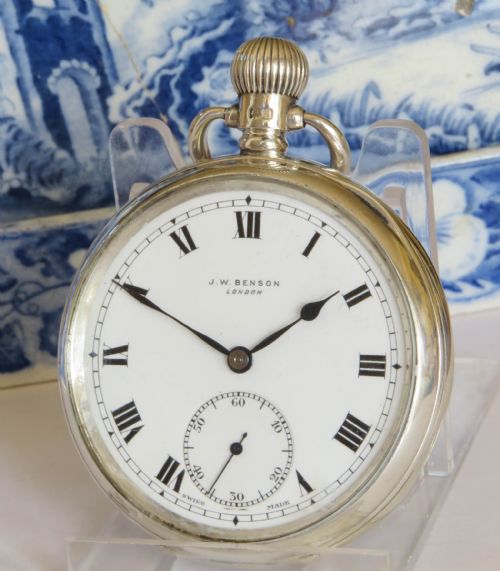
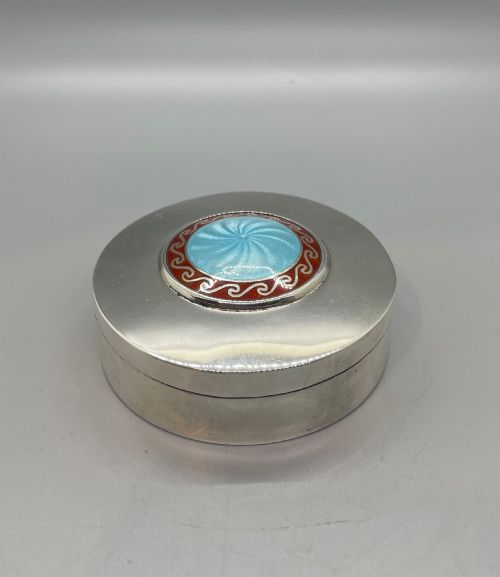
The objects originate from multiple eras, with Georgian, Victorian and Edwardian examples forming the majority of the surviving corpus. Makers utilised sterling silver and silver gilt, frequently combining the metal with glass, leather, enamel or tortoise shell to create functional accessories.
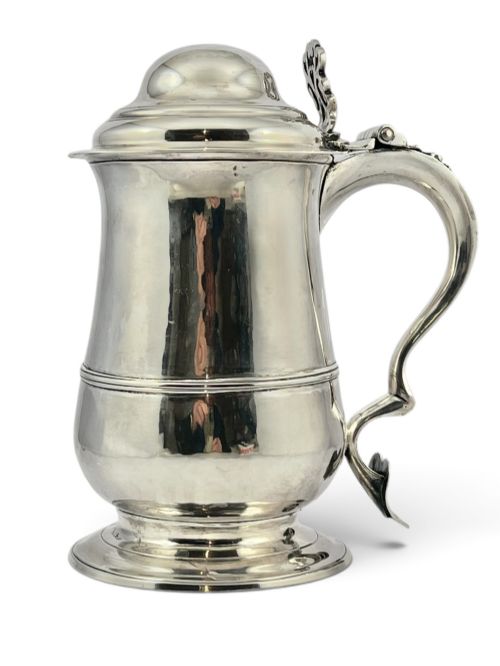
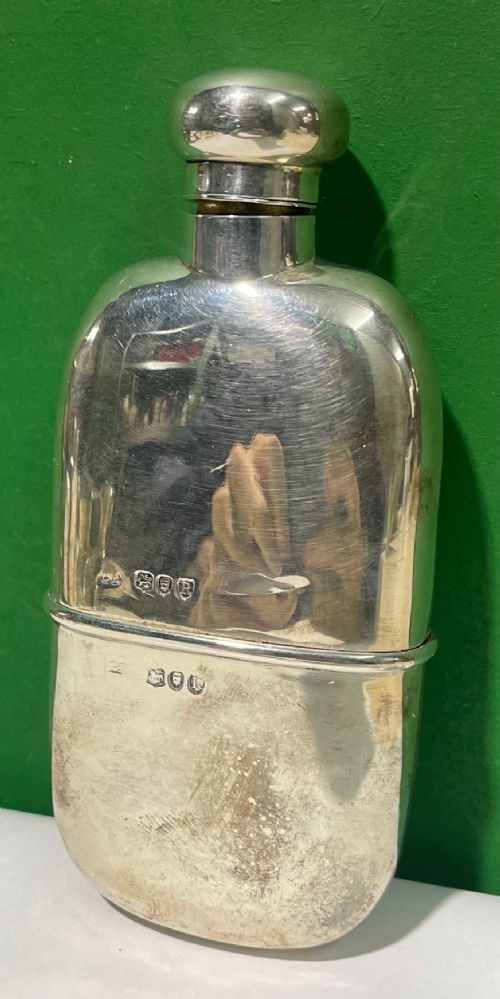
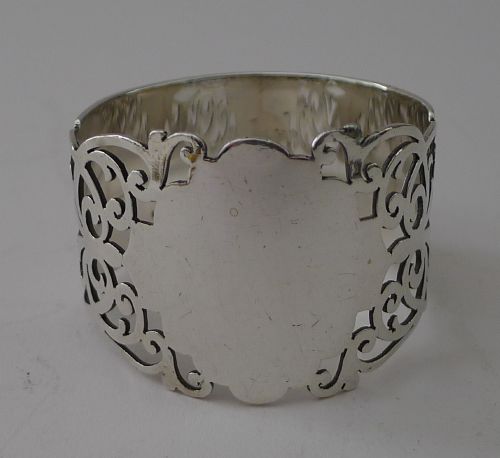
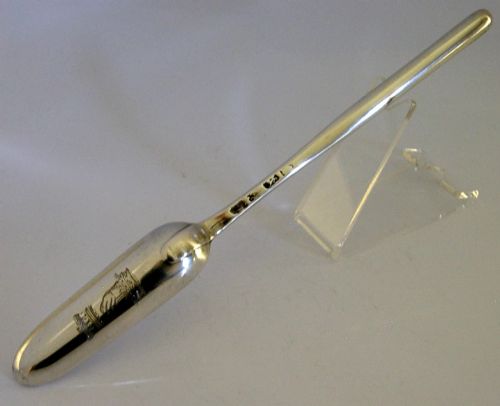
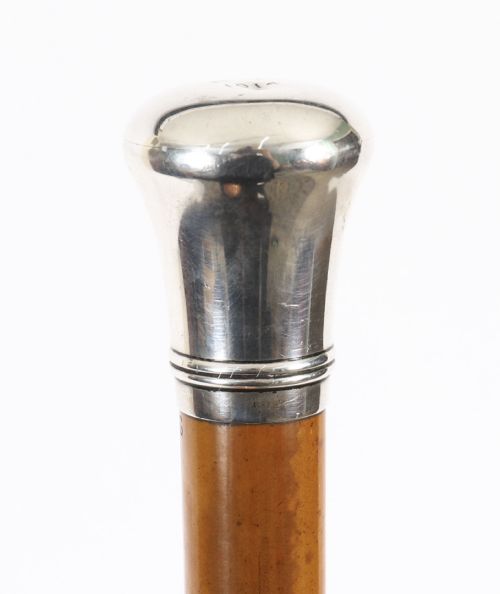
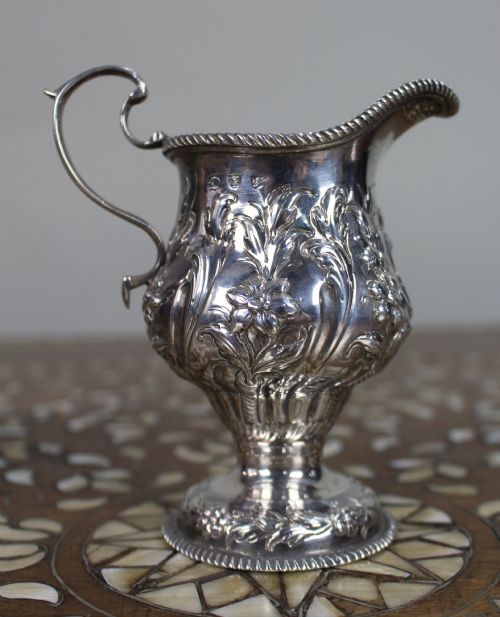
Tableware forms include cream jugs, sugar sifters, teapots and decanter labels, while personal effects feature purses, scent bottles, vesta cases and walking stick handles. Each category bears the distinct stamps of the London assay office alongside maker's marks and date letters, recording the year of production.
Materials and construction methods
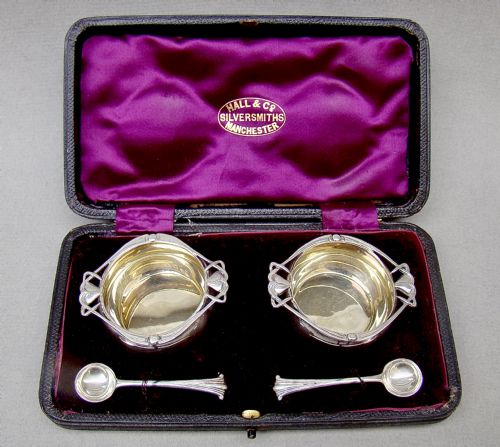
Silversmiths constructed objects using solid sterling silver, occasionally applying a layer of gold via silver gilt to enrich interior surfaces of items like snuff boxes and mugs. Hammering techniques, such as those seen in Arts and Crafts tazzas, shaped sheet metal by hand while preserving tool marks.
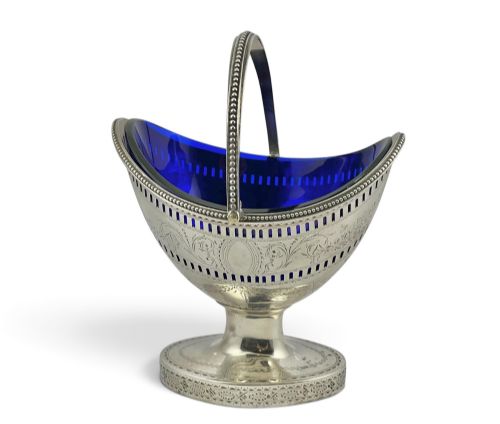
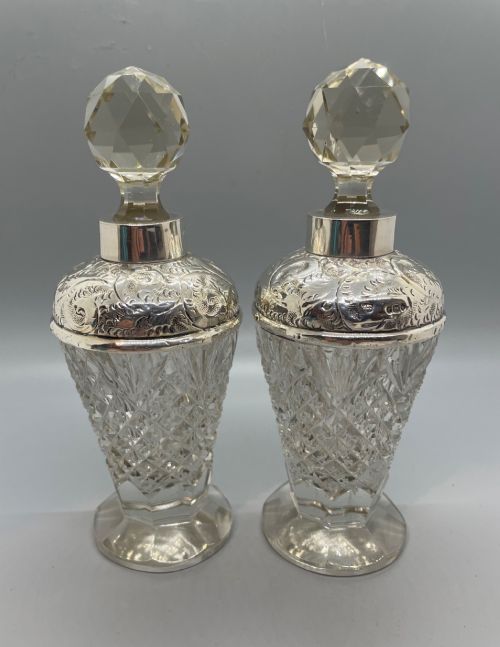
Many hollowware pieces and decorative items combined sterling silver with contrasting elements, integrating textured glass, crocodile skin, silk, velvet or tortoiseshell into inkstands, purses and match strikers. Engraving, bright-cut work and chasing decorated the metallic surfaces with crests, florals and geometric patterns.
Casting produced heavier structural components like candelabra branches and figural elements, which were subsequently chased and assembled. Hinged elements on boxes, scent bottles and stamp cases relied on precision fitting to ensure secure closures.
London Hallmark Silver Retail Price Guide 2026
Typical asking prices for london hallmark silver among the pieces listed under this phrase on Sellingantiques today, from the lower quarter to the upper quarter. They describe what is for sale here now, not the wider market.
Several walking sticks and canes conceal silver swan heads, turning an everyday stroll into an ornithological exhibition.
Assessing craftsmanship and execution
Quality rests upon the crispness of the chasing and engraving, where superior pieces exhibit sharply defined motifs and deep relief work rather than shallow or worn detailing. The weight and gauge of the silver plate dictate the structural rigidity of hollowware and flatware.
The integration of secondary materials like enamel, glass and tortoiseshell distinguishes standard utility pieces from exceptional luxury commissions. Maker attribution also influences standing, as items produced by recognised workshops and specialist silversmiths command attention for their superior finishing and design pedigree.
Digby Scott Benjamin Smith·Cornelius Bland·John Collard Vickery·Solomon Hougham·William Burwash·Robert Pringle And Sons·Robert Hennell I·Charles Thomas Fox·Wright And Davies·Henry Perkins·John Rawlings·William Bateman·Horace Woodward And Co·Moses Brent·Reily And Storer·Charles Lias·Peter William Bateman·William Cripps·Richard Crossley·William Comyns And Sons·Elizabeth Eaton·Francis Higgins II·Chawner And Co·John And Henry Lias·E And J Barnard
The London Hallmark Silver Glossary
- Assay office
- The official body responsible for testing the purity of precious metals and stamping them with statutory marks. The London office used the leopard's head symbol.
- Maker's mark
- The stamp identifying the silversmith, partnership or company responsible for crafting the object. It usually consists of initials enclosed within a shaped punch.
- Silver gilt
- Sterling silver that has been coated with a thin layer of gold on its surface. This technique protected vulnerable interiors and provided a rich decorative contrast.
- Bright-cut engraving
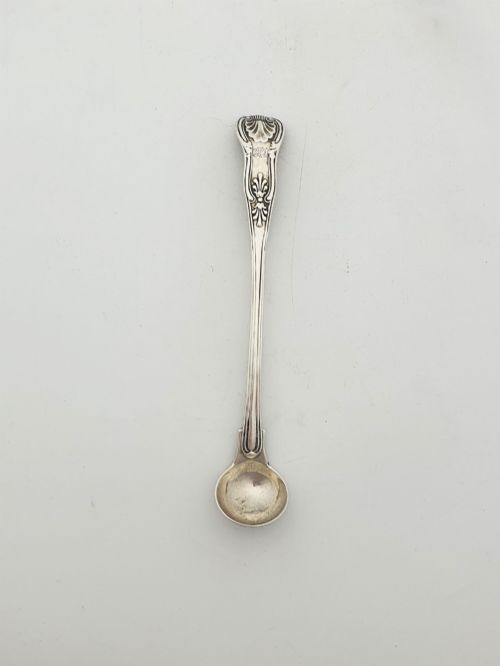
- A faceted surface engraving technique utilising angled gravers to create shimmering geometric and floral borders. It was especially popular on late eighteenth-century spoons and teaware.
- Hollowware
- Tableware items formed from sheet metal rather than cast solid, including teapots, jugs, bowls and sugar sifters. These objects relied on internal reinforcement and careful shaping for stability.
London Hallmark Silver: Frequently Asked Questions
How do I read London silver date letters?
London date letters correspond to specific alphabetical cycles used by the assay office to indicate the year an item was hallmarked. By matching the letter's font shape and shield outline to standard reference tables, you can determine the exact production year.
Changes in alphabet fonts and escutcheon shapes prevent confusion between different centuries. These stamped letters work alongside the standard leopard's head and maker's mark to verify authenticity.
What was a silver decanter label used for?
Decanter labels hung around the necks of glass bottles and decanters to identify the specific wine or spirit contained within. They prevented confusion at the dining table during formal Georgian and Victorian meals.
Many of these labels featured pierced vine leaf motifs or specific names like Madeira, Port or Sherry. They served as both practical wine markers and miniature pieces of decorative silver.
How should I clean antique silver?
Antique silver benefits from gentle washing in warm water with mild soap and drying with a soft cotton cloth. Avoid harsh chemical dips that strip away natural patination and damage delicate secondary materials.
Items featuring velvet, tortoise shell or enamel require special care to keep moisture away from vulnerable joints. Regular handling and minimal polishing preserve the historic surface texture better than frequent aggressive cleaning.
Why are some pieces marked silver gilt?
Silver gilt describes sterling silver that has undergone a process of gold plating on the surface. This technique provided the luxurious appearance of solid gold while utilising a more accessible metal base.
Items subject to acidic contents, such as snuff boxes, cream jugs and dessert spoons, frequently utilised gilding to prevent the silver from tarnishing or reacting with food and drink.