





Georgian Sterling Waiter
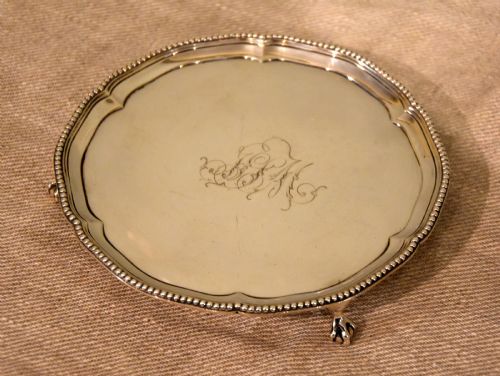
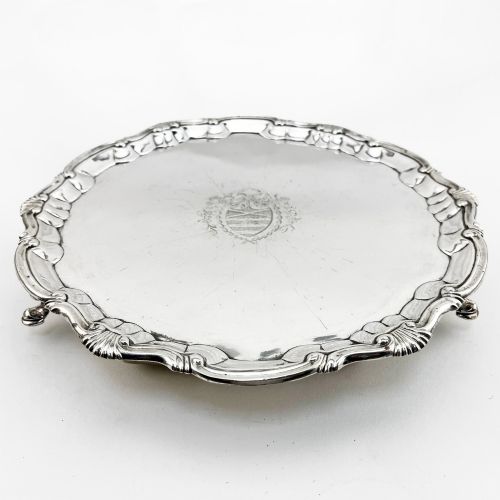
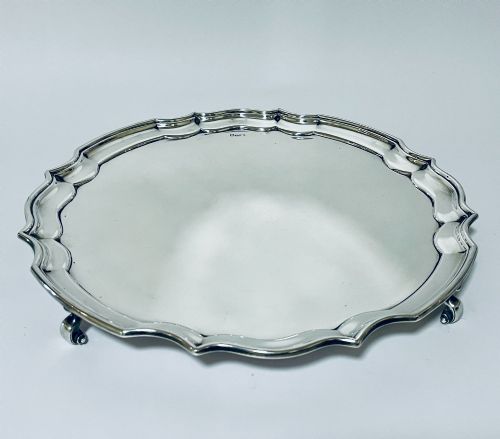
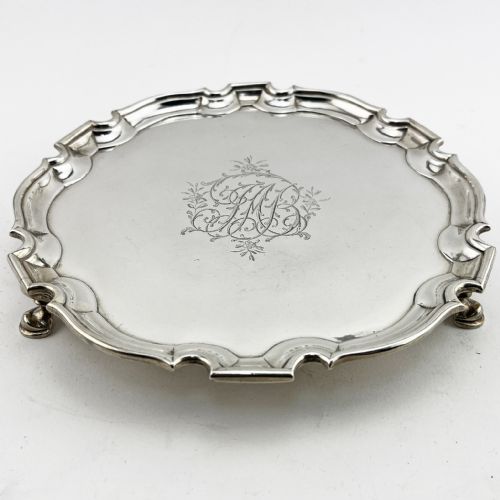
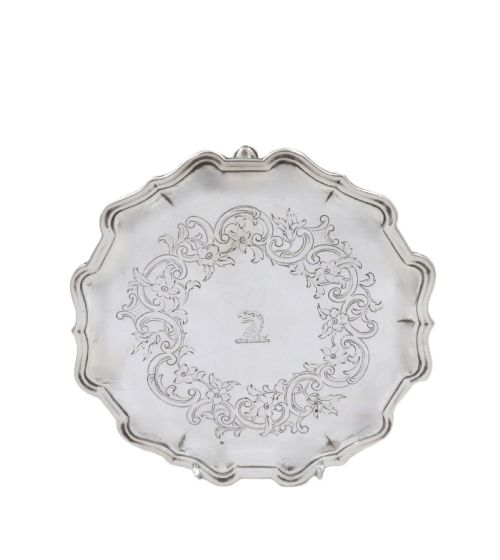
A georgian sterling waiter is a small silver serving tray of fine make, sought after for holding glasses and cups.
Georgian Sterling Waiter
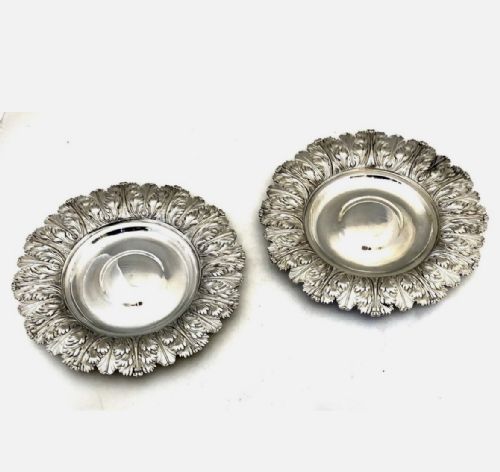
When you search for a georgian sterling waiter, you find small silver salvers, card trays and patens designed for the table. The versions you are most likely to meet on this page date from the eighteenth and early nineteenth centuries.
These pieces take the form of small circular or shaped trays, sometimes resting on tiny feet. They originate from English, Scottish and Irish workshops spanning the Georgian and Grand Regency periods.
How they were made
Silversmiths formed each georgian sterling waiter from sterling silver, shaping the metal by hand through hammering and raising. Makers added cast or applied borders and feet to support the weight of the tray.
Engraving often adorns the central field with crests or floral motifs. Assay office marks stamped into the reverse record the city, the year and the sterling standard.
Listings for this phrase include items made from sterling silver across the Georgian and early nineteenth-century periods, alongside later nineteenth-century pieces.
What varies in quality
The distinction between ordinary and exceptional examples rests on the weight of the silver and the crispness of the chased or engraved decoration. Thicker metal and heavier cast feet give a more substantial feel in the hand.
Provenance and the identity of the maker also shape the standing of a piece. Work from renowned silversmiths commands greater attention from collectors than unsigned items.
S.C. Younge & Co.·Robert Abercromby·William Garrard·Samuel Hennell·James Fray·Paul Storr
The Georgian Sterling Waiter Glossary
- Waiter
- A small tray used for serving wine or carrying letters and cards. These pieces share the same silver construction as larger salvers but on a more intimate scale.
- Salver
- A flat plate or tray of silver used for presentation. They typically feature raised borders and rest upon feet.
- Paten
- A small plate, usually of silver, used in ecclesiastical settings or as a domestic dish. Many share forms with early card trays.
- Sterling silver
- An alloy of silver containing ninety-two point five percent pure silver and seven point five percent other metals, usually copper. This standard ensures durability for domestic plate.
- Alms dish
- A metal basin used for collecting offerings in church services. Some examples share the circular form and chased decoration of secular trays.
Georgian Sterling Waiter: Frequently Asked Questions
What is a sterling waiter?
A sterling waiter is a small silver tray used historically for handing around glasses of wine or presenting visiting cards. They are sturdy enough for regular handling while displaying fine decorative work.
These pieces sit flat on a table or sideboard, making them practical for modern display and small-scale serving.
How do I know it is Georgian?
You determine the period by checking the hallmarks stamped into the silver, which reveal the assay office and date letter. Stylistic clues like cast scroll feet and shell borders also point to the eighteenth and early nineteenth centuries.
Comparing the maker's mark against historical records confirms the exact decade of manufacture.
Can I use them today?
You can use a sterling waiter for serving small items or drinks, much as people did centuries ago. The durable sterling silver handles daily use when treated with care and proper cleaning.
Many collectors prefer to display them on surfaces to showcase the engraved crests and bright metal.
Why are some called waiters and others trays?
The term waiter traditionally applies to smaller serving trays designed for handheld use by servants or hosts. Larger platters and salvers received different names based on their dimensions and intended placement on the dining table.
Over time, these definitions overlapped in auction records and antique descriptions.