





Claw Foot Silver
Claw foot silver brings together sturdy table supports and gleaming precious metal, offering practical utility and enduring decorative charm.
Claw Foot Silver
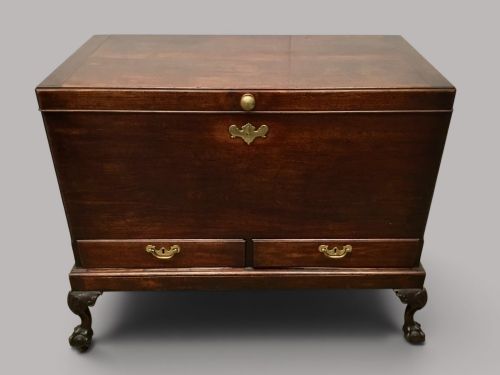
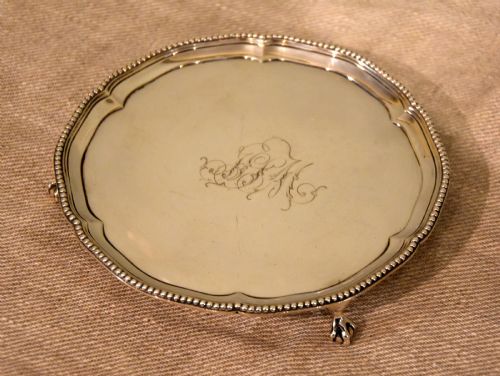
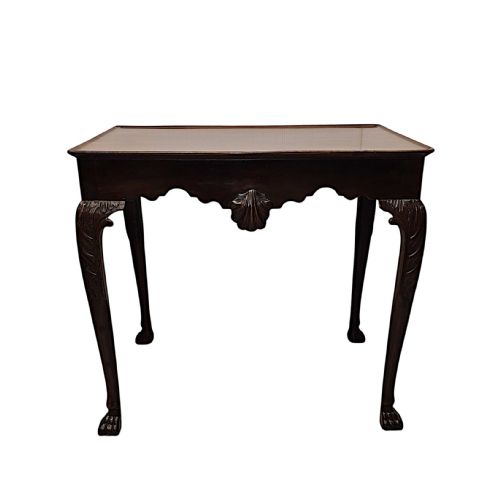
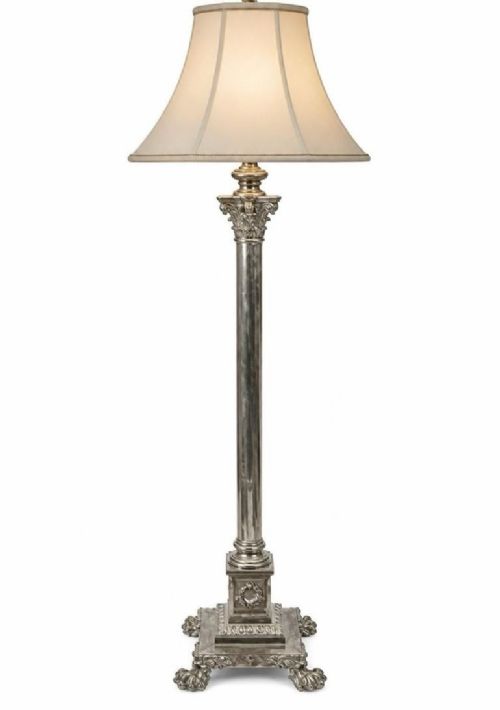
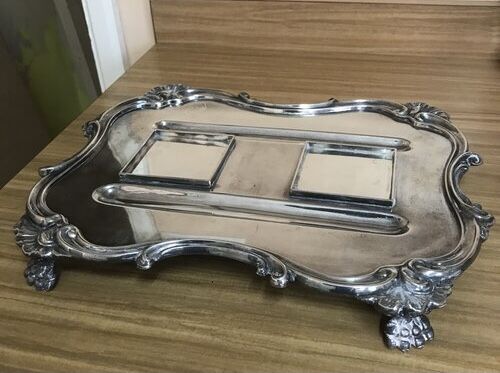
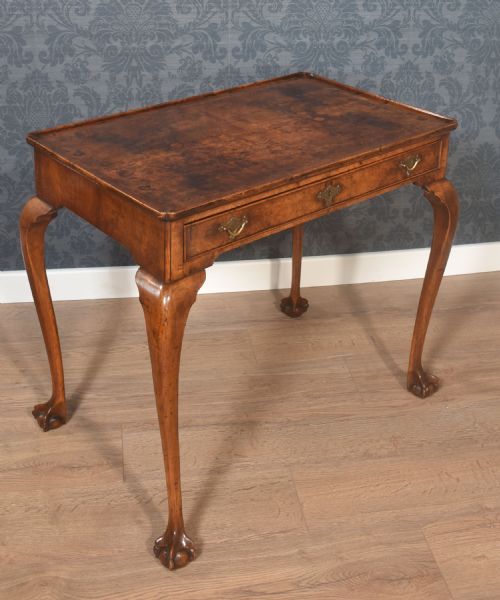
When searching for claw foot silver, buyers encounter an eclectic mix of furniture and tableware resting upon animal or bird paw supports. The selection ranges from 18th Century Irish mahogany tables and George II serving pieces to Victorian tea caddies, sauce boats, and salt cellars.
Occasional tables and display tables frequently feature these distinct carved or cast supports, often paired with walnut or mahogany timbers. Smaller functional items like salt cellars and sauce boats similarly incorporate animalistic feet into their design.
Pieces span multiple eras including the Georgian, Victorian, and Edwardian periods, alongside later revivals. Buyers find both solid sterling silver dining accessories and silver plated furniture or servingware sharing the same characteristic base.
Materials and construction
Furniture pieces combine dense timbers such as mahogany, burr walnut, and figured walnut with carved wooden or cast metal supports. Cabinetmakers shaped solid wood and applied veneers before attaching distinct animal paw feet.
Tableware and small vessels utilise sterling silver or copper covered in silver plate, employing techniques like Old Sheffield plating, casting, and hand engraving. Silversmiths formed hollowware and decorative salts by shaping sheet metal and soldering components together.
Claw Foot Silver Retail Price Guide 2026
Typical asking prices for claw foot silver among the pieces listed under this phrase on Sellingantiques today, from the lower quarter to the upper quarter. They describe what is for sale here now, not the wider market.
Listings feature items spanning the 18th Century through the 1920s, encompassing Georgian, Victorian, and Edwardian periods.
Judging quality in design and execution
The definition and depth of the carving on the feet separate exceptional furniture from standard examples. Crisp detailing on the claws and smooth integration with the leg indicate superior craftsmanship.
In silver and plated items, the weight of the metal and the clarity of hallmarks or maker marks denote standard. Thick plating that resists wear and substantial gauge silver create longevity and tactile solidity.
John Schofield London·Walker Hall Sheffield·Fenton Russel
The Claw Foot Silver Glossary
- Sterling silver
- A silver alloy containing 92.5 percent pure silver and 7.5 percent other metals, usually copper, ensuring durability for tableware. This standard has been used for centuries across British silver production.
- Silver plate
- A base metal, such as copper or brass, coated with a thin layer of pure silver. Techniques like Old Sheffield plating fused silver to copper before shaping.
- Salt cellar
- A small open vessel or container used to hold salt at the dining table before the invention of modern salt shakers. Often paired with tiny spoons and supported on miniature feet.
- Sauce boat
- A small pitcher designed for serving gravies or sauces, typically featuring a handle and a shaped pouring lip. These vessels frequently rest upon three short feet.
- Salver
- A flat tray used for serving drinks or presenting items, usually raised on feet. Georgian and Victorian examples often display engraved decoration.
- Centrepiece bowl
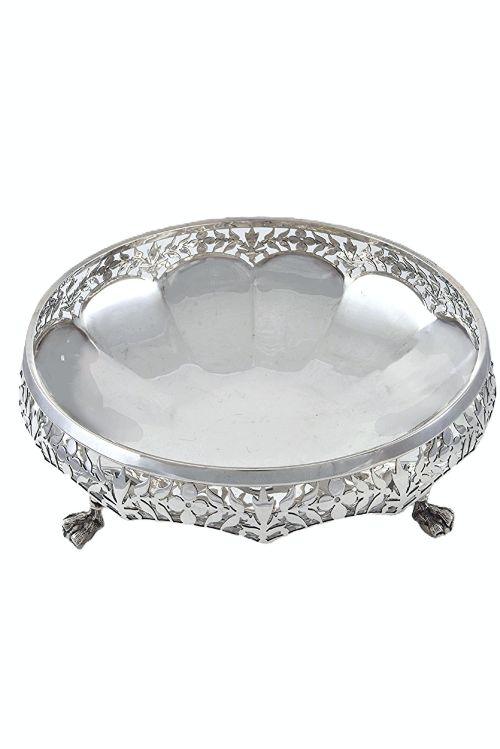
- A large decorative vessel placed in the middle of a dining table or sideboard. These bowls often incorporate substantial form and decorative mounts.
Claw Foot Silver: Frequently Asked Questions
What is a silver table?
A silver table is a specific form of occasional furniture originating in the 18th Century, designed initially to hold a tea service or display silver objects. These tables often feature raised edges and distinct carved legs ending in paw feet.
Irish examples from the Georgian period are particularly notable for their robust proportions and detailed carving. They serve well today as display surfaces or lamp tables in a traditional interior.
How do I care for silver plated items?
Silver plated items require gentle cleaning with specialised silver polish and a soft cloth to avoid wearing through the thin metal layer. Regular dusting helps prevent tarnish accumulation in recessed carved areas.
Avoid using harsh abrasive cleaners or soaking items in chemical dips, as these methods damage the plated surface and underlying base metal.
What is the difference between sterling and plate?
Sterling silver is solid silver throughout, marked with statutory hallmarks indicating its purity and origin. Silver plate consists of a non-precious base metal covered with a thin coating of silver.
Plated pieces offer the visual appearance of silver at a different material composition, while sterling items retain precious metal value throughout the piece.
Where were claw foot furnishings used?
Claw foot furnishings occupied principal rooms in grand houses, including drawing rooms, dining rooms, and reception spaces. Tables and serving items stood prominently to display household wealth and refined taste.
Today, these pieces transition easily into modern homes as accent tables, serving accessories, or decorative focal points in living areas.