




Lockable Wooden Chest
A lockable wooden chest protects valuable belongings in sturdy mahogany, rosewood, and walnut.
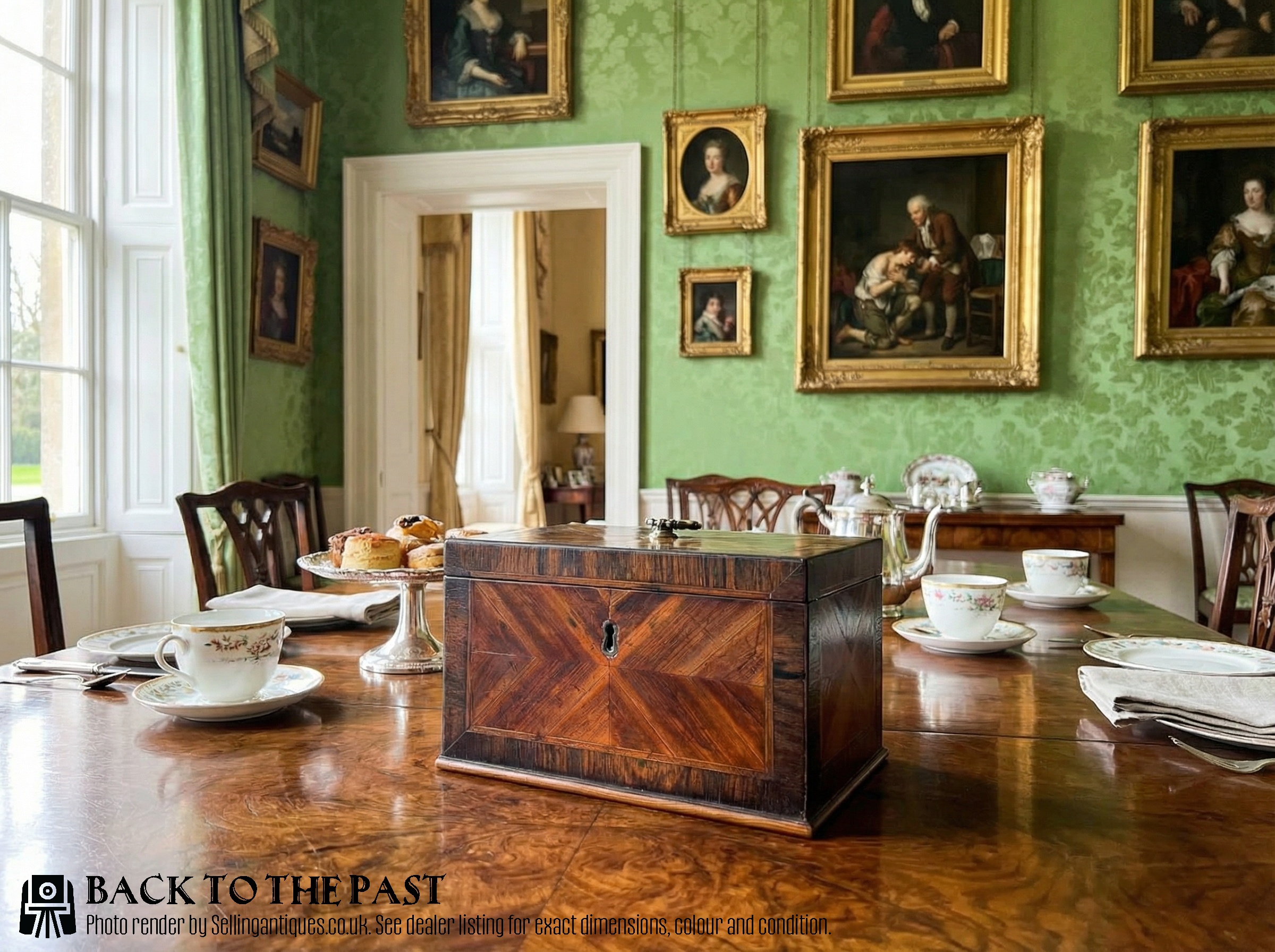
Lockable Wooden Chest
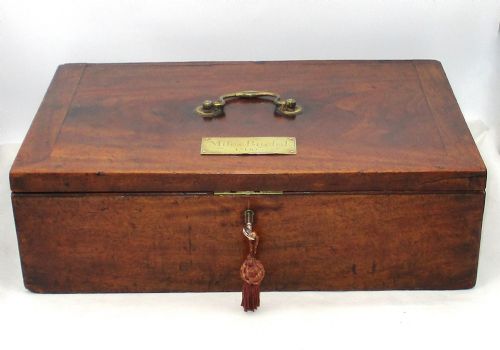
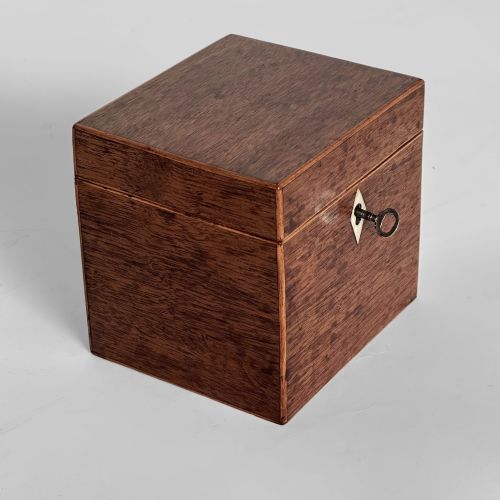
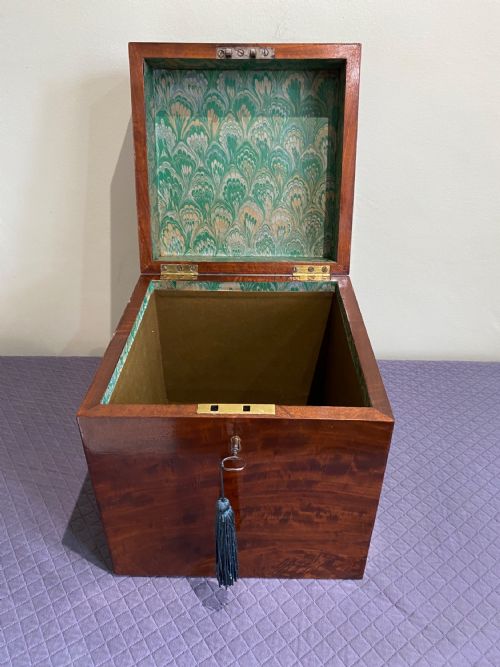
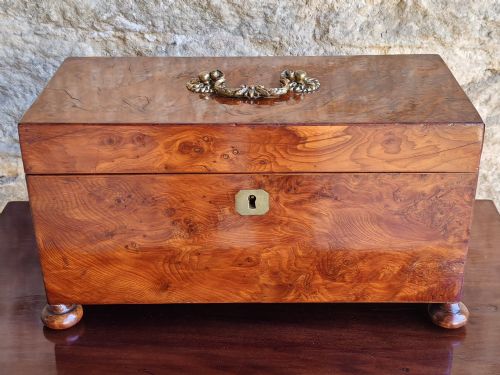
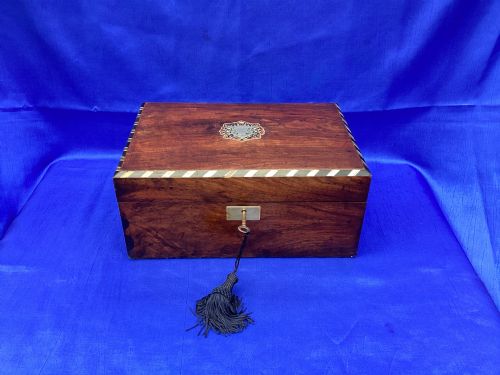
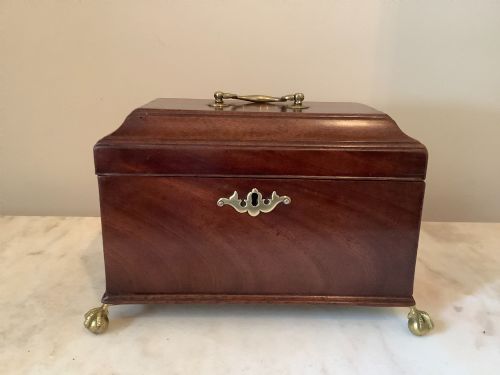
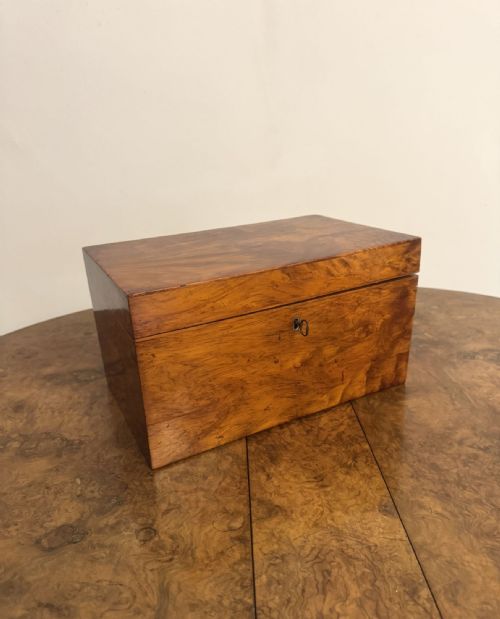
A lockable wooden chest serves various domestic storage needs across several historic periods. The selection here leans towards tea caddies, jewellery boxes, document boxes, and collectors cabinets from the Georgian, Regency, and Victorian eras.
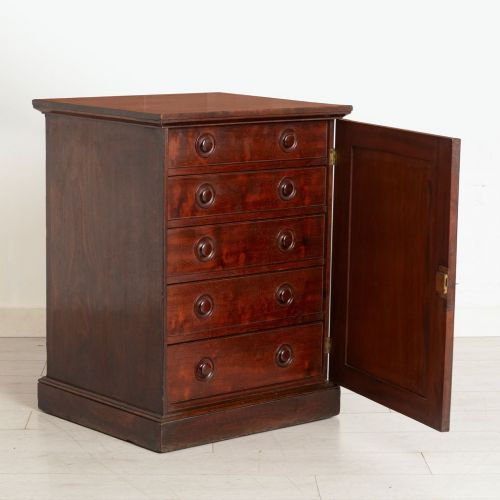
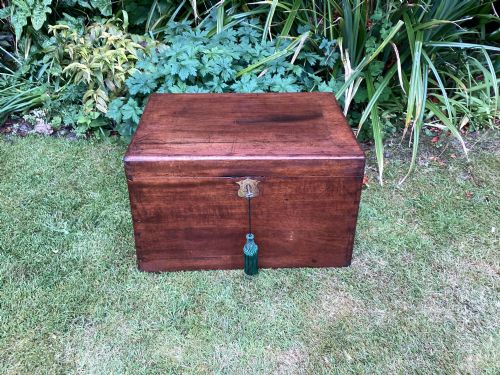
Buyers seeking a lockable wooden chest will regularly encounter mahogany, rosewood, and walnut examples fitted with working brass locks and keys. Smaller table-top forms dominate the available selection, alongside occasional larger cabinets.
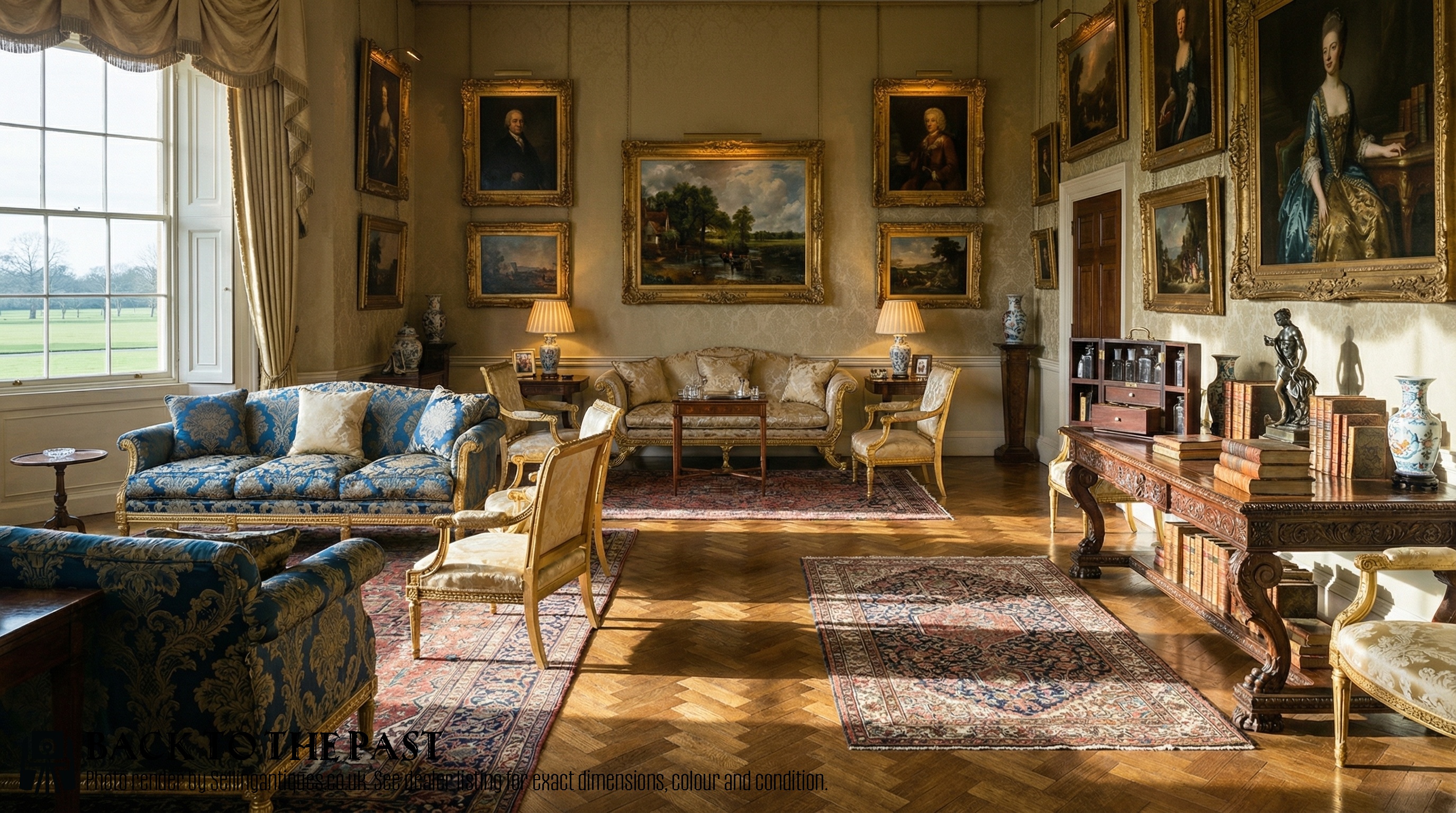
How they were made
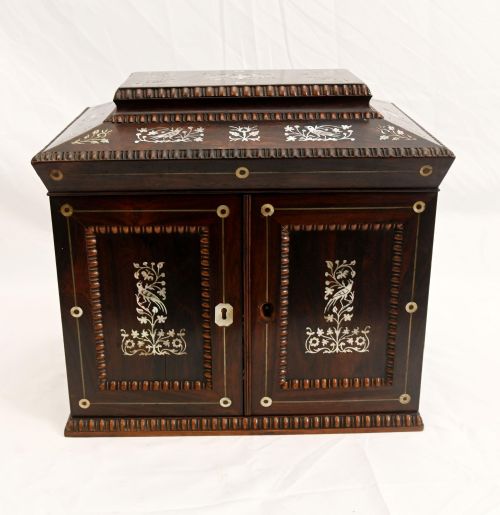
Cabinet makers utilised dense timbers such as mahogany, rosewood, and burr walnut, often enhancing surfaces with satinwood, bone, or mother-of-pearl inlay. Brass fittings provide structural reinforcement and functional security through integrated locks.
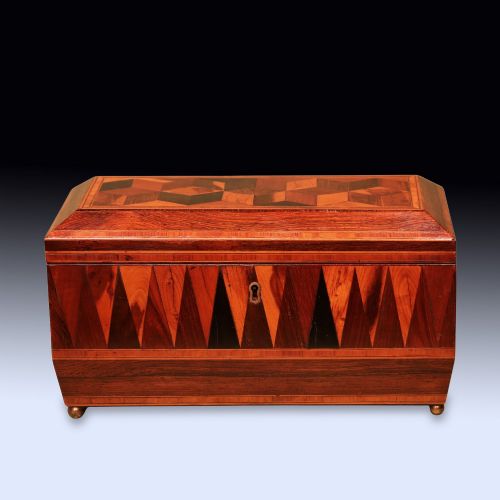
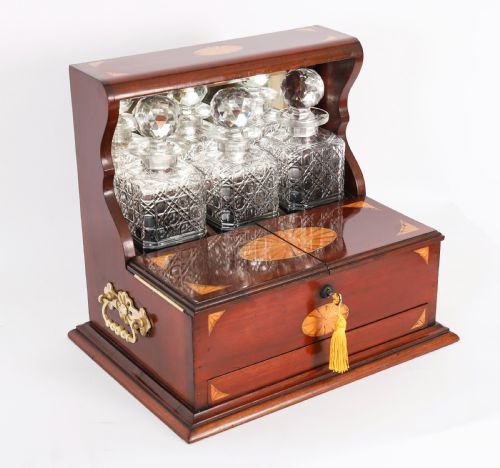
Surfaces receive decorative treatments including parquetry, marquetry, and painted details, whilst interiors frequently retain fitted compartments lined for textiles or fitted with crystal decanters.
The documented object types range from tea caddies and jewellery chests to document boxes and multi-drawer collectors cabinets.
What varies in quality
The standard of a lockable wooden chest depends on the selection of timber veneers and the precision of decorative inlays like shell motifs or stringing. Superior examples display careful grain matching and intricate parquetry work across every surface.
Hardware execution dictates overall grade, with heavy cast brass handles, escutcheons, and original working locks separating standard utility boxes from superior cabinet-maker productions.
Brady
The Lockable Wooden Chest Glossary
- Sarcophagus
- A box form featuring a stepped or domed lid reminiscent of a stone coffin, popular during the Regency period. This shape often houses tea canisters or jewellery.
- Tantalus
- A wooden stand holding decanters under a locking metal bar that prevents removal of the bottles. It secures alcoholic beverages from unauthorised access.
- Parquetry
- Geometric wood-mosaic work used for decorative surfaces on boxes and cabinets. Small pieces of contrasting timber form repeating patterns.
- Marquetry
- Elaborate veneer patterns depicting pictorial scenes or floral designs using various coloured woods. Craftsmen cut these elements from thin sheets of timber.
- Escutcheon
- A flat plate of brass surrounding the keyhole of a lock. It protects the surrounding wood from wear caused by the key.
Lockable Wooden Chest: Frequently Asked Questions
What were tea caddies used for?
Tea caddies stored precious tea leaves securely under lock and key when tea was an expensive imported commodity. Servants typically kept the key, dispensing leaves only for household use.
Inside, these chests often featured fitted compartments and mixing bowls, reflecting the ritual status of tea in Georgian and Regency drawing rooms.
How do I secure a antique lock?
Most historic chests use lever locks that require specific barrel keys to turn the internal mechanism. A local restorer can repair stuck mechanisms or cut replacement keys safely.
Original brass hardware should remain intact, as replacing locks diminishes the historical integrity of the piece.
Where were document boxes kept?
Document and deed boxes rested on writing tables or desks in libraries and studies. They held important family papers, legal contracts, and personal correspondence.
The sturdy wooden construction and locking mechanism ensured confidential records remained private in busy Victorian households.
How do I identify a Regency box?
Regency pieces often display classical architectural influences, sarcophagus shapes, and bold brass lion mask handles. Makers favoured dark rosewood and mahogany contrasted with brass inlay.
Proportions are typically robust and formal, pointing to the early nineteenth century aesthetic of the period.