







19th Century Medical Cabinet
A 19th century medical cabinet brings functional scientific history into a room, offering fitted drawers and compartments built to hold apothecary bottles, instruments or specimens.
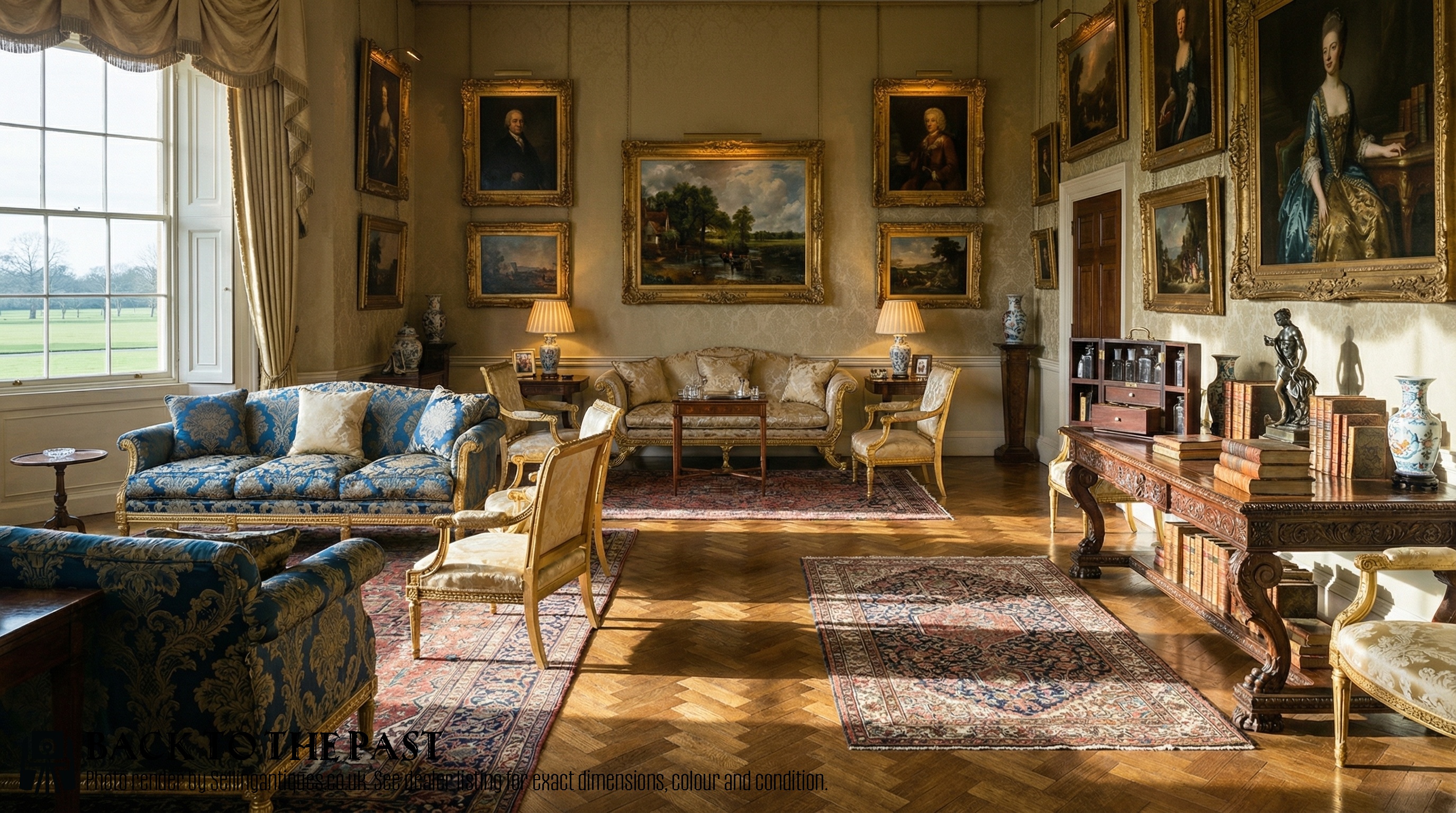
19th Century Medical Cabinet
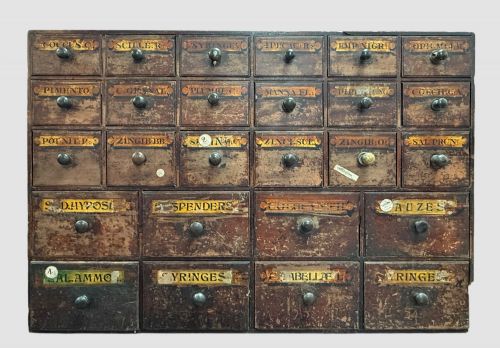
A 19th century medical cabinet encompasses a range of specialist storage forms, from apothecary chests of drawers and banks of drawers to fitted medicine boxes and dentist cabinets. These pieces originate across the Victorian, Regency and earlier 19th-century periods, reflecting the diverse practical needs of chemists, doctors, dentists and opticians.
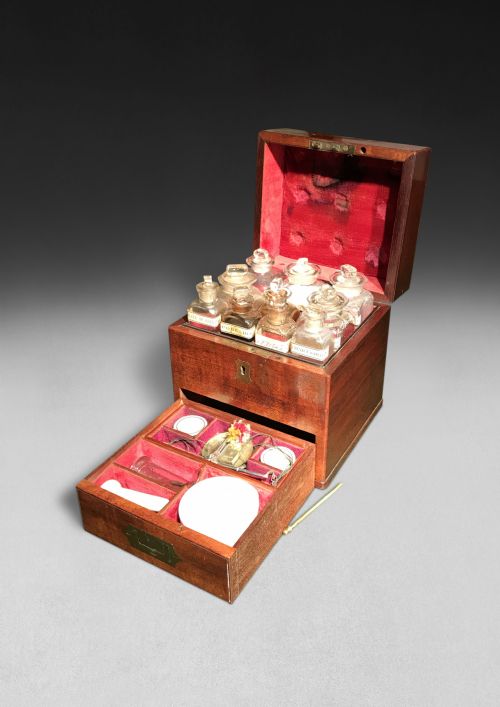
The objects listed on this page include apothecary boxes, bank of drawers units, optician lens kits in cabinets, and veterinary or dental storage. While some items take the form of tabletop boxes with fitted interiors, others are substantial freestanding chests designed for pharmacy and clinical storage.
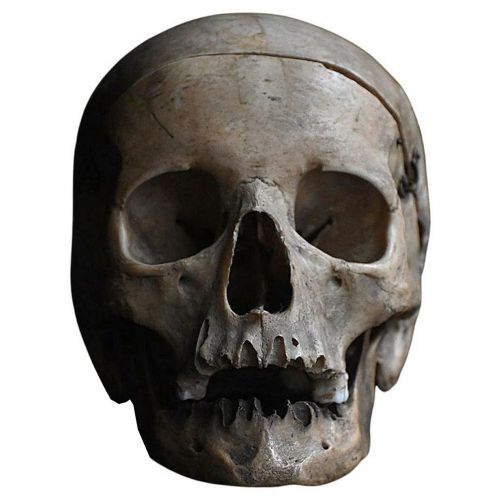
Beyond traditional cabinetry, this search phrase captures related scientific and anatomical material such as instrument cases, anatomical specimens, wax heads, and human skulls. These diverse artefacts share a common heritage in nineteenth-century science, medical practice and natural history.
Materials and construction methods
Cabinetmakers constructed these pieces primarily in mahogany, burr walnut, pine and polished wood, selecting durable timbers capable of housing heavy glass bottles and metal instruments. Finer examples feature intricate mahogany or inlaid details, whilst utilitarian utility pieces rely on sturdy pine and general wood construction.
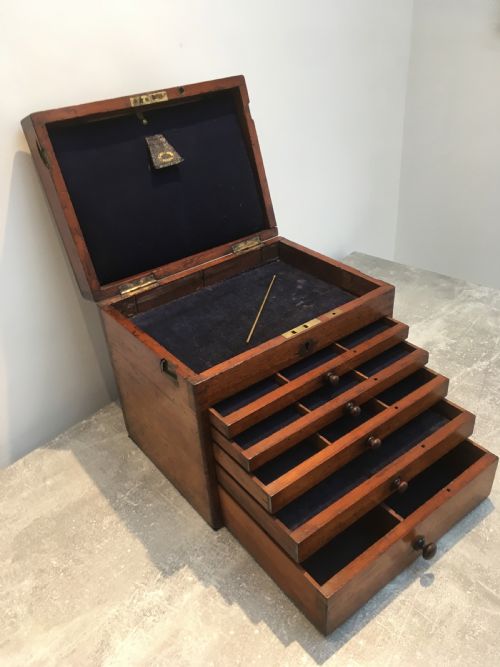
Interiors often incorporate specialised fittings including brass handles, glass bottles, velvet linings and bone components. These internal elements were meticulously arranged to secure delicate pharmaceutical equipment, optical lenses and surgical tools during transit or daily clinical use.
19th Century Medical Cabinet Retail Price Guide 2026
Typical asking prices for 19th century medical cabinet among the pieces listed under this phrase on Sellingantiques today, from the lower quarter to the upper quarter. They describe what is for sale here now, not the wider market.
Object forms span diverse nineteenth-century categories, uniting apothecary chests, banks of drawers, instrument cases, and anatomical items under medical and scientific heritage.
Assessing quality in nineteenth-century medical storage
Quality reveals itself in the precision of the internal fittings and the integrity of the timber used for the carcase and drawers. Superior pieces exhibit seamless joinery, original brass hardware, and complete sets of matching glass bottles or specialised lens kits.
The distinction between a standard utility box and a top-tier cabinet lies in the refinement of the secondary materials, such as velvet linings and bone accents, alongside the overall survival of original functional components.
The 19th Century Medical Cabinet Glossary
- Apothecary box
- A portable or tabletop chest fitted with compartments and glass bottles designed for storing medicines and pharmaceutical preparations. These boxes often feature secure locking mechanisms and folding lids.
- Bank of drawers
- A multi-drawer unit built for high-capacity storage of powders, dry ingredients, or small medical instruments in a pharmacy or surgery. They provide systematic organisation through numerous shallow or deep compartments.
- Dentist's cabinet
- A specialised piece of medical furniture featuring multiple small drawers and drop-front compartments tailored to hold dental tools and materials. Burr walnut and mahogany were frequently utilised for these clinical units.
- Optician test glasses lens kit
- A curated collection of optical lenses housed in a dedicated wooden display case or cabinet for vision testing. These sets contain precisely ground glass elements held within metal or wooden rims.
- Anatomical specimen
- A preserved biological sample or instructional model utilised for medical study and natural history demonstration. Such items reflect nineteenth-century educational methods in clinical practice.
19th Century Medical Cabinet: Frequently Asked Questions
What fits inside an apothecary cabinet?
These cabinets generally house fitted glass bottles, jars, and small compartments designed for powders, liquids, and herbal remedies. Some configurations accommodate specific instruments or optical lenses rather than bottles.
Interior layouts vary by profession, meaning a dentist or optician unit will feature different drawer depths and shelving arrangements compared to a general pharmacy chest.
How do I date a medical cabinet?
Dating relies on examining the timber species, construction techniques, brass hardware, and overall stylistic markers associated with the Regency and Victorian eras. Pieces from earlier periods often employ solid mahogany and hand-cut dovetails.
Makers' marks, label fragments inside the drawers, and the style of the accompanying glass bottles or instruments also offer reliable chronological indicators.
Were these cabinets used in homes?
Many smaller apothecary boxes and homeopathic chests were produced for domestic use, allowing families to treat minor ailments at home. Larger banks of drawers and dental cabinets originated strictly in professional surgeries, pharmacies, and hospitals.
Home medicine chests typically included secure locks to prevent children from accessing potent or poisonous substances stored within.
How should I clean polished wood?
Maintenance requires gentle dusting with a soft, dry cloth to protect the historic polish and timber surface. Avoid modern chemical sprays or excessive moisture which can damage antique wood finishes and brass fittings.
Applying microcrystalline wax occasionally helps nourish older mahogany and walnut surfaces without altering the natural patina developed over the nineteenth century.