


Light Oak Chairs
Light oak chairs bring honest grain and sturdy timber into everyday rooms, ranging from rustic farmhouse forms to formal dining sets.
Light Oak Chairs
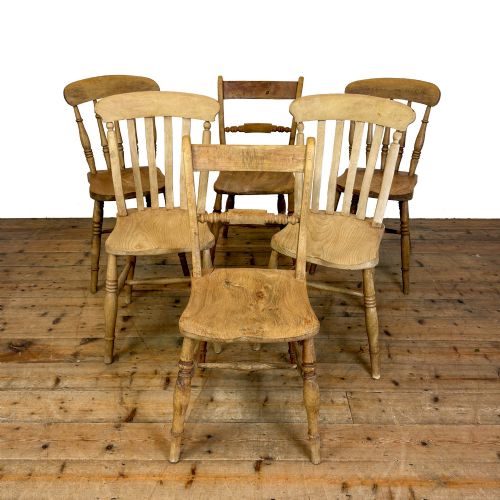
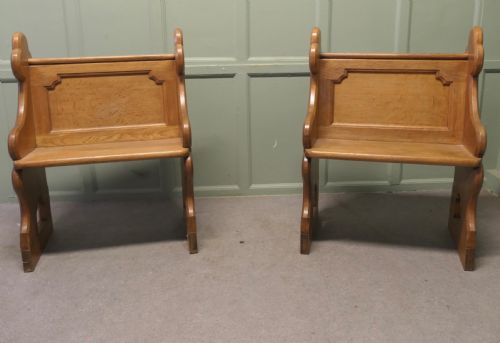
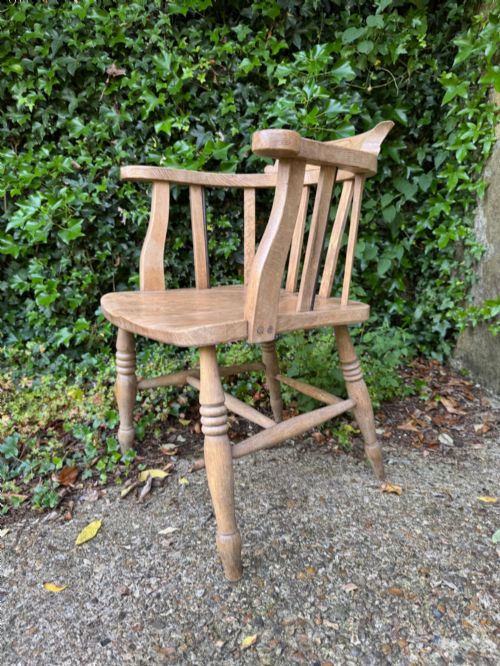
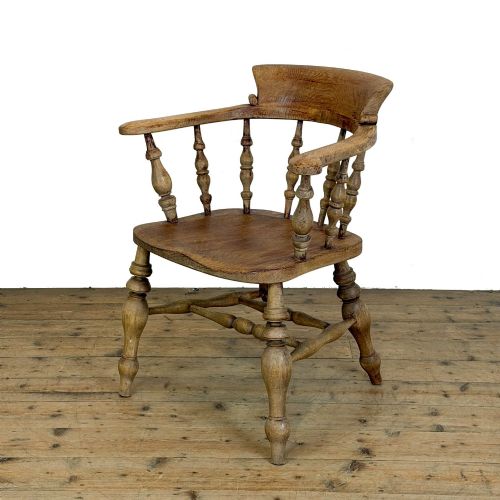
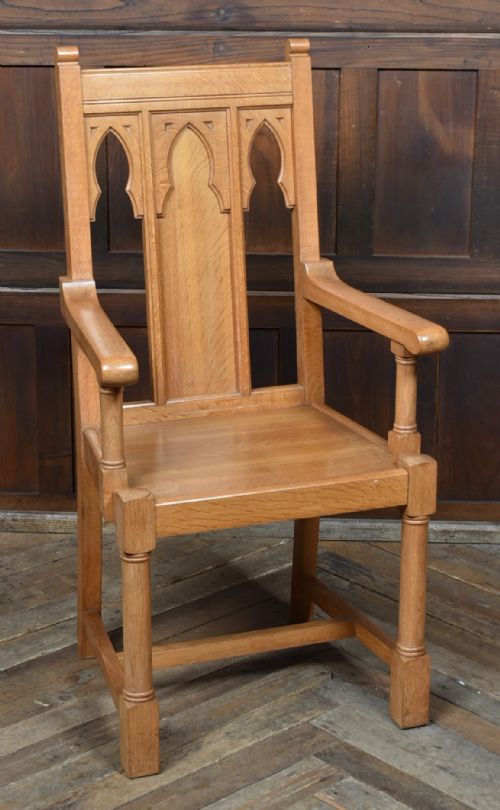
Light oak chairs encompass a diverse selection of seating, from single desk chairs and chapel thrones to large dining sets spanning the nineteenth and twentieth centuries. When searching for light oak chairs, buyers frequently encounter Victorian Gothic hall seating, Arts and Crafts armchairs, and solid rustic dining chairs.
The material palette draws heavily on British vernacular traditions, utilising ash, elm, beech, and pine alongside primary oak timbers. Workshops fashioned these pieces for domestic interiors, offices, and institutions, resulting in robust forms designed for practical utility.
Materials and construction methods
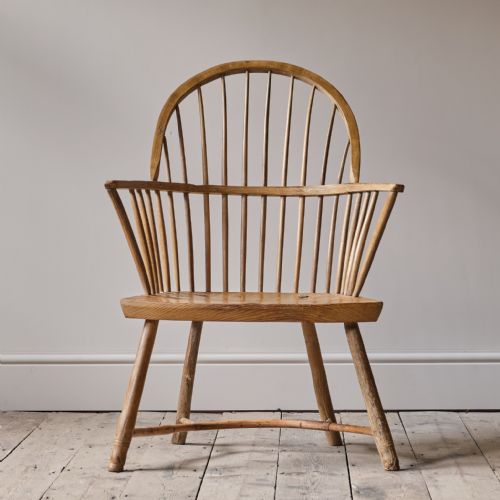
Construction relies primarily on solid oak, frequently paired with secondary woods like elm and beech for seats and structural supports. Joinery techniques include pegged mortise and tenon joints, hoop backs, and turned spindles that provide structural integrity.
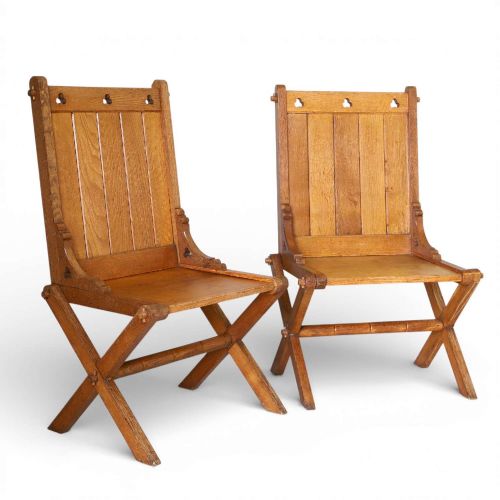
Surface details incorporate carved motifs, trefoil cutouts, brass hardware, and drop-in upholstered seats covered in fabric or velvet. Rush seating also appears on specific Arts and Crafts models, showing diverse artisan approaches to domestic comfort.
Listings feature periods spanning from the nineteenth century through the 1930s, utilising oak, elm, beech, and velvet.
Distinctions in craftsmanship
Quality separates mass-produced utility seating from bespoke workshop output, particularly in the depth of timber carving and the precision of joinery. Pieces featuring integrated structural elements like pegged frames and shaped backs demonstrate superior construction longevity.
The selection of timber grain and the preservation of original hardware distinguish finer examples from standard commercial seating. Retaining matching sets, maker stamps, or distinct regional vernacular details elevates the standing of individual chairs.
Edward Gardener·Heals
The Light Oak Chairs Glossary
- Hoop back
- A continuous curved backrest steam-bent from a single piece of timber. This technique provides ergonomic support and structural strength.
- Glastonbury chair
- A medieval-revival folding chair featuring X-framed supports and a sloping panel back. These pieces often display architectural gothic detailing.
- Captain's chair
- A sturdy wooden armchair with a rounded low back resting on spindles. They originated for use in offices and domestic studies.
- Vernacular
- Furniture built by local craftspeople using regional traditions rather than high-style metropolitan designs. These objects prioritize function and local timber availability.
Light Oak Chairs: Frequently Asked Questions
How do I date an oak chair?
Dating relies on identifying construction methods, tool marks, and stylistic indicators such as gothic revival motifs or arts and crafts simplicity. Examining the joinery and secondary woods provides further clues to the decade of manufacture.
Comparing hardware, upholstery remnants, and overall wear patterns helps narrow the period between the nineteenth and mid-twentieth centuries.
Are these chairs suitable for daily dining?
Solid construction and durable hardwoods make many of these historical chairs practical for regular dining use. Pieces designed for commercial, office, or dining environments prioritize robust frames.
Checking joint stability ensures older timber can handle modern seating demands without compromising the structural integrity of the frame.
What is a chapel throne?
A chapel throne is a large, imposing ecclesiastical chair typically featuring high backs and solid oak construction. These seats served formal roles within religious or institutional settings.
Their architectural presence and carved details distinguish them from standard domestic armchairs and hall seating.
How should I care for light oak furniture?
Maintaining light oak involves regular dusting with a soft cloth and avoiding direct sunlight to prevent timber drying. Conditioning the wood periodically preserves the natural grain and finish.
Keeping humidity stable in the room protects against wood movement and preserves historic joints and upholstery.