

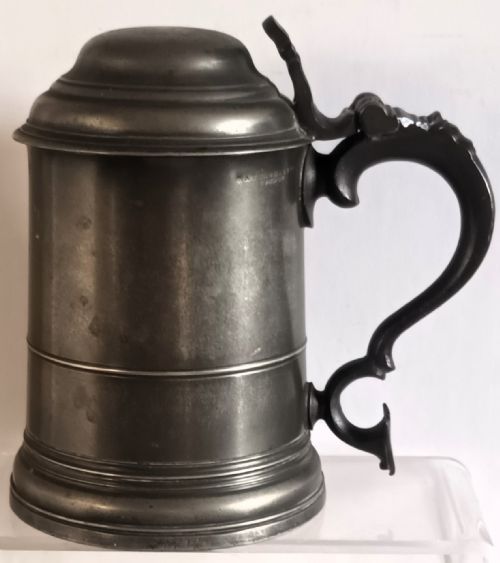
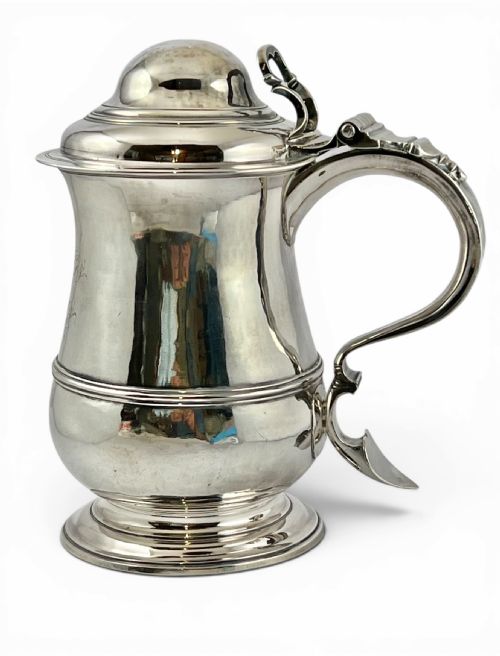


Lidded Beer Stein
These lidded beer stein examples span centuries of drinking vessels, offering robust metal and ceramic forms built for daily use and social toasts.
Lidded Beer Stein
When you search for a lidded beer stein, you encounter a variety of substantial drinking vessels designed to keep ale and beer covered. The selections range from early ceramic westerwald and delft faience pieces to gleaming silver, pewter, and old sheffield plate examples.
The objects take the form of tankards and flagons, originating across periods such as the Georgian, Victorian, and Edwardian eras, alongside German historicism and art nouveau styles. You will frequently meet pewter and silver plated vessels alongside salt glazed stoneware.
These vessels reflect social drinking customs of past centuries, combining functional lids with capacious bodies. Each piece demonstrates the specific manufacturing standards of its period, from simple tavern pewter to ornate masonic and decorative german designs.
How they were made
Makers shaped these drinking vessels from heavy metals like pewter, sterling silver, copper, and silver plate, as well as dense ceramic materials such as stoneware and faience. Metal pieces relied on casting, hammering, and soldering to join bodies, handles, and hinged lids securely together.
Ceramic examples utilised throwing and moulding techniques, often decorated with salt glaze or cobalt applications before firing in kilns. Pewterers cast their metal alloys in moulds, finishing the surfaces by lathe turning and hand polishing to achieve a smooth finish.
The available listings span periods from the eighteenth century through to modern times, including georgian, victorian, and edwardian eras.
What varies in quality
The distinction between ordinary utility items and superior examples lies in the weight of the metal, the crispness of any cast decoration, and the integrity of the hinged lid mechanism. Heavier gauge pewter, substantial silver plates, and well-balanced glass or ceramic bodies indicate higher initial manufacture.
Artistic execution also separates standard pieces from exceptional ones, particularly in the hand-carved details of german stoneware, the precision of silversmith hallmarks, or the intricate celtic designs found on arts and crafts pewter vessels.
Watts & Harton·John Payne·Archibald Knox for Liberty & Co·Burgum & Catcott
The Lidded Beer Stein Glossary
- Westerwald
- A type of German salt-glazed stoneware originating from the Westerwald region, typically decorated with cobalt blue designs.
- Old Sheffield Plate
- A composite material made by fusing a thin sheet of silver onto a thicker copper base, common in eighteenth and nineteenth-century vessels.
- Flagon
- A large drinking vessel with a handle and spout or lid, used historically for serving liquids.
- Faience
- Tin-glazed earthenware produced in Europe, known for its painted polychrome or blue-and-white decorative surfaces.
- Pewter
- A malleable metal alloy consisting primarily of tin, combined with copper and antimony, used extensively for tankards and flagons.
Lidded Beer Stein: Frequently Asked Questions
What materials make up a lidded beer stein?
The listings show vessels constructed from pewter, sterling silver, copper, silver plate, old sheffield plate, stoneware, and glass.
Ceramic examples often feature cobalt decoration, while metal versions utilise hinged lids attached to cast or plated bodies.
How do I tell an 18th-century piece apart?
Eighteenth-century examples often include early salt-glazed westerwald stoneware, heavy pewter tankards with touchmarks, and georgian silver vessels.
Stylistic markers correspond to the georgian and eighteenth-century German periods recorded in the evidence.
Were these vessels used for daily drinking?
These tankards and flagons served practical roles in taverns and homes for consuming beer and ale.
The attached lids helped keep contents covered during social gatherings and meals.
What styles appear in the metal tankards?
Metal tankards reflect various design movements including georgian, victorian, arts and crafts, art nouveau, and german historicism.
Makers applied celtic motifs, floral decorations like hops, and masonic symbols to the surfaces.