

Liberty Arts Crafts Table
When you examine a liberty arts crafts table, you handle domestic timber carrying the distinct design philosophy of late nineteenth and early twentieth century makers.
Liberty Arts Crafts Table
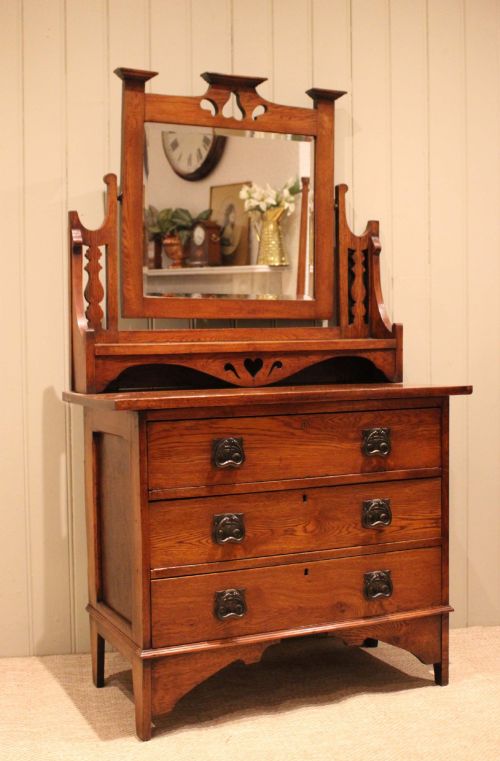
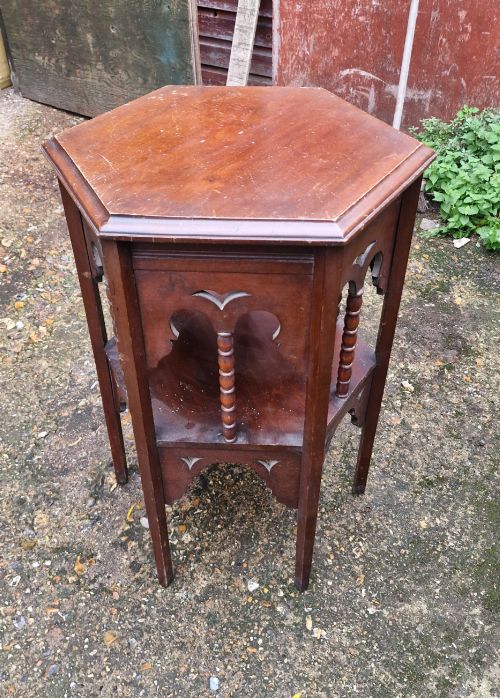
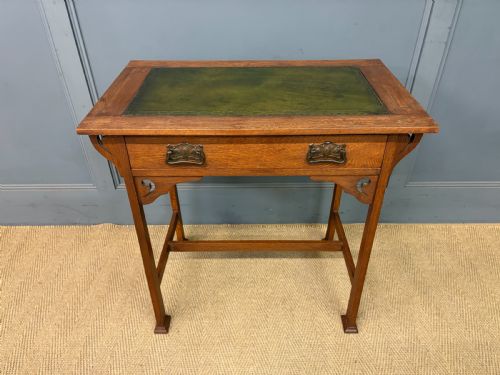
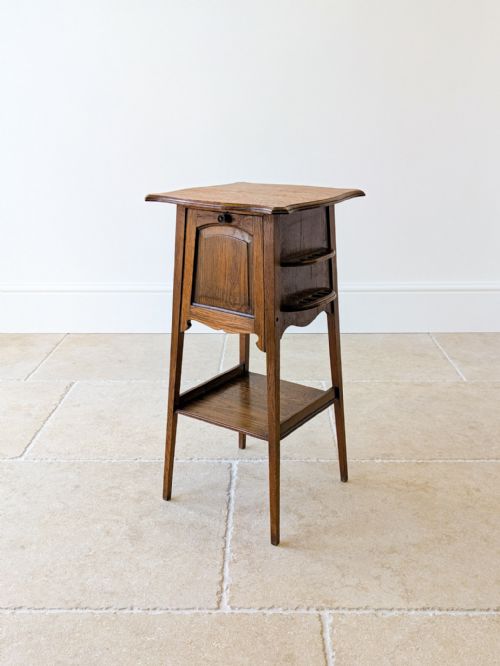
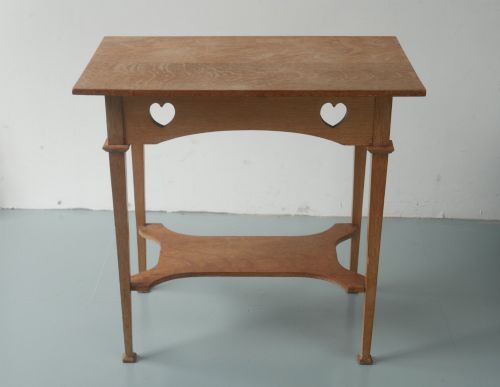
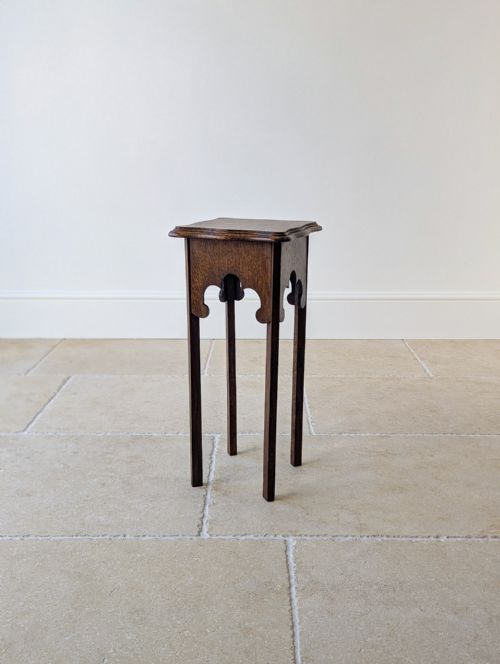
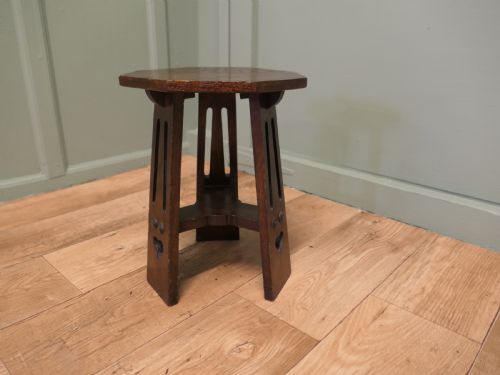
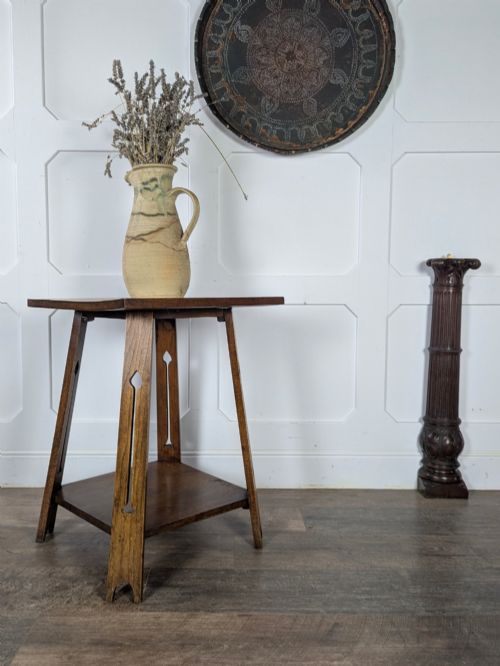
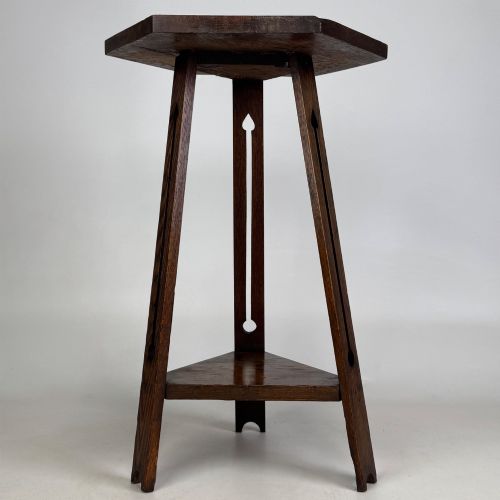
A liberty arts crafts table encompasses low occasional pieces, plant stands, and side furniture produced or retailed during the Victorian and Edwardian eras. Buyers searching for a liberty arts crafts table generally encounter compact oak and walnut designs reflecting the honest construction principles of the movement.
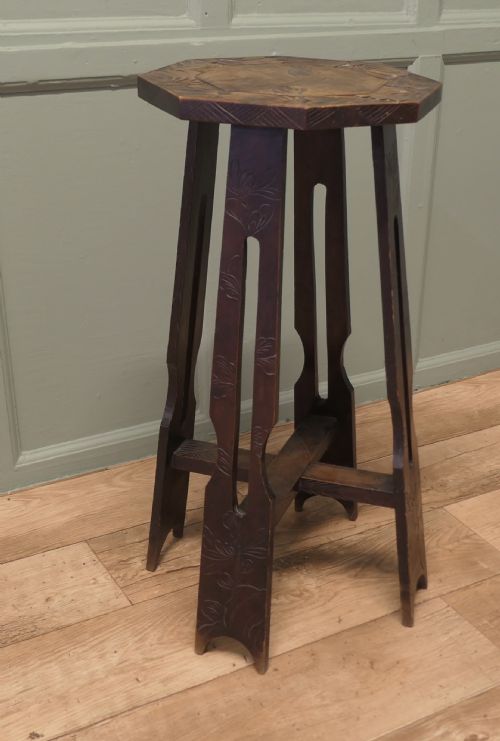
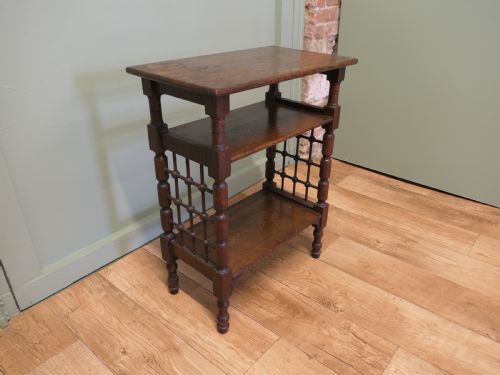
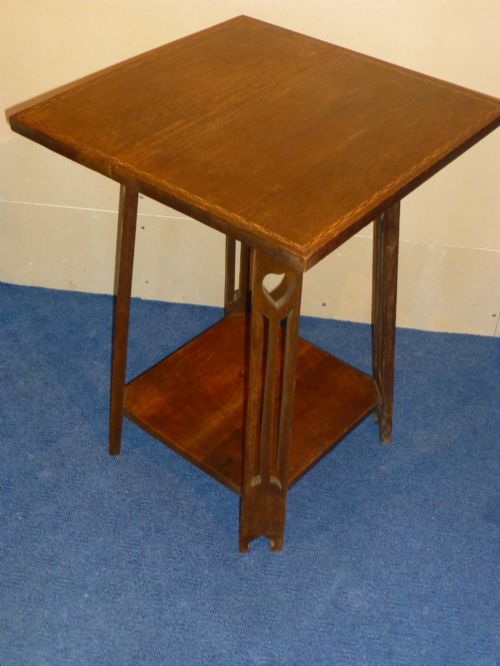
The surviving inventory demonstrates that these items range from simple octagonal plant stands to two-tier lamp tables and occasional surfaces. Many pieces show direct association with Liberty and Company, while others display the characteristic aesthetic associated with their retail manner.
Makers utilised various regional timbers including ash and mahogany, alongside carved hardwood variants influenced by Anglo-Japanese and Moorish styles. The smaller footprint of these tables makes them practical for contemporary hallway and living room settings.
Materials and construction
Solid oak provides the primary structural foundation for the majority of these pieces, complemented by walnut, ash, and carved hardwood. Cabinetmakers employed straightforward joinery methods, letting the natural grain and texture of the wood dictate the visual outcome of each table.
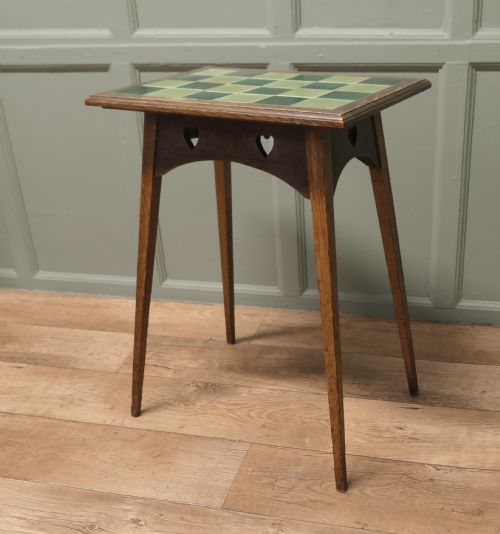
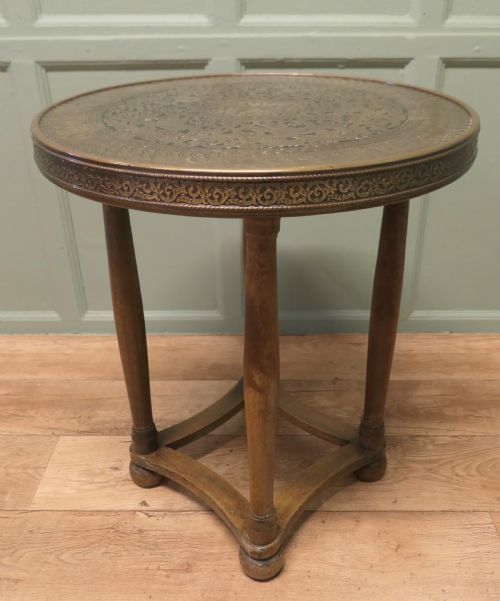
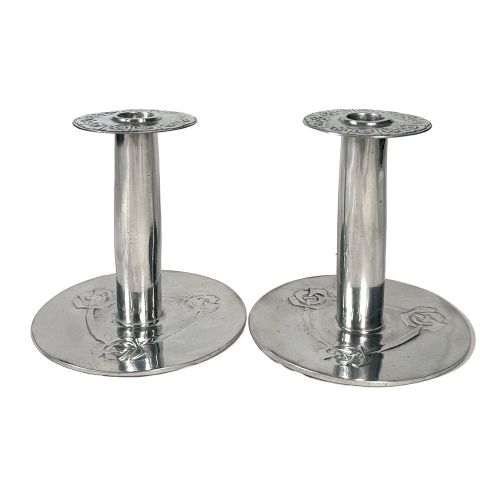
Metal elements frequently appear in the form of copper tops, brass fittings, and pewter inlays by designers such as Archibald Knox. Certain examples incorporate decorative details like chequered inlay, fretwork, and enamel cabochons to contrast with the dark timber surfaces.
Liberty Arts Crafts Table Retail Price Guide 2026
Typical asking prices for liberty arts crafts table among the pieces listed under this phrase on Sellingantiques today, from the lower quarter to the upper quarter. They describe what is for sale here now, not the wider market.
Listings feature oak, walnut, ash, copper, and pewter across items dated from the Victorian and Edwardian periods.
Factors of distinction
The distinction between standard commercial output and exceptional workshop production rests on the integrity of the timber selection and the precision of the joinery. Tables retaining original metalwork, such as copper surfacing or pewter inlays, hold higher regard among collectors.
Attribution to documented designers like William Birch or Archibald Knox elevates the standing of a piece significantly above generic items produced in the same aesthetic manner. Original surface patination and untouched construction details demonstrate superior preservation over repaired or heavily restored examples.
William Birch·Archibald Knox·Baillie Scott·David Veasey
The Liberty Arts Crafts Table Glossary
- Arts & Crafts
- A design movement originating in the late nineteenth century that emphasised handcrafting, utility, and simple forms over industrial mass production.
- Occasional Table
- A small, portable table designed for specific, intermittent household uses such as holding a lamp, book, or plant.
- Anglo-Japanese
- A nineteenth century hybrid style blending traditional Japanese decorative motifs and construction techniques with Western furniture forms.
- Tudric Pewter
- A trade name used by Liberty and Company for a specific range of pewterware often designed by Archibald Knox with stylized organic motifs.
- Cabochon
- A polished, convex gemstone or enamel insert set flush into metalwork or woodwork as a decorative accent.
Liberty Arts Crafts Table: Frequently Asked Questions
How do I identify a Liberty table?
Authentic pieces often carry paper labels, stamps, or specific construction traits linked to the retailer and associated workshops like William Birch. Surviving documentation and characteristic design motifs help separate genuine retail pieces from contemporary revival items.
Examining the underside, secondary woods, and metal components provides further confirmation of origin. Comparing the proportions against documented archive examples assists in verifying the attribution.
What woods were commonly used?
Oak forms the vast majority of surviving frames, selected for its durability and prominent grain pattern. Walnut, ash, and carved exotic hardwoods also appear frequently across the inventory.
Makers matched these timbers with contrasting materials such as copper, brass, and pewter. The choice of wood generally aligns with the specific regional style or designer vision of the period.
Where should I place these tables?
Their compact dimensions make these pieces suitable for use as lamp stands, hall tables, or bedside surfaces. Plant stands and two-tier occasional tables function effectively in corners or alongside seating.
Placing them away from direct heat sources protects the historic timber and original finishes from splitting or drying out. Gentle positioning preserves the structural integrity of older joints.
How do I care for the surface?
Regular dusting with a soft, dry cloth prevents the accumulation of particulate matter on carved details and flat planes. Natural wax polishes applied sparingly maintain the sheen of historic oak and walnut without creating buildup.
Avoiding synthetic chemical sprays protects older finishes and patination from degradation. Proper humidity control in the room safeguards the stability of the wood.