


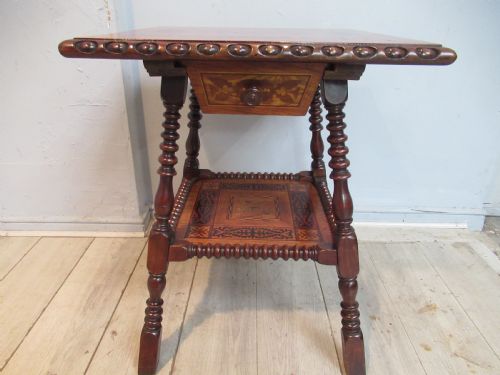
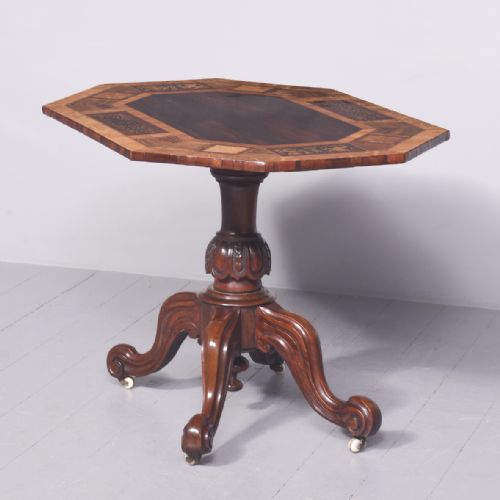


Decorative Carved Accent Table
A decorative carved accent table brings global craftsmanship and rich texture into a room, offering a versatile surface that catches the eye.
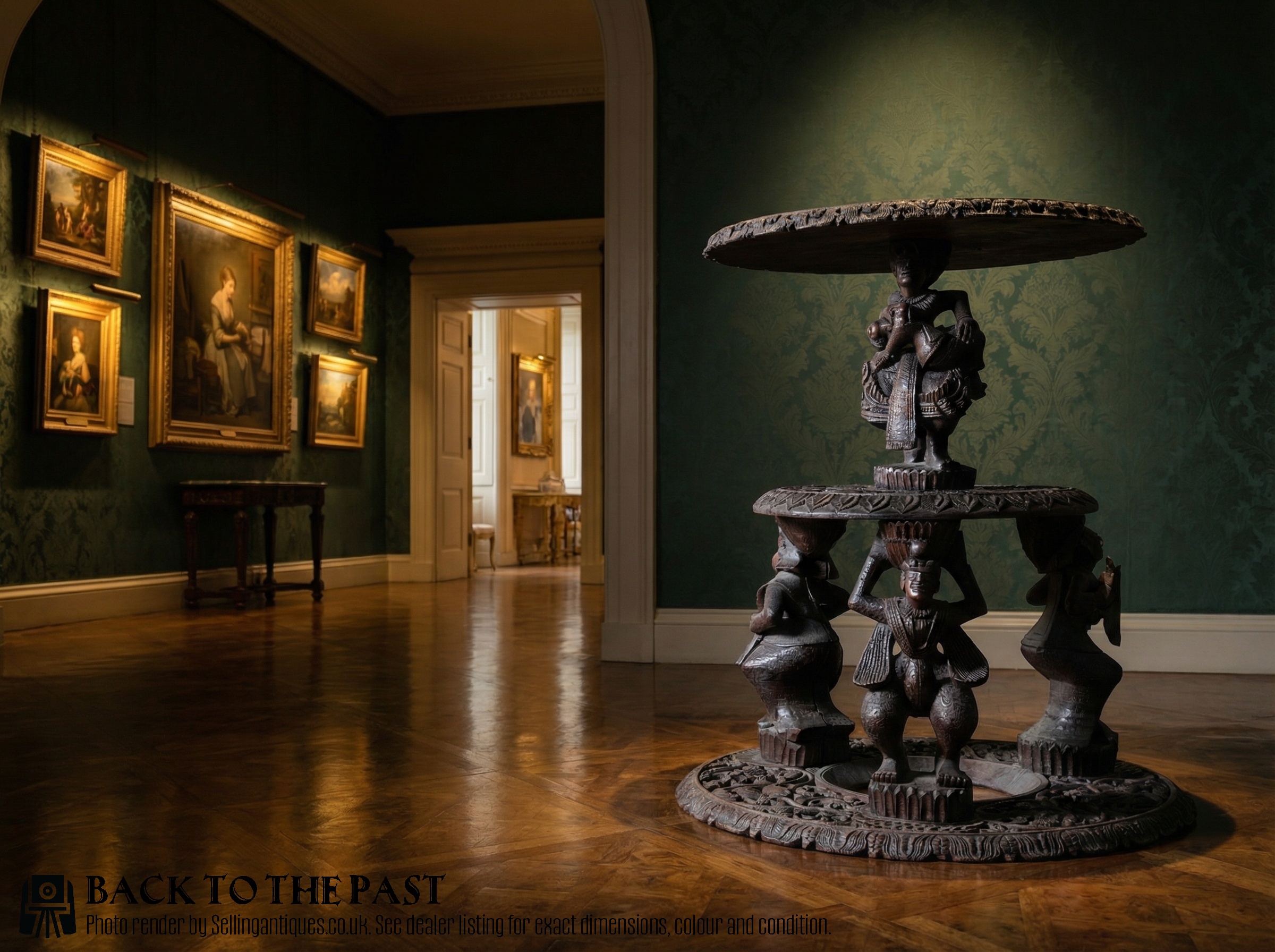
Decorative Carved Accent Table
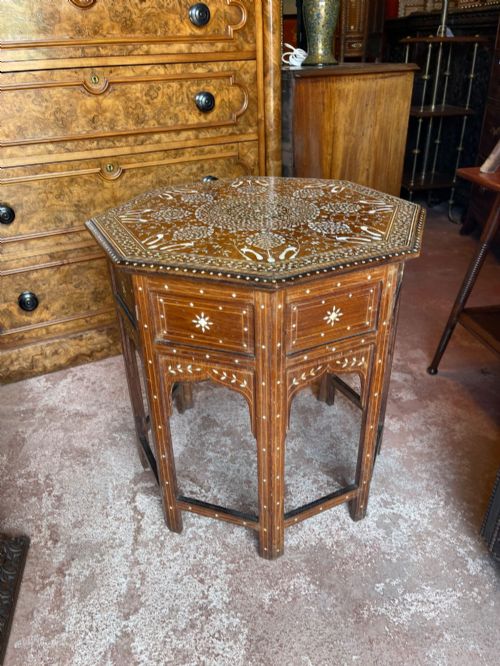
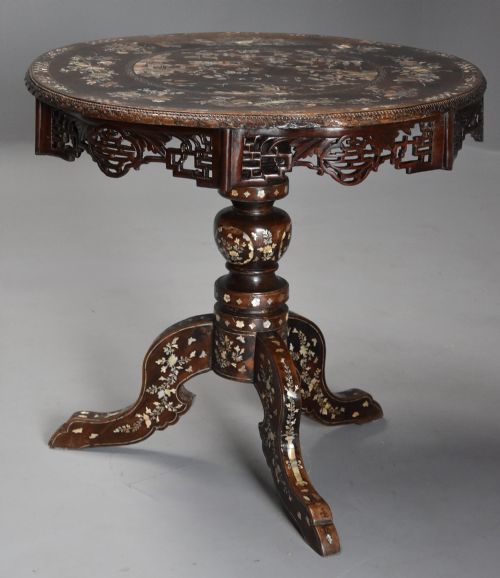
A decorative carved accent table encompasses a diverse range of small occasional furniture pieces designed to punctuate a room with distinct historical character. When searching for a decorative carved accent table, buyers frequently encounter regional works originating from India, China, and Europe during the nineteenth and early twentieth centuries. These pieces serve functional roles as side tables, centre tables, and plant stands while displaying elaborate surface ornamentation.
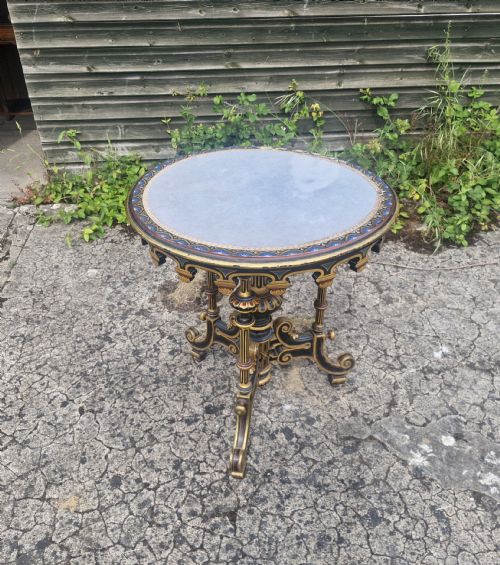
The domestic examples on offer lean heavily toward Victorian production, alongside French and Anglo-Indian variants featuring intricate woodwork. Forms range from compact square and circular tables to nests of tables and tripod lamp bases. Each piece utilises carved details to transform standard timber supports into decorative focal points within traditional and eclectic interiors.
Materials and construction methods
Timbers form the foundation of these pieces, with hardwoods, mahogany, walnut, rosewood, and padouk providing durable structures for intricate hand carving. Artisans combined dense native woods with exotic imports, occasionally applying paint, red lacquer, or polychrome finishes to enhance the visual depth of the carved surfaces. Inlaid elements utilising mother-of-pearl, bone, and contrasting satinwood frequently complement the carved woodwork on regional tables.
Construction techniques rely heavily on traditional joinery paired with painstaking manual excavation of the timber. Regional workshops in locations such as Hoshiarpur and Kashmir employed specialised chisel work to create dense floral and geometric relief patterns across the entire surface. European makers utilised similar relief carving alongside applied mouldings and marble tops to achieve distinct period styles.
The listings feature wood, paint, brass, fabric, teak, and rosewood across nineteenth- and early-twentieth-century forms.
Evaluating craftsmanship and detail
Quality in these carved tables rests upon the depth, precision, and crispness of the hand-carved ornamentation. Finer examples exhibit deeply undercut relief work where foliage and figures detach cleanly from the background timber, whereas lesser pieces rely on shallow, mechanical stamping or superficial surface scoring.
The integrity of secondary materials, such as the snugness of bone or mother-of-pearl inlay and the stability of the underlying timber frame, dictates the longevity of the piece. Superior construction ensures that joints remain tight despite changes in humidity, and that delicate fretwork or turned elements retain their original alignment without heavy modern replacement.
Liberty and Co
The Decorative Carved Accent Table Glossary
- Anglo-Indian
- Descriptive of furniture made in India during the British colonial period, often combining European forms with traditional Indian carving and inlay techniques.
- Hoshiarpur
- A North Indian centre known for intricate woodwork, where artisans inlaid bone and shesham wood into dense geometric patterns.
- Tripod table
- A small freestanding table supported by a pillar resting on three spreading feet, popular for occasional use during the nineteenth century.
- Padouk
- A heavy, durable tropical hardwood with a reddish hue favoured for fine carving and cabinetmaking.
- Centre table
- A freestanding table intended to be viewed from all sides, traditionally placed in the middle of a room rather than against a wall.
Decorative Carved Accent Table: Frequently Asked Questions
Where should I place a carved accent table?
These small tables suit locations where space is limited but visual impact is desired, such as beside a reading chair or in an entrance hallway. Their detailed carved surfaces work well against neutral walls where the woodwork can be fully appreciated.
Avoid placing them in areas prone to dampness or direct heat sources, which can dry out older hardwoods and affect delicate inlays or painted finishes.
How do I clean an antique carved table?
Dust regularly with a soft, dry lint-free cloth, taking care not to catch delicate carved edges or raised inlay work. Avoid using harsh chemical sprays or modern polishes that can build up within the recesses of the carving.
Applying a minimal amount of high-quality beeswax occasionally will nourish the timber and maintain a soft sheen without altering the original patina.
Can I use a plant stand as a side table?
Many surviving plant stands and occasional tables share similar heights and top dimensions, making them interchangeable depending on your household needs. Ensure that the top surface is stable enough to support items like lamps or cups without wobbling.
Consider the weight distribution of the piece, as slender tripod bases offer less stability on thick carpets than four-legged variants.
How do I distinguish between regional styles?
Look closely at the choice of motifs and secondary materials, such as bone inlay on Indian pieces versus dragon motifs on Chinese export examples. European variants often borrow classical architectural elements from French or Victorian revivals.
Examining the underside of the table top and the interior joints often reveals clues regarding the geographic origin and workshop practices of the maker.