




Late Victorian Wall Mirror
When you search for a late victorian wall mirror, you are looking at nineteenth century glass framed in carved timber, giltwood, or brass.
Late Victorian Wall Mirror
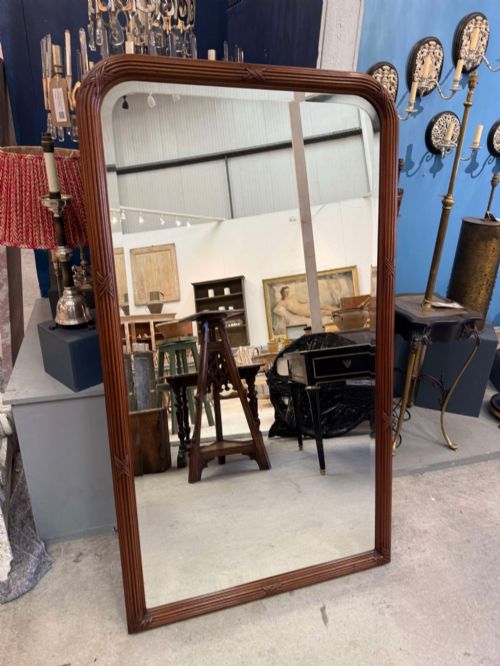
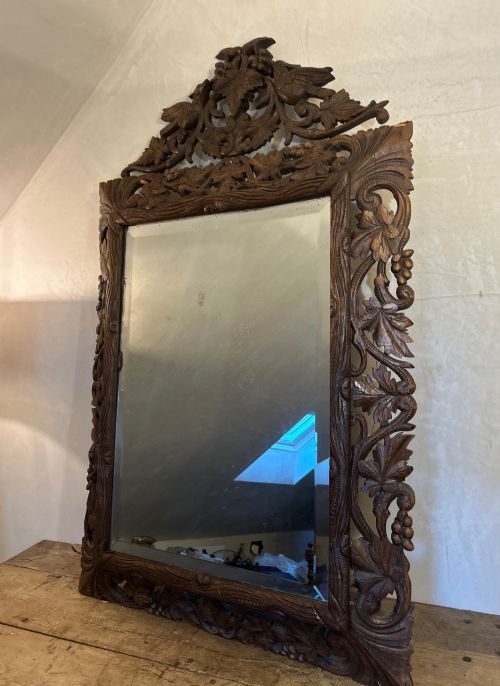
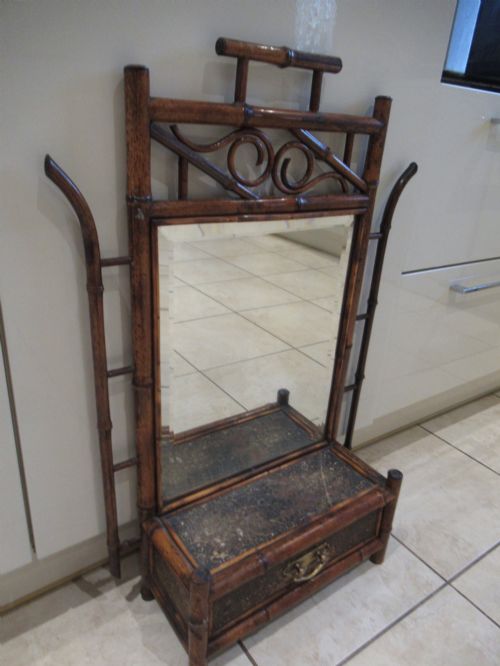
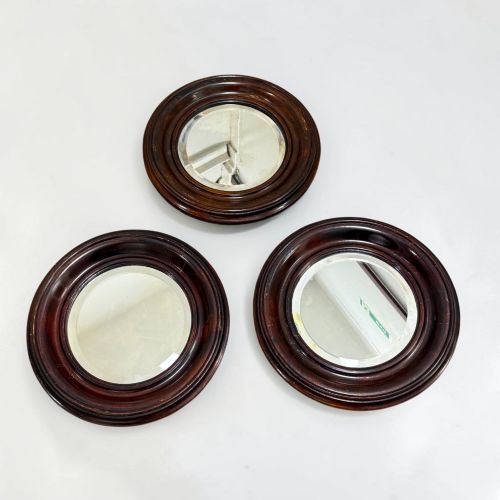
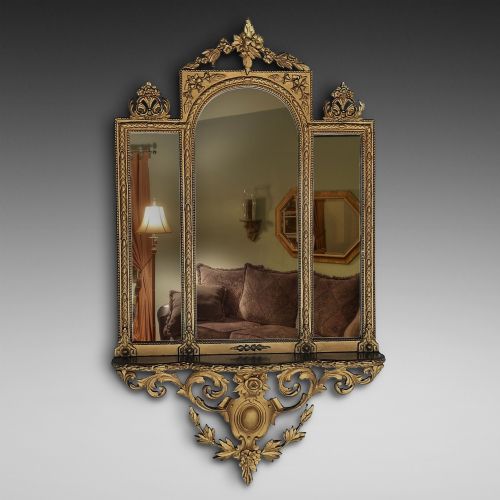
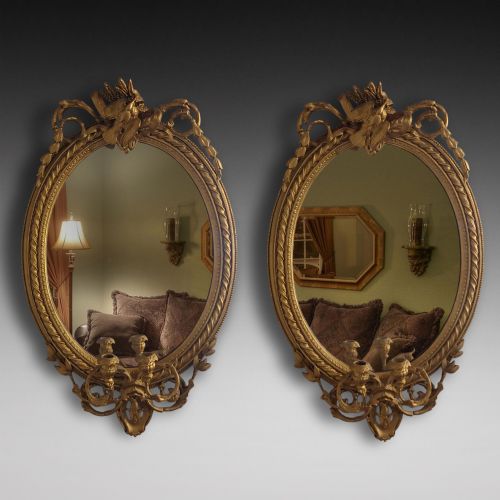
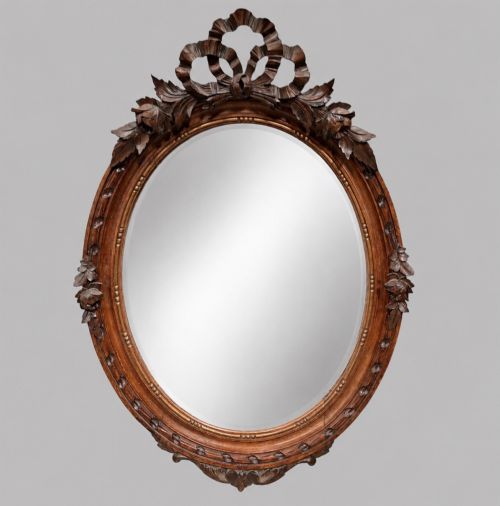
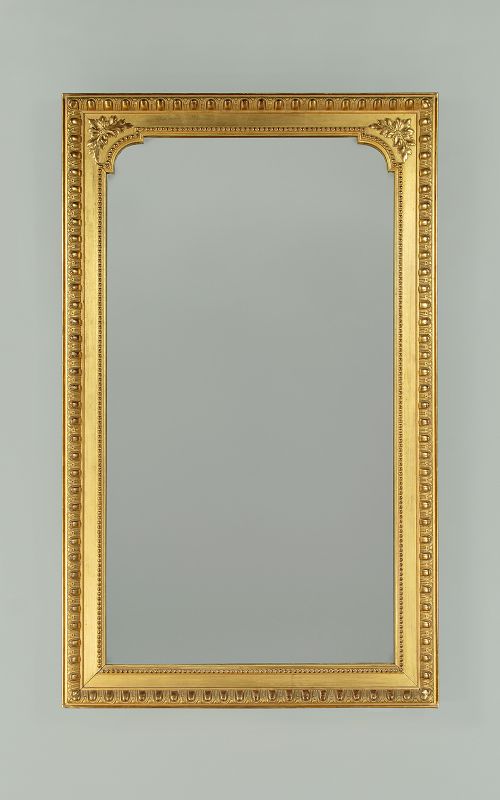
A late victorian wall mirror originates predominantly from the closing decades of the nineteenth century into the very early twentieth century, spanning periods recorded from the 1870s through to the Edwardian era. These pieces appear in forms ranging from simple rectangular oak and mahogany frames to ornate giltwood oval shapes, overmantel mirrors, and smaller wall-mounted girandoles.
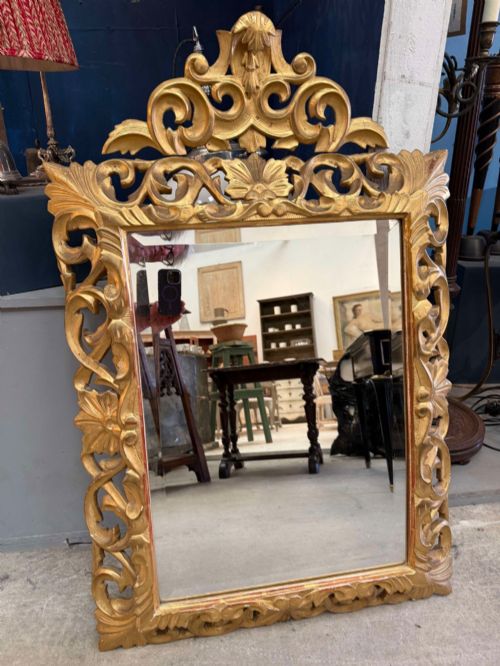
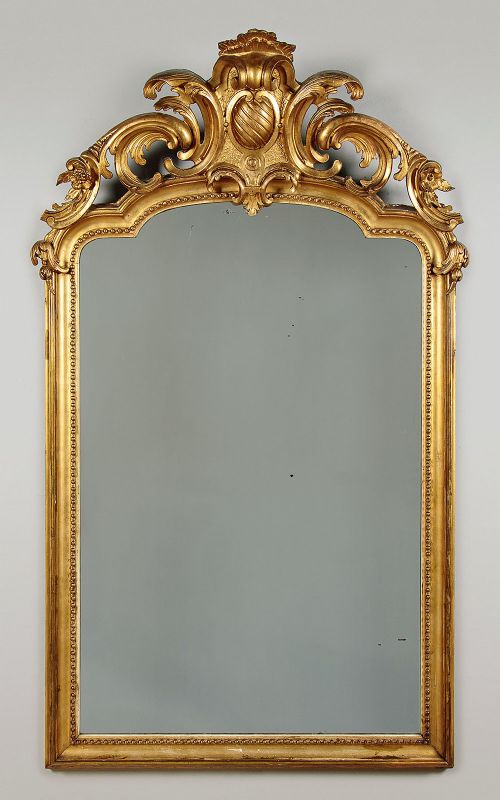
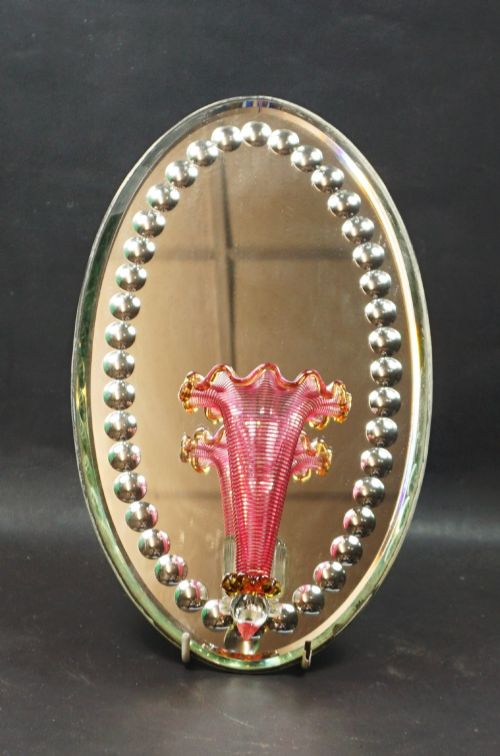
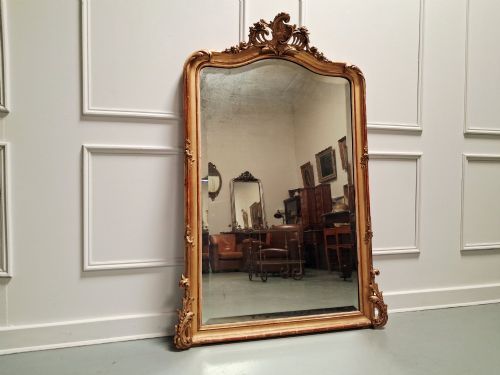
The styles seen on this page draw heavily on historical revivals, encompassing Rococo Revival, Neoclassical or Adam Revival, and French Chateau designs alongside Aesthetic Movement and Venetian glasswork. Buyers encounter both domestic English hardwoods like oak and walnut and continental imports featuring elaborate gesso or composition ornamentation.
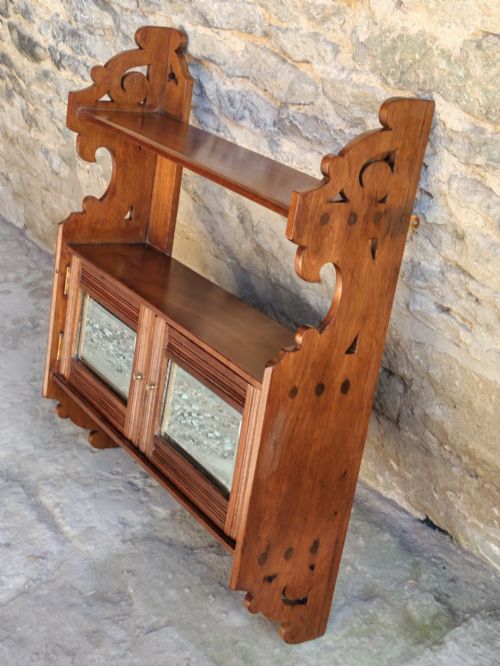
Beyond standard wall mirrors, the category encompasses related wall furniture such as coat racks, hanging cabinets, and candle sconces that utilise the same framing materials and decorative vocabularies. These functional objects share the characteristic proportions and surface treatments typical of late nineteenth century interior ornamentation.
How they were made
Makers constructed the structural frames from solid timbers such as oak, mahogany, walnut, maple, and ebonised wood, frequently applying hand carving to shape foliage, swags, or urns. Alternatively, lighter wood bases received applied layers of gesso or composition to hold intricate moulded relief details before gilding.
Surface finishing relied heavily on gold leaf application over bole, or gold paint applied to gesso and carved wood frames, alongside specialised glass treatments including acid etching, ruby red borders, cobalt blue margin edges, and cut decoration. Bronze and brass elements were cast and polished to complement the reflective plates set within.
Late Victorian Wall Mirror Retail Price Guide 2026
Typical asking prices for late victorian wall mirror among the pieces listed under this phrase on Sellingantiques today, from the lower quarter to the upper quarter. They describe what is for sale here now, not the wider market.
Pub mirrors from Maida Vale rubbed shoulders with French chateau giltwood, proving that nineteenth century Victorians loved a reflective surface anywhere.
What varies in quality
The standard of a late victorian wall mirror is determined by the depth and crispness of the hand carving in the wood or the modelling of the gesso relief. Superior examples exhibit sharply defined ornamentation and well-joined frame corners, whereas lesser pieces rely on softer, mass-produced composition mouldings.
The integrity of the materials also dictates overall worth, distinguishing original mercury plates or thick bevelled glass with natural foxing from later replacement mirror glass. High grade framing timber and intact original gilding retain their visual depth far better than worn or over-painted surfaces.
The Late Victorian Wall Mirror Glossary
- Giltwood
- Timber carved and coated with gold leaf. This finish creates a bright reflective surface popular across nineteenth century decorative frames.
- Gesso
- A plaster mixture applied to wood frames and carved. It provides a smooth base for subsequent gilding and intricate relief moulding.
- Girandole
- A wall mirror with attached candle sconces. The candleholders multiply the available light within a room by reflecting the flame.
- Overmantel mirror
- A wide mirror designed to hang above a fireplace mantel. These large plates typically anchor the decorative scheme of a Victorian reception room.
- Composition
- A moulded mixture of whiting, resin, and oil. Makers pressed this paste into decorative shapes as a cheaper alternative to hand carving.
Late Victorian Wall Mirror: Frequently Asked Questions
Are original mirror plates always clear?
Original nineteenth century plates frequently exhibit foxing, which manifests as small dark spots or a cloudy patina caused by the degradation of the silvering behind the glass.
Many collectors value this aged appearance as proof of authenticity, distinguishing untouched mercury or early silvered plates from modern replacements.
What rooms suit an overmantel mirror best?
Overmantel mirrors were originally proportioned to sit above a fireplace hearth, where their generous width helped bounce natural light around dimly lit period rooms.
Today, they function equally well mounted above low sideboards in dining spaces or as focal points in large hallways to create an immediate sense of depth.
How do I clean a giltwood frame without damage?
Dust giltwood and gesso surfaces gently using a soft, dry artist brush or ostrich feather duster to remove loose particles without disturbing delicate raised ornamentation.
Avoid using water, commercial chemical sprays, or damp cloths on gilded or painted surfaces, as moisture strips the fragile gold leaf and softens the underlying gesso.