


Late Victorian Silver Plate
Late victorian silver plate brings together utilitarian function and decorative display, offering sophisticated dining and entertaining wares from the end of the nineteenth century.
Late Victorian Silver Plate
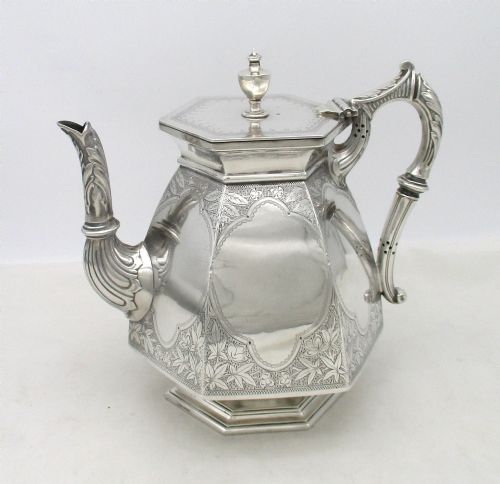
Late victorian silver plate encompasses a diverse array of domestic and decorative objects produced during the final decades of the nineteenth century. These utilitarian items served the formal dining room, the drawing room, and the desk, ranging from teapots and cruet sets to inkstands and figural candlesticks.
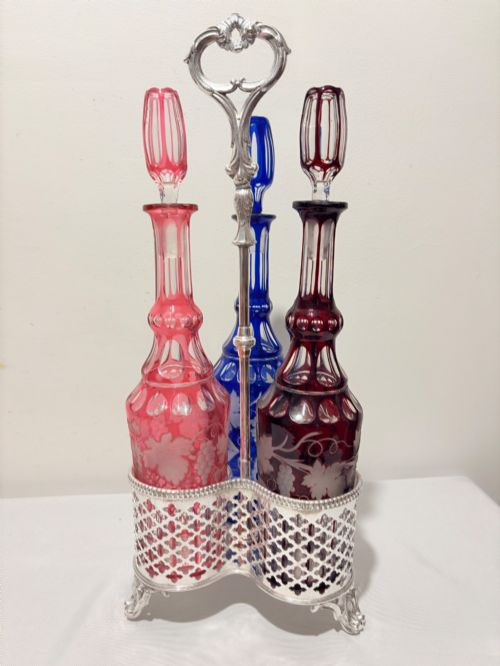
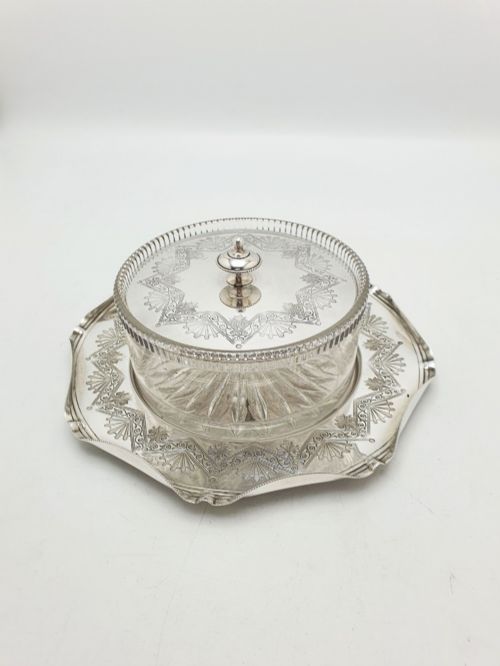
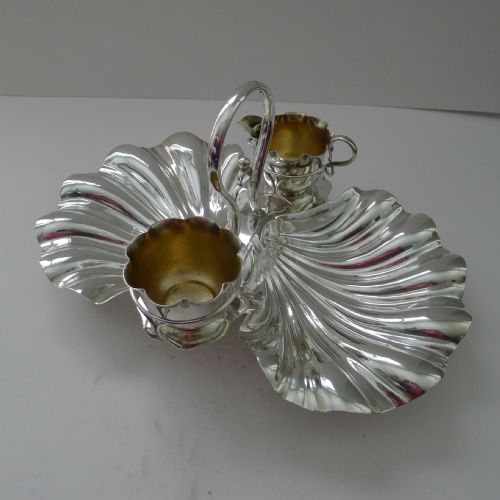
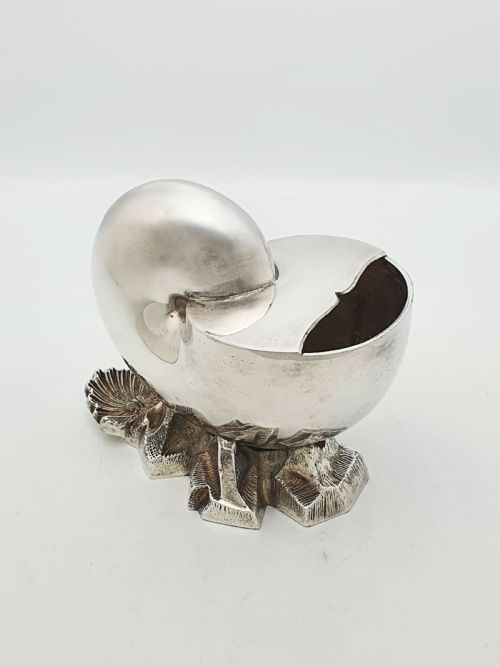
Buyers seeking late victorian silver plate encounter specialised serving vessels and table accessories that reflect high Victorian and Aesthetic Movement tastes. Common forms include claret jugs with cut glass bodies, elaborate biscuit barrels, fruit serving sets, and novelty pieces shaped as animals or inanimate objects.
The objects stem primarily from English manufacturing hubs, combining base metals with durable plating techniques to achieve the visual splendour of solid silver. They represent an era of domestic expansion where middle-class households adopted refined dining rituals previously reserved for the aristocracy.
How They Were Made
The production of these wares relied predominantly on electroplated nickel silver, a base metal composition that provided strength and stability for complex shapes. Manufacturers applied a thin coating of pure silver to the substrate through electroplating, a chemical deposition process developed earlier in the century.
Artisans combined metalwork with organic and vitreous materials, pairing silver-plated mounts with cut glass, cranberry glass, carved oak, walnut, mother-of-pearl, and horn. Details such as floral engraving, figural castings, and pierced galleries were executed by hand or via industrial stamping techniques.
Listings feature extensive dining and entertaining equipment, combining silver plate with cut glass, cranberry glass, oak, walnut, brass, and mother-of-pearl across the late Victorian era.
What Varies in Quality
Quality in late victorian silver plate rests upon the crispness of the chasing and engraving, the weight and balance of the piece, and the integrity of the underlying metal. Superior examples display deep, hand-finished ornamentation rather than shallow, stamped impressions that blur with wear.
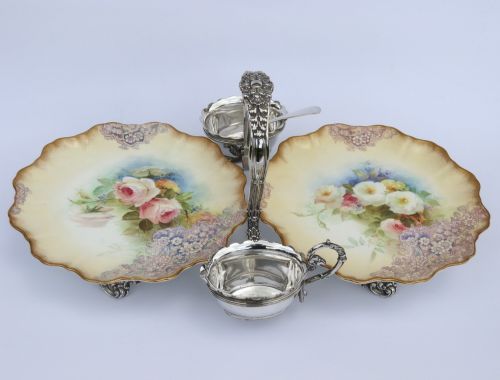
The marriage of mixed materials dictates distinction at the higher end of the range. Items incorporating flawless cut glass liners, genuine exotic woods, or hand-painted ceramic plaques demonstrate a commitment to craftsmanship that elevates the object beyond standard factory production.
Daniel Arter·Walker and Hall·John Harrison·William Hutton·The Goldsmith Co.·Hukin and Heath·Elkington and Co.·Benjamin Smith II·Lee and Wigfull
The Late Victorian Silver Plate Glossary
- Electroplated Nickel Silver
- A copper, nickel, and zinc alloy coated with a layer of pure silver using an electrolytic process. This material formed the durable structural core for the majority of late nineteenth-century tableware.
- Claret Jug
- A tabletop vessel designed for serving red wine, typically featuring a glass body fitted with a hinged silver-plated lid, handle, and collar. These often incorporated cut glass or coloured glass bodies.
- Cruet Set
- A matched collection of glass bottles or jars held within a silver-plated frame, used for dispensing condiments such as oil, vinegar, salt, and mustard at the dining table.
- Biscuit Barrel
- A covered container intended for storing dry biscuits or cookies in the drawing room or dining room. They frequently utilised ceramic, opaline glass, or cranberry glass bodies mounted in pierced silver-plated frames.
- Knife Rest
- A small horizontal support designed to keep soiled cutlery elevated above the tablecloth between courses. They were cast in various figural and geometric shapes, sometimes sold in boxed sets.
Late Victorian Silver Plate: Frequently Asked Questions
What is electroplated nickel silver?
Electroplated nickel silver is a strong metallic alloy composed of copper, nickel, and zinc that serves as the base for a thin layer of pure silver. This method allowed manufacturers to produce durable, affordable tableware that mirrored the appearance of solid silver.
The technique became the industry standard during the nineteenth century, replacing older methods of fusing silver sheet to copper. It provided the structural rigidity necessary for intricate decorative casting while keeping production costs manageable for the expanding middle class.
How do I clean silver plate?
Cleaning silver plate requires gentle maintenance using specialised silver polishing cloths or mild, non-abrasive liquid polishes formulated specifically for plated items. Vigorous scrubbing must be avoided to prevent wearing away the thin outer layer of silver.
When storing or displaying these objects, keeping them away from direct sunlight and damp environments helps preserve both the metal finish and associated materials like wood, velvet, or glass liners.
Were these items used daily?
Many late Victorian silver-plated pieces were designed for formal dining rituals, afternoon tea parties, and household administration rather than casual daily meals. Items such as cruet sets, claret jugs, and inkstands formed part of the structured routine of a middle- or upper-class Victorian home.
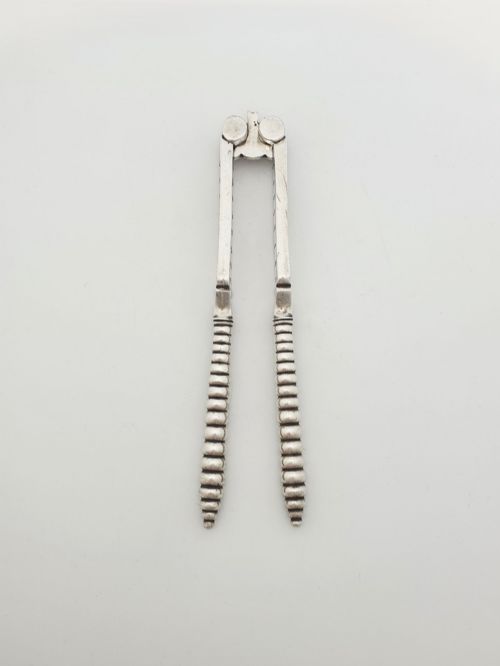
Simultaneously, specialised serving tools like lobster crackers, grape scissors, and butter dishes indicate a culinary culture focused on specific dining formalities and entertaining guests.
How do I identify the period?
Identifying the period involves examining stylistic cues such as Aesthetic Movement motifs, Gothic revival elements, or the characteristic florid engraving associated with the late nineteenth century. Maker's marks and registration numbers stamped onto the metal often provide precise manufacturing clues.
Additionally, the combination of materials - such as cranberry glass, walnut stands, or specific ceramic inserts - aligns with the manufacturing trends and design preferences prevalent between eighteen-eighty and nineteen-hundred.