






Victorian Presentation Tray
A victorian presentation tray is a heavy metal salver or platter designed for formal service, offering lasting craftsmanship and historic utility for the modern home.
Victorian Presentation Tray
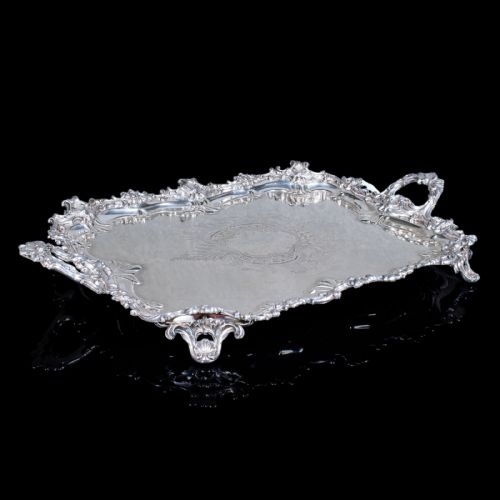
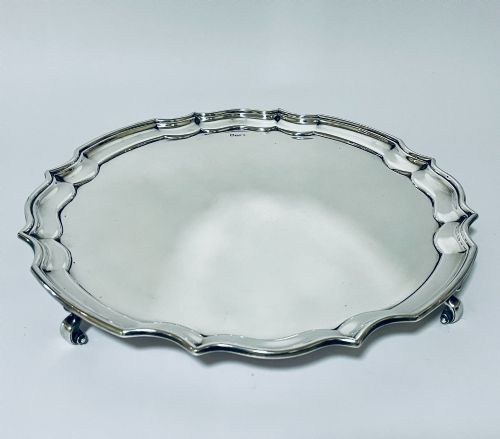
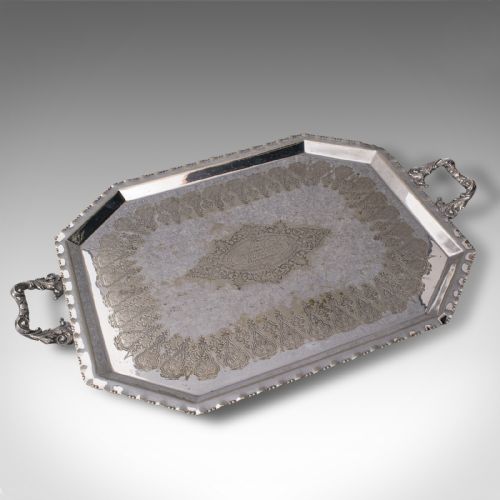
A victorian presentation tray brings together heavy silver plate, sterling silver, and engraved copper in formats built for formal service and display. These pieces range from grand afternoon tea platters and salvers to fitted trays mounted as side tables.
The selection on this page leans heavily towards English silver plate and sterling silver salvers, alongside Indian Colonial and Persian examples. Buyers will also encounter specialised items such as jewellery shop display pieces and boxed dishes.
Origins stretch from the nineteenth century into related periods, uniting ornate Rococo Revival styles with traditional serving forms. Each item reflects the domestic routines and hospitality of its era.
Materials and Construction
Makers shaped these items from sterling silver, silver plate, nickel silver, and copper, frequently combining metals with wood or fabric inserts like mahogany, velvet, and satin. Surfaces were often richly engraved or chased with detailed motifs.
Construction methods involved heavy casting for borders and feet, paired with hammered or rolled metal sheets for the tray base. Oak framing was also utilised for structural rigidity in larger serving pieces.
Victorian Presentation Tray Retail Price Guide 2026
Typical asking prices for victorian presentation tray among the pieces listed under this phrase on Sellingantiques today, from the lower quarter to the upper quarter. They describe what is for sale here now, not the wider market.
Some trays lived double lives, starting as grand presentation pieces before ending up as afternoon tea tables.
Defining Quality
Quality rests in the weight of the metal, the crispness of the chased or engraved decoration, and the integrity of any applied borders. Superior examples maintain thick silver plating or solid sterling construction without excessive wear to the underlying base metal.
Design complexity also separates standard pieces from finer work, seen in heavily cast Rococo Revival rims and specialised presentation inscriptions. The presence of original fitted cases or structural additions like table stands elevates the significance of a piece.
Charles Boyton II
The Victorian Presentation Tray Glossary
- Salver
- A flat plate or tray, typically made of silver or other metal, used for serving drinks or presenting items. They usually stand on small feet.
- Chasing
- A metalsmithing technique where a design is hammered into the front surface of the metal to create raised ornamentation. This method pushes the metal rather than cutting it away.
- Sterling silver
- An alloy consisting of silver and other metals, usually copper, standardised for purity to ensure durability. It bears hallmarks denoting its composition and origin.
- Silver plate
- A base metal such as copper or nickel silver coated with a thin layer of pure silver. Techniques evolved significantly during the nineteenth century.
- Rococo Revival
- A nineteenth century design style characterised by elaborate scrolls, asymmetry, and naturalistic floral motifs. It heavily influenced tray borders and handles.
Victorian Presentation Tray: Frequently Asked Questions
How were presentation trays used?
These trays served functional and ceremonial roles in nineteenth century households, carrying afternoon tea, calling cards, or formal gifts. Many were awarded to individuals as commemorative presentation pieces.
Over time, their uses expanded into decorative display, occasional tables, and jewellery storage within domestic interiors.
How do I clean a silver tray?
Maintenance requires specialised silver polish and a soft cloth to remove tarnish without abrading the metal surface or wearing down thin plating. Care must be taken around engraved or chased recesses.
For plated items, gentle cleaning prevents the base metal from showing through the silver layer, preserving the finish for daily enjoyment.
Can I use these trays daily?
Solid silver and robust silver plate can handle regular use for serving drinks or displaying objects, provided they receive gentle cleaning. Trays converted to side tables serve well for holding lighter items.
Pieces with delicate engravings or softer copper bodies benefit from careful handling to maintain their historic surfaces.
How do I date a tray?
Dating relies on maker's marks, stamped hallmarks, and style indicators such as Victorian Rococo Revival ornamentation or Edwardian minimalism. Comparing the construction methods helps narrow the decade of production.
Inscriptional evidence or original fitted cases often provide precise dates for presentation items.