
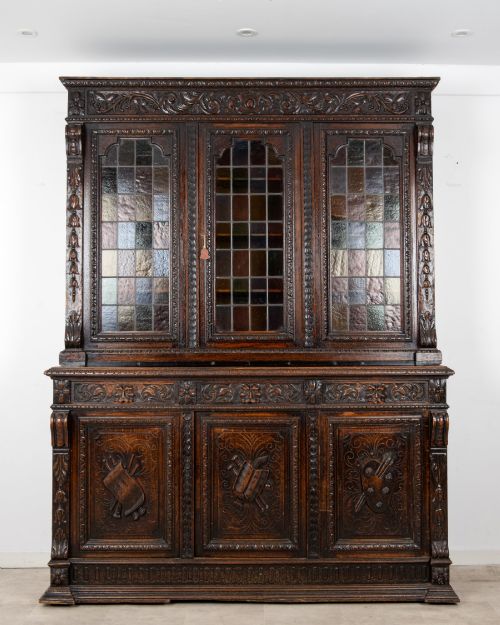
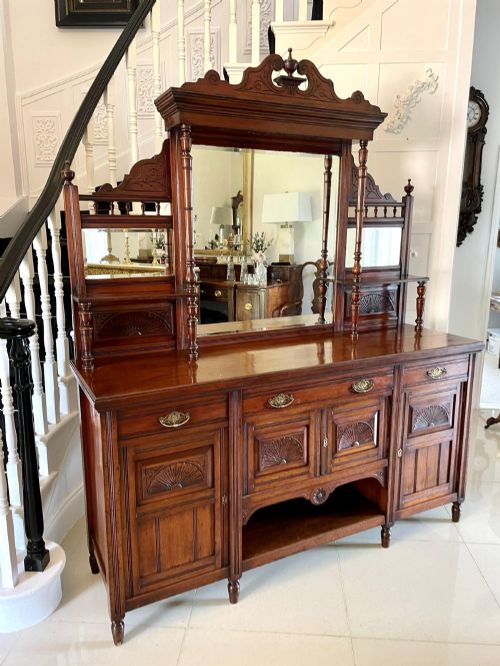
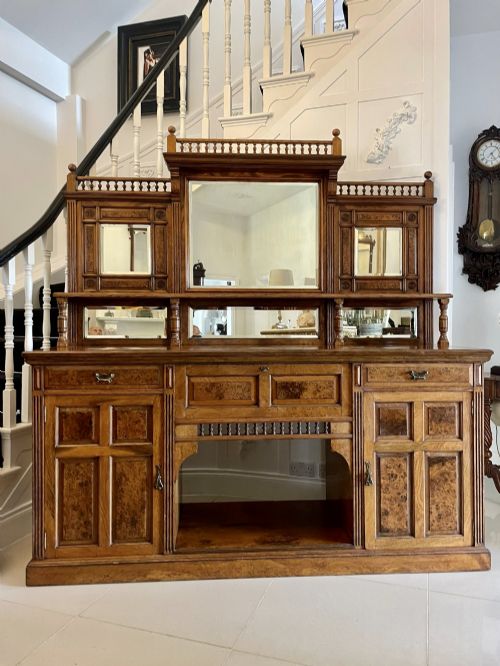
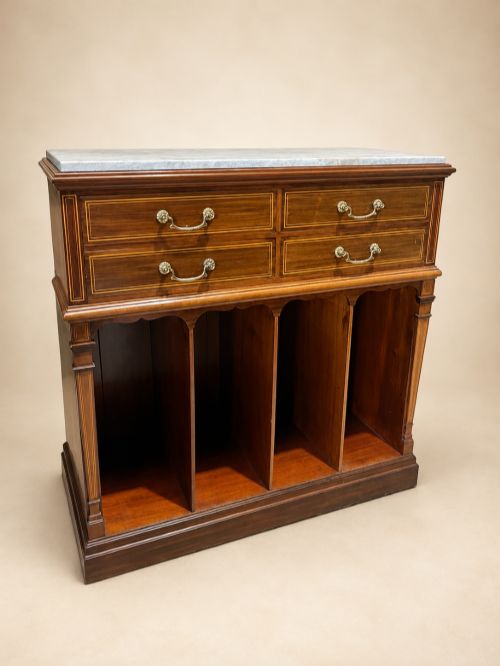
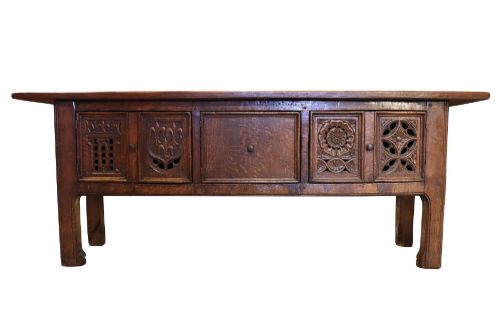
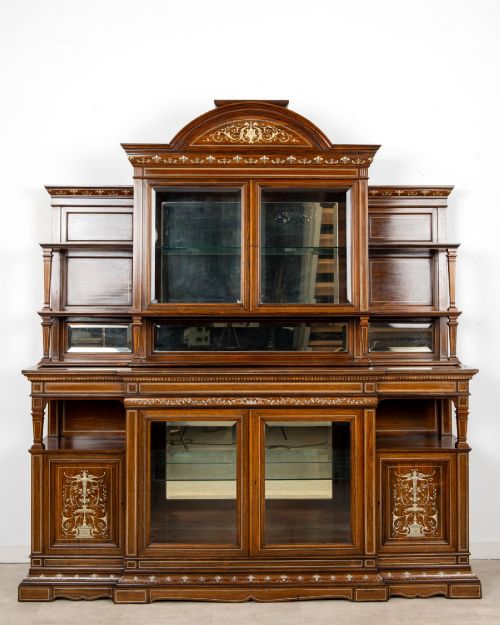
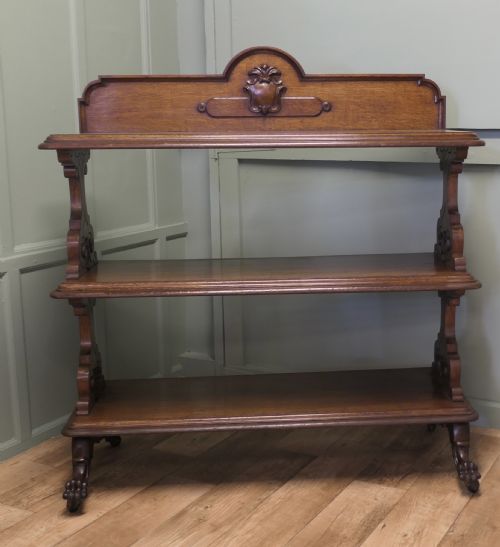
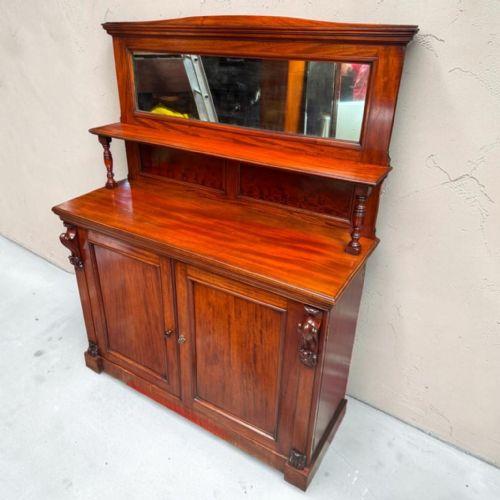
Late Victorian Sideboard
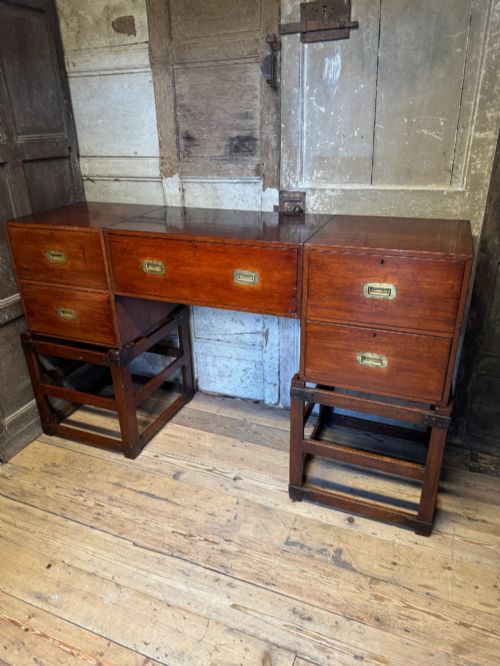
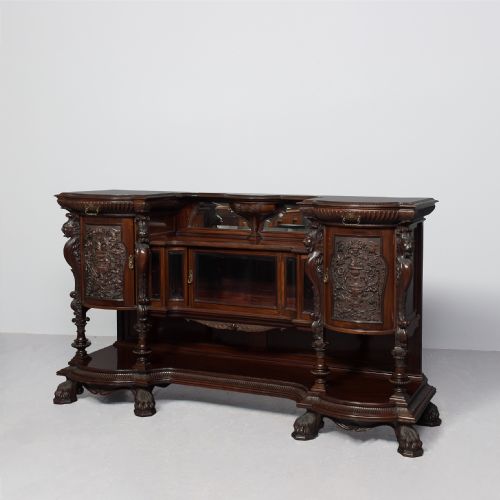
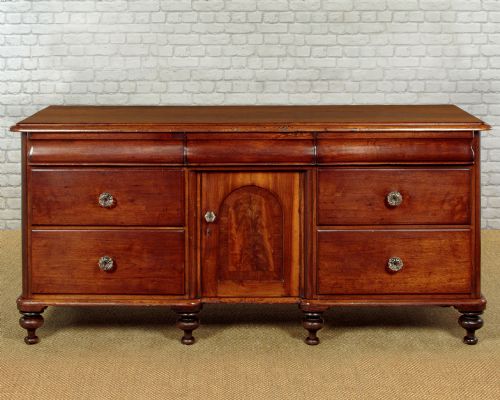
These late victorian sideboard pieces are substantial dining room furniture items that anchor a room with timber presence and mirror glass.
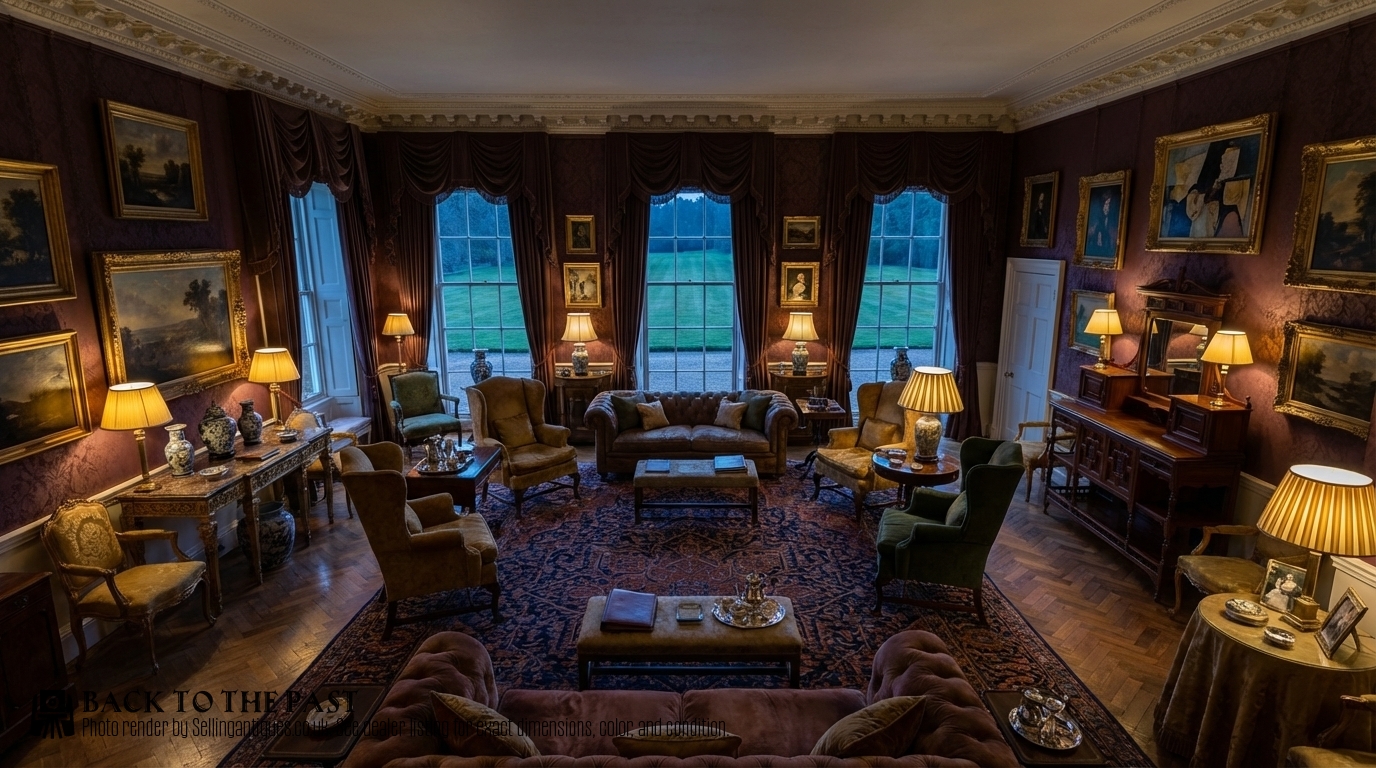
What a late victorian sideboard is
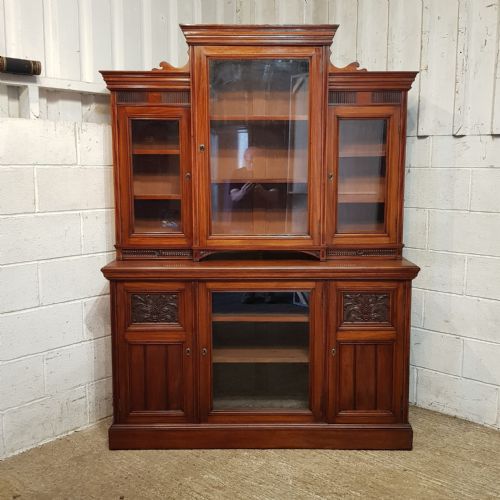
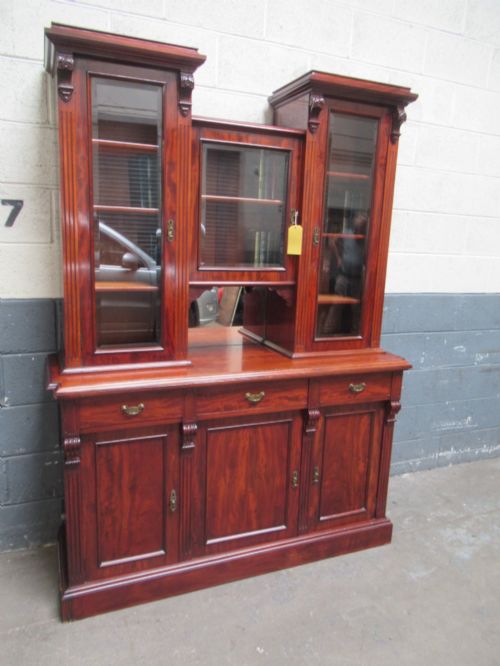
When you search for a late victorian sideboard, you encounter substantial dining room furniture designed for serving and display during the later decades of the nineteenth century. These pieces combine lower storage cupboards or drawers with upper display tiers, often featuring an integrated mirror back to reflect light and porcelain or glass objects.
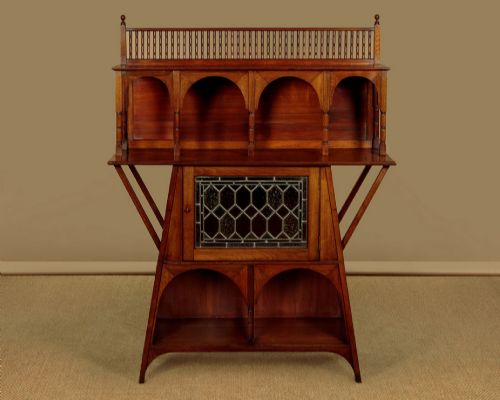
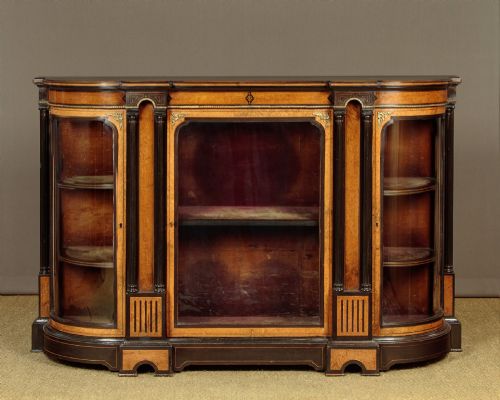
The most common formats on this page include mirror back sideboards in walnut, oak, and mahogany, alongside smaller side cupboards and ebonised cabinets. Originating from the 1870s to 1900, they reflect the varied stylistic revivals of the period, from Sheraton Revival to Aesthetic Movement and Gothic influences.
Makers and retailers such as James Schoolbred, Garnett & Sons, Warings, and Maple and Co produced these forms to furnish the formal dining rooms of the era. Buyers choose them today for their generous storage capacity and the rich warmth of figured timbers like pollard oak, burr walnut, and mahogany.
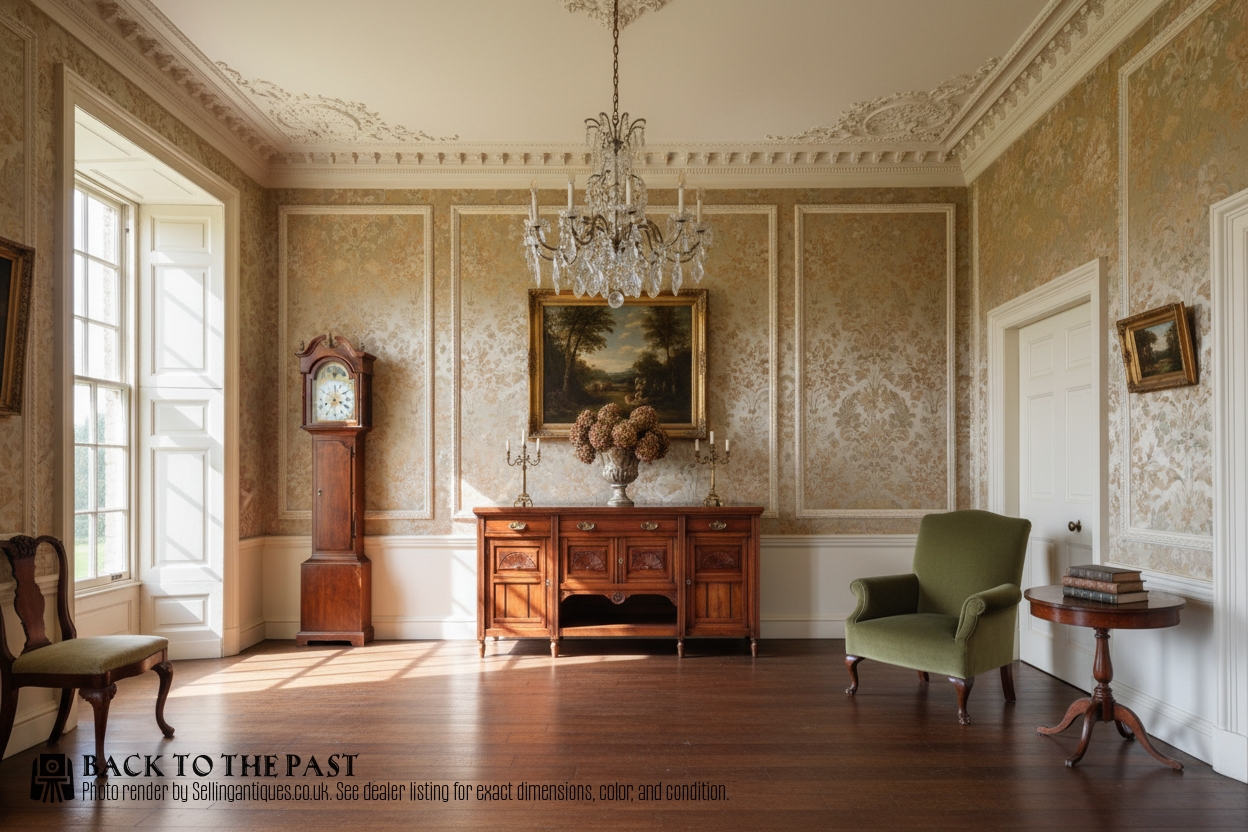
How they were made
Cabinet makers utilised dense hardwoods including walnut, mahogany, oak, and pollard oak, often pairing solid structural framing with decorative veneers and contrasting inlays of satinwood. Surfaces frequently incorporate carved ornamentation, such as foliate motifs, panel mouldings, and occasionally figural elements like lion masks.
Fittings and hardware typically consist of cast brass handles, escutcheons, and hinges, while some upper sections incorporate bevelled mirror glass held within carved wooden frames. Ebonised wood and amboyna appear on specific pieces from the Aesthetic Movement, showing varied surface treatments from French polish to blacked finishes.
Retail Price Guide 2026
Typical UK retail prices for late victorian sideboard, calculated from the Sellingantiques database of over a million retail prices indexed since 2003. This retail price guide relies exclusively on Sellingantiques data; no external sources or auction records are used, so the figures do not describe the wider market.
Some nineteenth century dining rooms required carved lion masks on oak sideboards to silently supervise the carving of the Sunday joint.
What varies in quality
The hierarchy of these pieces rests upon the selection of timber figures, such as burr walnut, pollard oak, and figured mahogany, matched across large surfaces. Superior examples demonstrate crisp hand-carved details, integrated architectural proportions in mirror backs, and substantial original brass hardware rather than later replacements.
Construction methods also separate standard production from exceptional workshops, visible in the precision of cabinet joinery, dovetail drawer construction, and the overall integrity of heavy marble tops where fitted. The involvement of documented firms like James Schoolbred or Maple and Co marks the upper tier of execution.
Garnett & Sons·Warings·Maple and Co
The Late Victorian Sideboard Glossary
- Mirror Back
- An elevated superstructure fitted with a mirror plate, designed to sit atop the sideboard base for displaying ceramics and reflecting light.
- Pollard Oak
- Timber taken from trees pollarded at a height to encourage dense, knotted grain patterns, highly prized for decorative veneer panels.
- Aesthetic Movement
- A late nineteenth century design style emphasising simplicity, ebonised surfaces, and artistic craftsmanship over heavy historical revivalism.
- Breakfront
- A piece of furniture where the central section projects forward from the flanking cabinet doors or drawers, creating architectural depth.
Frequently Asked Questions
What is a mirror back sideboard?
A mirror back sideboard combines a lower storage cabinet with an upper wooden superstructure containing a large mirror plate. This design allowed dining rooms to appear brighter and provided a dedicated surface to display decorative ceramics.
These pieces served as the centrepiece of the Victorian dining room, used both for storing tableware and presenting food during formal meals.
How do I identify an Aesthetic Movement piece?
Aesthetic Movement pieces typically feature ebonised wood surfaces, simple geometric lines, and contrasting inlays rather than heavy classical carving. These designs reflect the late nineteenth century shift toward artistic interiors.
They often bear maker stamps from progressive firms such as Garnett & Sons and utilise lighter proportions than standard Victorian furniture.
What timbers were used?
Cabinet makers utilised a range of hard woods including walnut, mahogany, and oak, often selecting figured grains like burr walnut and pollard oak for prominent door panels. Secondary timbers like pine appear on interior elements.
More decorative items incorporate satinwood stringing, amboyna veneer, and brass hardware to enhance the visual contrast of the polished surfaces.
How do these sideboards function today?
These sideboards provide extensive storage through deep cupboards, drawers, and lower shelves suitable for modern dining rooms or living spaces. The flat top surfaces and upper display tiers offer practical areas for serving or showing collections.
Their substantial timber presence anchors contemporary or traditional interiors, functioning as both storage units and focal display pieces.