


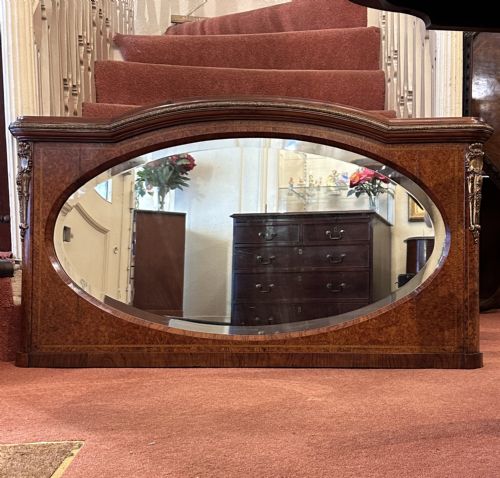
Late Victorian Oval Mirror
A late victorian oval mirror brings curved nineteenth-century lines and reflective depth into a room, offering both decorative presence and practical light.
Late Victorian Oval Mirror
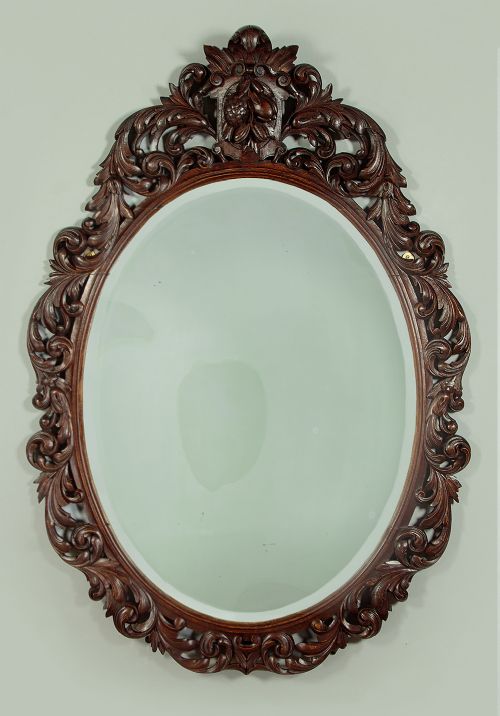
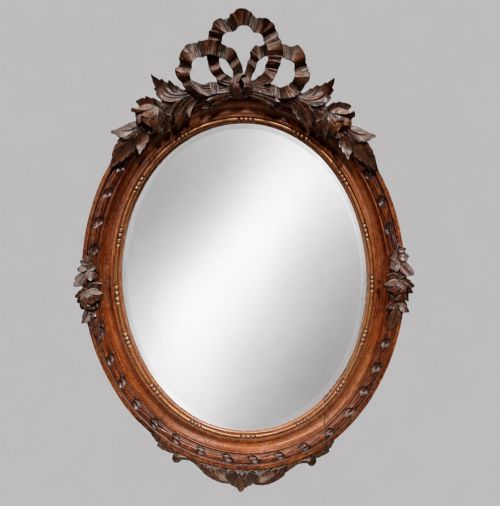
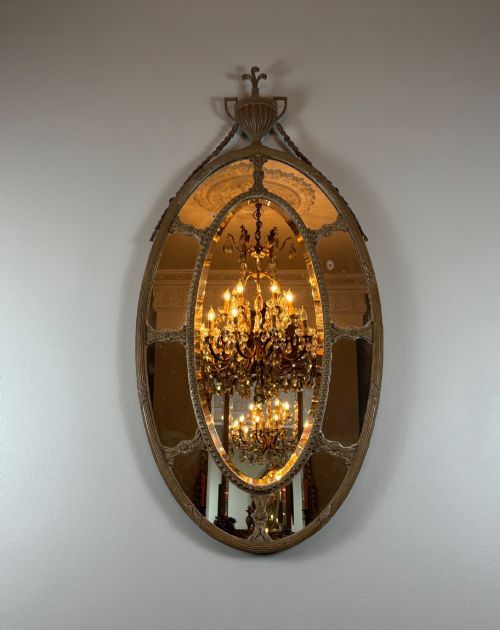
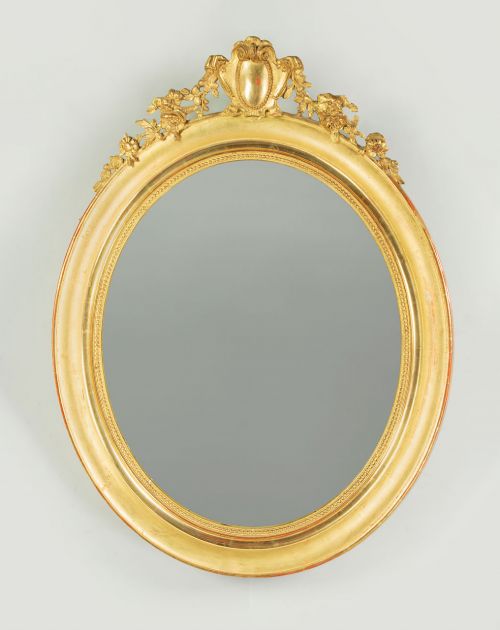
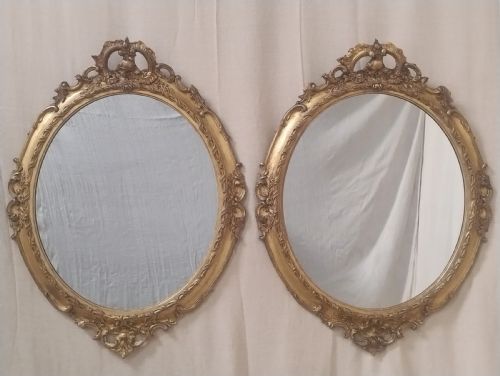
A late victorian oval mirror takes several distinct forms across the selection, most commonly appearing as wall-mounted looking glasses framed in carved timber or moulded gesso. These pieces emerge from the final decades of the nineteenth century, spanning the eighteen-eighties and eighteen-nineties alongside related items from the wider nineteenth century.
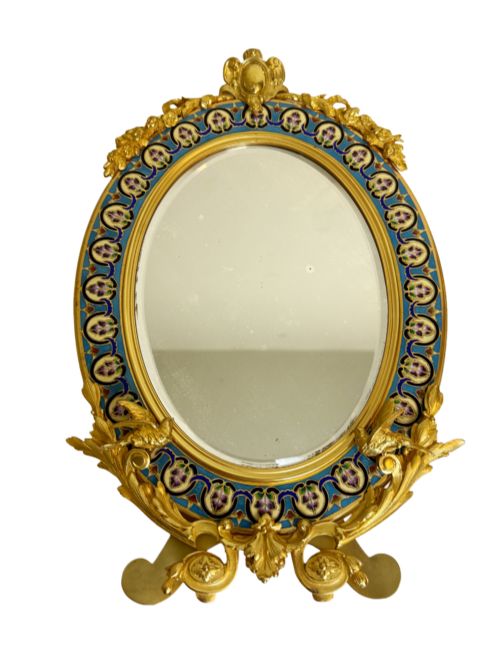
Buyers encounter everything from large overmantel frames and border glass designs with urn and swag details down to smaller tabletop and dressing table accessories. Wall mirrors dominate the selection, often finished with gilt paint or gold leaf, though wood surfaces in oak, walnut, and burr yew also appear.
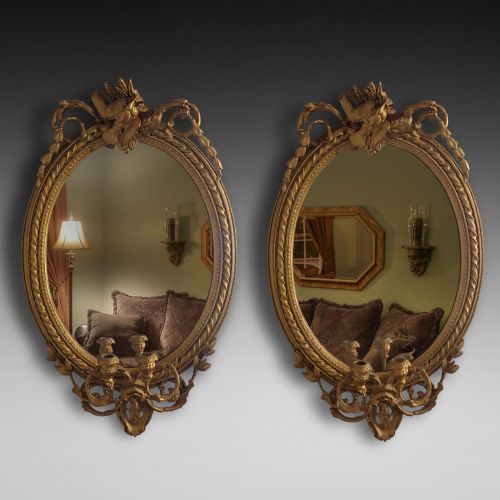
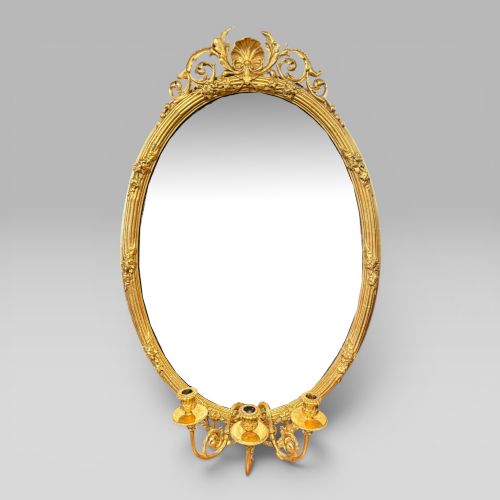
Makers and designers of the period drew upon diverse stylistic influences, producing pieces in Victorian rococo revival, French Napoleon III, neoclassical revival, belle epoque, and adam revival tastes. This mix means a buyer might find a simple timber frame or a heavily ornamented girandole fitted with candle sconces.
What varies in quality
The depth and crispness of the carving separate standard commercial frames from exceptional workshop outputs, particularly where gesso ornaments meet the wooden substrate. Hand-tooled details and substantial timber scantlings indicate superior construction that resists warping over time.
The quality of the gilding and the clarity of the original mirror plate heavily influence the overall character. Heavy, multi-layered gold leaf or fire-gilt bronze displays a warmer lustre than flat, modern metallic paint, while bevelled or marginal glass adds genuine period complexity.
Late Victorian Oval Mirror Retail Price Guide 2026
Typical asking prices for late victorian oval mirror among the pieces listed under this phrase on Sellingantiques today, from the lower quarter to the upper quarter. They describe what is for sale here now, not the wider market.
A cerise velvet backing proves that nineteenth-century rooms loved unexpected splashes of tactile colour behind the glass.
The Late Victorian Oval Mirror Glossary
- Gesso
- A plaster-based mixture applied to wood frames and carved or moulded to form relief decoration before gilding. This compound allows for sharp, intricate floral and geometric motifs.
- Girandole
- A decorative wall mirror fitted with one or more candle branches attached to the frame. These arms project forward to reflect candlelight across the room.
- Gadrooned
- A decorative carved moulding featuring convex curves or fluting running along the edge of a frame. It provides a textured, rhythmic border to oval looking glasses.
- Patera
- A circular ornamental disc carved in relief to resemble a classical libation dish. Craftsmen place these rosettes at key corners or symmetry points on the frame.
- Champleve
- An enamelling technique where troughs are gouged into a metal surface and filled with vitreous paste before firing. This method creates colourful patterns on brass and bronze dressing table accessories.
Late Victorian Oval Mirror: Frequently Asked Questions
Where should I hang a wall mirror?
These pieces suit placement above a mantelpiece, a sideboard, or a console table where the oval shape softens hard architectural lines. Positioning them opposite a window helps bounce natural daylight further into the interior space.
Ensure the wall fixings match the weight of the timber and gesso frame. Large overmantel examples require secure anchoring into studs or solid masonry.
How do I care for giltwood frames?
Dust the surface gently with a soft, dry brush rather than a cloth that might catch on delicate gesso ornaments. Avoid liquid cleaners and chemical sprays, which can strip historic gold leaf or discolour the finish.
Keep the mirror away from direct heat sources and damp environments to prevent the wood from expanding and the gesso from cracking.
Are dressing table mirrors adjustable?
Tabletop and dressing table versions generally employ pivoting pivots or swing frames supported by side uprights. This allows the user to tilt the glass angle to suit their height.
Check that the tension screws or nuts remain stable so the mirror holds its position without slipping.