

Late Victorian Jewellery
Late victorian jewellery brings together hand-set diamonds, coloured gemstones and rich gold work from the closing decades of the nineteenth century.
Late Victorian Jewellery
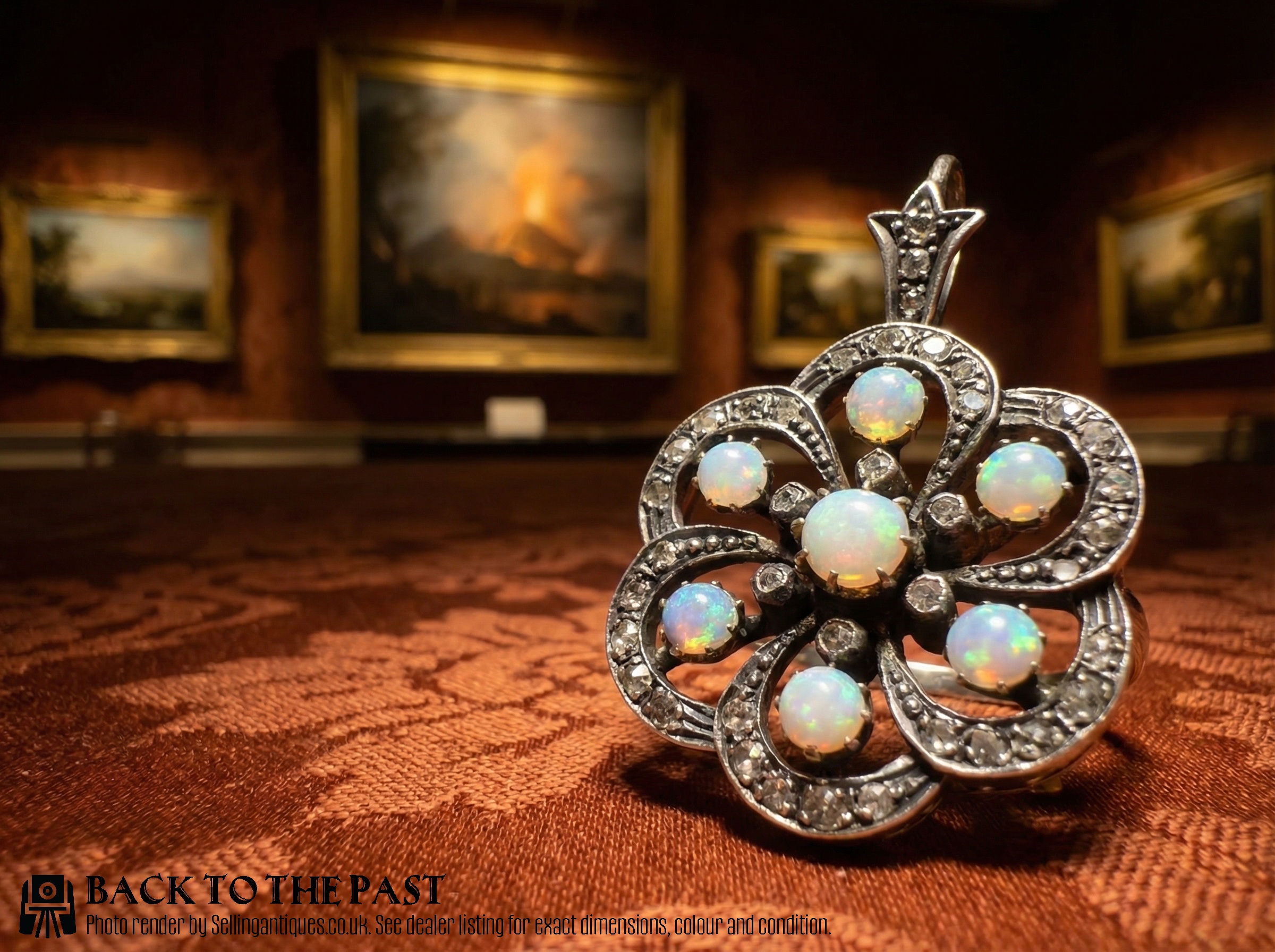
Late victorian jewellery encompasses rings, brooches, pendants and lockets produced around the final decade of the nineteenth century and the very opening of the twentieth. These pieces draw on established Victorian motifs while incorporating lighter settings and brighter stones.
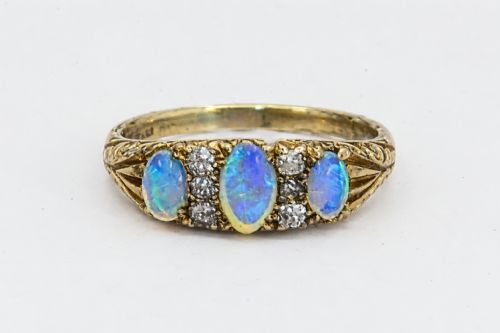
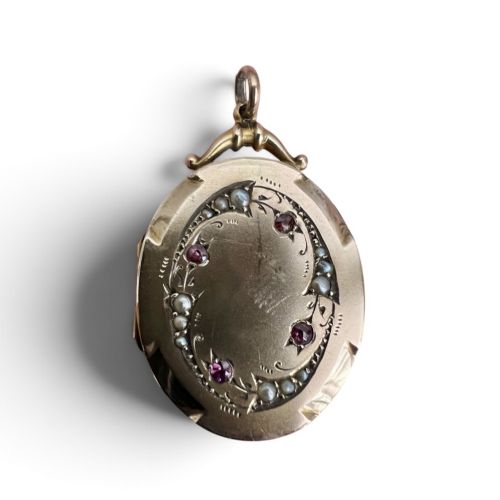
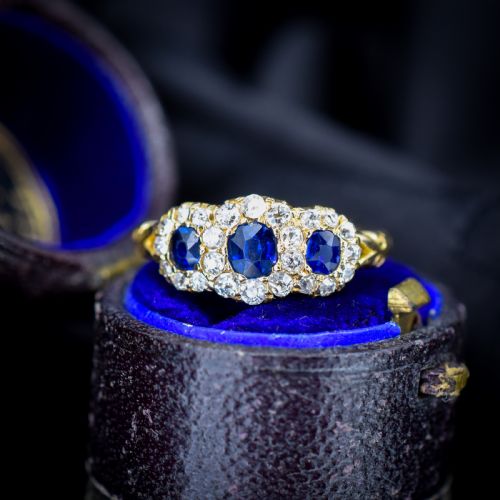
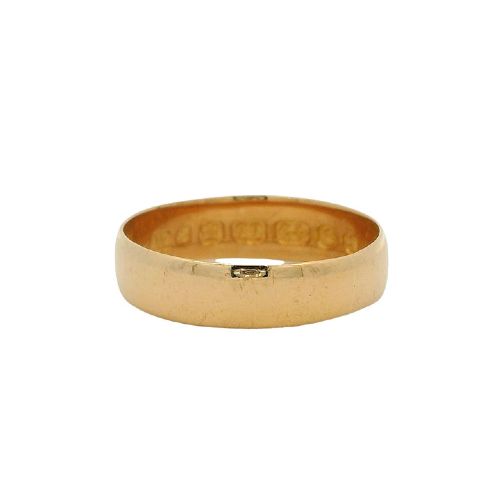
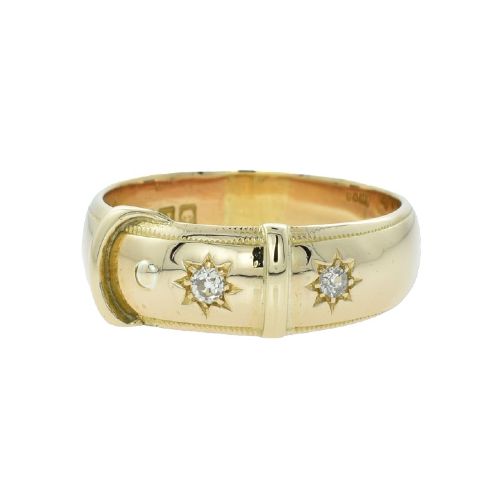
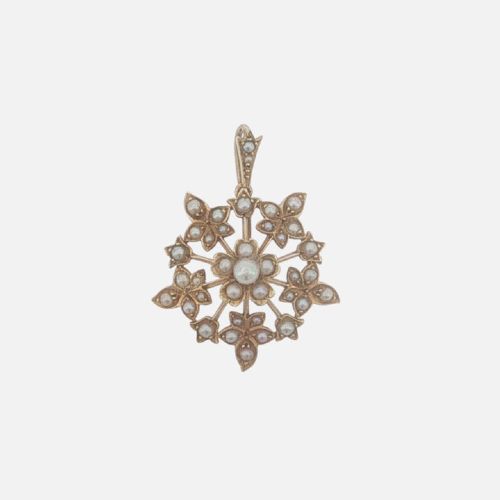
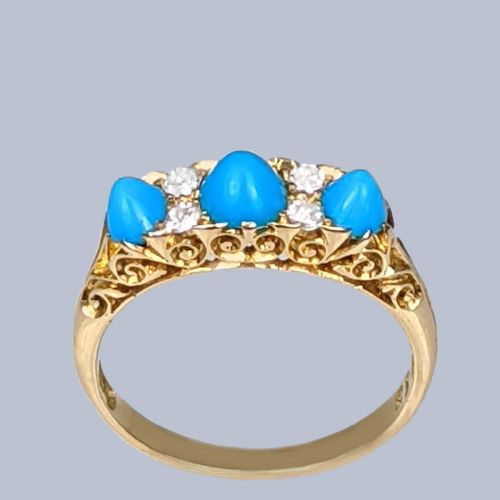
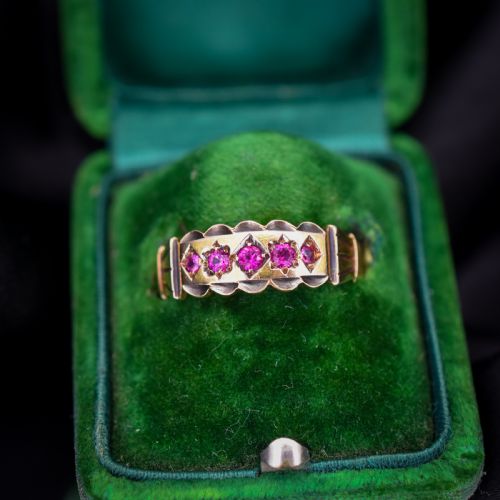
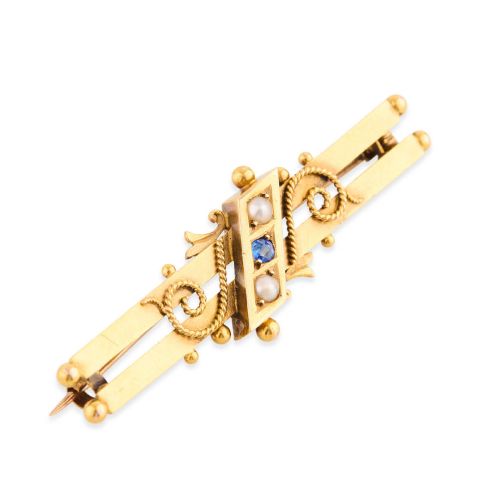
Buyers searching for late victorian jewellery frequently encounter multi-stone cluster rings, seed pearl pendants and patterned gold bands marked by regional assay offices. The forms range from intimate bar brooches to substantial gem-set rings intended for daily wear.
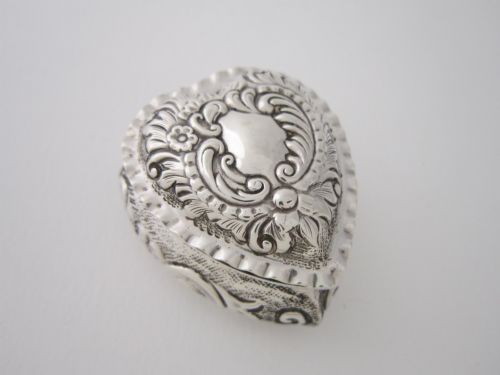
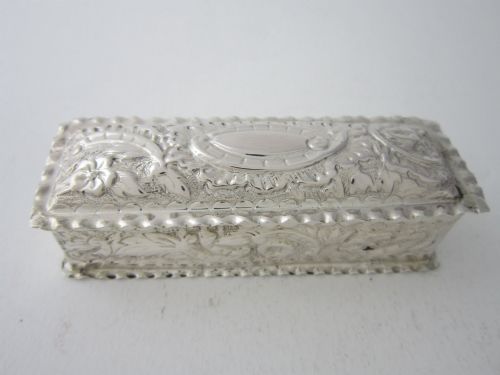
The period also encompasses desk and dressing table accessories designed to house these precious items, including sterling silver trinket boxes and heart-shaped velvet-lined caskets.
How they were made
Goldsmiths of this era worked primarily in eighteen-carat and fifteen-carat yellow gold, alongside emerging uses of platinum for claw settings that maximised light entry into diamonds. Stones were hand-cut into old mine, old European and rose cuts, leaving characteristic small tables and deep pavilions.
Surface ornamentation relied on hand engraving, repoussé work and applied filigree rather than cast uniformity. Pearls and turquoise beads were secured with fine wire or peg settings, while silver trinket boxes utilised embossed sheet metal mounted over wooden cores.
Late Victorian Jewellery Retail Price Guide 2026
Typical asking prices for late victorian jewellery among the pieces listed under this phrase on Sellingantiques today, from the lower quarter to the upper quarter. They describe what is for sale here now, not the wider market.
Listings feature items dated across the late nineteenth and early twentieth centuries, spanning gold, silver, diamond, sapphire and ruby.
What varies in quality
Quality rests upon the crispness of the hand engraving and the integrity of the original stone settings rather than sheer scale. Superior examples display perfectly matched natural sapphires and rubies with well-preserved claw work that has not been thinned by repeated polishing.
The standard of internal construction separates standard production from finer output, visible in the snug closure of silver boxes and the secure hinge alignment of heavy gold lockets. Maker marks and clear hallmarks add reliability to the documented metal purity.
The Late Victorian Jewellery Glossary
- Old cut
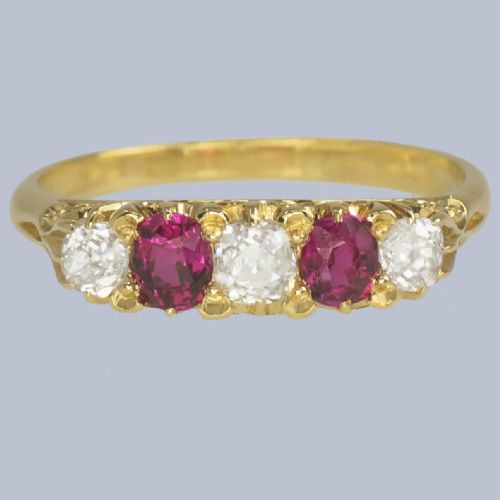
- A diamond cut characterised by a small table, high crown and deep pavilion, hand-faceted before modern proportional standards were established. These stones display a softer, blockier fire under candlelight.
- Trilogy ring
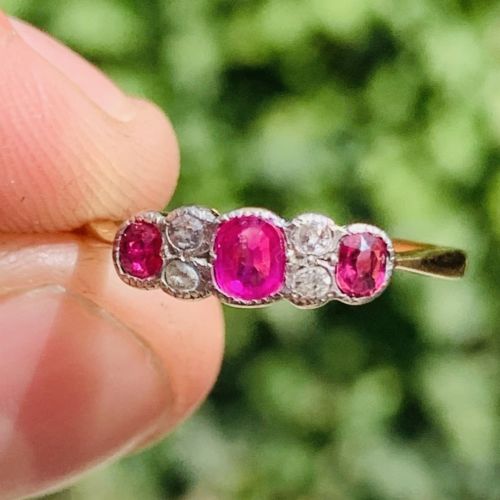
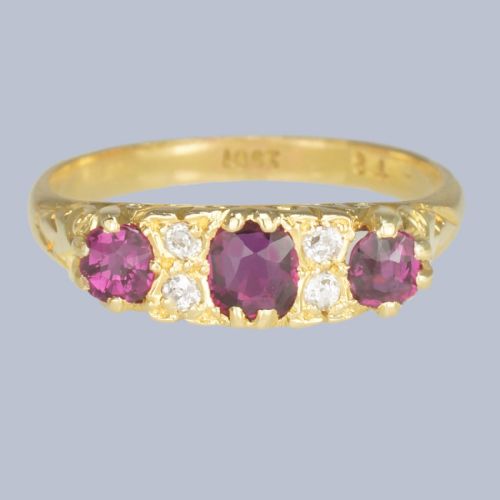
- A ring featuring three principal gemstones, often interpreted symbolically as past, present and future. In this period, they commonly pair a central sapphire or ruby with flanking diamonds.
- Repoussé
- A metalworking technique where the design is hammered into relief from the reverse side using punches and hammers. It gives hollowware and boxes a tactile, dimensional surface.
- Assay mark
- An official stamp indicating the purity of the precious metal and the testing office, such as Chester or Birmingham. These marks provide definitive evidence of geographic origin and date.
- Bijouterie table
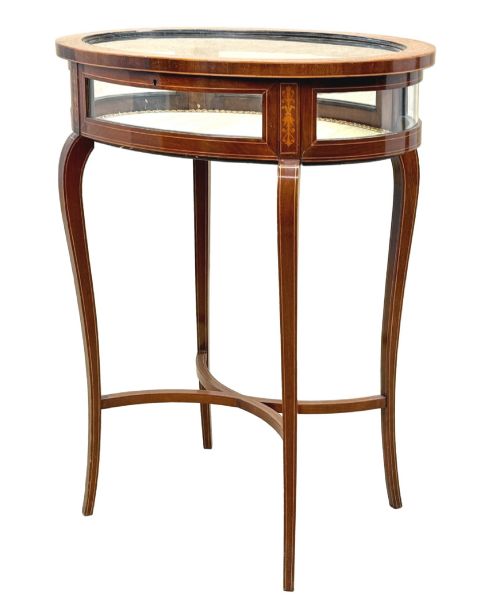
- A glass-topped display table or cabinet designed specifically for showing small valuable objects and jewellery collections within a domestic interior.
Late Victorian Jewellery: Frequently Asked Questions
How do I identify late victorian jewellery?
Late victorian jewellery is identified through a combination of hallmarks, metal standards and characteristic gemstone cuts like the old mine cut. Examining the back of a setting often reveals hand craftsmanship that differs entirely from twentieth-century mass production.
Assay office letters and sponsor marks stamped into the gold or silver provide precise years and manufacturing locations, narrowing down the production window to the late nineteenth century.
How should I care for antique gold and gemstones?
Care involves gentle cleaning with warm soapy water and a soft brush, avoiding harsh chemical dips that can damage softer stones like turquoise or pearls. Enamelled and hollow gold pieces require particular caution to prevent moisture ingress.
Storing items individually in lined compartments or original caskets prevents metal-on-metal scratching and preserves the integrity of delicate claws and old-cut diamond facets.
What is the difference between Victorian and Edwardian styles?
Victorian design tends to feature heavier gold weights, warmer yellow hues and romantic motifs like buckles, hearts and deep cluster settings. Stones are frequently set in substantial bezels or high star settings.
Edwardian work shifts toward lighter platinum-topped mounts, garland motifs and an emphasis on white-on-white diamond sparkle, reflecting a transition in taste at the turn of the century.