





Late Victorian Art Vase
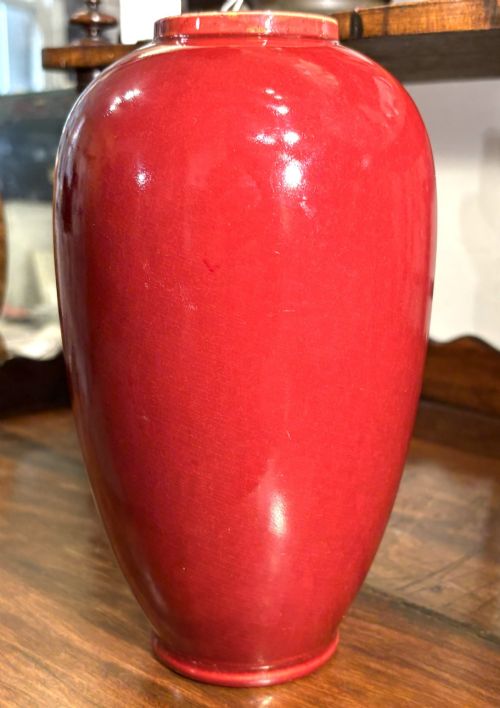
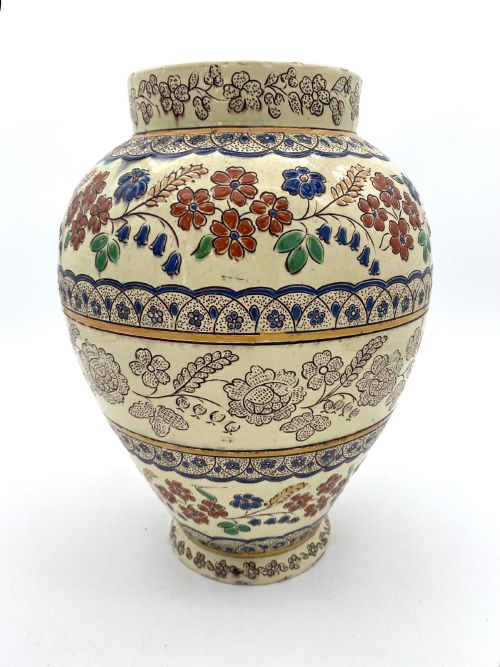
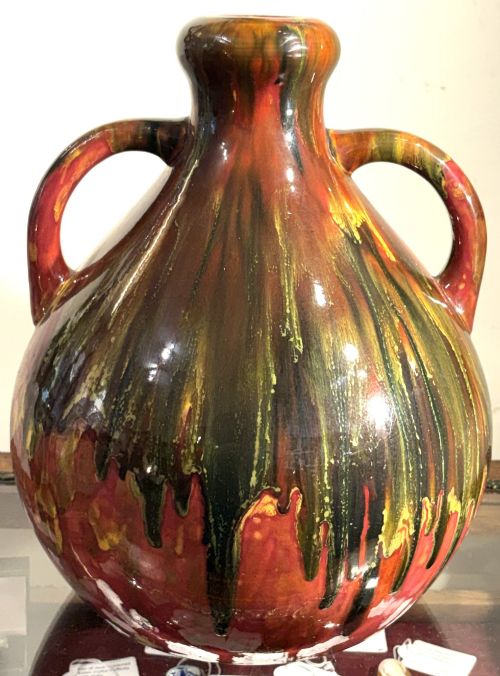
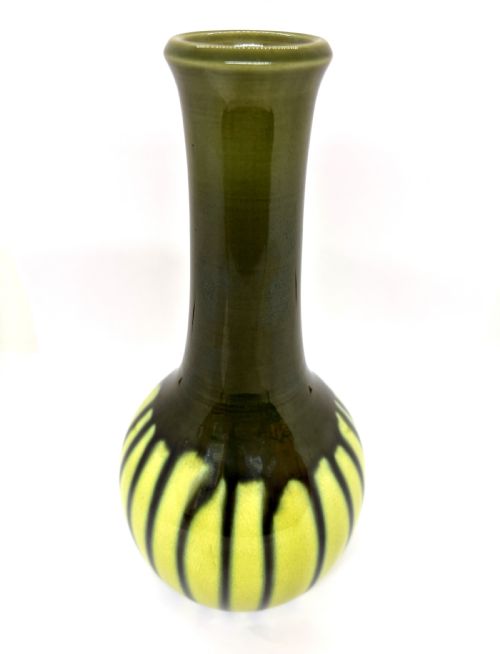
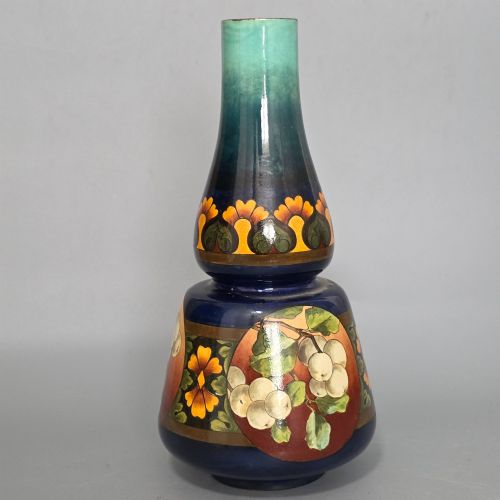
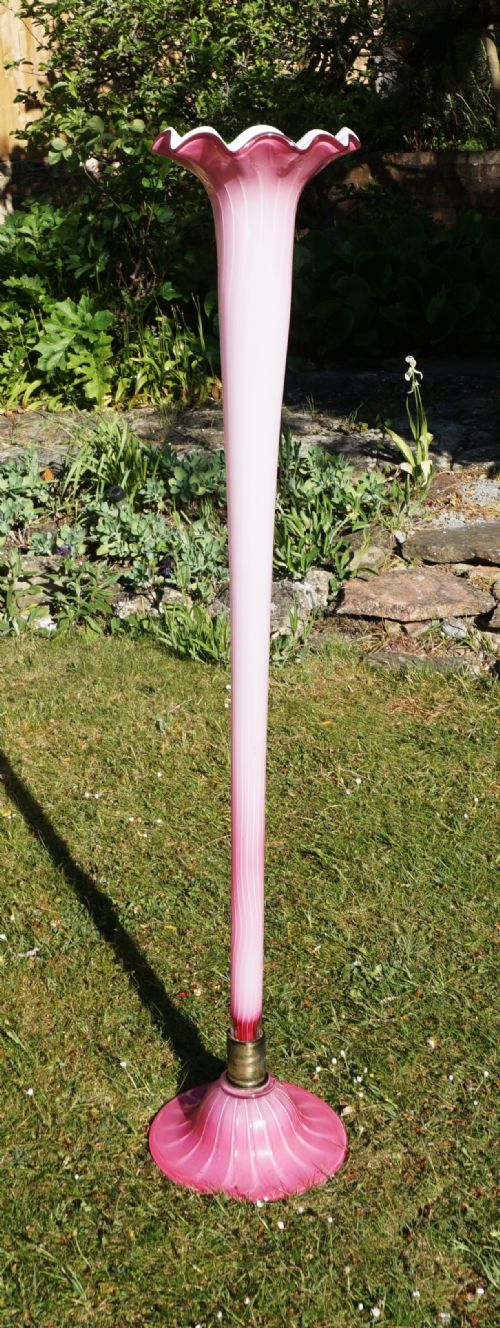
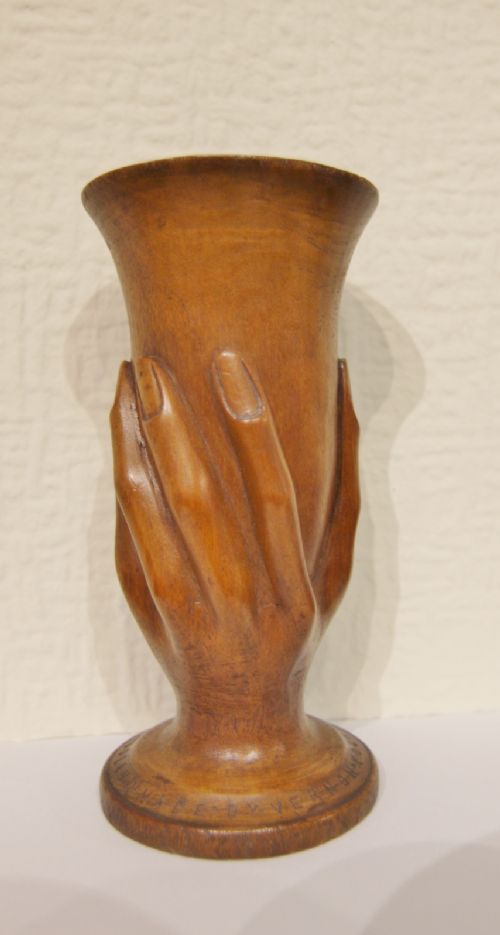
A late victorian art vase brings together the experimentation and colour of the late nineteenth century.
Late Victorian Art Vase
A late victorian art vase sits at the intersection of studio pottery and decorative glass from the final decades of the nineteenth century. Buyers seek these pieces for their distinct period character, representing the shift towards Arts and Crafts and Art Nouveau ideals.
The selection on this page centres primarily on ceramic and glass forms produced around eighteen ninety. Earthenware vessels, faience pottery, and cased glass objects dominate the current lineup.
Vases appear alongside related decorative items such as jugs and chalices, though the primary focus remains on upright ceramic and glass vessels.
Evaluating Quality
Quality rests upon the skill of the execution, from the precision of hand-painted enamels to the depth and consistency of the glaze. Pieces by established potteries and recognised glass houses show superior control over their materials.
The ambition of the design dictates distinction, separating standard production pieces from studio work that displays innovative surface finishes or complex colour casing.
Materials represented across the inventory include glazed earthenware, crystal glass, gold leaf, and enamel.
Burmantofts·Doulton Lambeth·Sir Edmund Elton·Moser·Stuart for Liberty·Ernst Wahliss·Brannam Art Pottery·Baccarat·Thos Webb and Sons·Richardson·Moorcroft Macintyre·Royal Bonn
The Late Victorian Art Vase Glossary
- Faience
- Tin-glazed earthenware popular in late nineteenth-century studio pottery. It provides an opaque white surface suitable for painted decoration.
- Cased Glass
- Glass made by fusing two or more layers of different coloured glass together while molten. This technique allows artisans to cut through layers for contrasting visual effects.
- Cameo Glass
- A luxury glass-making technique involving the carving of a raised design through a fused outer layer of contrasting colour. Baccarat and other notable makers utilised this method.
- Art Nouveau
- A decorative style characterised by fluid, organic lines and floral motifs. It heavily influences the ornamentation found on ceramic and glass pieces from the eighteen nineties.
- Arts and Crafts
- A design movement promoting handcraftsmanship and traditional materials. It reacts against mass production through honest construction and simple, natural forms.
Late Victorian Art Vase: Frequently Asked Questions
What defines a late victorian art vase?
These vessels date from the late nineteenth century and reflect the decorative movements of the period, notably Arts and Crafts and Art Nouveau. They merge traditional utility with artistic expression through varied glazes and hand-painted finishes.
Makers worked in ceramic, earthenware, and glass, producing items that prioritised visual appeal and experimental design over strict uniformity.
How do I identify glass types like Burmese ware?
Burmese ware and peachblow glass exhibit distinct shaded colour gradients, typically moving from soft pink to yellow or white. They often feature hand-painted floral enamelling characteristic of late nineteenth-century glasshouses.
Examination under magnification can reveal the layered structure of cased glass and the delicate application of polychromatic enamel details.
Were these vases meant for daily use?
While structurally sound enough to hold flowers, many of these pieces served primarily as decorative ornaments in late nineteenth-century interiors. Their intricate hand-painted surfaces and delicate glazes suggest they were prized display objects.
Owners typically placed them on mantelpieces, sideboards, or dedicated display stands to catch the light and showcase contemporary artistic taste.
How can I tell the difference between styles?
Arts and Crafts pieces often lean towards naturalistic textures, simple forms, and studio pottery finishes. Art Nouveau examples introduce flowing, organic lines and stylised floral motifs.
Victorian aesthetic pieces frequently incorporate classical references or Japanese-inspired motifs alongside rich enamelling and gilding.