
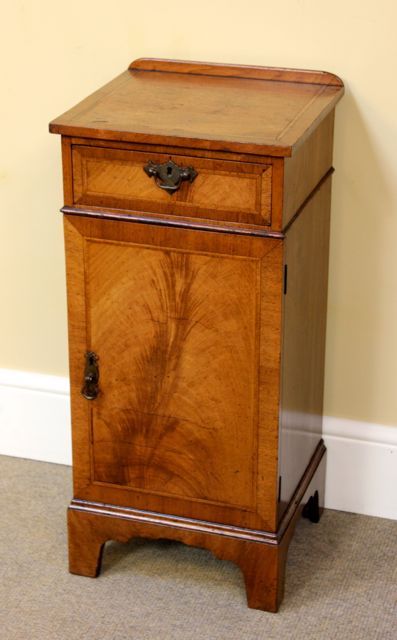
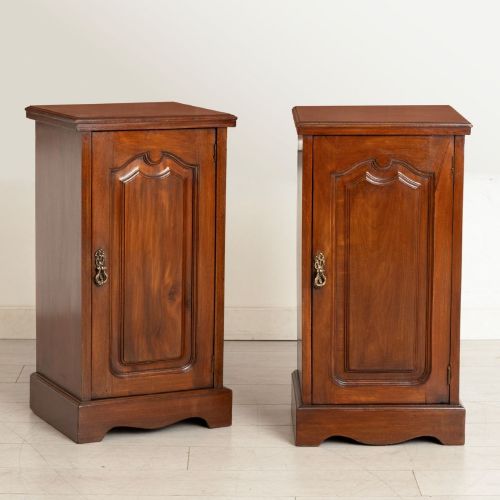
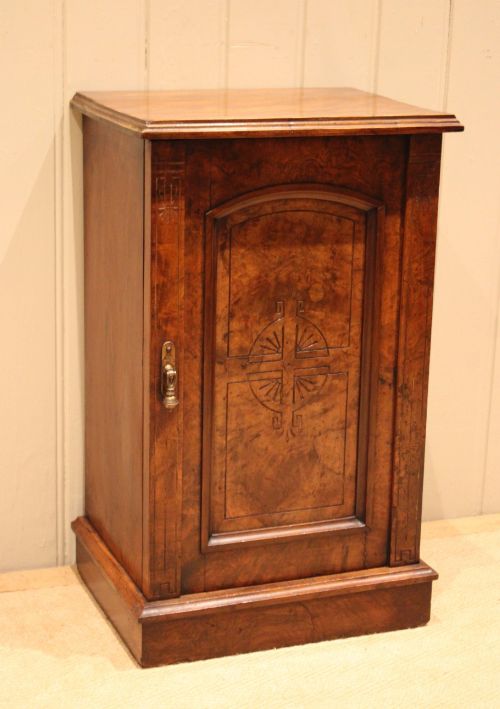
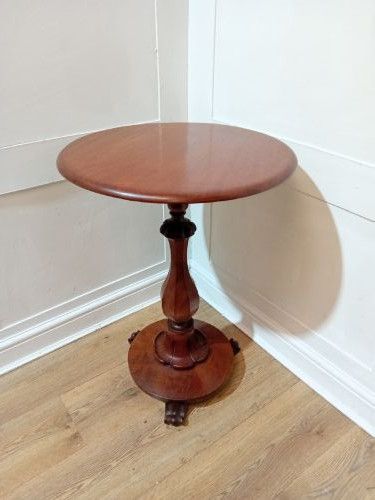

Late 19th Century Pedestal
When choosing a late 19th century pedestal, you acquire a functional architectural support or heavy writing furniture shaped by Victorian craftsmanship.
Late 19th Century Pedestal
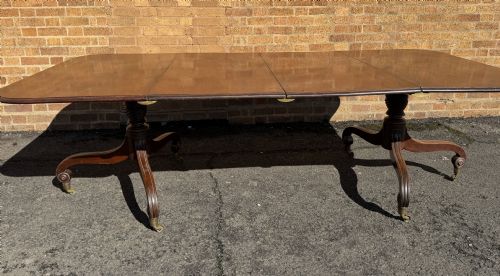
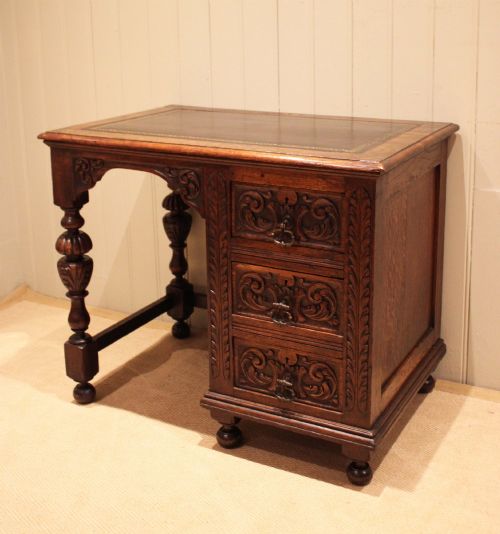
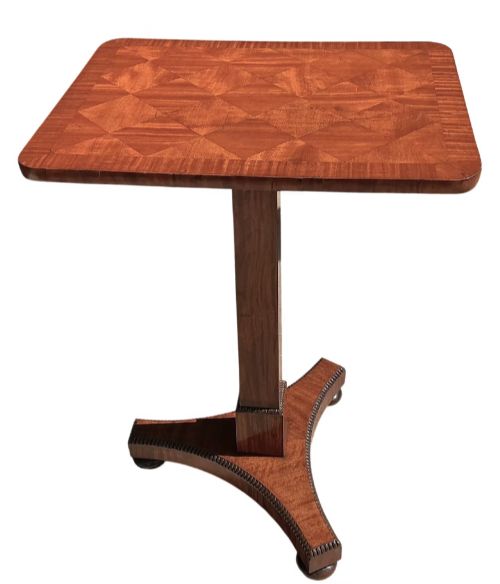
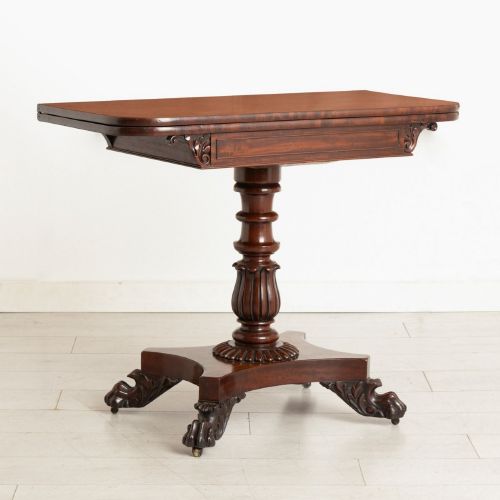
A late 19th century pedestal encompasses structural columns, plant stands, and robust partner desks supported by sturdy pedestals, originating primarily from Victorian workshops and international trade routes.
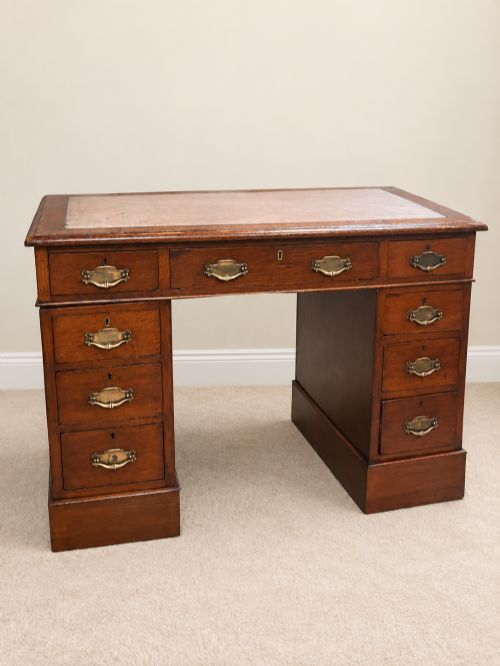
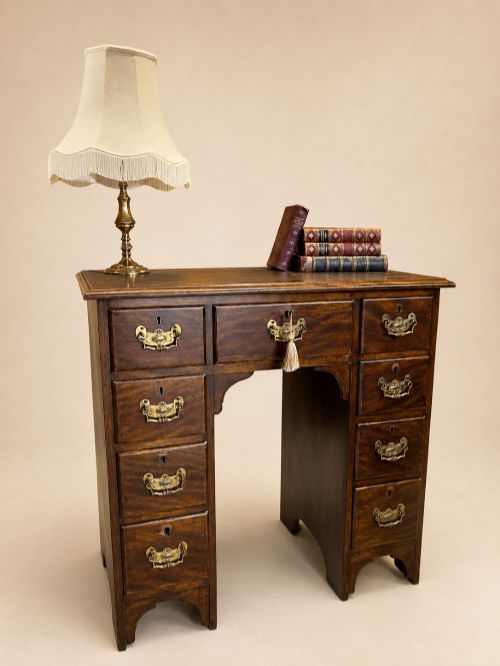
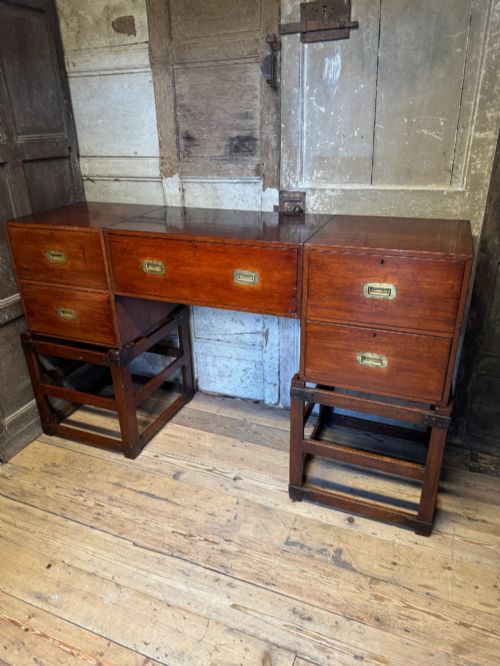
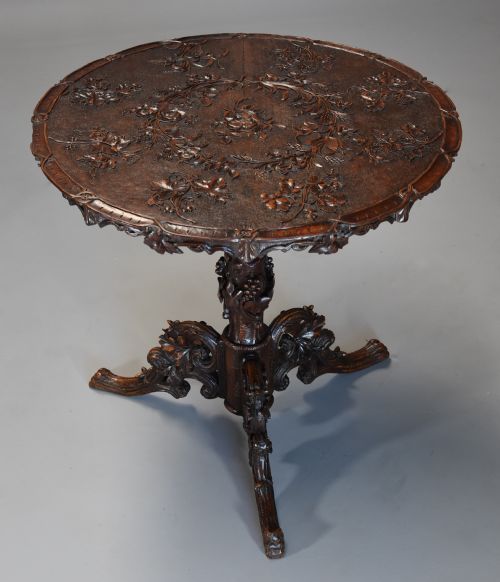
The objects appearing most frequently on this page combine functional office furniture, such as oak and mahogany kneehole desks, with decorative display columns carved from walnut, hardwood, or marble.
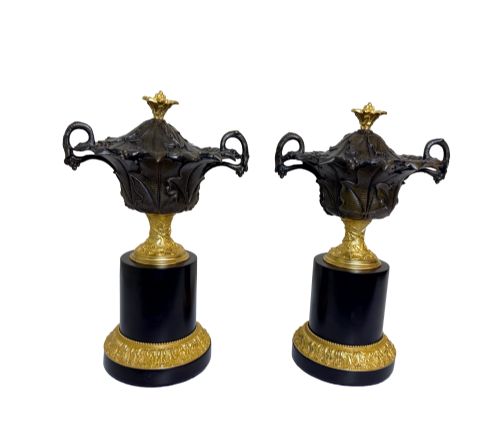
Buyers searching for a late 19th century pedestal encounter items designed either for rigorous daily administrative work or for elevating decorative urns, bronzes, and floral displays within a Victorian interior.
Materials and construction
Cabinet makers utilised dense timbers such as mahogany, oak, and walnut, frequently selecting figured grains and incorporating satinwood or ebony inlays.
Structural elements combined traditional joinery with heavy turnings, whilst specialised pieces incorporated carved linden wood, cast iron, gilt bronze, and alabaster.
One exceptional desk even comes equipped with naval chart compartments for charting maritime courses across the globe.
Factors determining quality
The standard of a late 19th century pedestal rests upon the depth and crispness of its hand-carving, the selection of timber veneers, and the integrity of its structural joints.
Pieces originating from recorded workshops demonstrate superior timber matching, careful interior drawer construction, and harmonious proportions between base and top.
Shoolbred·Edwards & Roberts·Heal & Son·Maple & Co
The Late 19th Century Pedestal Glossary
- Pedestal desk
- A heavy writing table comprising two freestanding pedestals of drawers beneath a desk top.
- Partners desk
- A large double-sided desk designed for two people to work opposite one another.
- Kneehole
- The central recessed space beneath a desk or cabinet allowing room for the user's legs.
- Skiver
- The leather panel inset into the top surface of a writing desk.
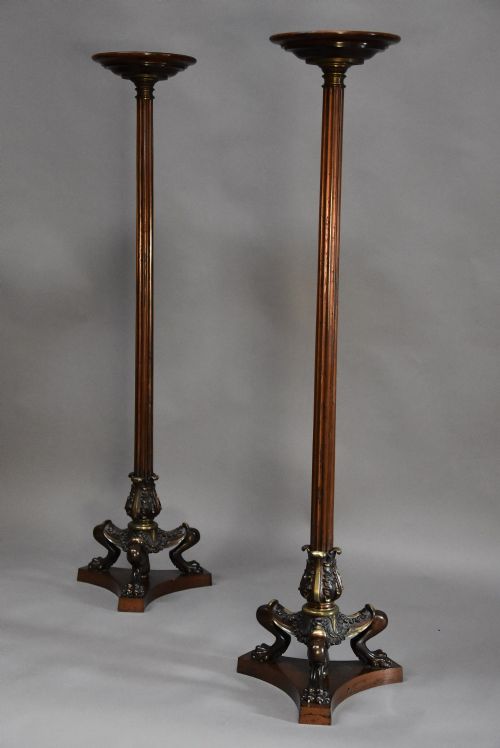
- Torchere
- A tall stand or pedestal designed specifically to support a lamp, urn, or decorative bust.
Late 19th Century Pedestal: Frequently Asked Questions
How were pedestal desks used?
These desks served as administrative hubs in offices, libraries, and private studies during the late Victorian period. Their multiple drawers provided secure storage for documents, ledgers, and writing instruments.
The large twin pedestal formats allowed professionals to organise vast amounts of paperwork while maintaining an imposing presence in the room.
Where should I place a pedestal stand?
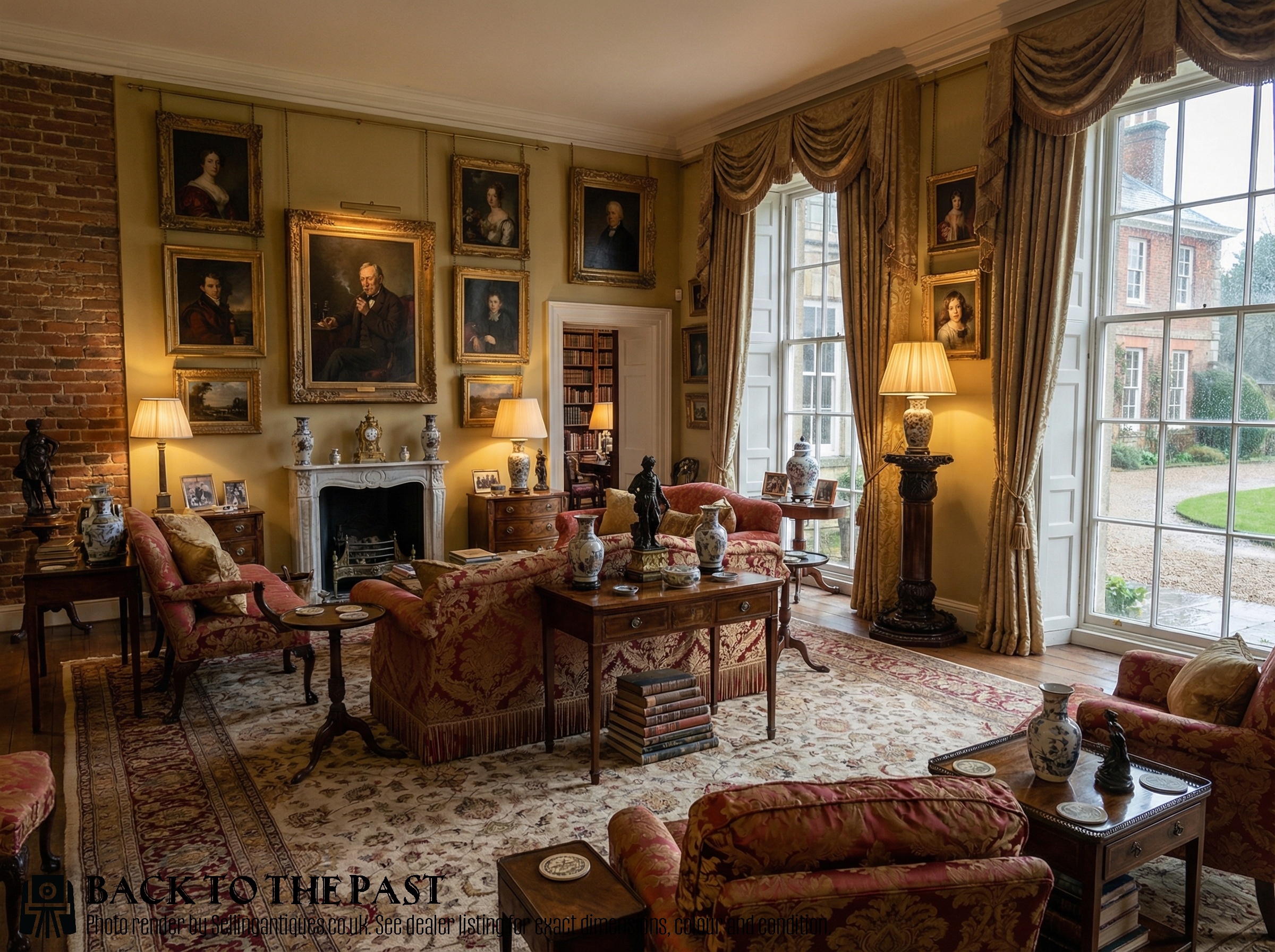
Tall plant stands and architectural columns suit corners, hallways, or window alcoves where they can elevate sculptures, urns, or large plants. Their height draws the eye upward and adds vertical dimension to a room.
Ensure the floor surface is level, as heavy marble and hardwood columns require stable placement to support top-heavy items safely.
How do I care for walnut and mahogany furniture?
Protect timber surfaces from direct sunlight and extreme temperature fluctuations to prevent the wood veneers from drying and cracking. Regular dusting with a soft, dry cloth preserves the natural lustre of the polish.
Avoid applying silicone-based polishes, as traditional wax finishes benefit from occasional gentle nourishment using appropriate beeswax products.