

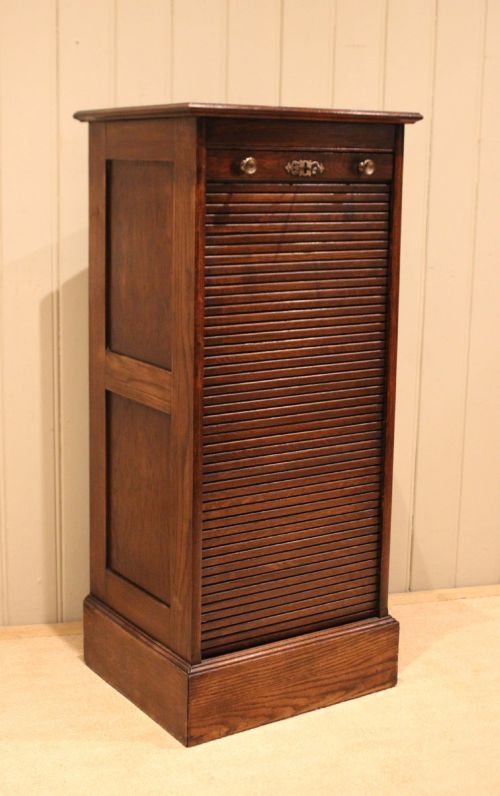
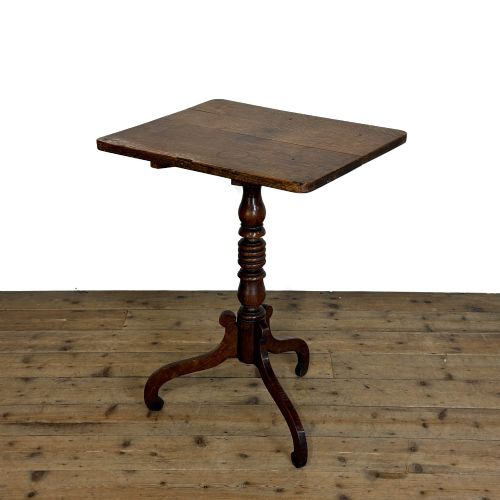
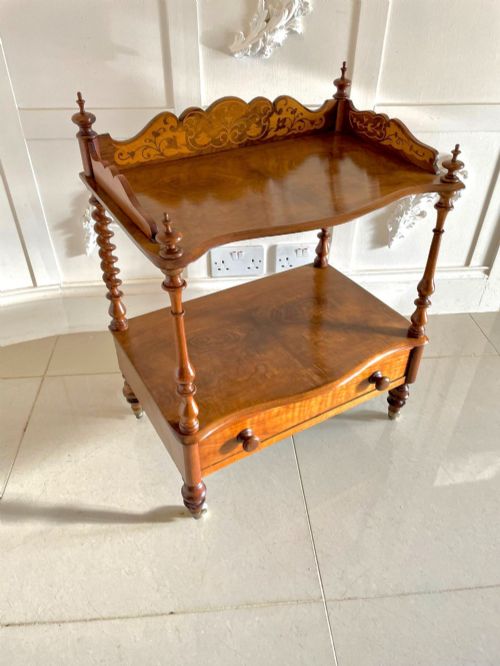
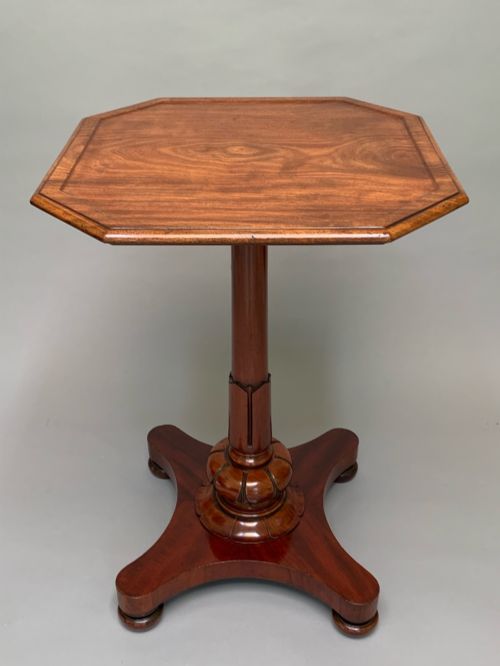
Victorian Wooden Column
These pieces known as a victorian wooden column bring architectural presence and classical proportion into a room.
Victorian Wooden Column
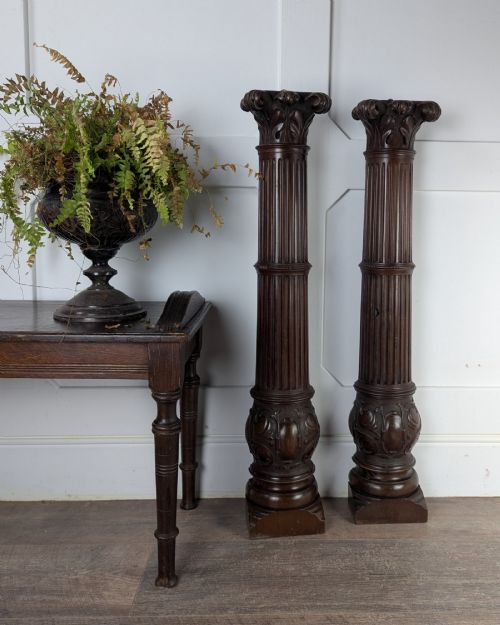
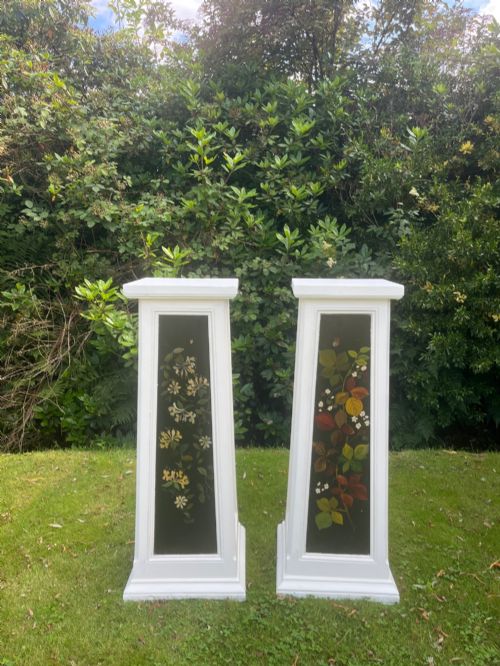
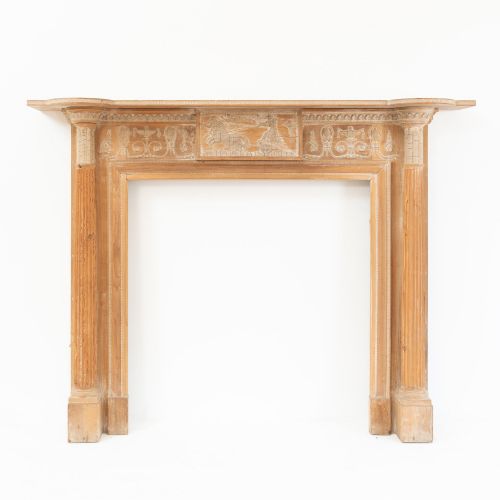
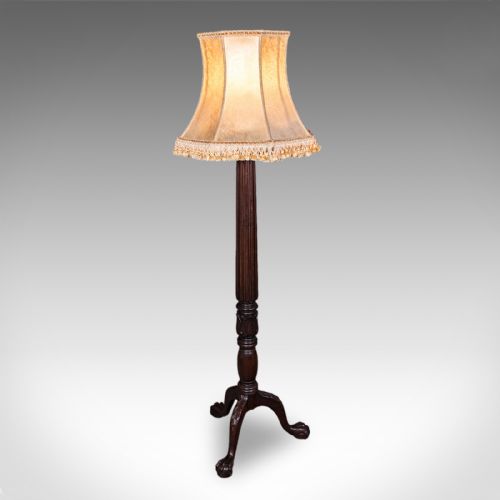
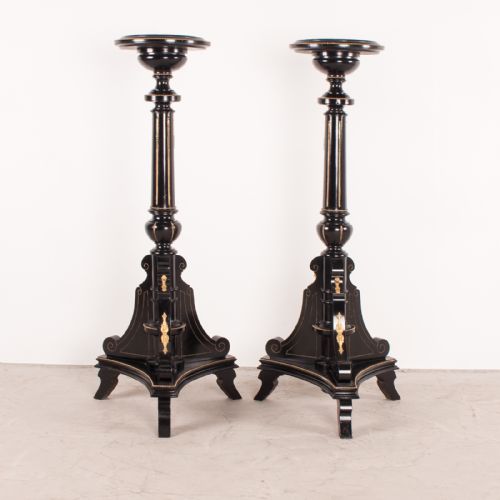
A victorian wooden column typically appears as a freestanding support, a pedestal, or a torchere designed to elevate objects or display decorative items. The selection on this page includes architectural elements such as half columns alongside related display stands from the nineteenth century.
Originating in domestic interiors and larger municipal buildings of the period, these pieces reflect a strong interest in classical design vocabulary. Makers adapted stone orders into timber, producing substantial columns that served both structural and decorative functions in Victorian spaces.
Timber selection and construction methods
Craftsmen utilised dense hardwoods such as mahogany, walnut, and oak to turn and carve these substantial columns on lathes or by hand. The underlying structure often relied on solid sections of timber joined carefully to prevent warping over time.
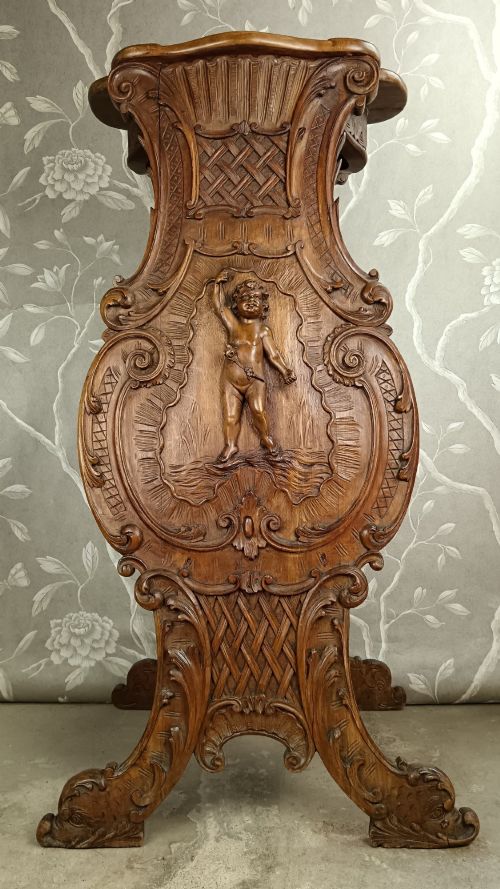
Surface finishes ranged from polished natural grain to ebonised treatments and gilded highlights, depending on the desired aesthetic. Carved details such as reeded shafts and Corinthian capitals required precise chisel work by skilled hands.
Evaluating craftsmanship and proportion
Quality rests primarily in the crispness of the carved detail and the weight and choice of the timber used in the shaft. Superior examples display balanced proportions that remain faithful to classical architectural orders without awkward tapering.
The integrity of the joints and the depth of the hand-applied polish separate fine workshop pieces from simpler utilitarian supports. Finer columns retain their original surface patination, showing genuine age through the timber grain rather than heavy modern restoration.
Shoolbred
The Victorian Wooden Column Glossary
- Torchere
- A tall stand or pedestal designed specifically to hold a lamp, plant, or decorative urn.
- Capital
- The uppermost member of a column, often carved with acanthus leaves or volutes following classical orders.
- Reeded
- Decorated with parallel convex mouldings running vertically along the shaft of the column.
- Ebonised
- Wood treated with a chemical stain or dark finish to imitate expensive ebony.
- Plinth
- The heavy base block upon which a column or pedestal rests for stability.
Victorian Wooden Column: Frequently Asked Questions
How were these columns used originally?
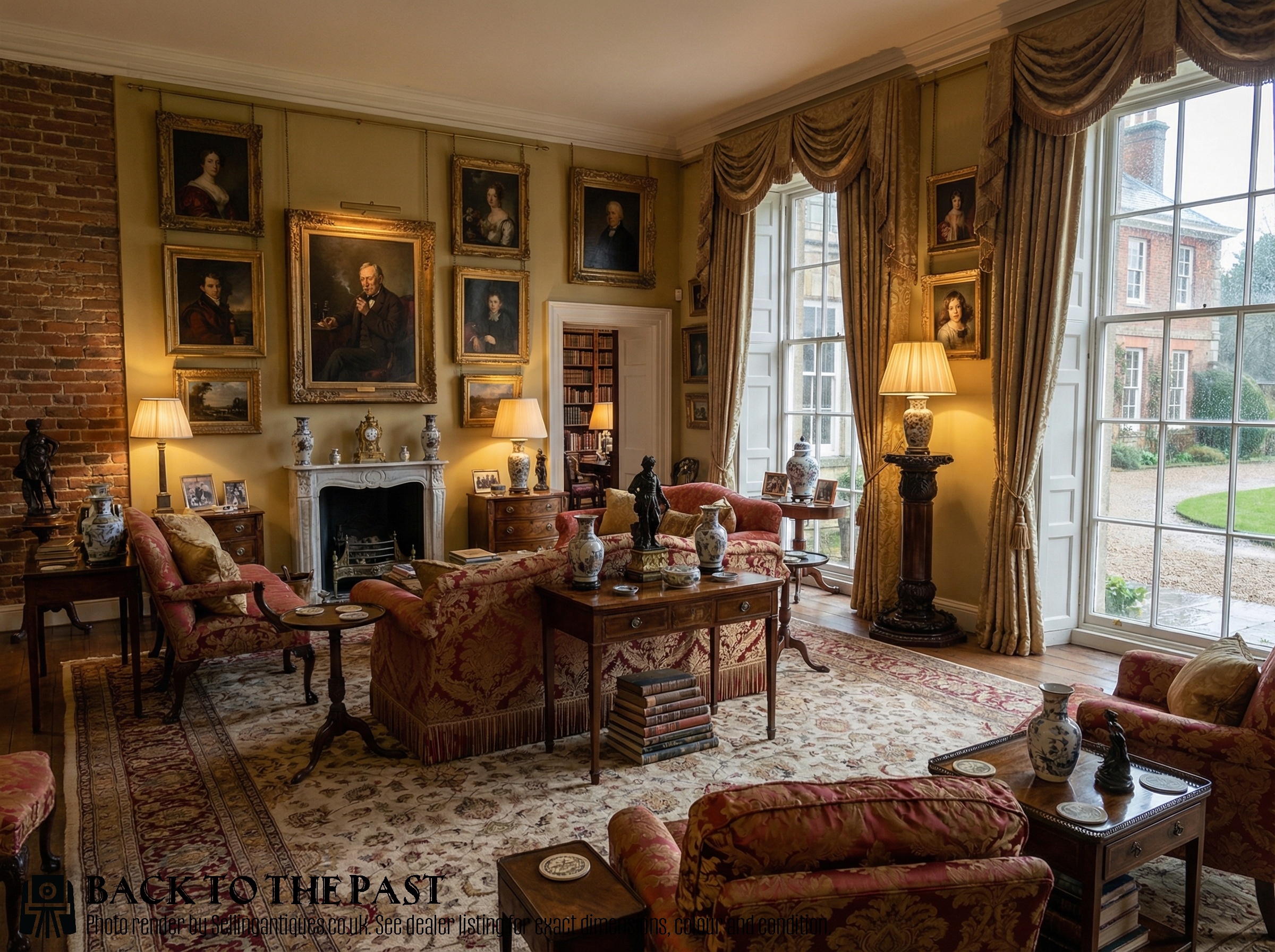
Victorian households positioned these pieces in reception rooms and hallways to display bronze figures, heavy floral arrangements, or oil lamps. They elevated decorative items to eye level to showcase the homeowner's taste.
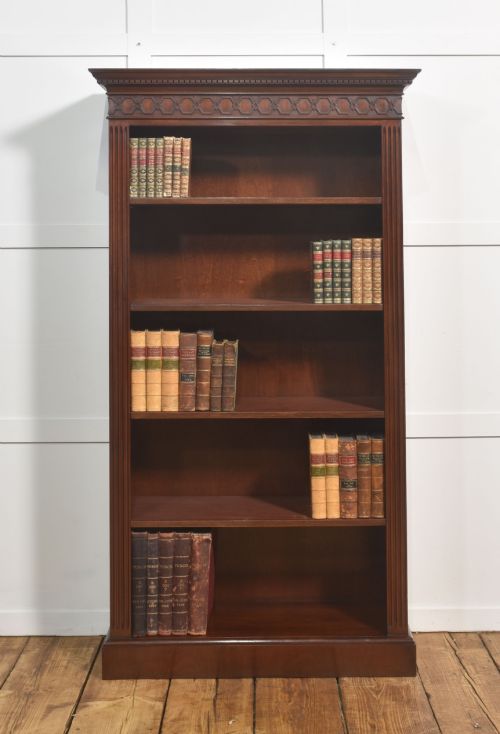
Larger architectural columns were sometimes integrated directly into room dividers, overmantels, or library shelving units to provide a sense of classical grandeur.
How do I place a column in a modern interior?
A standalone column works effectively in an empty corner, near a fireplace, or beside a seating group to hold a contemporary table lamp or a trailing plant. The vertical line adds height and draws the eye upward.
Ensure the base sits firmly on level flooring, and avoid overloading the top platform with items exceeding the weight capacity of the timber shaft.
How can I tell the age of a wooden column?
Examine the timber species, hand-turned marks on the underside, and the depth of the polish to gauge the period of manufacture. Nineteenth-century pieces typically show minor hand-tool inconsistencies and mature patination.
Check for period-appropriate construction methods, such as pegged joints or traditional wood screws, which help distinguish Victorian work from later reproductions.
What maintenance do antique wooden columns require?
Dust the carved recesses regularly with a soft brush and apply a traditional beeswax polish sparingly to nourish the timber grain. Avoid placing columns in direct sunlight or near heat sources to prevent the wood from drying out.
Check the stability of the base periodically to ensure the central upright remains secure and balanced.