
Late 19th Century Bronze
Discover late 19th century bronze works, capturing neoclassical reductions, animalier studies, and continental craftsmanship for any interior collection.
Late 19th Century Bronze
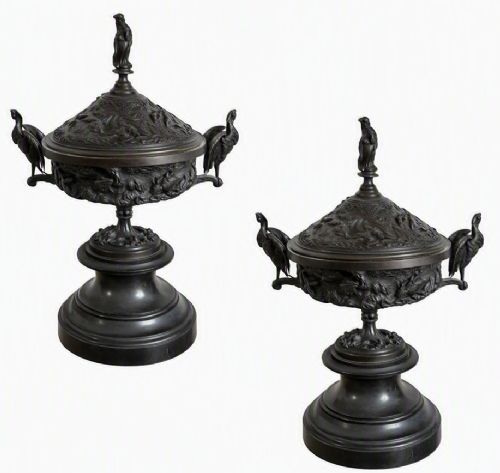
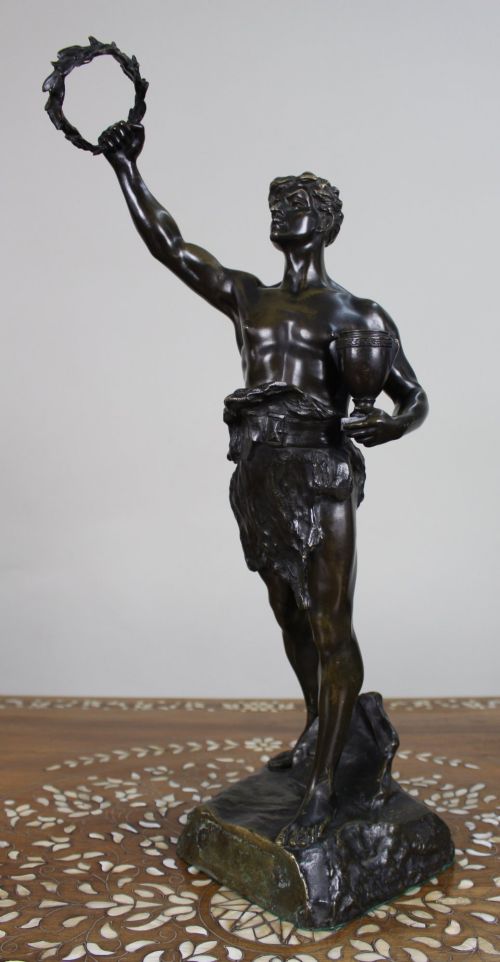
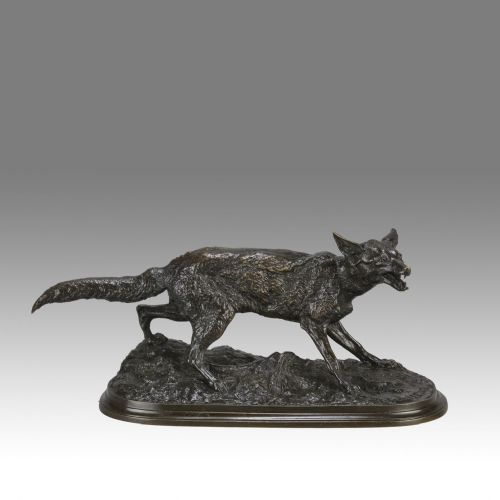
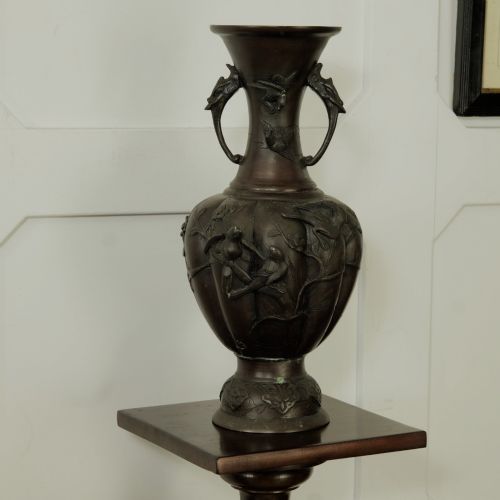
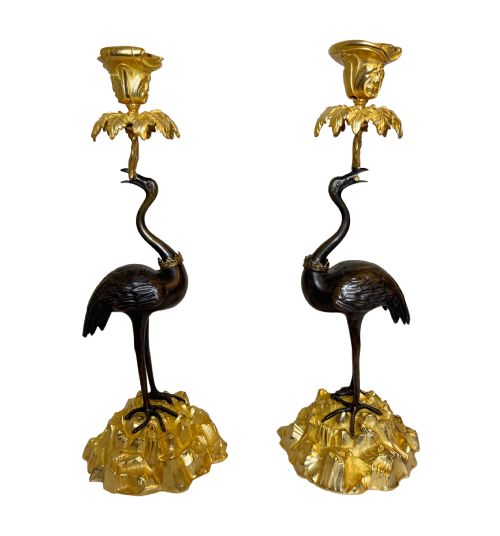
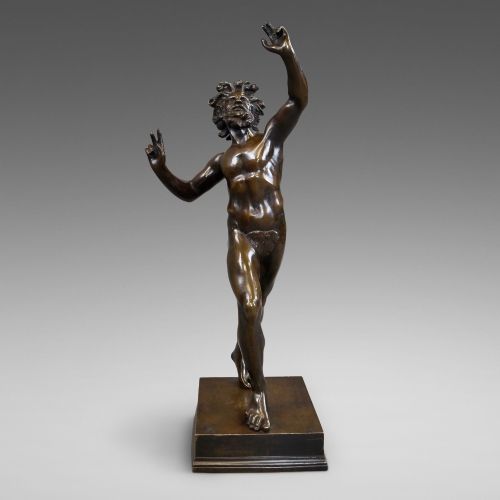
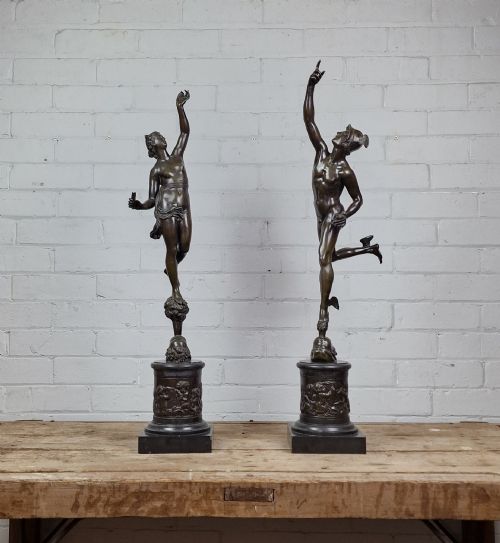
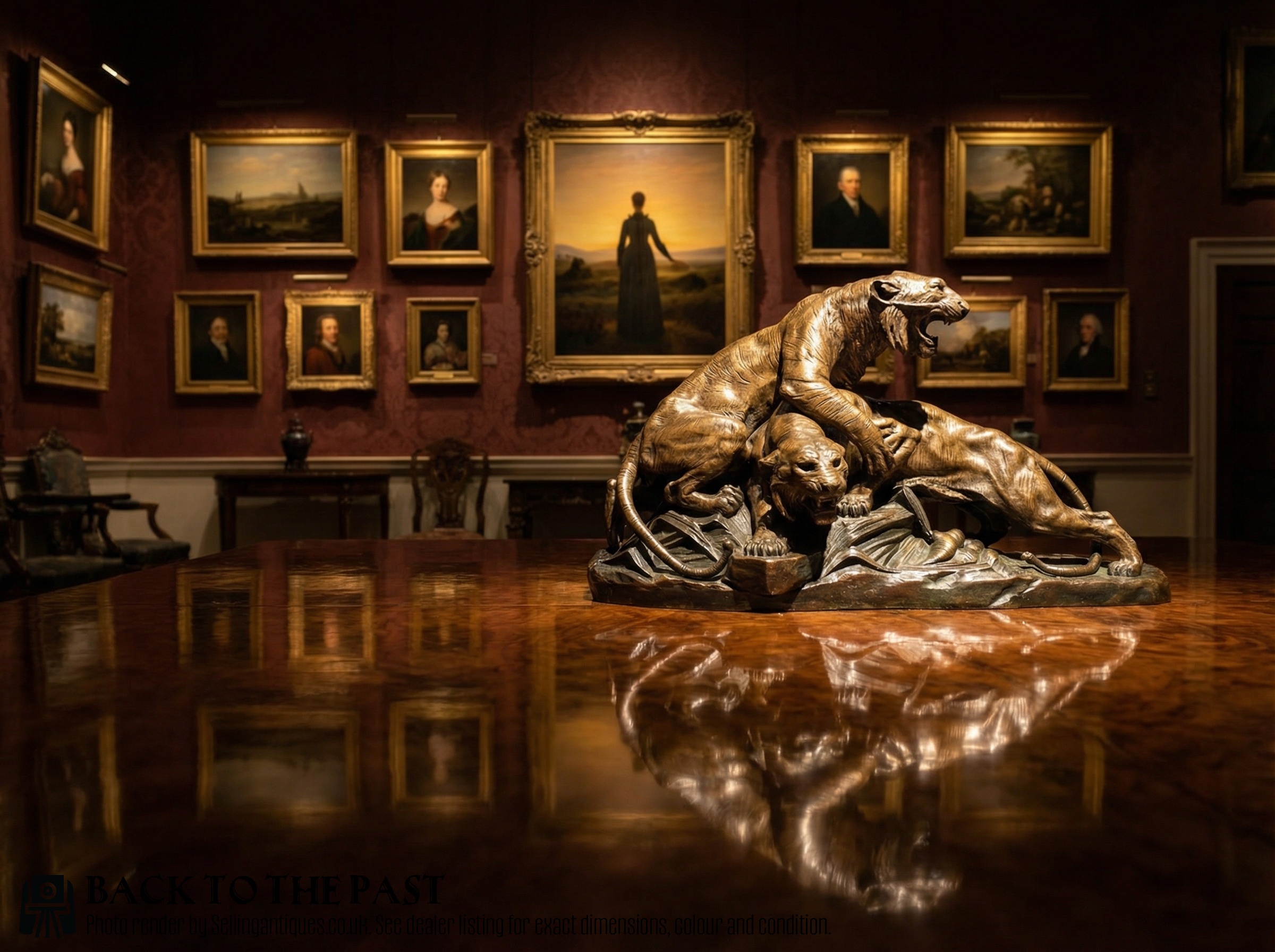
These pieces encompass decorative sculptures, mantel clocks, and architectural mounts produced during a period of prolific European and Asian metalfounding. Collectors encounter animalier studies, Grand Tour souvenirs of classical antiquities, and decorative objects destined for bourgeois salons.
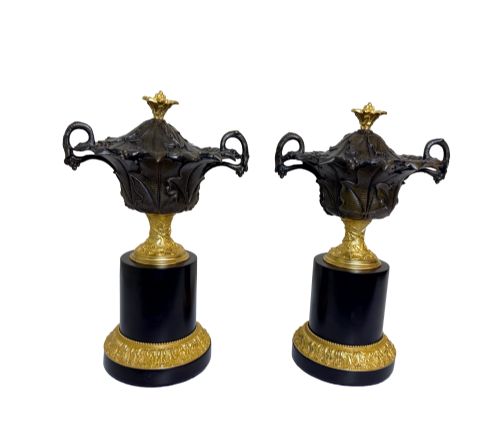
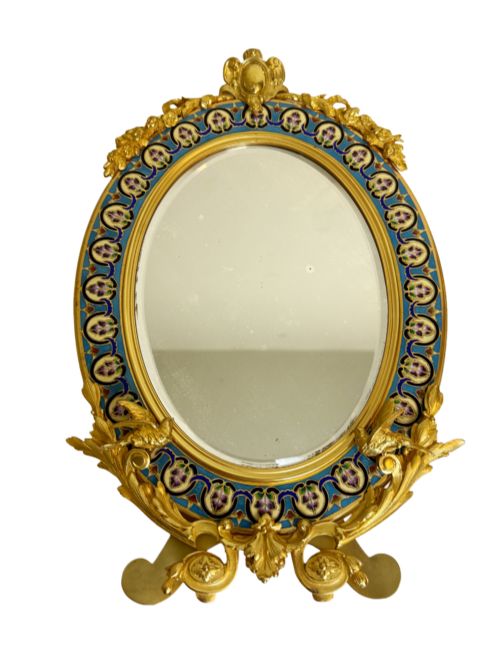
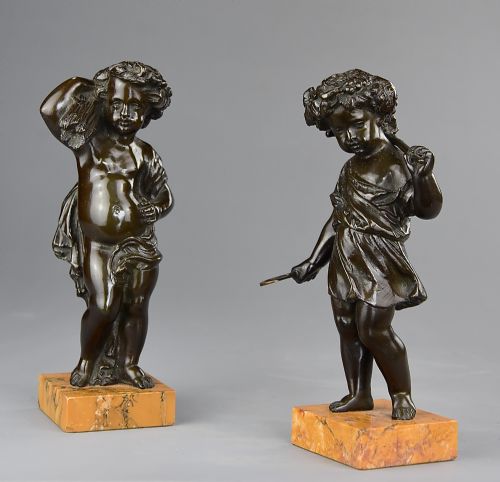
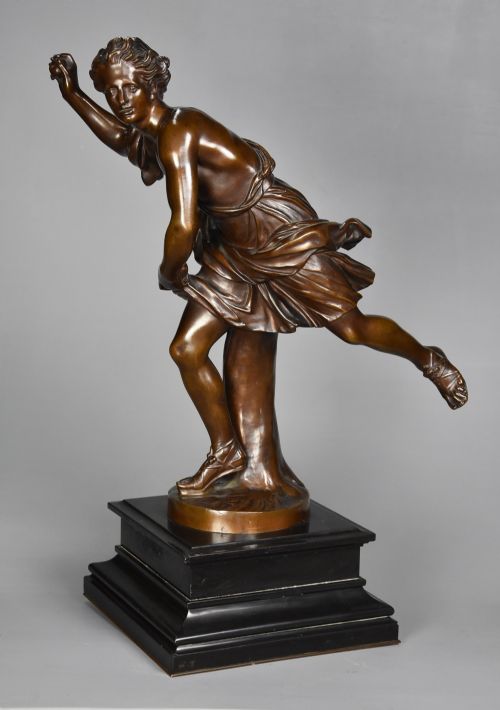
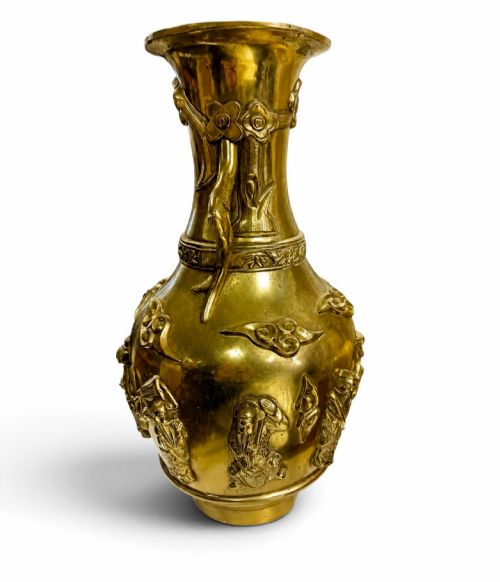
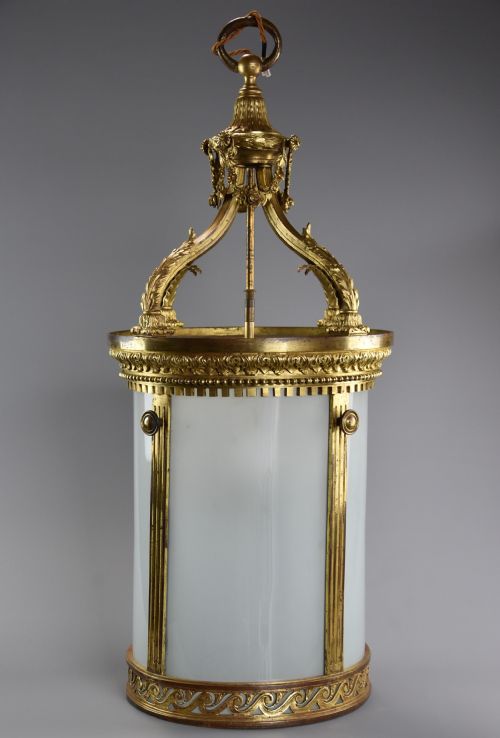
French foundries dominate the available forms, ranging from patinated figures of mythological subjects to gilt bronze garnitures mounted with champlevé enamel. Alongside European revivals, Japanese Meiji period metalwork and Chinese scholar's vessels appear frequently across the marketplace.
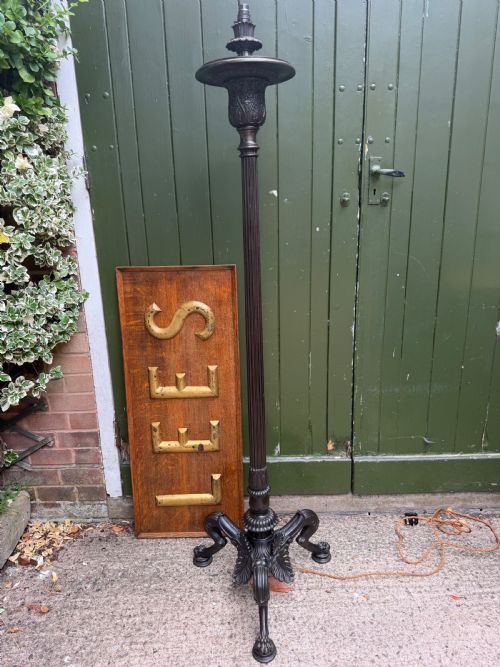
The objects serve both decorative and functional roles, adapting from freestanding mantel ornaments to elaborate candelabra and desk accessories. Their survival reflects a Victorian appetite for historicism and imported decorative arts that endures in modern interiors today.
Materials and casting techniques
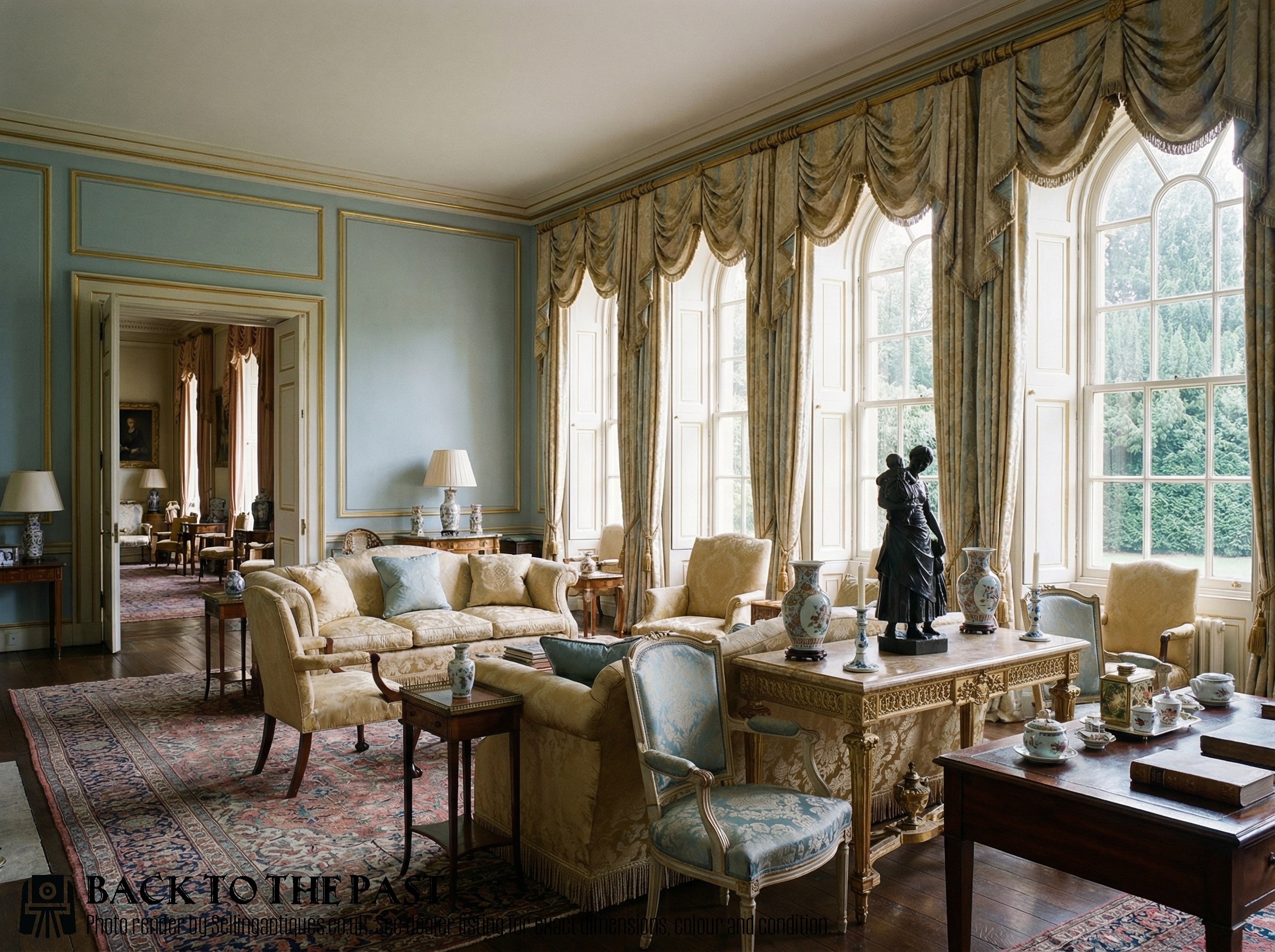
Foundries primarily utilised lost-wax casting and sand-casting methods to achieve intricate detail in copper-alloy compositions. Artisans then applied chemical patination or mercury gilding to create contrasting surface textures.
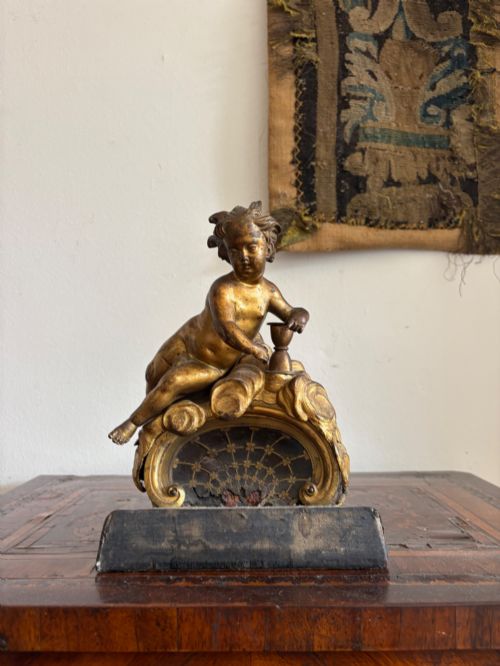
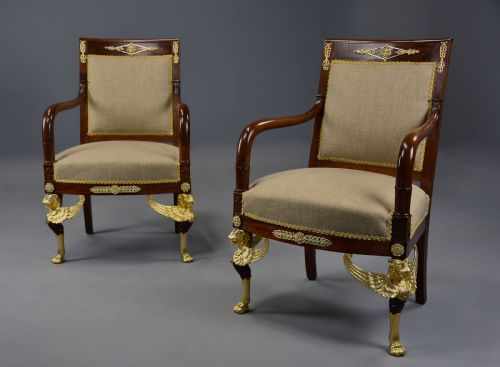
Gilt bronze and ormolu treatments provided bright metallic highlights, while cold-painted enamel added vibrant polychrome details to smaller animal and figural models. Base materials often incorporated marble pedestals or porcelain components to elevate the primary metalwork.
Late 19th Century Bronze Retail Price Guide 2026
Typical asking prices for late 19th century bronze among the pieces listed under this phrase on Sellingantiques today, from the lower quarter to the upper quarter. They describe what is for sale here now, not the wider market.
An articulated bronze cricket reminds us that Victorian metalworkers possessed an astonishing patience for miniature mechanics.
Evaluating craftsmanship and execution
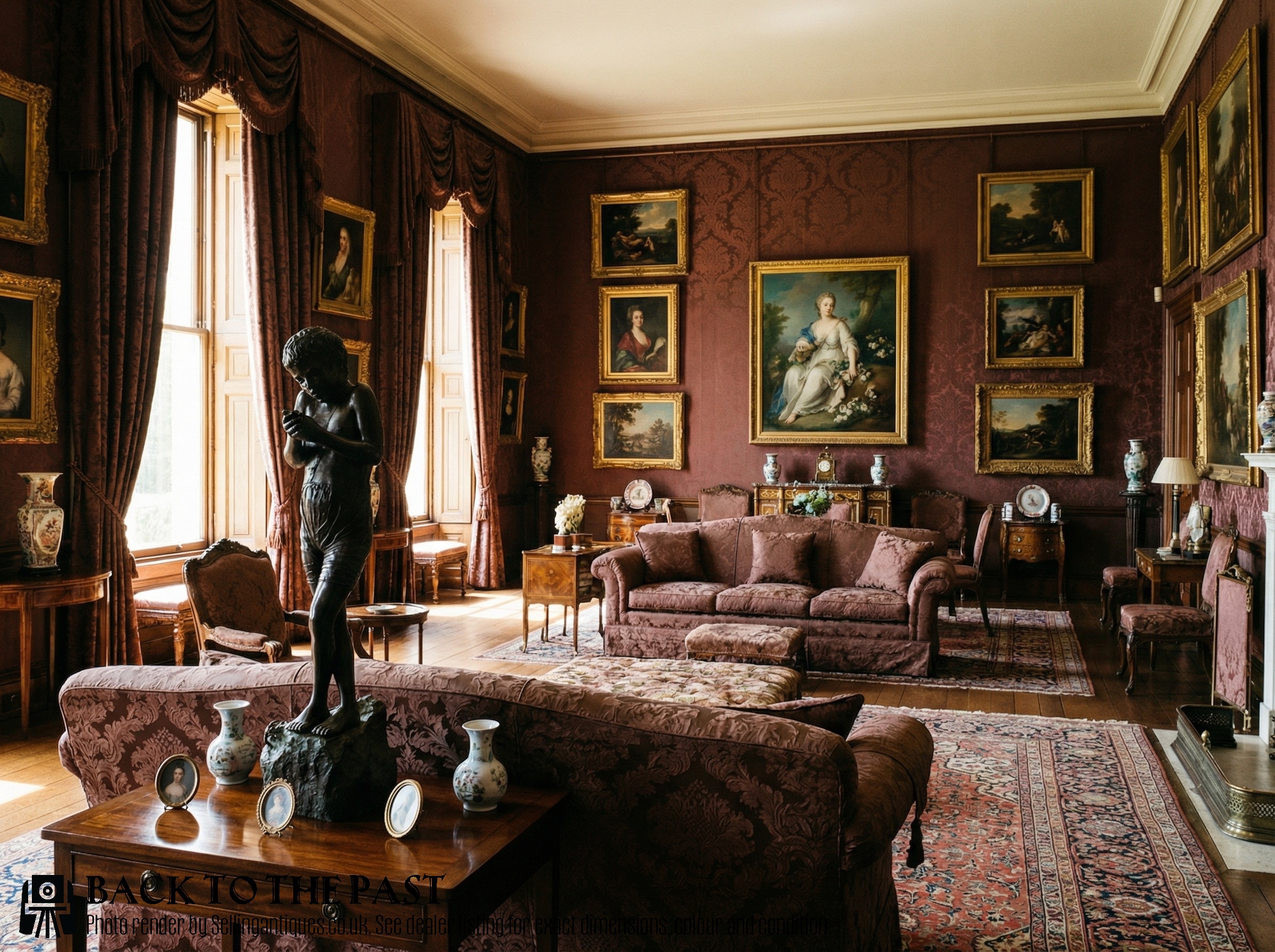
Signature verification and foundry marks indicate workshop provenance, though unsigned pieces rely entirely on the precision of the armature and the depth of the patination. Heavy gauge metal and stable assembly on original marble or wooden bases denote high manufacturing standards.
P J Mêne·Barbedienne·Alfred Dubucand·Emmanuel Villanis·Émile Louis Picault
The Late 19th Century Bronze Glossary
- Animalier
- A nineteenth-century artistic genre and movement focused on the realistic depiction of animals, particularly predators and domestic beasts in motion. Sculptors in this tradition studied anatomy extensively at menageries.
- Ormolu
- Finely ground high-carat gold amalgamated with mercury and applied to a bronze base through heat-gilding techniques. This process creates a durable, bright golden surface finish typical of luxury French decorative objects.
- Grand Tour
- A traditional trip through Europe undertaken by upper-class young men to absorb classical culture and art. Souvenirs purchased on these journeys included bronze reductions of famous antique sculptures.
- Champlevé
- An enamelling technique where troughs or cells are carved into the metal surface and filled with vitreous paste before firing. The resulting piece shows vibrant coloured patterns flush with the surrounding metal borders.
- Patination
- The chemical or natural process that alters the surface colour of bronze through oxidation and applied acids. Artists use this treatment to produce tones ranging from deep chocolate brown to verdigris green.
Late 19th Century Bronze: Frequently Asked Questions
What is an animalier bronze?
Animalier bronzes are nineteenth-century sculptures depicting animals in naturalistic poses, capturing beasts such as lions, dogs, and horses with careful anatomical precision.
These works reflect the period's scientific curiosity and the development of specialised foundries dedicated to wildlife representation.
How do I clean antique bronze?
Cleaning antique bronze requires only a soft, dry cloth to remove dust without disturbing the historic patination or protective wax layers.
Avoid using metal polishes, water, or abrasive cleaners, as these substances strip away the original surface finish.
What are Grand Tour bronzes?
Grand Tour bronzes are miniature reductions of famous classical statues and architectural ruins acquired by travellers touring Italy during the nineteenth century.
These souvenirs allowed collectors to bring museum antiquities into private domestic studies and libraries.
How can I identify a foundry mark?
Foundry marks and signatures typically appear stamped or cast directly into the base or side of the bronze near the feet of the figure.
These stamps help attribute the casting to specific workshops like Barbedienne or individual artists active during the period.