

Large Wooden Mirror
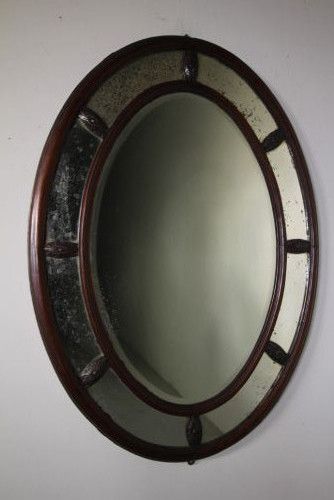
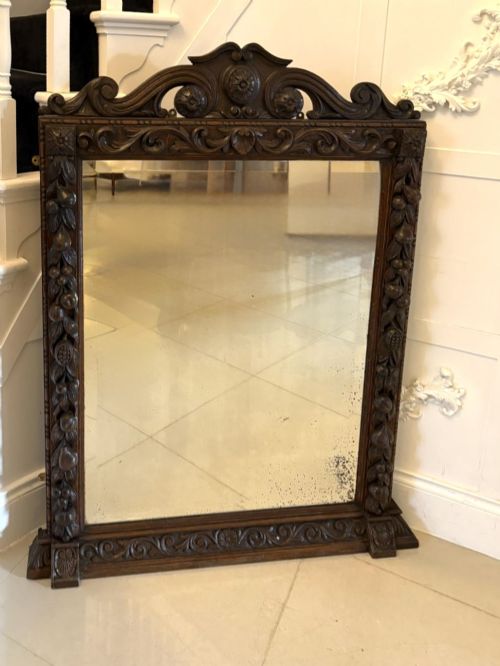
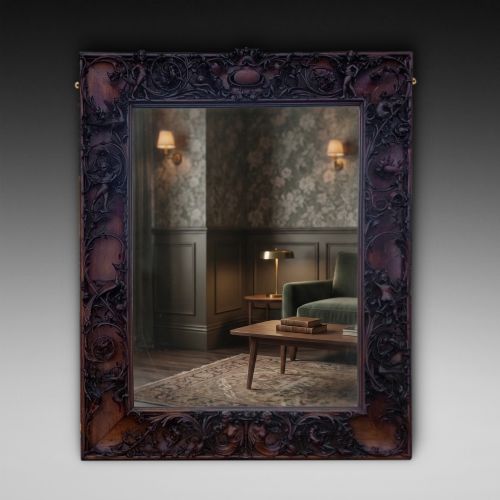
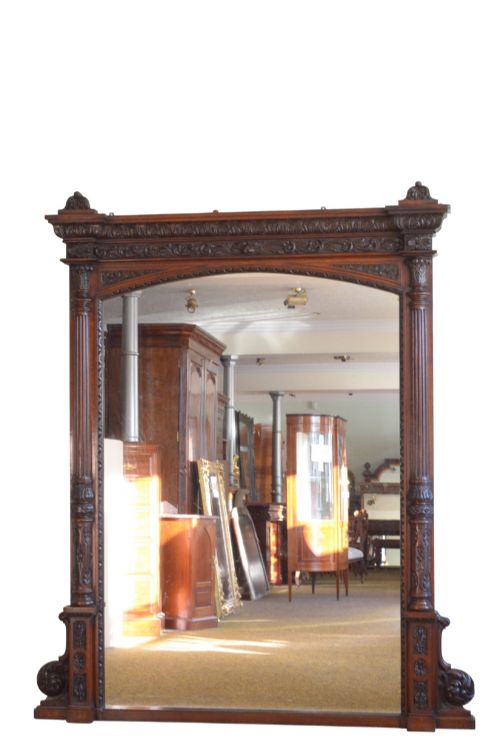
Large wooden mirror selections offer substantial scale and period character, bringing presence to principal rooms through centuries of craft.
Large Wooden Mirror
A large wooden mirror serves as a substantial focal point in an interior, drawing the eye and expanding the sense of space within a room.
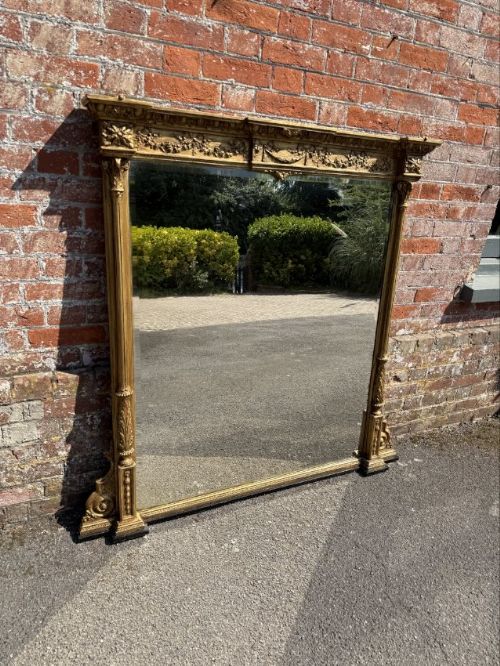
The options here centre primarily on wall-hanging formats, overmantels designed for chimney breasts, and freestanding cheval or leaner types.
Victorian and Edwardian iterations dominate, alongside earlier Georgian influences and regional English or continental expressions.
Materials and construction
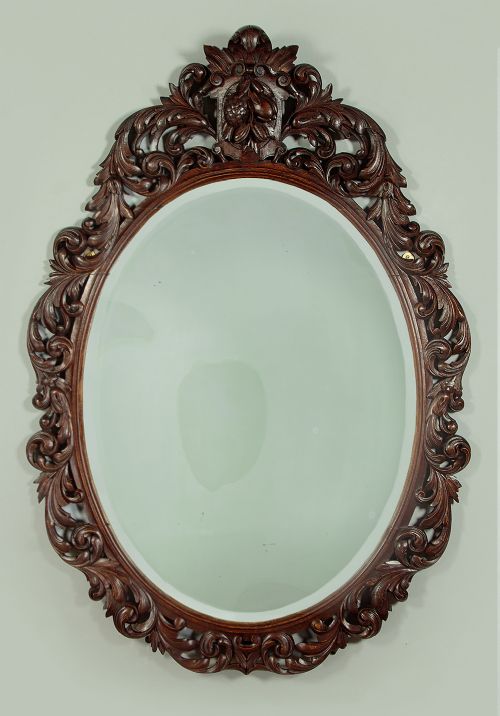
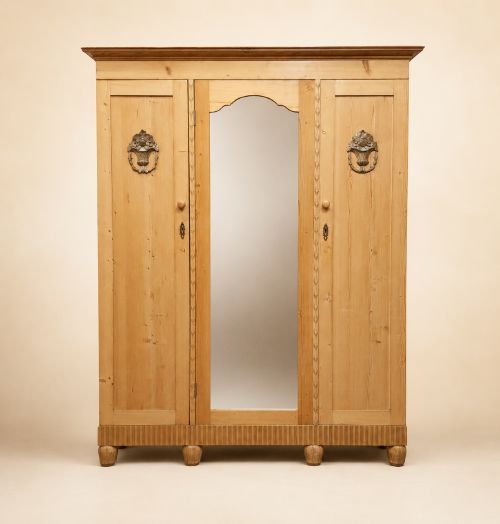
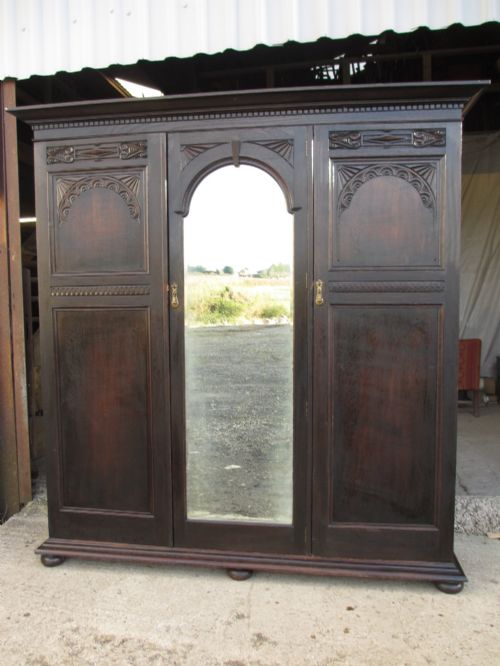
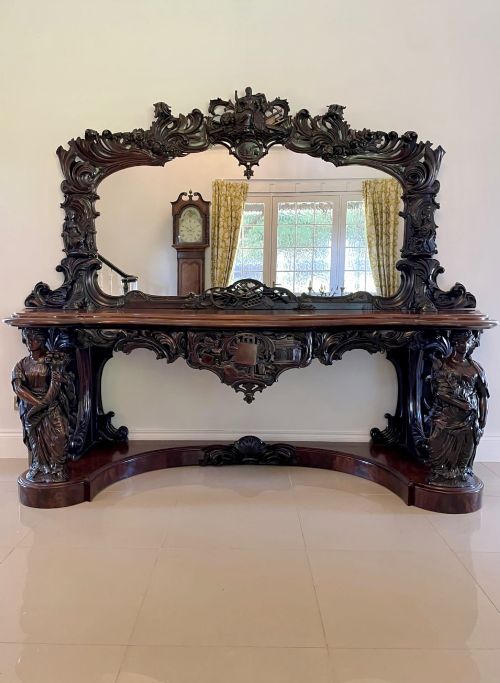
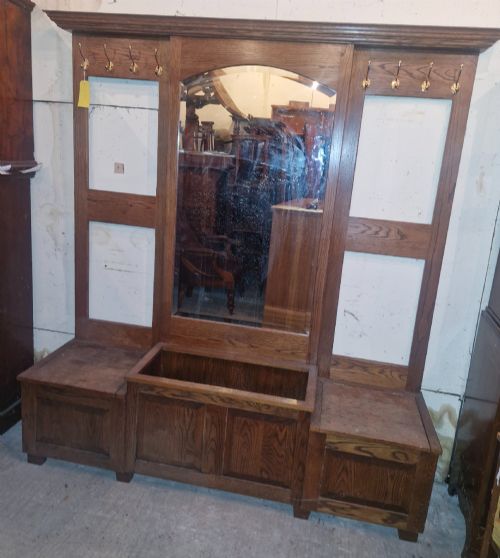
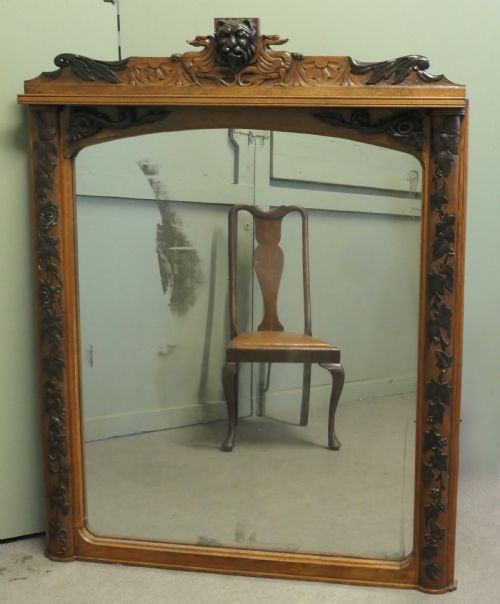
Frames rely on timbers such as oak, mahogany, walnut, and pine, frequently shaped through hand-carving or turned elements.
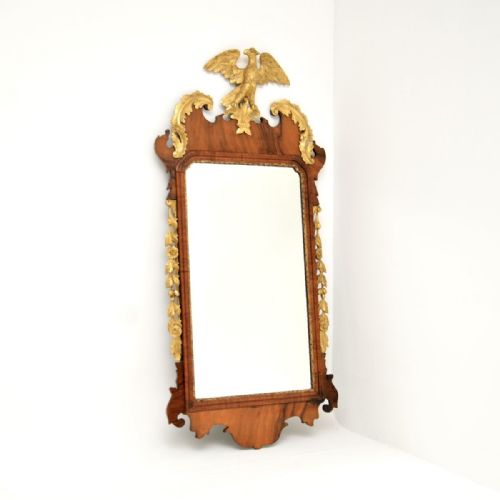
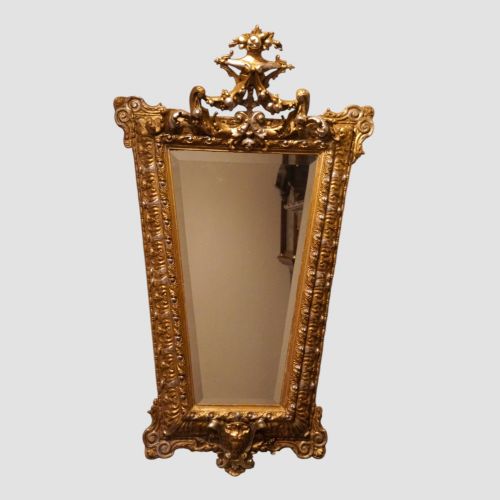
Many surfaces incorporate gesso and gold leaf or silver-gilt applications, providing reflective highlights against the dense grain of the wood.
Joinery methods range from pegged joints in heavy oak frames to fine mitred corners on polished mahogany and parcel gilt mouldings.
Listings feature oak, mahogany, walnut, and pine timbers spanning the Victorian, Edwardian, and Georgian periods.
Distinguishing quality
Depth and crispness of the carved ornamentation separate standard production from ambitious workshop pieces created for exhibition or country houses.
The integrity of the timber selection, such as figured mahogany or burr walnut veneers, dictates visual weight and sophistication.
Originality of the glass plate and secondary framing elements preserves historical authenticity, whereas replaced components alter the integrity.
Holland and Sons
The Large Wooden Mirror Glossary
- Overmantel mirror
- A wide glass specifically proportioned to hang above a fireplace mantelpiece. These pieces often incorporate architectural pediments or gilt crestings.
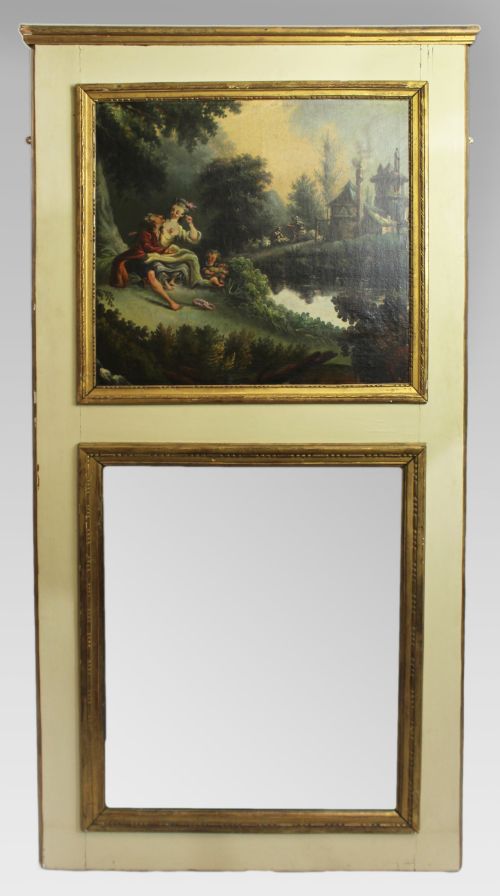
- Trumeau mirror
- A tall vertical glass paired with an oil painting or panel within the upper frame. Originating in France, they suit grand salon settings.
- Parcel gilt
- Woodwork partially decorated with thin gold leaf over specific carved details. This technique highlights mouldings while leaving the underlying timber grain visible.
- Gesso
- A plaster-like mixture applied to wooden frames as a base for gilding. Skilled carvers model intricate relief designs directly into this compound.
- Chippendale revival
- A later Victorian design movement reinterpreting 18th-century English aesthetics. Pieces often display intricate fretwork and characteristic crests.
Large Wooden Mirror: Frequently Asked Questions
Where should I hang a large wooden mirror?
Position these heavy frames above a principal fireplace, along a hallway, or facing a light source to maximise the reflection of natural illumination in your space.
Ensure the wall construction and fixings can adequately support the substantial combined weight of the timber and glass plate.
How do I identify the period of the frame?
Examine the timber species, the depth and style of the carving, and the assembly methods visible on the reverse of the mirror.
Victorian and Edwardian examples often display heavier mouldings or revival motifs, whereas Georgian pieces favour restrained mahogany or parcel gilt lines.
Are the mirror plates original?
Older glass frequently exhibits minor foxing, subtle warping, or tiny dark spots caused by the degradation of the silvering behind the plate over time.
Completely pristine glass in a 19th-century frame often indicates a modern replacement, though historic mirrors were sometimes reglazed during their lifespan.
How do I care for antique wooden frames?
Dust the carved woodwork regularly with a soft, dry cloth and avoid applying modern chemical polishes that can damage older finishes or gilding.
Keep the pieces away from direct heat sources and damp environments to prevent the wood from warping and the gesso from cracking.