


Tall Mahogany Mirror
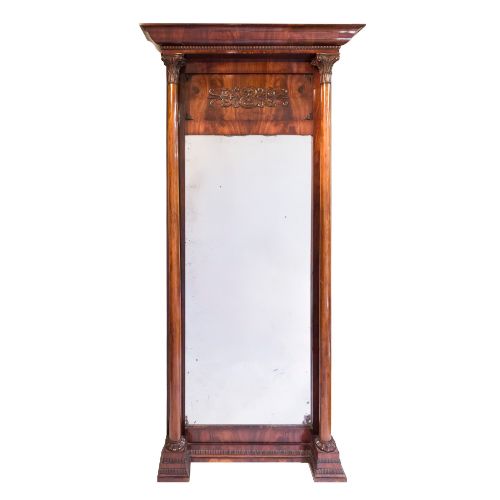
A tall mahogany mirror brings vertical presence and rich grain to a room, functioning as a practical glass and a commanding architectural element.
Tall Mahogany Mirror
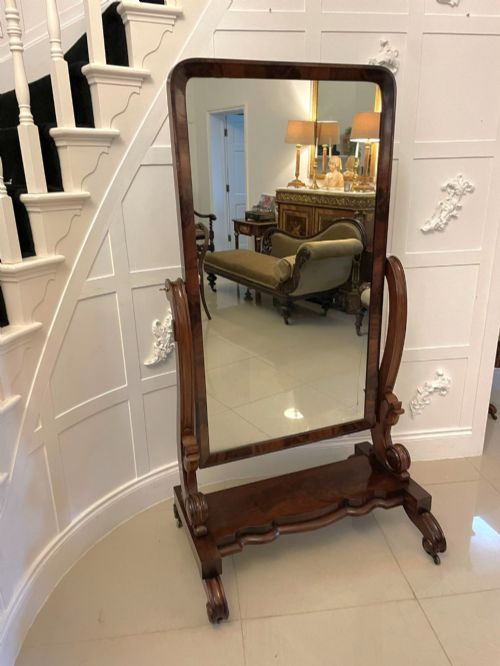
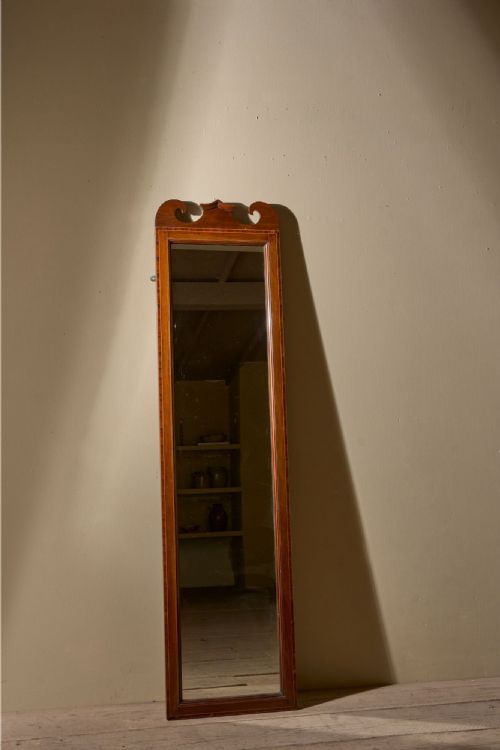
A tall mahogany mirror stands as a vertical focal point, appearing in forms such as cheval mirrors, pier mirrors, and full-length wall mirrors. The search phrase covers pieces designed to reflect light and expand the sense of space in reception rooms, halls, and dressing chambers.
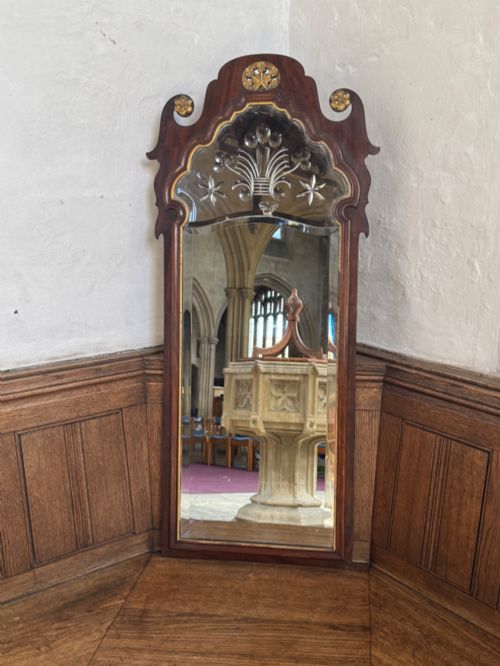
The pieces catalogued here span the nineteenth century, the Edwardian era, and the Regency period, demonstrating how cabinetmakers adapted tall vertical proportions across successive design movements. Wall-hanging examples, floor-standing cheval glasses, and tall pier mirrors dominate the selection.
Makers utilised dense, dark timber frames, often integrating architectural details such as half columns, pediments, and gilt accents. Buyers encounter both simple upright panels intended for narrow wall spaces and complex swivelling dressing glasses supported on robust legs.
Materials and construction
Construction relies heavily upon solid mahogany and selected wood veneers applied to secondary framing timbers. Workshops frequently incorporated brass fittings, such as sabots and castors on cheval frames, alongside mercury glass plates and original silvered mirrors.
Decorative enhancement involved delicate boxwood inlay, parcel gilt highlights, and carved wooden detailing. Frames range from restrained classical mouldings to elaborate Revival designs featuring deep architectural cornices and applied giltwood enrichment.
Tall Mahogany Mirror Retail Price Guide 2026
Typical asking prices for tall mahogany mirror among the pieces listed under this phrase on Sellingantiques today, from the lower quarter to the upper quarter. They describe what is for sale here now, not the wider market.
Several items in this selection served active duty in nineteenth-century gentleman's outfitters and busy dressmakers' shops before entering domestic life.
Assessing quality and craftsmanship
Quality reveals itself in the depth of the mahogany grain and the integrity of the original glass plate. Superior pieces display crisp carving, well-fitted joinery, and patination that shows decades of careful maintenance.
The distinction between ordinary and exceptional examples rests upon the retention of original mercury plates, authentic brass hardware, and unaltered structural frames. Finer mirrors maintain balanced proportions where the weight of the glass is properly supported by the chassis.
The Tall Mahogany Mirror Glossary
- Cheval mirror
- A freestanding full-length mirror suspended in a frame on pivots, allowing the glass to tilt. These pieces typically rest on four legs, sometimes fitted with brass castors.
- Pier mirror
- A tall mirror specifically designed to hang on the wall space between two windows, often placed above a console table or pier table. They frequently incorporate vertical architectural framing.
- Mercury plate
- A reflective glass surface produced using a tin-amalgam technique common before the mid-nineteenth century. This process yields a warm, slightly mottled reflection distinct from modern silvering.
- Sabot
- A metal sleeve or shoe fitted to the foot of a piece of furniture, usually cast in brass. They protect the timber base and frequently appear on Regency cheval stands.
- Parcel gilt
- A decorative technique where selected portions of a carved wooden frame are covered in thin gold leaf while the surrounding mahogany remains exposed.
Tall Mahogany Mirror: Frequently Asked Questions
Where should I place a tall mahogany mirror?
These pieces suit entrance halls, drawing rooms, and dressing spaces where their height can visually open up the interior. Wall-hung versions anchor the space above low furniture, while floor-standing cheval glasses require a stable floor surface with sufficient clearance for tilting.
Positioning depends upon capturing and reflecting natural light from windows without creating harsh glare. Placing a mirror opposite a light source maximises illumination in darker rooms while highlighting the grain of the mahogany frame.
How do I date a tall mahogany mirror?
Dating relies upon examining the construction methods, framing style, and the characteristics of the glass plate. Regency and William IV pieces often display classical columns, sabre legs, or bold mouldings, whereas Edwardian and later revivals utilise lighter framing or machine-sawn timber backs.
The backing boards, screws, and fixings offer additional clues to age. Hand-beveled edges, mercury plates, and old fixings suggest nineteenth-century origins, though components should be assessed together to confirm authenticity.
What is the difference between a pier mirror and a wall mirror?
A pier mirror is specifically proportioned to fit the narrow wall space, or pier, between two architectural openings such as windows or doors. These mirrors are traditionally designed to coordinate with a matching console table placed directly beneath them.
Standard wall mirrors lack this specific architectural constraint and can be mounted across wider flat surfaces. Pier mirrors frequently employ elongated vertical formats and elaborate cornices suited to tall nineteenth-century reception rooms.
How do I clean and maintain an antique mirror frame?
Maintenance requires dry dusting with a soft microfiber cloth to prevent dust accumulation in the carved wooden crevices. Avoid harsh chemical polishes and water on both the timber and the glass plate, especially where original mercury silvering is present.
Waxing the mahogany frame occasionally with a traditional beeswax formulation feeds the timber and preserves the natural sheen. Care must be taken near the edges of the glass to prevent moisture seeping behind the plate.