
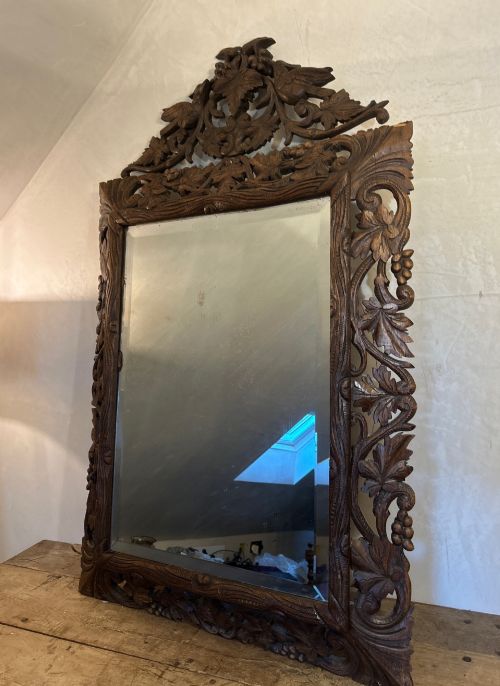
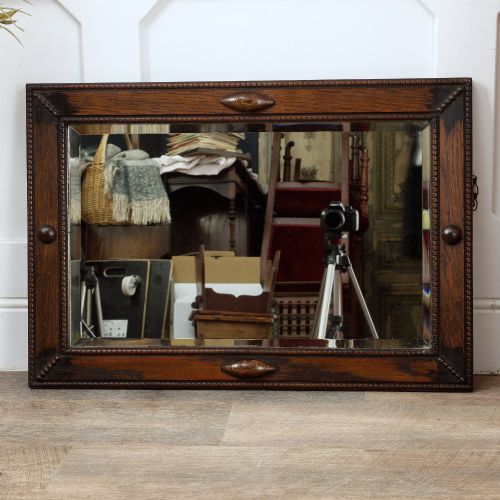
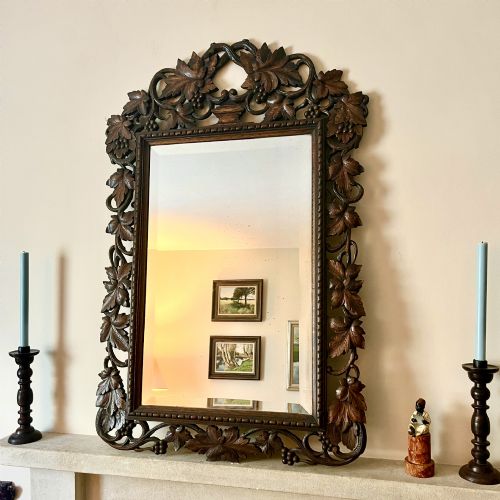
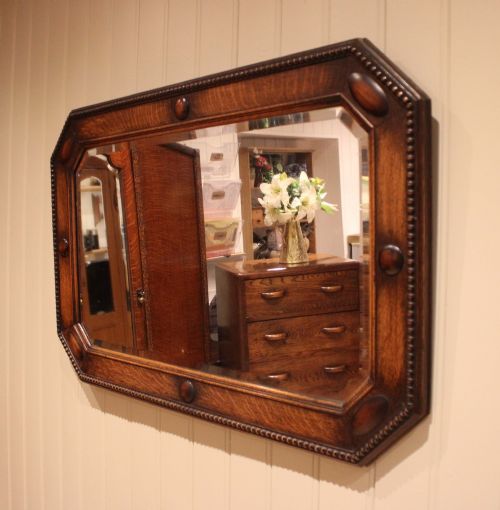


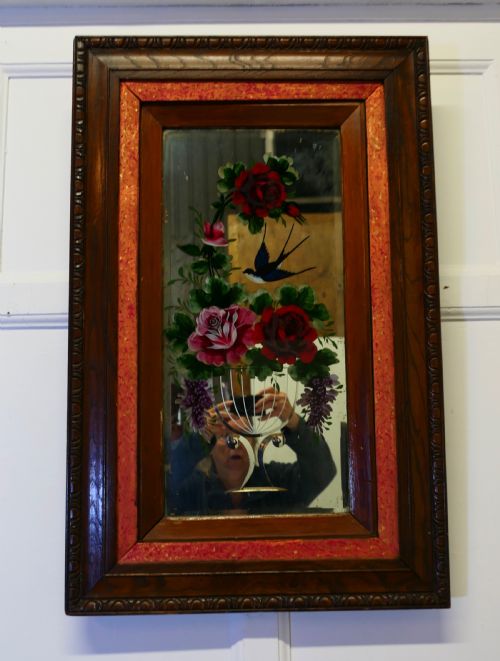


Decorative Oak Mirror
These decorative oak mirror pieces bring substantial timber warmth and historic carving into a room, offering both everyday utility and distinct period character.
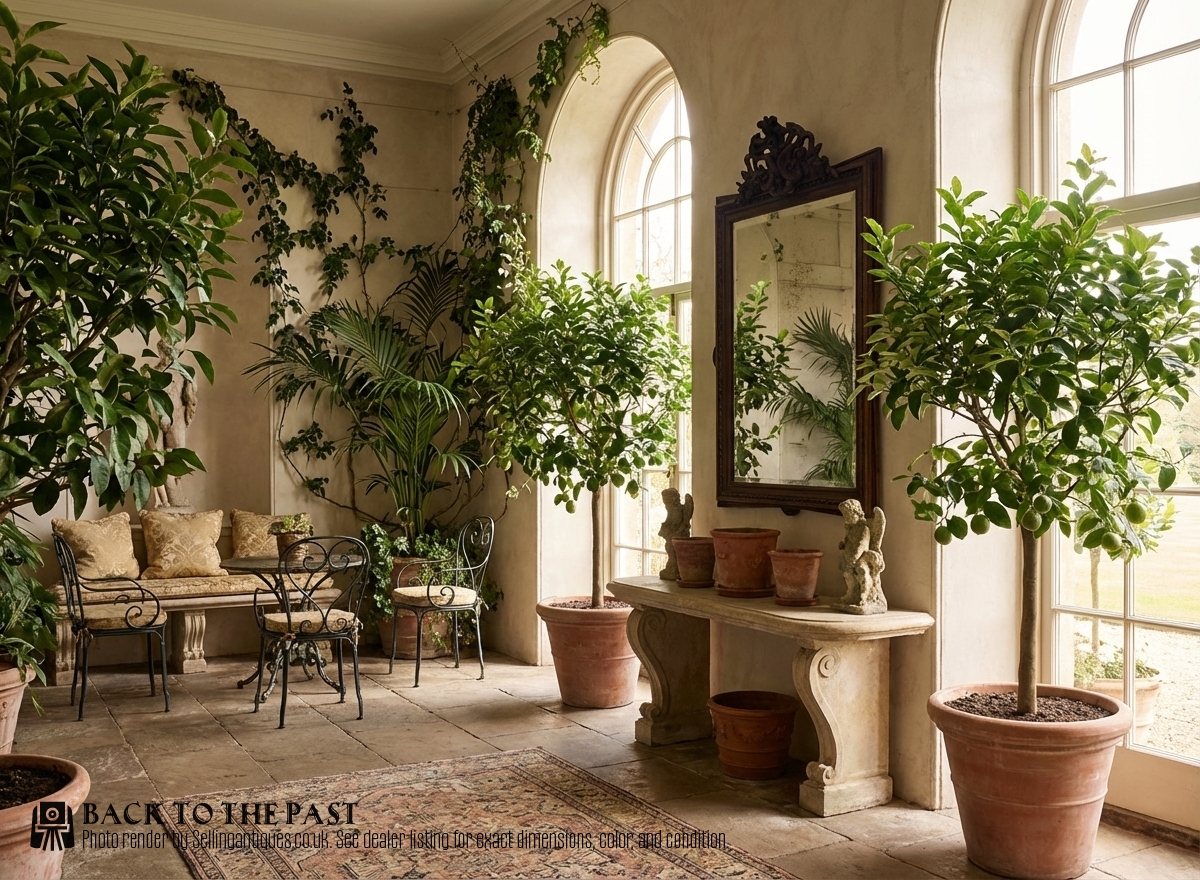
Decorative Oak Mirror
A decorative oak mirror brings robust timber character to an interior, drawing on centuries of cabinet-making traditions from the nineteenth and early twentieth centuries. When searching for a decorative oak mirror, buyers encounter wall-mounted formats, overmantel designs, and pier mirrors executed in various regional interpretations.
The pieces on this page span the Victorian, Edwardian, and later periods, capturing stylistic shifts from Gothic Revival and French Renaissance to clean fret-cut forms. Most examples utilise solid oak frames, occasionally enhanced with painted details, bleaching, or gesso elements.
Makers ranged from commercial workshops producing large rectangular wall mirrors to skilled artisans carving ornate floral motifs or architectural arches. Selecting the right piece involves matching the timber tone and decorative weight of the frame to the proportions of a room.
Materials and construction methods
Frames rely principally on solid oak, chosen for its durability and prominent grain, which takes deep carving and polishing exceptionally well. Workshops employed traditional joinery techniques such as mortise and tenon joints to ensure stability across large rectangular and circular formats.
Surface treatments vary significantly across the inventory, ranging from dark polished finishes to contemporary bleached wood and delicate paintwork. Gesso applications and intricate fret-cutting provide the sculptural relief seen on Gothic and French-inspired frames.
Evaluating craftsmanship and condition
Quality in these pieces rests upon the depth and crispness of the hand-carving, where confident chisel work separates utilitarian frames from ambitious artistic creations. The treatment of the timber, whether through careful bleaching or rich polishing, dictates the visual impact of the grain.
Original mirror glass and intact backing boards contribute substantially to the authenticity and desirability of an antique frame. Superior examples demonstrate harmonious proportions where the weight of the wooden moulding balances the reflective surface.
The Decorative Oak Mirror Glossary
- Gesso
- A plaster-like mixture applied to wood surfaces and sculpted to form decorative details before gilding or painting. It provides a smooth base for intricate ornamentation.
- Fret cut
- A woodworking technique using a fine saw to pierce thin timber and create ornamental openwork patterns. This method appears on lighter wall mirrors.
- Overmantel
- A large mirror designed specifically to hang above a fireplace mantelpiece. These pieces often feature horizontal proportions and elaborate carving.
- Pier mirror
- A tall, narrow mirror traditionally hung on the wall space between two windows. They frequently incorporate inlaid details and vertical timber frames.
- Puginesque
- A design style associated with the Gothic Revival architect Augustus Pugin. It utilises medieval architectural motifs applied to nineteenth-century furnishings.
Decorative Oak Mirror: Frequently Asked Questions
Where should I hang a large oak wall mirror?
These large timber frames demand a sturdy wall capable of supporting significant weight, typically anchoring directly into masonry or solid studs.
Position them in reception rooms or hallways where they can reflect natural light and anchor the surrounding furniture.
How do I care for antique oak frames?
Maintain the timber by dusting regularly with a dry cloth and avoiding modern silicone-based polishes that build up on the grain.
Keep the mirror away from direct heat sources and damp environments to protect both the wooden joints and the original glass.
How can I tell a Victorian frame from an Edwardian one?
Victorian examples frequently display heavier proportions, dark polished finishes, and robust Gothic or Renaissance Revival ornamentation.
Edwardian pieces often introduce lighter treatments, including bleached oak surfaces and refined, restrained carving techniques.