



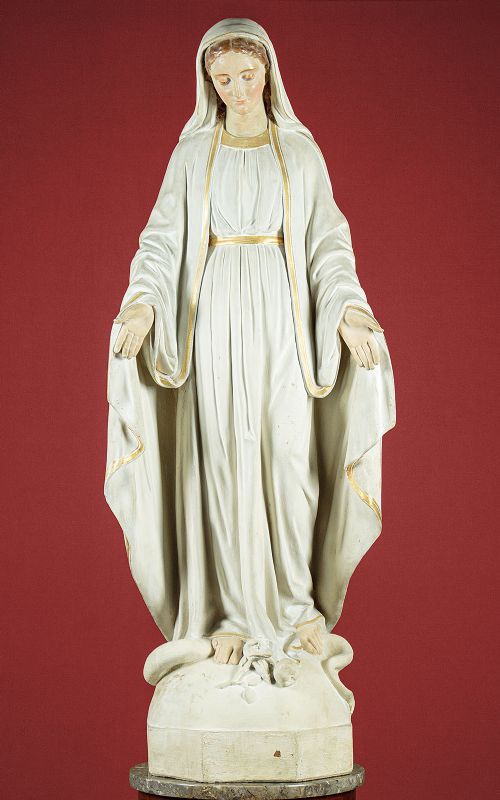


Large Terracotta Statue
A large terracotta statue brings weight and classical presence to a room, offering substantial sculptural form modelled in fired clay.

Large Terracotta Statue
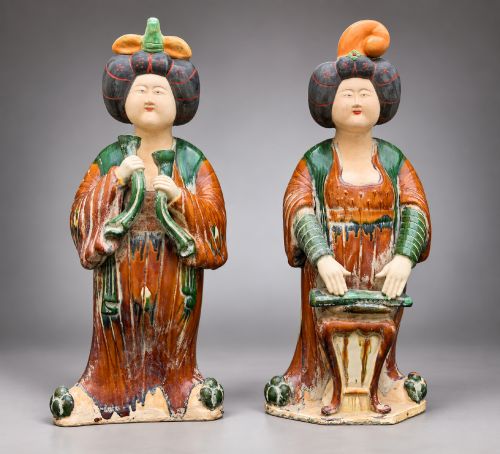
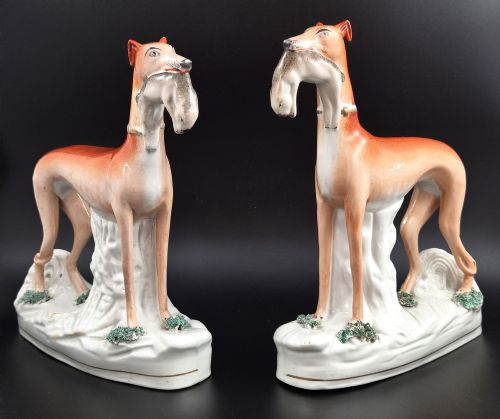
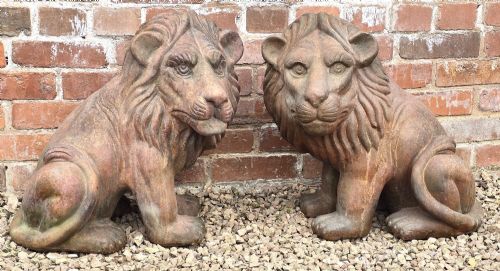
A large terracotta statue encompasses substantial sculptural works formed from fired clay, spanning garden figures, classical lions, and decorative human forms. These pieces often arrive as matched pairs, particularly when depicting architectural guardians or seated hounds.
The selections on this page draw from the nineteenth century through the early twentieth century, alongside specific revival periods like Tang Dynasty style and classical Roman designs. European workshops in Austria, Italy, and Britain dominate the offerings, alongside ceramic and porcelain figures.
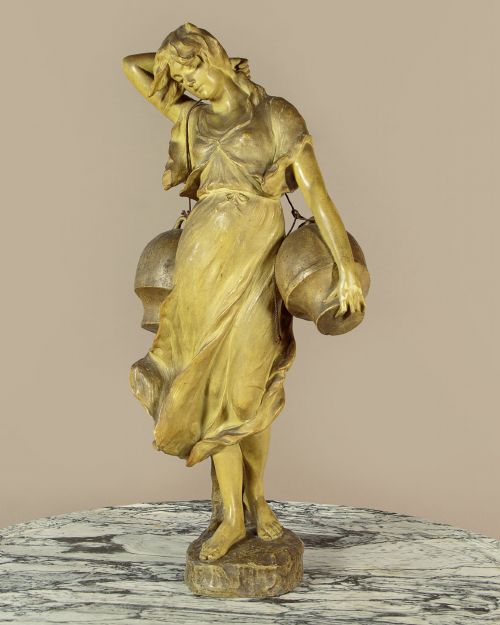
Buyers encounter both interior decorative figures, such as water carriers and maidens, and exterior garden sculptures like lifesize dogs and lions. Buff terracotta and lead glazed earthenware frequently define the surface character of these larger sculptural objects.
Materials and construction methods
Makers utilised natural clay, earthenware, and terracotta, often shaping the material through hand sculpting or press moulding. Larger compositions required sectional construction and internal reinforcement to support the heavy weight during firing.
Surface finishes include applied paint, enamel, and lead glaze, which protected the porous clay body and provided colouration. Salt glazing also appears on utilitarian earthenware garden figures produced in regional kilns.
Listings feature nineteenth-century terracotta, Edwardian porcelain, and twentieth-century earthenware from British, Austrian, and Italian origins.
Assessing sculptural quality
Quality rests upon the crispness of the modelling and the sensitivity of the hand finishing in the clay before firing. Sculptures that retain sharp facial expressions and clear drapery folds separate masterworks from routine factory output.
The integrity of the fired body and the preservation of original painted or glazed surfaces dictate the desirability of the piece. Proportion and scale in large animal and human figures determine the visual impact within a space.
Goldscheider·Royal Dux·Bernard Bloch
The Large Terracotta Statue Glossary
- Terracotta
- A porous, brownish-red fired clay used extensively for sculpture and pottery. It is left unglazed or treated with surface paints.
- Earthenware
- Pottery fired at lower temperatures that remains porous unless glazed. It forms the body of many nineteenth-century decorative figures.
- Lead glaze
- A shiny, protective coating applied to ceramics before firing. It gives a glossy finish to earthenware surfaces.
- Buff terracotta
- A pale, yellowish-cream variety of fired clay favoured by nineteenth-century architectural and garden statuary makers.
- Putti
- Representations of chubby male infants, often winged, originating in classical art and common in Victorian decorative bookends and figures.
Large Terracotta Statue: Frequently Asked Questions
Where should I place a large terracotta statue?
These substantial pieces anchor a room when placed directly on the floor, in an entrance hall, or on sturdy architectural plinths. Garden statues and terracotta lions suit sheltered outdoor courtyards or conservatory spaces where moisture levels remain controlled.
Interior figures require a stable surface that can support considerable weight without shifting. Positioning them away from high-traffic walkways protects fragile extremities from accidental knocks.
Are these statues frost resistant?
Most antique terracotta and earthenware pieces absorb moisture, meaning freezing temperatures cause trapped water to expand and crack the clay. Store garden statuary indoors or in a frost-free shed during winter months to preserve the material.
Unglazed garden lions and figures dating from the nineteenth century require particular protection against damp conditions. Check manufacturer specifications or material density if you intend to keep sculptures outside year-round.
How do I date a terracotta statue?
Examine the base and interior for tool marks, firing vents, and potter stamps that indicate nineteenth-century or early twentieth-century production methods. Stylistic clues such as Art Nouveau sweeping lines or Victorian classical revival motifs help narrow the period.
Patina, surface wear, and the composition of the clay body also provide evidence of age. Compare construction techniques against known factory outputs from documented European makers.