

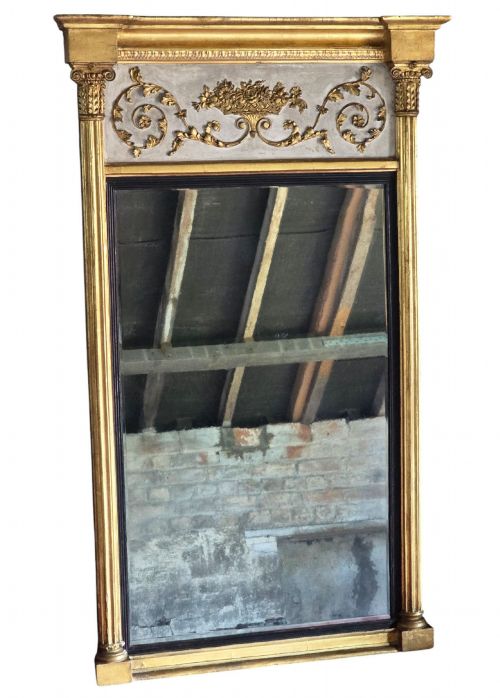


Large Statement Wall Mirror
A large statement wall mirror dominates a room through scale and reflection, bringing light and presence to an interior.
Large Statement Wall Mirror
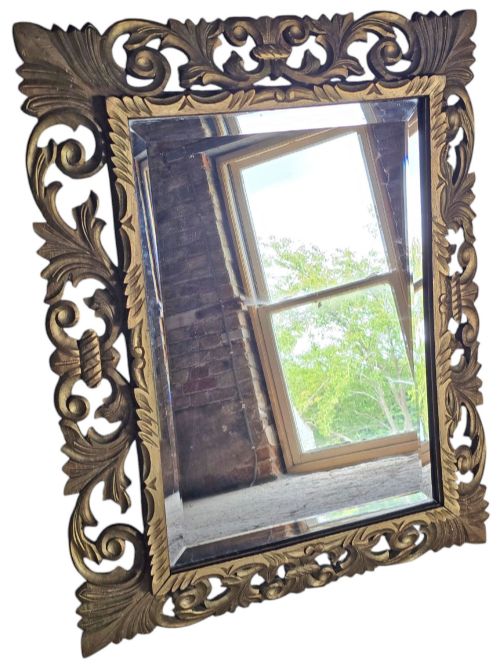
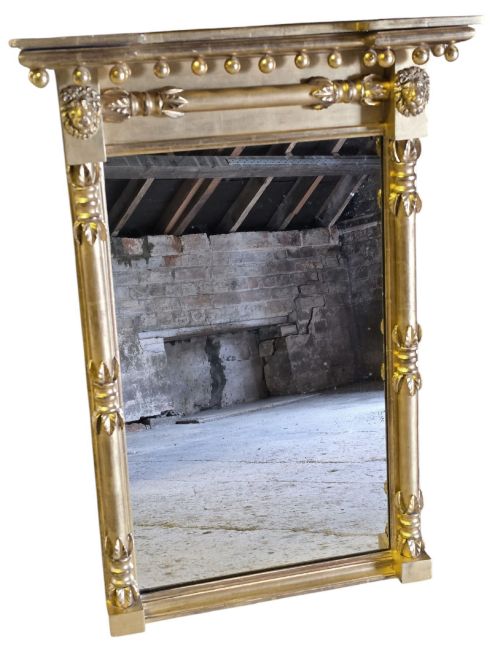
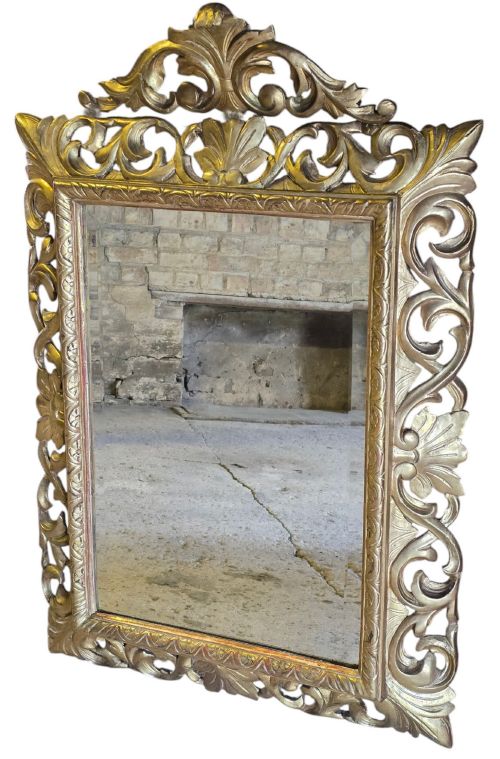
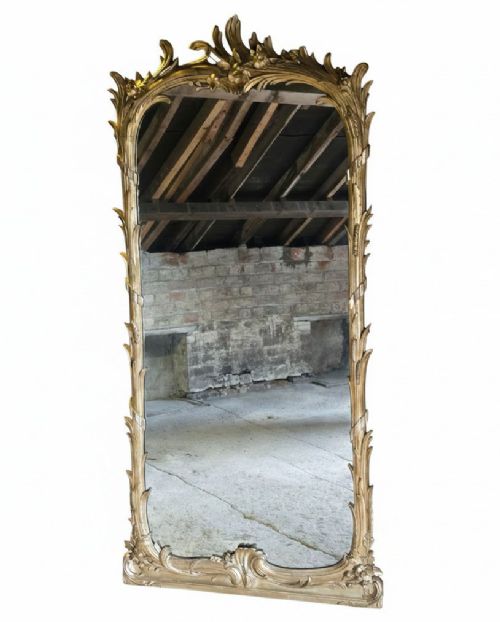
When you search for a large statement wall mirror, you are looking at substantial looking-glasses designed to anchor a room. The most common version you will meet on this page is the overmantel mirror, originating largely from the nineteenth century. These pieces command a wall through generous proportions and decorative framing.
The selections span distinct periods including the nineteenth century and the nineteen-twenties, alongside specific dates like eighteen-sixty and nineteen-thirty. Styles lean heavily towards French Rococo Revival, Florentine, Regency, and Neoclassical designs. You will encounter rectangular overmantels, tall wall mirrors, and oval formats.
Many examples utilise ornate gilt frames, while others combine gilt with painted or ebonised surfaces. They function primarily as wall mirrors, pier mirrors, and overmantels. Each item acts as a focal point, reflecting light across a space while displaying period craftsmanship.
How they were made
Makers constructed the substantial frames of these mirrors using wood, gesso, and composition moulded ornaments applied over a wooden base. Artisans then applied gold leaf or paint to the prepared surfaces to achieve the desired metallic lustre. Giltwood and gold leaf feature prominently across the inventory.
Mirror glass was set within these ornate surrounds, often framed by architectural details like columns, scrolls, and crestings. Ebonised finishes appear alongside traditional gilding to create strong contrast. The combination of carved wood, applied composition, and reflective glass defines the physical construction.
Some nineteenth-century mirrors are so heavy they require teamlifting just to move across the showroom floor.
What varies in quality
The refinement of the carving and moulding sets apart different examples of large statement wall mirrors. Pieces featuring hand-carved wood and detailed gesso work sit above those relying heavily on simpler composition ornament. Crispness of detail in the foliate scrolls and architectural motifs indicates superior craftsmanship.
Materials also signal distinction, particularly the depth and application of genuine gold leaf versus standard paint finishes. The preservation of the original mirror glass and the structural integrity of the heavy wooden frames determine the overall standard. Greater weight and intricate framing generally correspond to more ambitious nineteenth-century production.
The Large Statement Wall Mirror Glossary
- Giltwood
- Wood that has been covered with a thin layer of gold leaf. This material forms the primary golden framing for many nineteenth-century overmantels.
- Gesso
- A plaster-like mixture applied to wood frames to create a smooth surface for carving or moulding. It allows for intricate relief decoration before gilding.
- Overmantel
- A large mirror specifically designed to hang above a fireplace mantelpiece. These horizontal formats reflect the hearth and balance the room's proportions.
- Pier mirror
- A tall mirror traditionally placed on the wall space between two windows. They often match the height of surrounding architectural elements.
- Composition
- A moulded mixture of whiting, resin, glue, and oil pressed into ornaments. Makers applied these decorative details to wooden frames to save time on hand carving.
Large Statement Wall Mirror: Frequently Asked Questions
Where should I hang a large statement wall mirror?
These mirrors traditionally sit above a fireplace mantelpiece as an overmantel, where they anchor the room and draw the eye upward. They also work effectively on long expanses of wall in reception rooms to reflect light and increase the sense of space.
Ensure the wall construction and fixings can support the substantial weight of these framed glass pieces. Professional installation is often advisable given the scale and heft of nineteenth-century frames.
How do I identify a nineteenth-century overmantel?
Nineteenth-century overmantels typically feature heavy wooden frames decorated with gesso, composition ornaments, and gold leaf. Styles often draw on Regency, Rococo Revival, or Neoclassical design motifs.
Construction details on the reverse, such as older pine backboards and traditional fixings, help confirm the period. The weight of the timber and the depth of the gilding further distinguish nineteenth-century examples from later reproductions.
What is the difference between an overmantel and a pier mirror?
An overmantel mirror is traditionally built in a horizontal orientation to sit comfortably above a fireplace opening. Its proportions correspond to the width of the mantel shelf below.
A pier mirror is typically taller and narrower, designed to fit the specific wall space between two architectural openings or windows. Both types utilise ornate frames to create a strong visual statement.
How do I care for antique gilt frames?
Dust giltwood and gesso frames gently with a soft, dry brush to avoid disturbing the delicate gold leaf surface. Keep them away from direct sunlight and damp environments to protect the underlying wood and composition ornaments.
Avoid using liquid cleaners or chemical polishes on the gilded surfaces, as moisture can lift the leaf. Clean the mirror glass separately with a minimal amount of glass cleaner applied to a cloth rather than the mirror itself.