


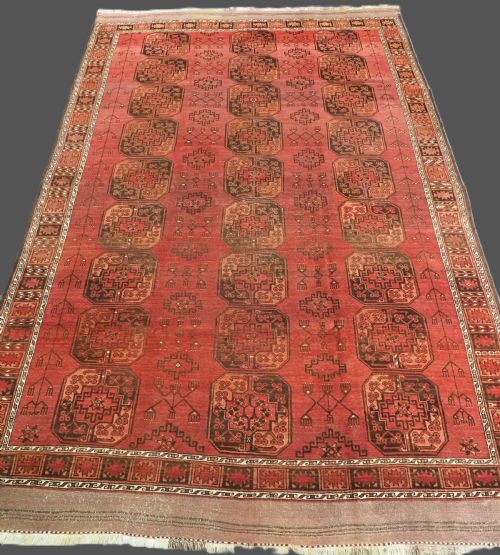
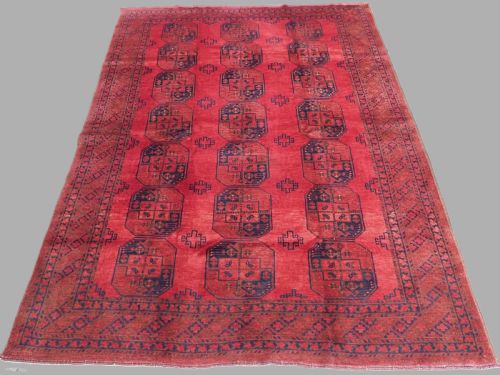
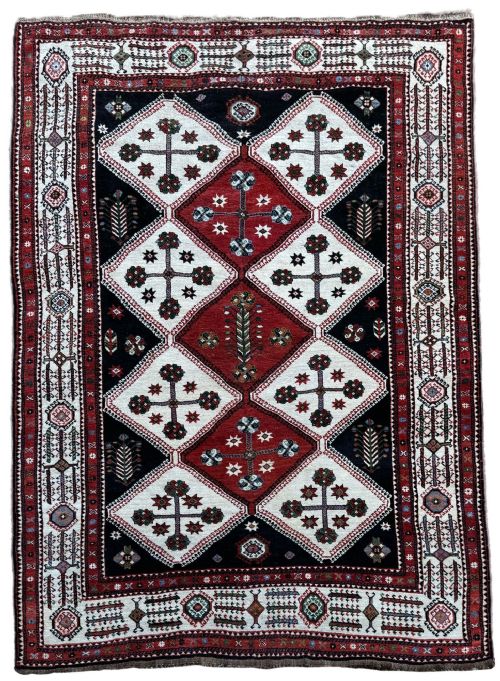
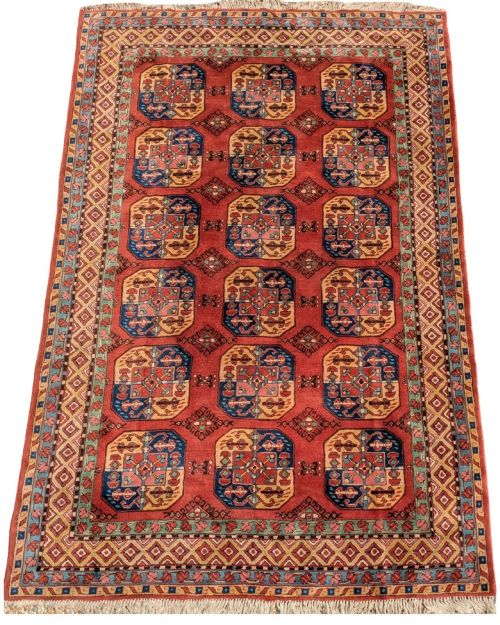

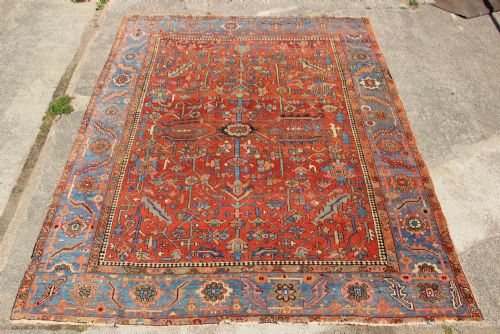
Large Red Rug
A large red rug anchors a room with rich tones and traditional patterns woven across Persian and tribal carpets from the nineteenth and twentieth centuries.
Large Red Rug
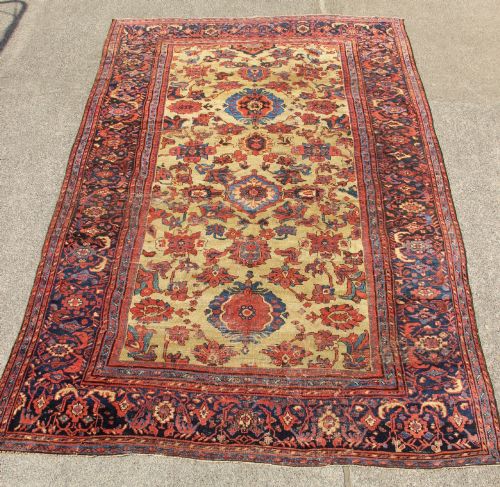
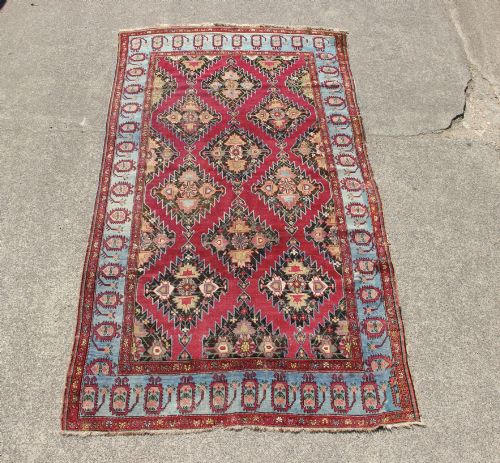
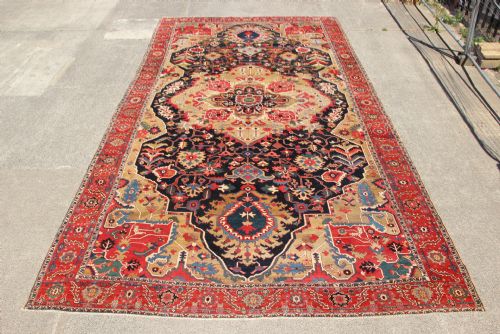
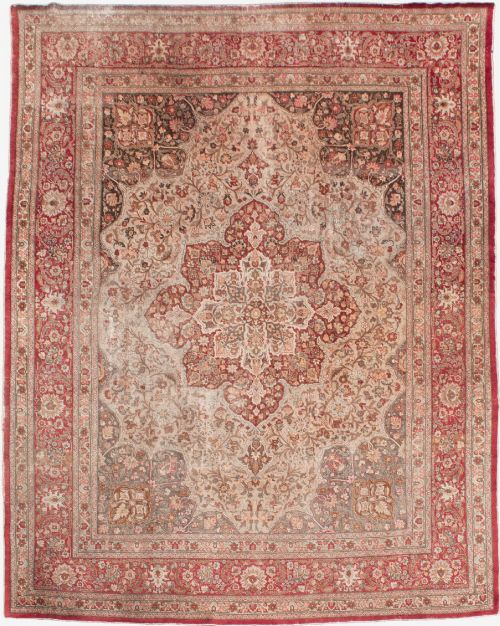
When searching for a large red rug, a buyer encounters substantial room-size carpets and village weaves originating from Persia, Anatolia, and surrounding regions. These floor coverings span production dates from the mid-nineteenth century through the mid-twentieth century.
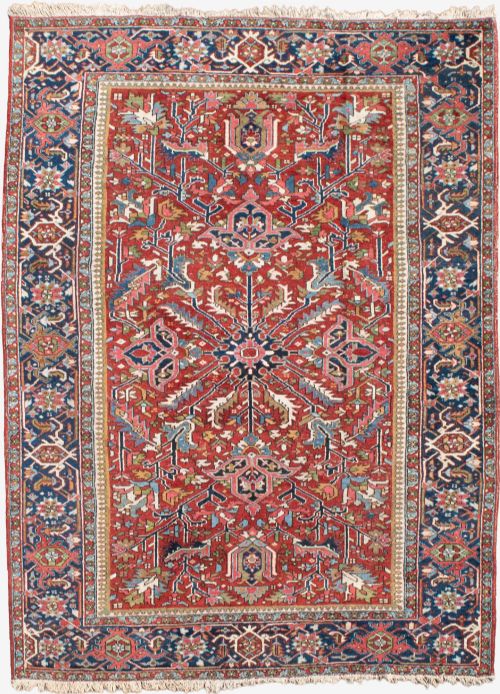
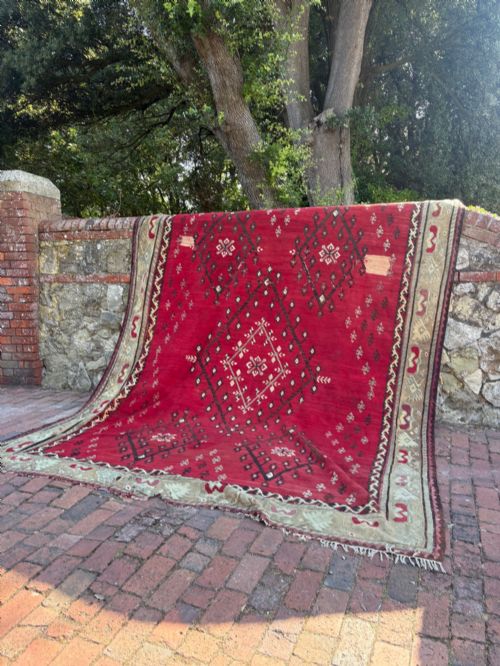
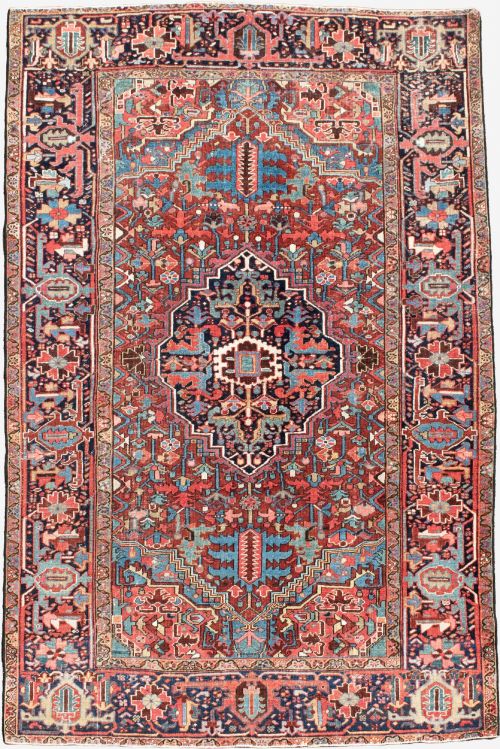
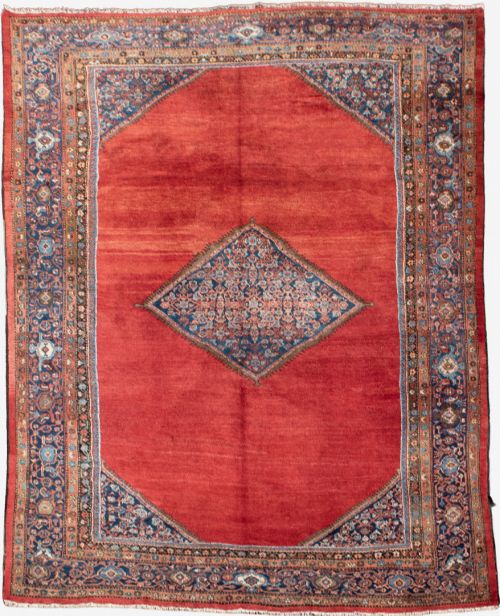
The most common examples on this page are Heriz carpets and various tribal formats displaying warm crimson, madder, and ruby ground colours. They arrive in formats ranging from substantial square proportions to elongated village and nomadic room sizes.
These textiles function as principal floor dressings for major living spaces, dining rooms, and hallways, providing both physical warmth and strong visual presence. Each piece reflects the specific regional weaving traditions of its origin, from city workshops to nomadic camps.
Materials and construction
The construction of these carpets relies primarily on wool foundations and surface piles, often supported by cotton warps and wefts in workshop productions. Many pieces utilise hand-spun wool that accepts dye variations with depth and character.
Weavers employed natural dyes, including madder root, to achieve the distinctive warm red hues seen across the inventory. These traditional colouring methods interact with hand-knotting and flatweave kilim techniques to create durable, resilient floor coverings.
Large Red Rug Retail Price Guide 2026
Typical asking prices for large red rug among the pieces listed under this phrase on Sellingantiques today, from the lower quarter to the upper quarter. They describe what is for sale here now, not the wider market.
Listings feature pieces dated from the mid-nineteenth century through the mid-twentieth century, constructed from wool and cotton using natural dyes.
Assessing quality and execution
Quality in these carpets rests on the density of the knotting, the precision of the tribal or workshop design, and the handled condition of the wool pile. Finer examples exhibit meticulous execution in intricate geometric or floral medallions.
The longevity of a piece depends on the integrity of the foundation threads and the evenly maintained depth of the pile across the field. Superior execution also shows in the consistent saturation and balance of the natural dyes throughout the rug.
The Large Red Rug Glossary
- Heriz
- A style of Persian carpet known for bold geometric central medallions and sturdy structural weaves originating from north-west Persia. These pieces typically display robust wool and strong red tones.
- Gul
- An octagonal or medallion-like motif frequently repeated in Turkmen and Afghan tribal main carpets. This design element forms the primary structural pattern across the field.
- Kilim
- A flatweave textile produced without a pile by tightly interweaving warp and weft strands. These pieces offer lighter floor coverings or wall hangings with crisp geometric layouts.
- Madder
- A natural red dye derived from the root of the Rubia plant, widely utilised in traditional carpet production. It yields the characteristic warm, variable red shades found in antique village rugs.
- Warp
- The stationary vertical threads stretched on the loom that form the foundational skeleton of the carpet. The knots of the pile are tied directly onto these parallel strings.
Large Red Rug: Frequently Asked Questions
How do I clean a large antique carpet?
Maintenance requires gentle vacuuming without the beater bar engaged to protect the antique wool pile. Professional specialist cleaning remains essential for removing deep dust without damaging natural dyes.
Water exposure must be strictly controlled during any maintenance to prevent colour bleeding across the red field. Regular rotation helps ensure even wear patterns across high-traffic areas.
Are these carpets suitable for heavy foot traffic?
Traditional village and workshop carpets feature dense wool construction designed for practical domestic endurance. Their sturdy foundation materials withstand regular daily movement in hallways and living rooms.
Placing a suitable underlay beneath the carpet prevents slippage and reduces friction against hard flooring. This simple addition significantly extends the working life of the textile.
How can I distinguish a tribal rug from a city carpet?
Tribal weaves typically display geometric motifs, bolder colour shifts, and asymmetrical village characteristics. They reflect the nomadic or small community origins of the weavers.
City carpets often present refined, symmetrical floral medallions and precise curvilinear borders. These workshop pieces utilise structured cotton foundations alongside finer knot counts.
What causes the colour variations in red rugs?
Natural dye batches, particularly madder, produce subtle tonal shifts known as abrash across the wool surface. These variations occur when dye strengths change between dyepots during the crafting process.
Sunlight exposure and natural ageing further mellow the wool tones over decades of use. Collectors value these gentle gradations as proof of genuine traditional colouring methods.