




Large Pine Dresser
A large pine dresser brings practical heft and honest character to a kitchen or dining room, offering deep storage and display space.
Large Pine Dresser
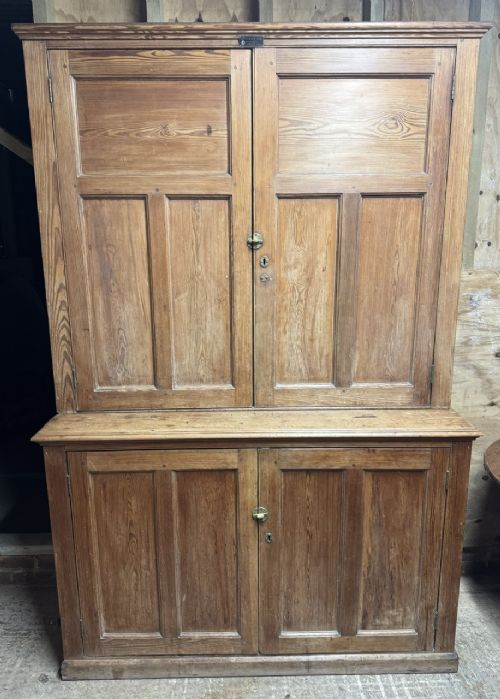
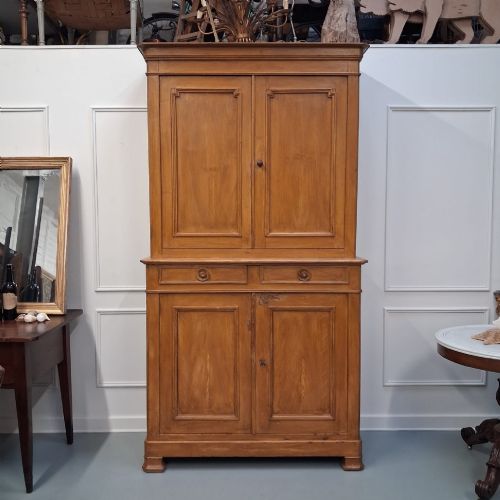
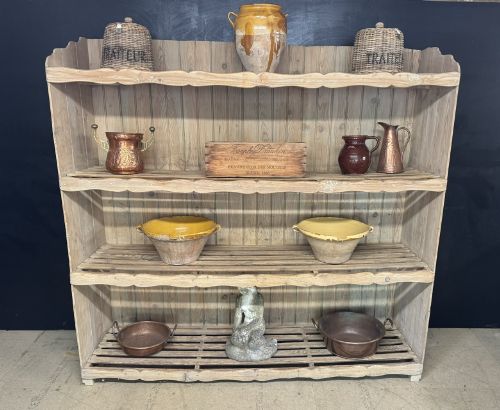
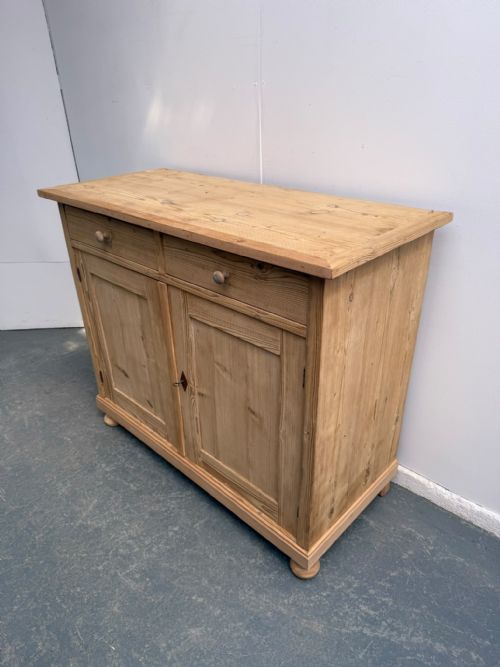
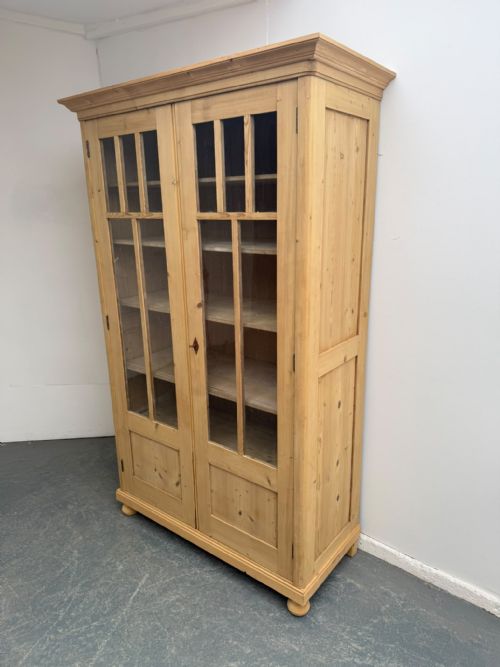
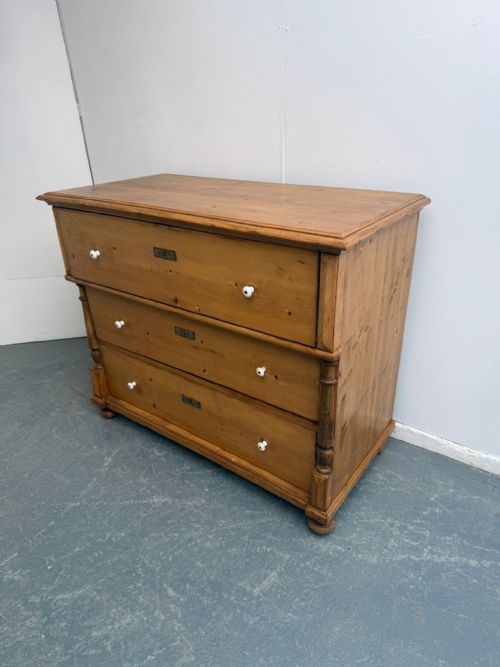
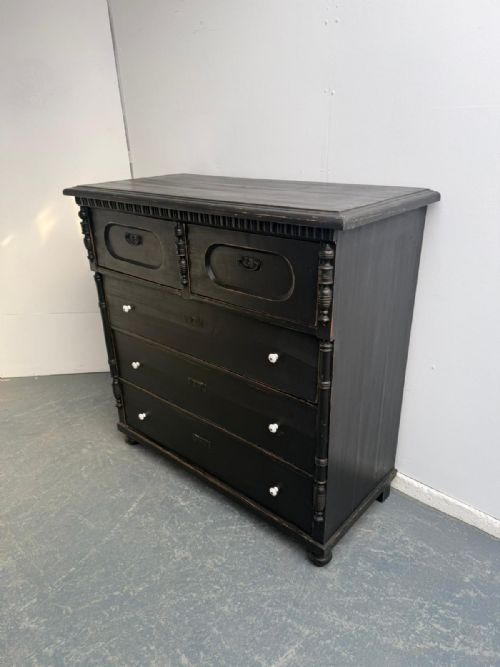
A large pine dresser provides substantial storage through base cupboards and drawers, often topped by open plate racks or glazed display cabinets.
Most examples found in these listings date from the nineteenth century, reflecting Victorian and country farmhouse traditions from English, Scottish, Irish, and continental workshops.
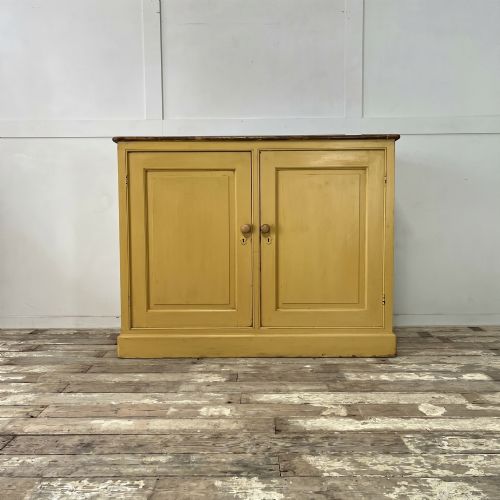
Forms vary from robust dresser bases and housekeeping cupboards to tall kitchen dressers featuring original painted finishes or waxed surfaces.
Materials and Construction
Carpenters built these pieces primarily from solid pine, occasionally combining it with beech, sycamore, or metal hardware such as iron and brass.
Surfaces were either left as bare timber to receive traditional wax finishes or coated in layers of paint, with many older pieces retaining original painted schemes.
Listings feature eighteenth, nineteenth, and early twentieth-century pieces, spanning Georgian, Victorian, and Edwardian eras in pine, paint, glass, and iron.
Assessing Quality and Character
Quality rests upon timber selection and structural integrity, where dense grain and original backboards distinguish superior regional joinery from simpler utility pieces.
The preservation of original painted surfaces or untouched waxed patination elevates a piece above those that have undergone modern stripping and heavy alterations.
The Large Pine Dresser Glossary
- Dresser base
- A lower sideboard component featuring drawers and cupboards without the upper shelving rack.
- Housekeeper cupboard
- A tall, large storage cabinet traditionally used in country houses for linen and dry stores.
- Bread slide
- A pull-out wooden tray integrated into the cabinetry, historically used for cooling baked goods.
- Waxed finish
- A traditional protective treatment applied to bare wood to deepen the tone and produce a soft sheen.
- Original paint
- The historic, untouched surface coating applied to the timber during its period of active use.
Large Pine Dresser: Frequently Asked Questions
Where should I place a large dresser?
These imposing items anchor a large kitchen, dining room, or hallway, functioning as both storage and a display focal point.
Ensure the wall space can accommodate the height and depth of the piece without crowding adjacent doorways or furniture.
How do I care for waxed pine?
Maintain waxed surfaces by dusting regularly with a soft cloth and applying a traditional beeswax paste occasionally to nourish the timber.
Avoid placing the furniture near direct heat sources or damp areas that might cause the wood to warp or dry out.
What is the difference between a dresser and a sideboard?
A traditional dresser includes an upper section with shelves or a glazed cabinet for displaying tableware, whereas a sideboard consists solely of the lower cabinet base.
Both pieces provide generous drawer and cupboard capacity for dining room storage.
Can I paint a waxed pine dresser?
While many pieces are sold ready to wax or paint, applying new paint to historic waxed wood requires thorough cleaning and priming to ensure proper adhesion.
Consider whether the timber retains any original historic paint before undertaking any alterations to the surface.