



Victorian Farmhouse Dresser
A victorian farmhouse dresser is a utilitarian storage piece that brings warmth and practical storage to a kitchen or dining space.
Victorian Farmhouse Dresser
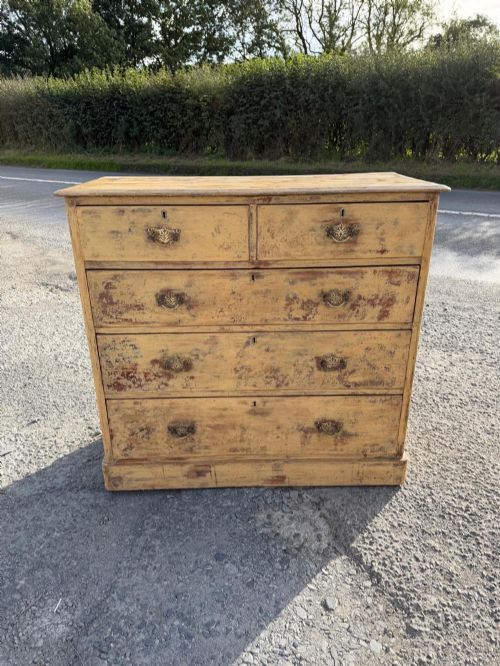
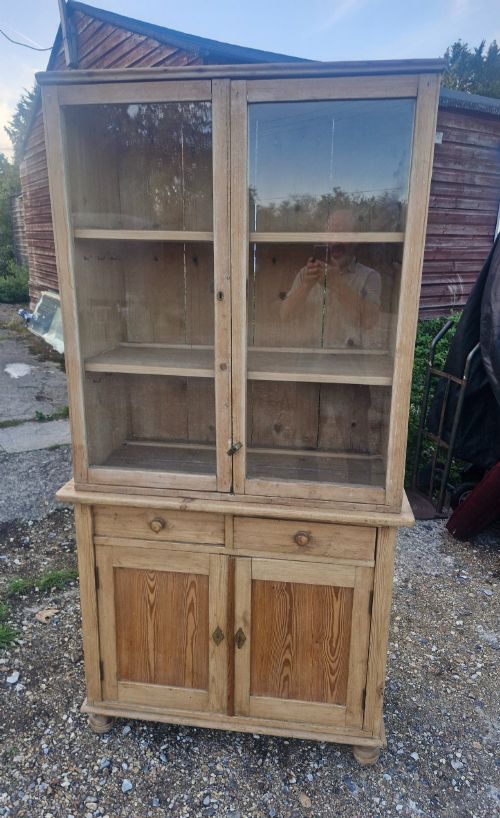
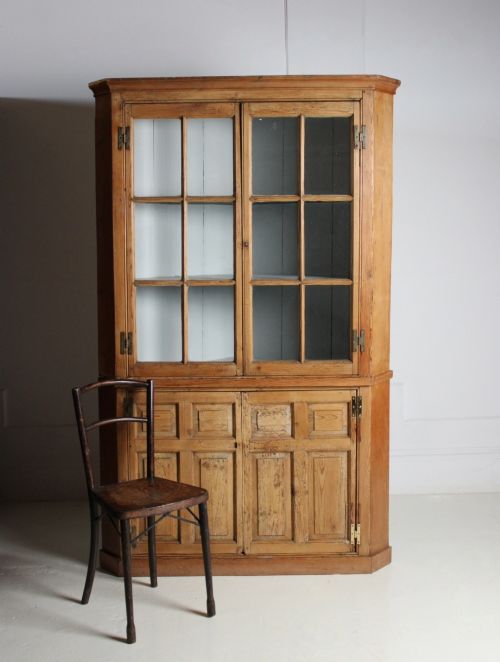
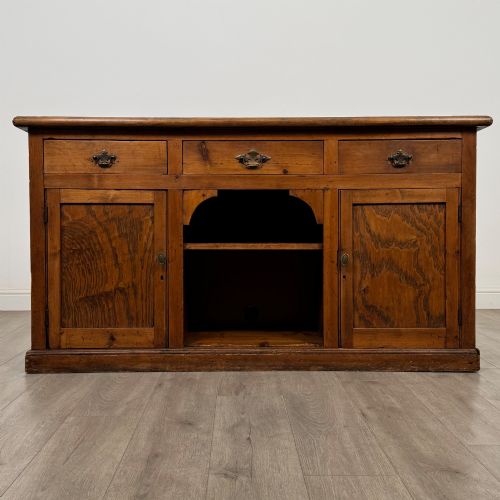
When you search for a victorian farmhouse dresser, you are looking at domestic storage furniture originating from the nineteenth century, most frequently encountered in pine. The listings show forms ranging from kitchen dresser bases and glazed corner cupboards to tall dressers with hutches and Welsh variations. These sturdy pieces served as functional workhorses in country houses and dairies before finding a place in modern homes.
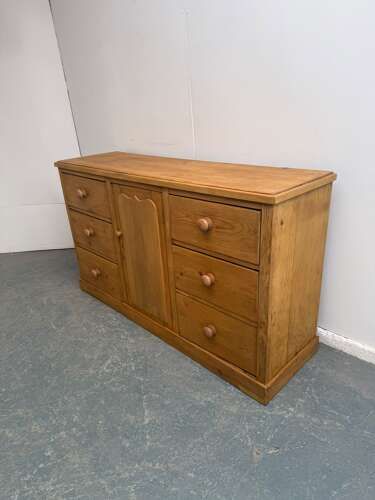
The version you are most likely to meet on this page is constructed from pine, often in a waxed finish or retaining its original paint and scumbled surfaces. Many examples feature multiple drawers and cupboard doors, sometimes accompanied by a gallery back for holding plates and kitchen implements. Scottish and Welsh regional variations appear among the selection, each carrying distinct proportions and detailing.
Materials and construction
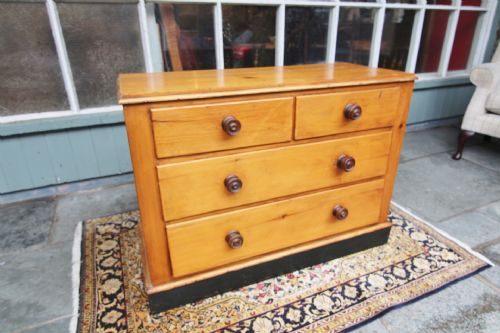
Makers built these pieces primarily from solid pine, utilising timber chosen for durability and availability rather than ornate grain. Construction relied on traditional joinery methods that allowed the wood to expand and contract naturally within domestic environments. Brass hardware such as drawer pulls and key escutcheons provided functional closure and contrast against the pale wood.
Surface treatments varied from simple wax polishing to protective coats of paint and decorative scumbling techniques. Glazed doors incorporated fitted glass panels to protect display shelves from kitchen dust while maintaining visibility. Structural elements like gallery backs and robust drawer divisions formed part of the daily utilitarian design.
Victorian Farmhouse Dresser Retail Price Guide 2026
Typical asking prices for victorian farmhouse dresser among the pieces listed under this phrase on Sellingantiques today, from the lower quarter to the upper quarter. They describe what is for sale here now, not the wider market.
Listings feature pine timber almost exclusively, spanning the nineteenth century with specific dates recorded in 1870, 1880, and 1900.
Judging quality in country furniture
Quality in these pieces rests upon the integrity of the timber and the preservation of original surfaces. Pieces retaining their early paint or scumbled finishes command attention, whereas stripped timber reveals the natural grain and age of the pine. Proportions matter greatly, distinguishing well-balanced country workshop commissions from utilitarian utility furniture.
The presence of original hardware, such as brass handles and working locks, elevates a piece. Structural soundness in the drawer construction and joints ensures the furniture remains capable of daily domestic use.
The Victorian Farmhouse Dresser Glossary
- Dresser base
- The lower section of a kitchen dresser, usually comprising cupboards and drawers without the upper plate rack.
- Scumbled finish
- A decorative paint technique involving translucent layers dragged or brushed over a base coat to imitate finer wood grains or create texture.
- Gallery back
- A raised wooden barrier along the rear edge of a top surface, designed to prevent items from sliding off.
- Welsh dresser
- A traditional tall kitchen storage unit featuring an upper plate rack shelving section above a base of drawers and cupboards.
- Waxed pine
- Timber treated with beeswax to nourish the wood and produce a soft, protective sheen.
Victorian Farmhouse Dresser: Frequently Asked Questions
How do I care for a waxed pine dresser?
Apply a natural beeswax polish occasionally using a soft cloth, buffing gently to maintain the protective layer on the timber.
Keep the piece away from direct heat sources and strong sunlight to prevent the wood from drying out or splitting.
What is the difference between a dresser base and a full dresser?
A dresser base consists only of the lower cupboard and drawer section, functioning much like a sideboard in a dining room.
A full dresser includes both the lower storage unit and an upper tiered shelving rack for displaying plates and crockery.
Did these pieces always have painted finishes?
Many kitchen pieces received coats of paint or scumble glaze for easy cleaning and protection in working country environments.
Other examples were left as bare wood and maintained with traditional wax applications over decades of domestic use.
How can I tell if the paint is original?
Original paint surfaces show authentic wear patterns, subtle crazing, and multiple underlying layers consistent with nineteenth-century application methods.
Modern repainting often presents a uniform texture and lacks the natural accumulation of age and usage found in untouched examples.